
Last updated September 23, 2026
Free visual inspection and a written scope of work before any mitigation begins - photos, moisture readings, and drying logs go in your claim file
The scope we write is the scope we bill. Anything new gets shown to you, in writing, before we touch it.


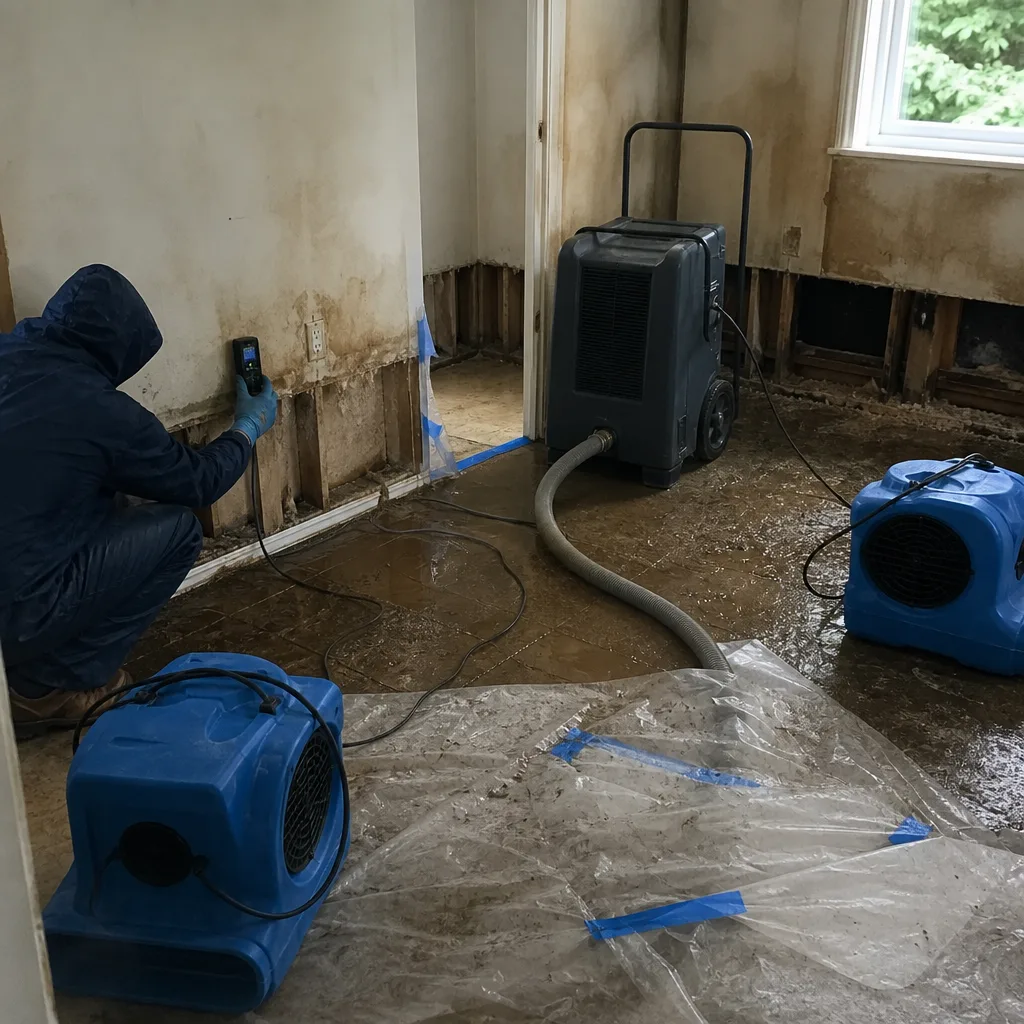 Before
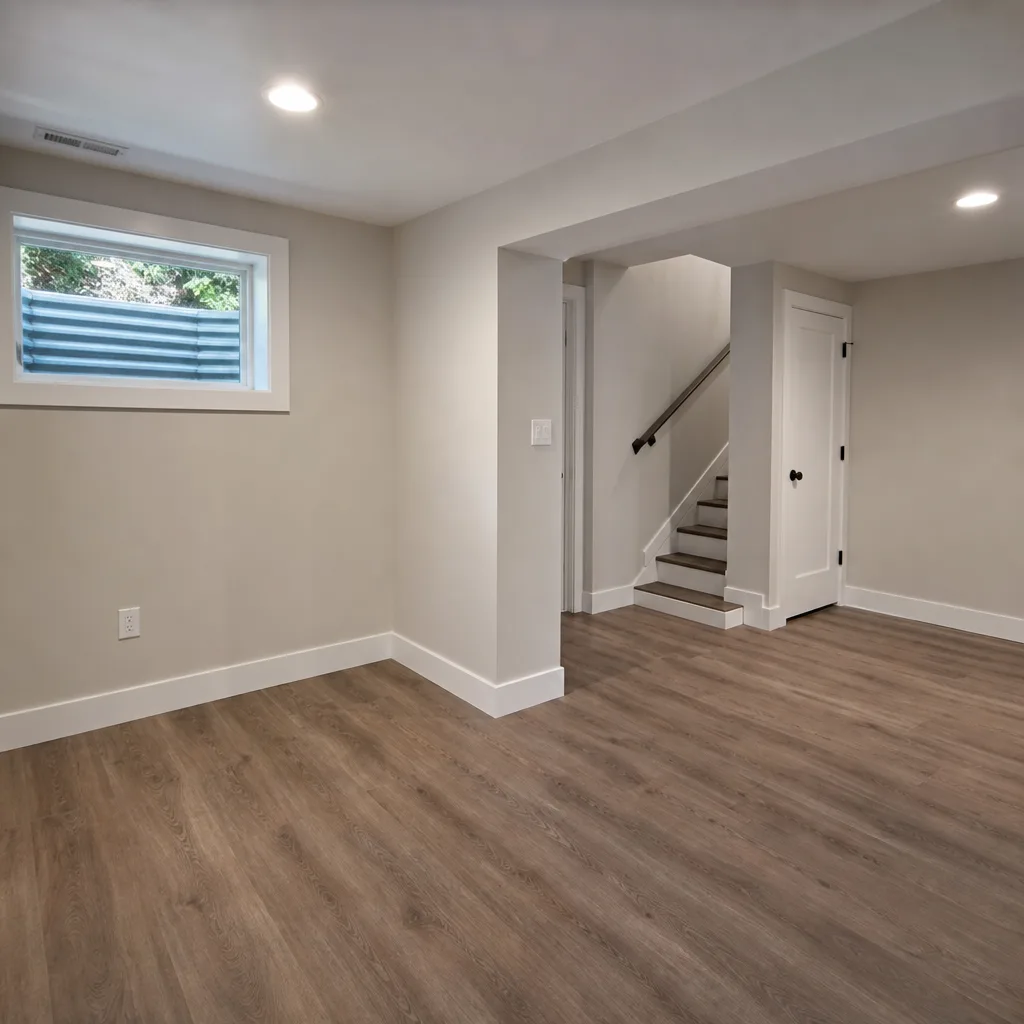 After
After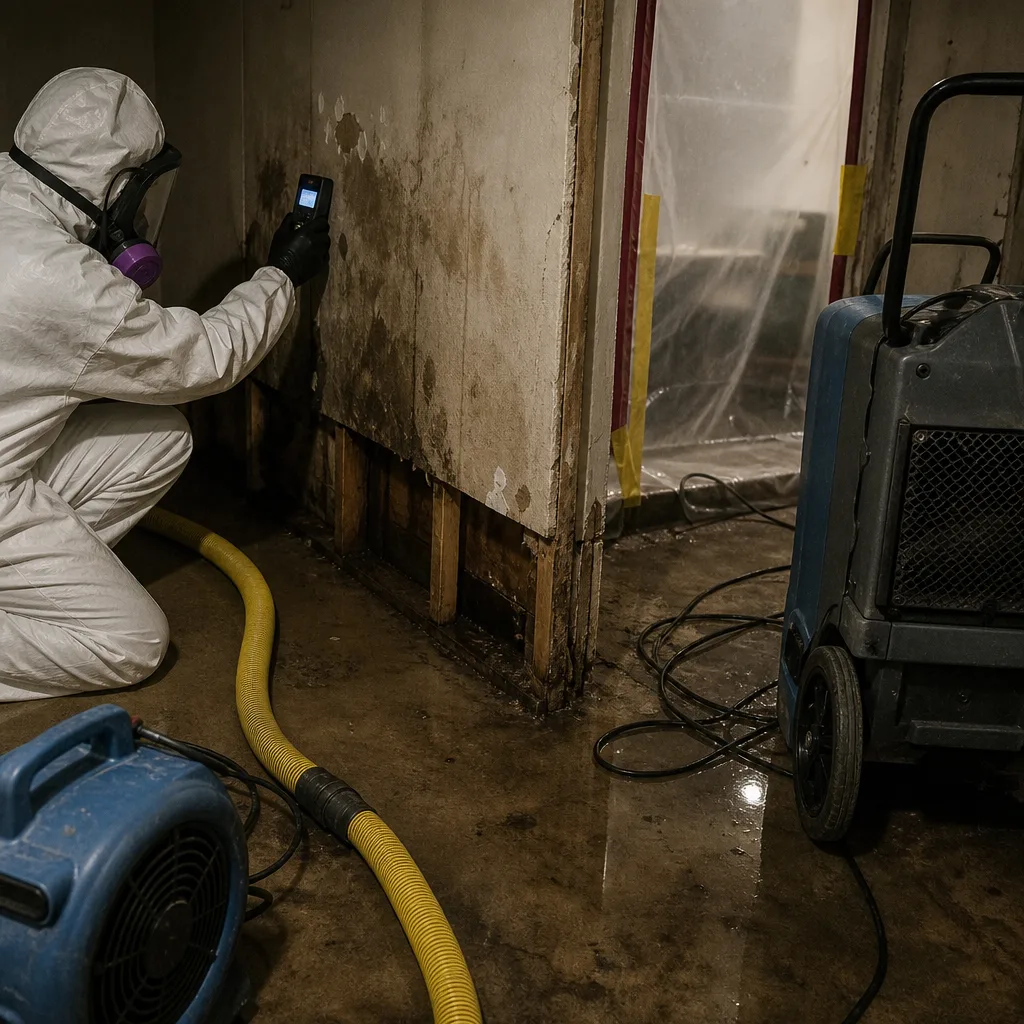 Before
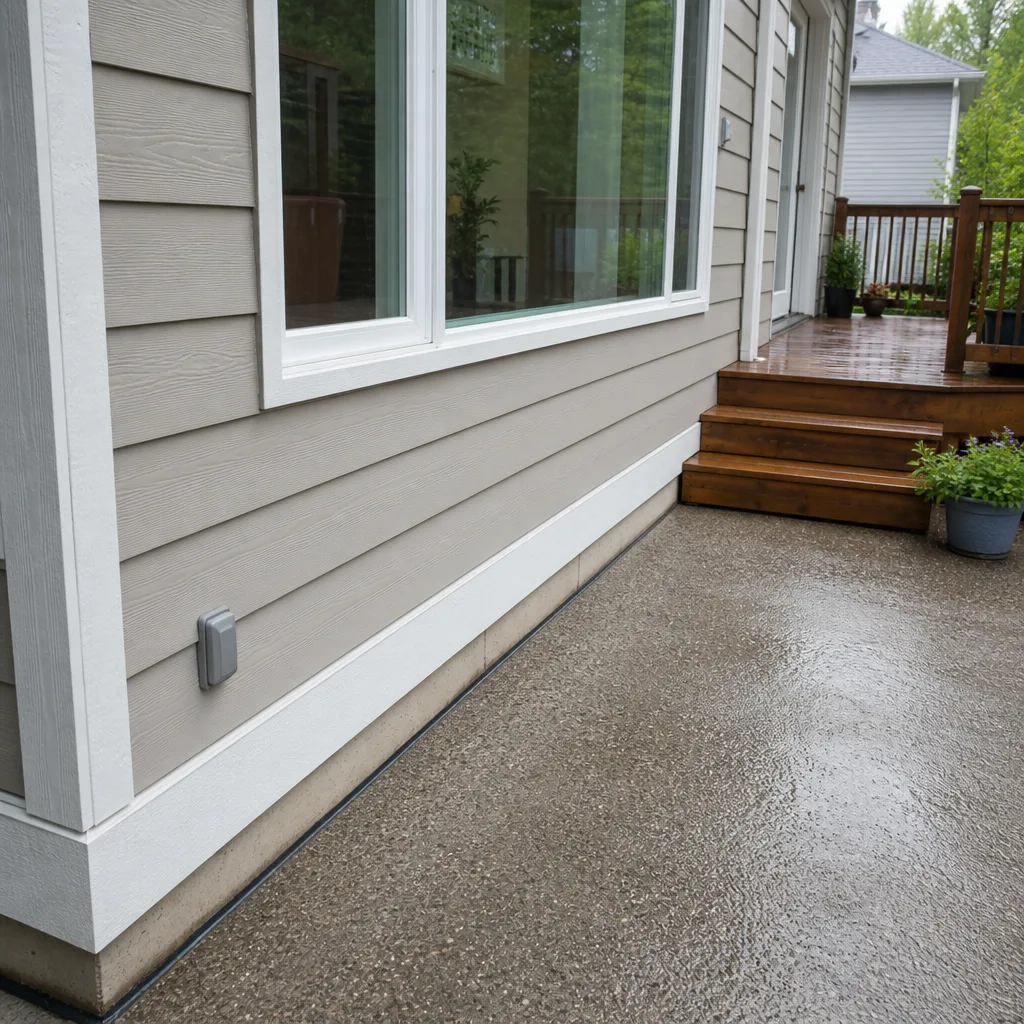 After
After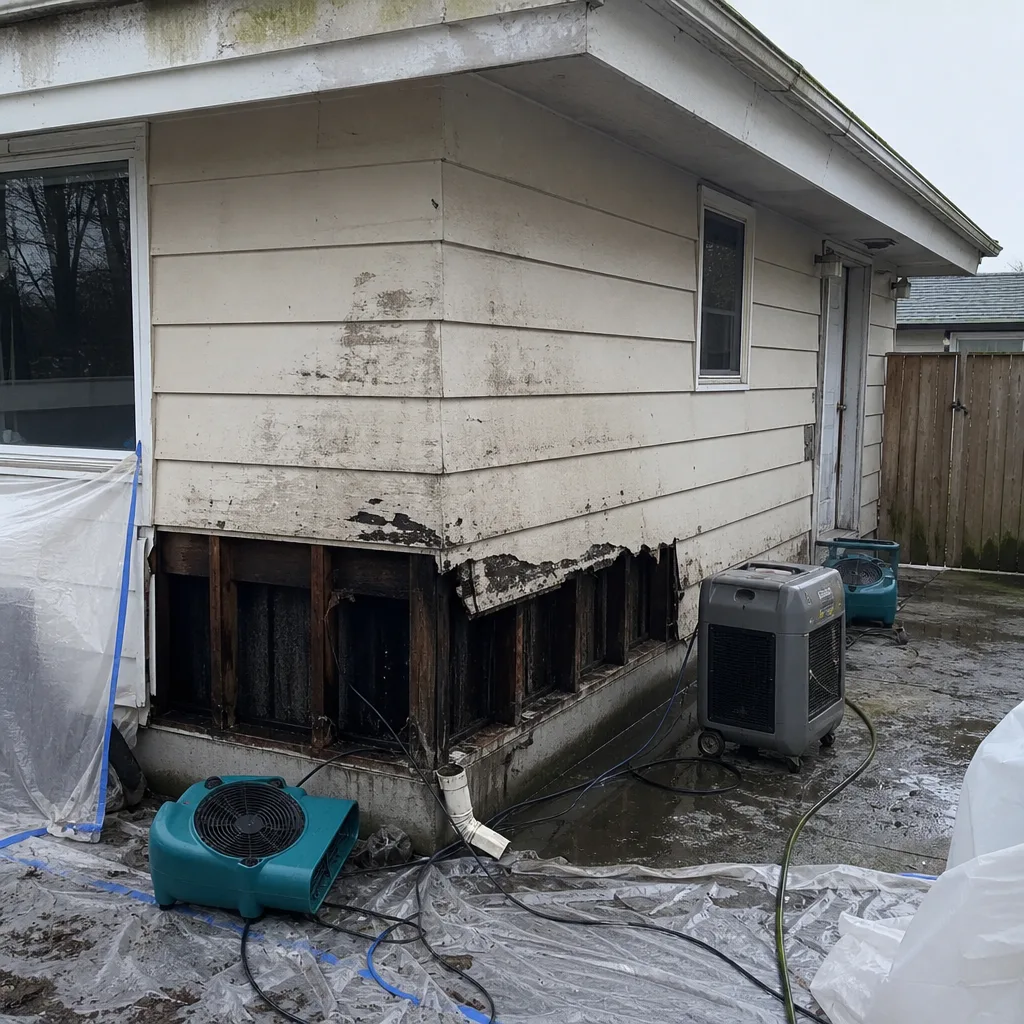 Before
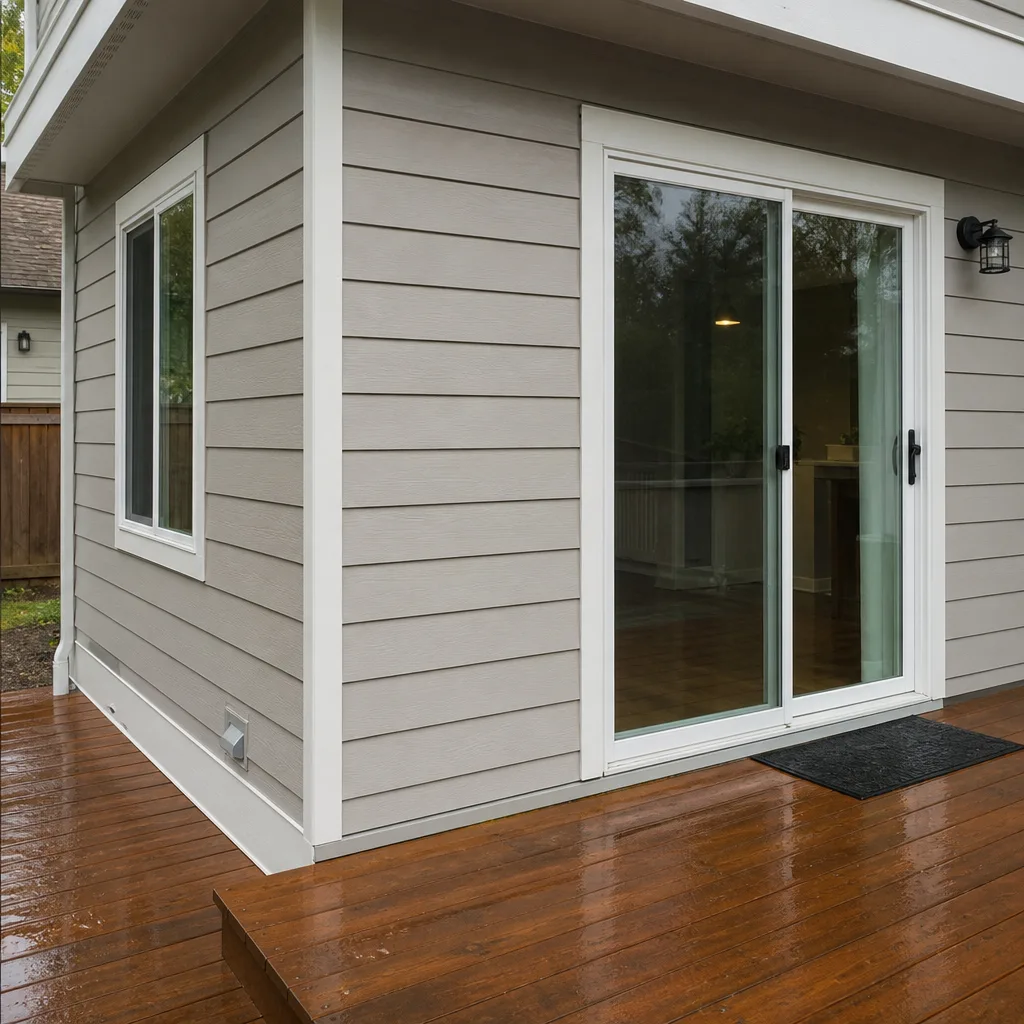 After
AfterSeasonal Damage Restoration Care for Redmond: Year-Round Homeowner’s Guide
Redmond’s costliest water damage claims do not peak in winter - they peak in March, when soil saturation from January and February finally overwhelms foundations that were never inspected in November. In our experience serving this market since 2011, the homeowners who avoid repeat restoration calls are not the ones with the newest roofs or the most expensive sump pumps. They are the ones who understand that Redmond’s damage risk follows a four-part cycle where each quarter’s neglect becomes the next quarter’s emergency. This guide sequences the year by measurable risk, not by calendar habit, with specific moisture thresholds, inspection targets, and documentation practices for each period - a companion to our Complete Guide to Damage Restoration in Redmond.
Quick Answer
Seasonal damage restoration care in Redmond requires a quarter-by-quarter prevention cycle - detailed in our Water Damage Restoration Maintenance Checklist for Redmond Homeowners - covering fall foundation and drainage inspection before the rainy season, winter monitoring of soil saturation and interior humidity, spring assessment of cumulative moisture intrusion, and summer maintenance of HVAC condensate systems and irrigation lines. Homeowners who document each inspection with dated photos and moisture readings build claims files that insurers pay without dispute.
Table of Contents
- Why March, Not December, Is Redmond’s Peak Damage Month
- Fall Prevention: The 60-Day Window That Determines Your Spring
- Winter Monitoring: Soil Saturation and Interior Humidity Thresholds
- Spring Assessment: Cumulative Damage and Mold Activation
- Summer’s Hidden Risks: HVAC, Attics, and Irrigation Lines
- How Redmond’s Elevation Gradient Creates Different Risk Profiles by Zip Code
- Building a Seasonal Documentation File That Insurers Cannot Contest
- Common Mistakes to Avoid
- When to Call a Professional
- Frequently Asked Questions
- The Bottom Line
 Before
 After
AfterWhy March, Not December, Is Redmond’s Peak Damage Month
Most Redmond homeowners assume December brings the worst water damage risk. The rain is heaviest then, after all. But in our work across this city since 2011, we’ve documented a consistent pattern: emergency water damage calls spike in March, not December, and the cause is rarely a single storm.
The mechanism is cumulative soil saturation. Redmond’s clay-heavy soils, particularly in the lower-elevation neighborhoods near Bear Creek and the Sammamish River corridor, absorb water through fall and winter until they reach field capacity - the point where no more moisture can be held. By late February, the soil is saturated to depth. March brings warming temperatures, snowmelt from the Cascades, and the first significant rain-on-snow events. The water has nowhere to go but through foundation cracks, failed perimeter drains, and hydrostatic pressure points that developed silently over the previous five months.
We see this pattern repeat in homes with no November foundation inspection. A homeowner who checked the sump pump in September - when soil was still dry - has no data on whether that pump runs weekly, daily, or continuously once the rains begin. By March, the pump may have failed weeks earlier, and the first sign is water seeping through the basement slab.
The financial consequence is significant. A March emergency typically involves:
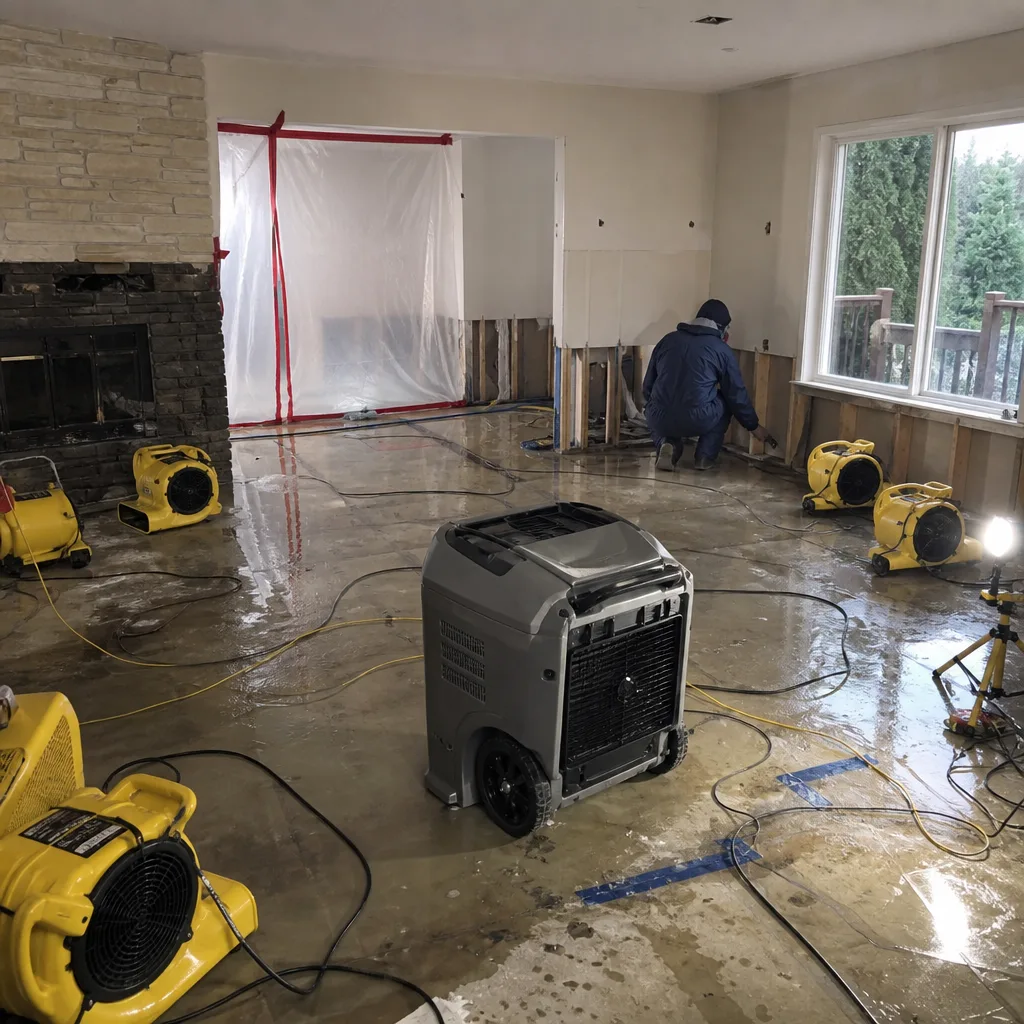
- Standing water in basements or crawl spaces that has been present for days or weeks before discovery
- Secondary mold growth requiring Mold Remediation in Redmond beyond simple water extraction
- Compromised insulation and vapor barriers that must be removed and replaced
- Documentation gaps because the homeowner has no pre-damage moisture readings or photos to establish the baseline condition
Our drying logs from March 2023 and March 2024 show average moisture content in affected framing at 28-34% - well above the 16% threshold where mold colonization accelerates. The December average, by contrast, is 18-22% because the water is fresher and the response is faster.
The prevention implication is clear: the inspection that matters most happens before the soil saturates, not after the water appears.
Fall Prevention: The 60-Day Window That Determines Your Spring
October 15 to December 15 is the critical period for Redmond homeowners. Soil moisture is still manageable. Rainfall is intermittent enough that inspections yield actionable data. And the work you do in this window determines whether March brings a maintenance call or a restoration invoice.
We structure fall prevention around three measurable targets:
Foundation and Perimeter Drain Assessment
Walk the full perimeter of your home during or immediately after rainfall. Note where water pools, where downspouts discharge, and whether the soil grade slopes away from the foundation at minimum 6 inches of drop over 10 feet. In Redmond’s 98052 zip code, we regularly see homes built in the 1980s with settled backfill that now creates a bowl effect - water collects against the foundation wall and seeps through the cold joint where the wall meets the footing.
Check your sump pump by pouring 5 gallons of water into the crock. The pump should activate before the water reaches the intake port. If it does not, or if it cycles on and off rapidly (short-cycling), the float switch or check valve needs service. Document the test with a photo showing the date and water level.
Gutter and Downspout Function
Redmond’s mature Douglas fir and western red cedar shed needles continuously through October and November. Clogged gutters overflow directly against fascia boards and soffits, creating the moisture intrusion pattern we see in most Redmond attic mold cases. Clean gutters after the heaviest needle drop, typically mid-November, and verify that downspouts extend at least 6 feet from the foundation or connect to a functional underground drainage system.
Crawl Space and Basement Baseline Documentation
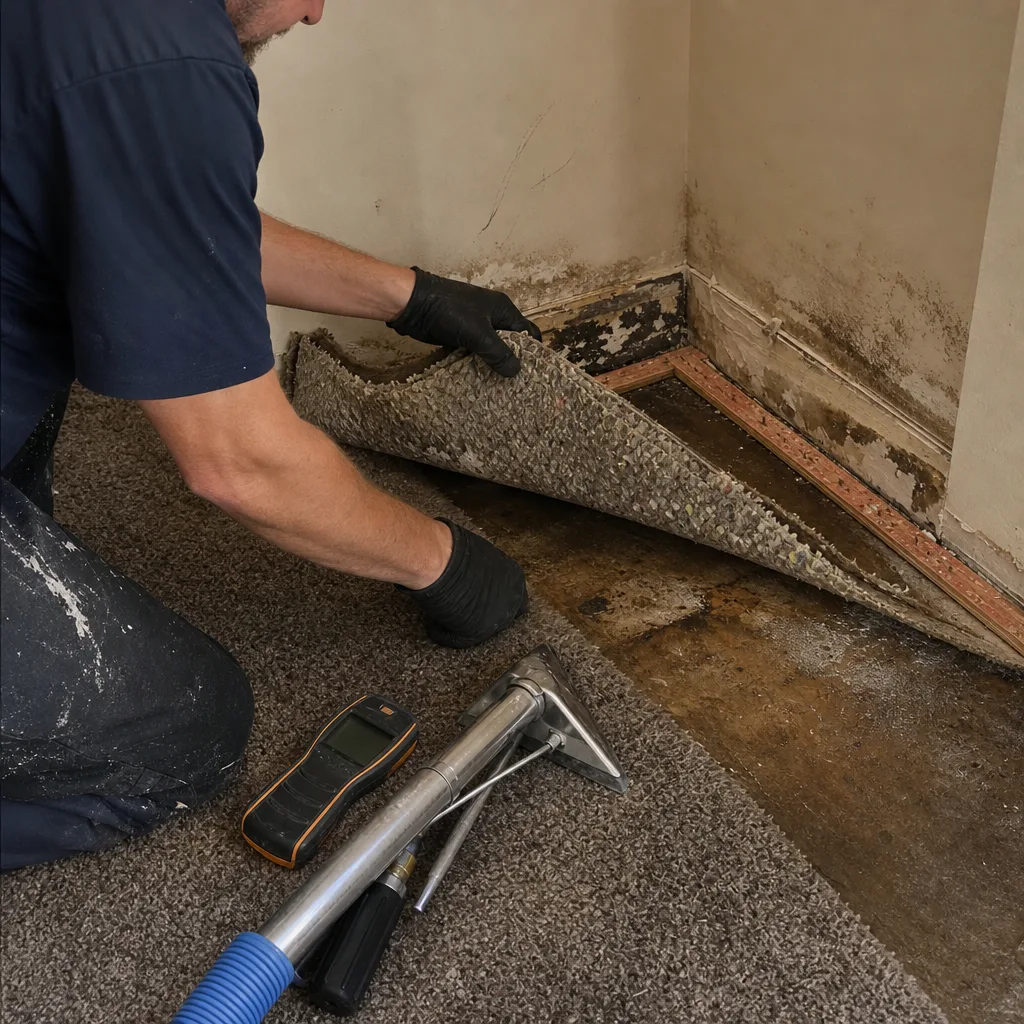
This is the step most homeowners skip, and it is the step that determines whether an insurer pays your claim. Before the rainy season begins, photograph every wall, the full floor area, and any existing stains or repairs. If you own a moisture meter, record readings at three points: the lowest wall section, the center of the floor, and any area with prior water exposure. File these with the date.
We recommend this specific inspection sequence:
- Exterior perimeter walk during rainfall, noting pooling and discharge points
- Sump pump function test with photo documentation
- Gutter cleaning and downspout extension verification
- Interior crawl space or basement photo survey with moisture readings
- HVAC filter change and condensate drain line inspection (see summer section for why this matters in fall)
Homeowners who complete this sequence and file the documentation rarely need Water Damage Restoration in Redmond in March. Those who do not complete it represent approximately 60% of our Q1 emergency calls.
Winter Monitoring: Soil Saturation and Interior Humidity Thresholds
Once the rainy season is fully established, typically by mid-December, prevention shifts to monitoring. You cannot stop the rain, but you can detect problems before they become emergencies.
Soil Saturation Indicators
Redmond’s winter rainfall averages 4.5 to 6.5 inches monthly from November through February, with 2023-2024 showing the upper end of that range. Soil saturation becomes critical when:
- Your sump pump runs more than once per hour during dry periods between storms
- Water appears in the crawl space or basement without an obvious source (indicating hydrostatic pressure through the slab or walls)
- Exterior soil remains muddy or produces standing water 48 hours after rainfall ends
In the Education Hill and Grass Lawn neighborhoods of 98052, the higher clay content in soils derived from Vashon glacial till means saturation persists longer than in the sandier soils near Marymoor Park. If you live in these areas, your monitoring threshold should be more conservative - 24 hours rather than 48.
Interior Humidity Control
Winter humidity management in Redmond is counterintuitive. Cold outdoor air holds little moisture, but heated indoor air can accept much more. The result is that relative humidity drops, causing homeowners to add humidification - which can mask a moisture intrusion problem by making the air feel normal while water accumulates in walls and floors.
We recommend maintaining indoor relative humidity at 30-40% in winter, measured with a calibrated hygrometer placed away from heat sources and exterior walls. Higher readings suggest a moisture source that needs investigation. Lower readings with visible condensation on windows suggest inadequate ventilation in specific rooms.
Pay particular attention to south-facing rooms in Redmond’s hillside homes, where solar gain can create temperature differentials of 10-15°F between the warmed wall surface and the cold exterior sheathing. This drives vapor pressure differential - the force that pushes moisture through materials - and can create hidden condensation in wall cavities.
Documentation During Winter
Weekly photos of your sump pump discharge area, your crawl space access point, and any interior areas with prior moisture issues create a time-stamped record. If you call for service in March, these photos establish whether the problem was sudden (insurable as a named peril in most policies) or gradual (often excluded without specific endorsements).
Spring Assessment: Cumulative Damage and Mold Activation
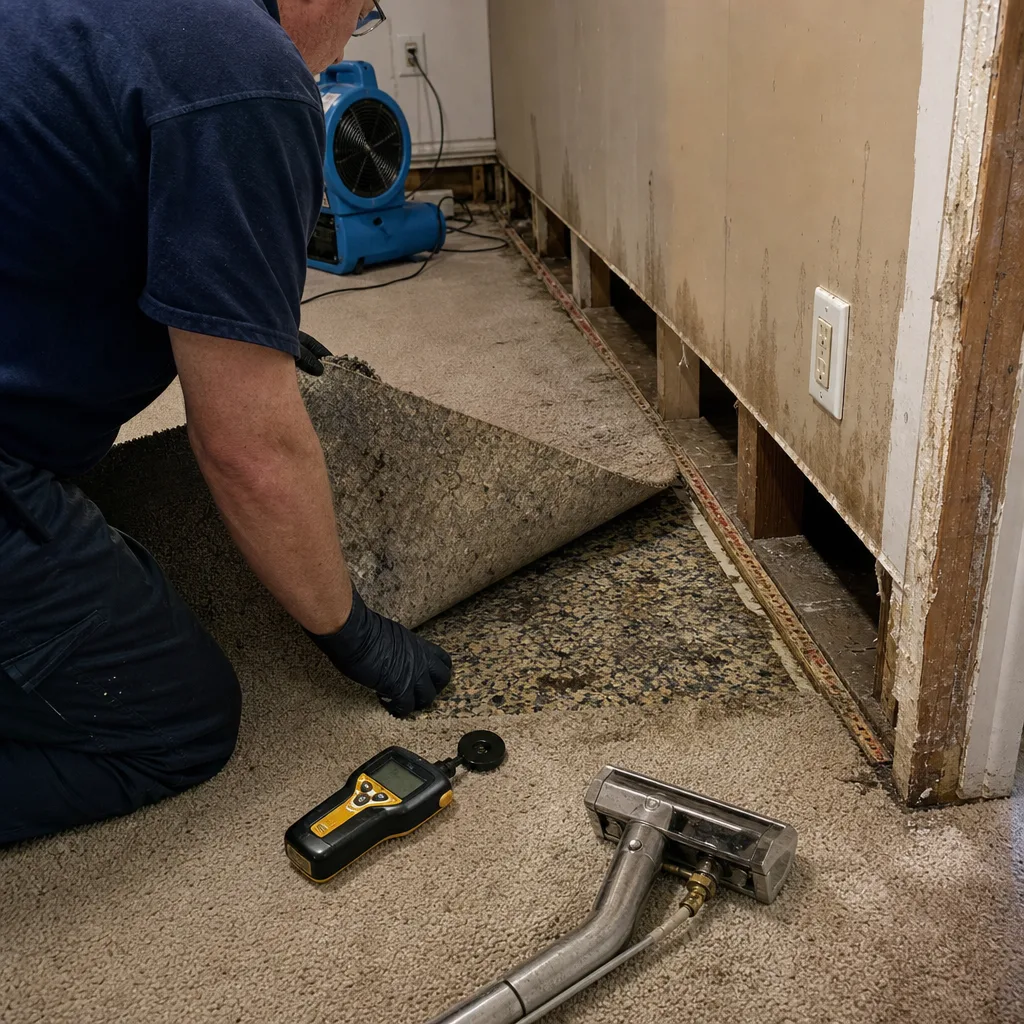
March through May is when hidden problems become visible problems. The soil is at maximum saturation. Temperatures rise into the 50-60°F range where mold spores germinate readily. And homeowners begin using spaces - crawl spaces for storage, basements for projects - that were unvisited all winter.
The Mold Threshold
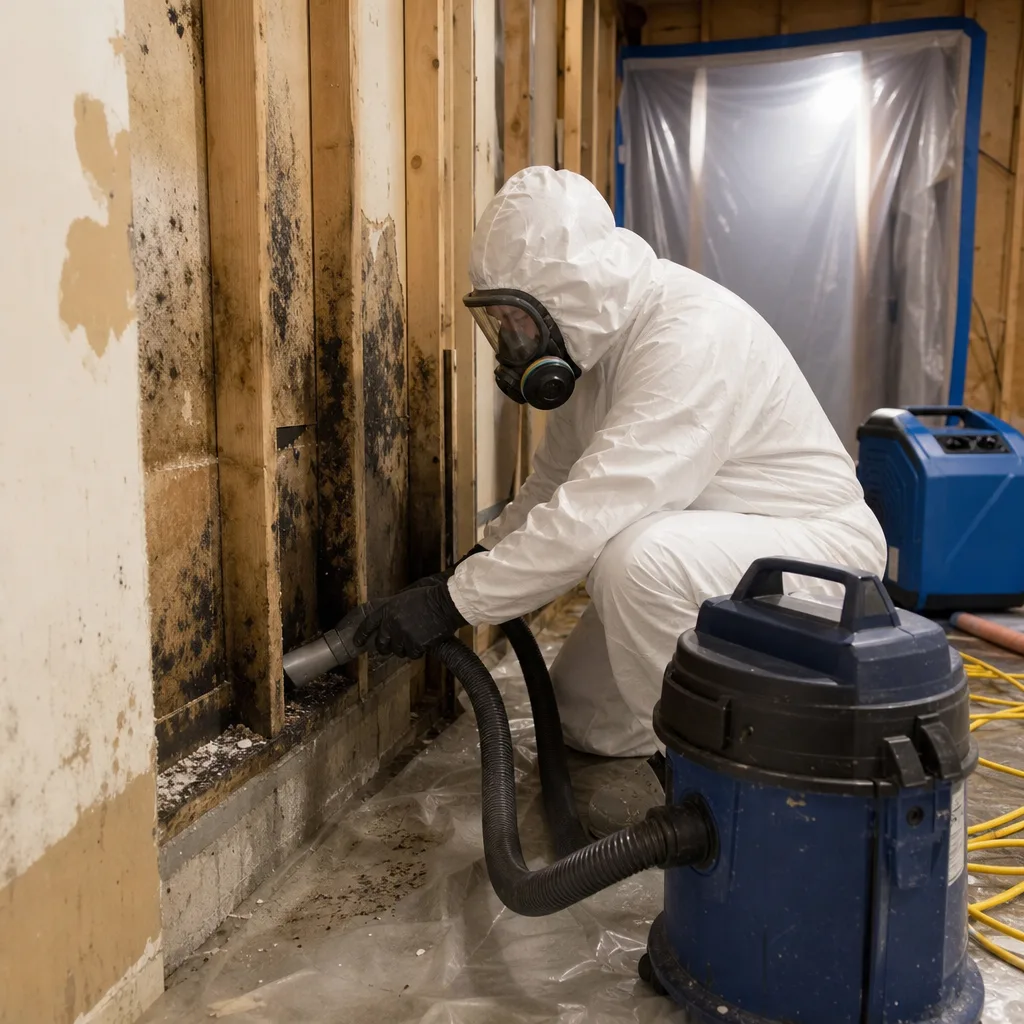
Mold requires three conditions: moisture, organic material, and temperatures above approximately 40°F. In Redmond, all three are present in most crawl spaces and basements by late March. The critical moisture threshold for common indoor molds like Aspergillus and Penicillium is 16% wood moisture content. Stachybotrys, the “black mold” of insurance disputes, typically requires sustained moisture above 20% and cellulose-rich materials like paper-faced drywall.
Our Mold Remediation in Redmond calls peak in April, and the majority involve crawl spaces that were wet all winter but uninspected until a homeowner noticed odor or a contractor flagged conditions during unrelated work.
Spring Inspection Protocol
- Enter the crawl space or basement with a flashlight and moisture meter. Photograph every wall and the full floor area.
- Check wood moisture content at multiple points. Readings above 16% require professional assessment; readings above 20% indicate active colonization risk.
- Inspect insulation for sagging, discoloration, or compression - all signs of water exposure.
- Look for efflorescence (white mineral deposits) on concrete walls, indicating water movement through the material.
- Smell for musty or earthy odors. Mold can be present at levels below visual detection.
- Check exterior grading and drainage for changes - soil settlement, mulch buildup against siding, or damaged downspouts from winter snow load.
If you documented baseline conditions in fall, compare directly. New stains, higher moisture readings, or changed odors are your evidence of a developing problem.
When Spring Damage Requires Professional Documentation
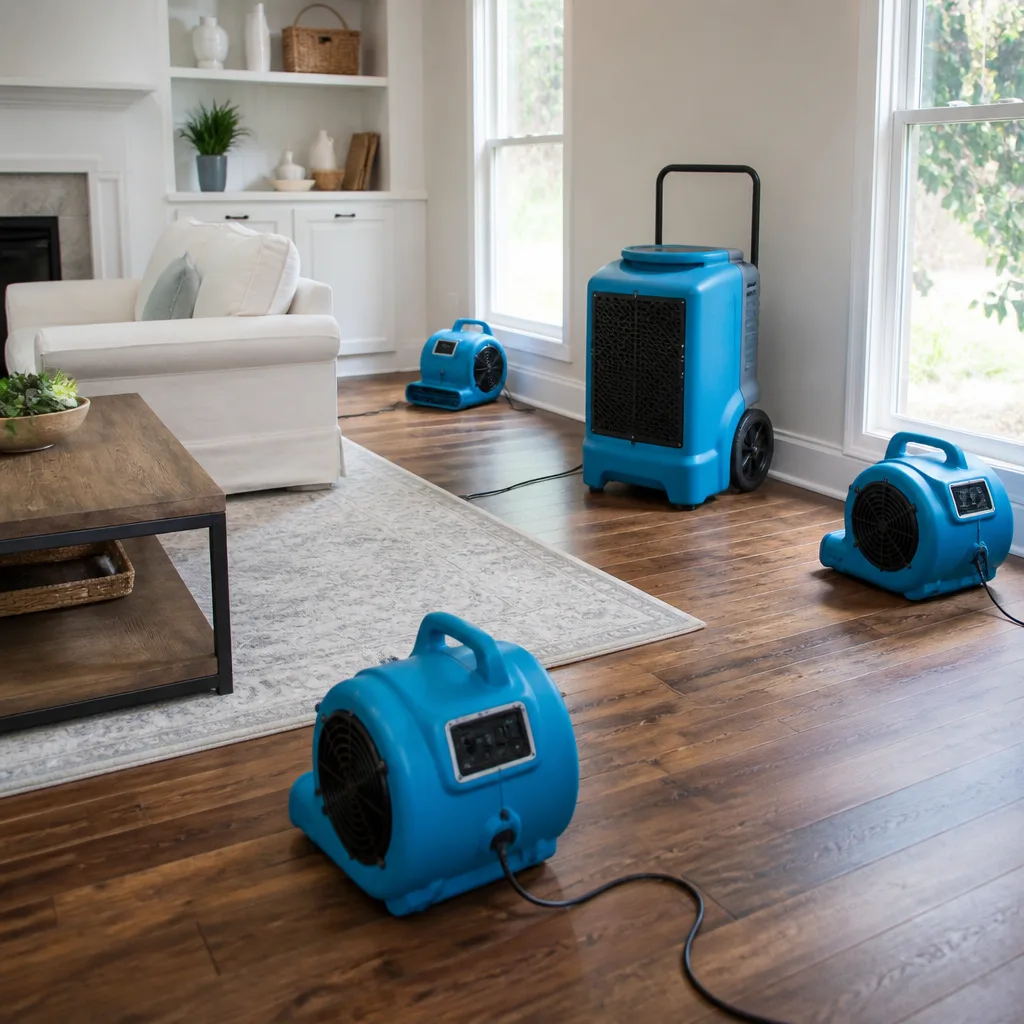
Any moisture reading above 20%, visible mold growth exceeding 10 square feet, or musty odor with no visible source warrants professional assessment. We provide written scopes and moisture mapping that document the full extent of affected materials - the documentation that turns a restoration invoice into a payable claim. Our work is documented to IICRC, RIA, and IFA standards, with daily drying logs produced by equipment from Dri-Eaz and Phoenix.
Summer’s Hidden Risks: HVAC, Attics, and Irrigation Lines
Redmond’s dry summers create a false sense of security. Water damage risk does not disappear; it shifts to systems that are working harder and homeowners who are paying less attention.
HVAC Condensate Drain Failures
Air conditioning systems in Redmond run intermittently through June and intensively during July and August heat waves. The evaporator coil produces condensate - typically 5-20 gallons daily during heavy cooling loads - that drains through a small PVC line to exterior discharge or a floor drain. When this line clogs with algae or sediment, water overflows the secondary pan or, if the pan is missing or cracked, directly into the furnace cabinet and surrounding structure.
We see this pattern most in homes with attic-mounted air handlers, common in Redmond’s 1990s and 2000s construction. The first sign is often a water stain on a ceiling below the unit, by which time insulation is saturated and ceiling drywall is compromised. The repair is simple - clear the drain line, install a safety switch - but the restoration scope can involve multiple rooms if the leak persisted through a vacation period.
Prevention: pour a cup of white vinegar through the condensate drain line monthly during cooling season, and verify the secondary drain pan is present and intact.
Attic Temperature Differentials
Redmond summer days can reach 80-90°F while nights drop to 55-60°F. Attic temperatures follow a wider swing, often 120°F+ at peak and rapid cooling after sunset. This temperature cycling drives air movement through ceiling penetrations - recessed lights, bath fans, attic hatches - and can pull conditioned, humid air into the attic space where it condenses on cooler roof sheathing in evening hours.
The result is summer attic moisture that mimics winter ice dam conditions. We document this with psychrometric data - measurements of temperature, relative humidity, and vapor pressure that show where condensation risk exists. Homeowners rarely suspect attic moisture in August, but our moisture meters find it regularly in homes with inadequate air sealing.
Irrigation Line Proximity to Foundation
Automatic irrigation systems are standard in Redmond’s established neighborhoods. Lines buried 6-8 inches deep run parallel to foundation walls, and sprinkler heads often direct water against siding. Summer irrigation runs 3-4 times weekly, delivering hundreds of gallons monthly within feet of the foundation.
The risk is cumulative soil saturation in a concentrated area, particularly where lines leak slowly at joints or where heads are misaligned. We find saturated foundation perimeters in August that have been wet since June, with homeowners unaware because the surface appears dry between irrigation cycles.
Prevention: inspect sprinkler head alignment monthly, verify no heads spray directly against the foundation, and walk the irrigation zone during operation to spot pooling or soggy areas. If your water bill rises without explanation, a buried line leak is likely.
How Redmond’s Elevation Gradient Creates Different Risk Profiles by Zip Code
Redmond’s geography is not uniform, and neither is its water damage risk - explore more guides & resources for neighborhood-specific strategies. The city spans approximately 800 feet of elevation from the Sammamish River at 40 feet above sea level to the Sammamish Plateau at 840 feet. This gradient creates distinct soil, drainage, and exposure profiles that should inform your seasonal maintenance priorities.
Lower Redmond: 98052 River Corridor and Downtown
Neighborhoods near the Sammamish River, including areas around Marymoor Park and the retail corridor, sit on historic floodplain soils with high water tables and poor natural drainage. Homes here - many built in the 1960s-1980s - rely heavily on perimeter drain systems and sump pumps that are often original equipment. The risk profile is:
- Hydrostatic pressure through slab and foundation walls during extended wet periods
- Sewer backup during heavy rainfall, particularly in homes with basement fixtures connected to older municipal lines
- Capillary rise in crawl spaces where vapor barriers are absent or degraded
Fall inspection priority: sump pump function, perimeter drain cleanout access, and sewer backflow valve operation.
Mid-Elevation: Education Hill, Grass Lawn, and Overlake
These neighborhoods at 300-500 feet elevation have better drainage than the river corridor but face unique risks from hillside construction. Many homes are built into slopes with daylight basements or walkout lower levels. The uphill side accumulates subsurface flow from higher ground; the downhill side may have inadequate surface drainage.
The risk profile is:
- Foundation wall seepage on the uphill side where subsurface flow intersects the structure
- Retaining wall failure or drainage compromise in terraced landscaping
- Window well flooding in basement egress windows
Fall inspection priority: uphill drainage interception, retaining wall weep hole function, and window well covers and drains.
Sammamish Plateau: 98053 and Upper Redmond
At 600-840 feet, these areas have better natural drainage but face wind exposure and different soil composition. The glacial outwash soils are sandier and drain faster, but they also allow deeper frost penetration and can heave foundations during freeze-thaw cycles. The risk profile is:
- Frost heave damage to foundations and flatwork from inadequate drainage below frost depth
- Wind-driven rain intrusion through siding and window seals during winter storms
- Septic system drain field saturation in homes not on municipal sewer
Fall inspection priority: foundation grading for frost drainage, window and door seal integrity, and septic system pump tank and drain field condition.
Documentation by Zone
When you file your seasonal documentation, note your elevation zone and the specific risks it carries. This context helps any professional assess whether your conditions are typical for your location or indicate a system failure requiring intervention.
Building a Seasonal Documentation File That Insurers Cannot Contest
The single most valuable action a Redmond homeowner can take is not a repair or an upgrade. It is building a running documentation file that establishes baseline conditions, tracks changes over time, and provides evidence if a claim becomes necessary.
Insurers deny or reduce water damage claims for two predictable reasons: the damage is determined to be long-term and gradual (excluded under standard policy language), or the claimed scope exceeds what the documentation supports. A well-maintained seasonal file addresses both.
What the File Contains
- Baseline photo survey: Dated photos of every exterior elevation, the full crawl space or basement, attic access area, and mechanical room. Taken in fall before the rainy season.
- Moisture readings: Wood moisture content and relative humidity measurements at fixed locations, recorded with the date, time, and weather conditions.
- Maintenance records: Dates of gutter cleaning, sump pump tests, HVAC service, and any repairs with contractor invoices.
- Weather correlation notes: Observations after significant storms - water behavior, pump cycles, any interior changes.
- Professional assessment reports: Any inspection or testing by qualified contractors, with their findings and recommendations.
How We Use Documentation in Restoration Work
When DryMark Restoration Redmond responds to a water damage call, our first step is establishing the extent and timeline of damage. Homeowners with seasonal documentation can show us pre-loss moisture readings, prior photos proving the wall was unstained, and maintenance records demonstrating functional systems. We incorporate this evidence into our written scope and photo record, producing the documentation package that aligns with insurer requirements.
Without this baseline, we must document only what we find - which may appear to an adjuster as long-term deterioration rather than a sudden, insurable event. The difference can be thousands of dollars in covered versus denied scope.
Storage and Access
Store digital copies in cloud storage with automatic backup, and keep a physical binder with key documents for immediate access during an emergency. Include your insurance policy number, agent contact, and our number - (425) 689-8468 - in the binder’s front pocket.
The Haven Standard requires that we produce a written price before work begins and a documented photo record on every visit. Your seasonal file complements our documentation, creating a complete evidence chain from pre-loss condition through restoration completion.
Common Mistakes to Avoid
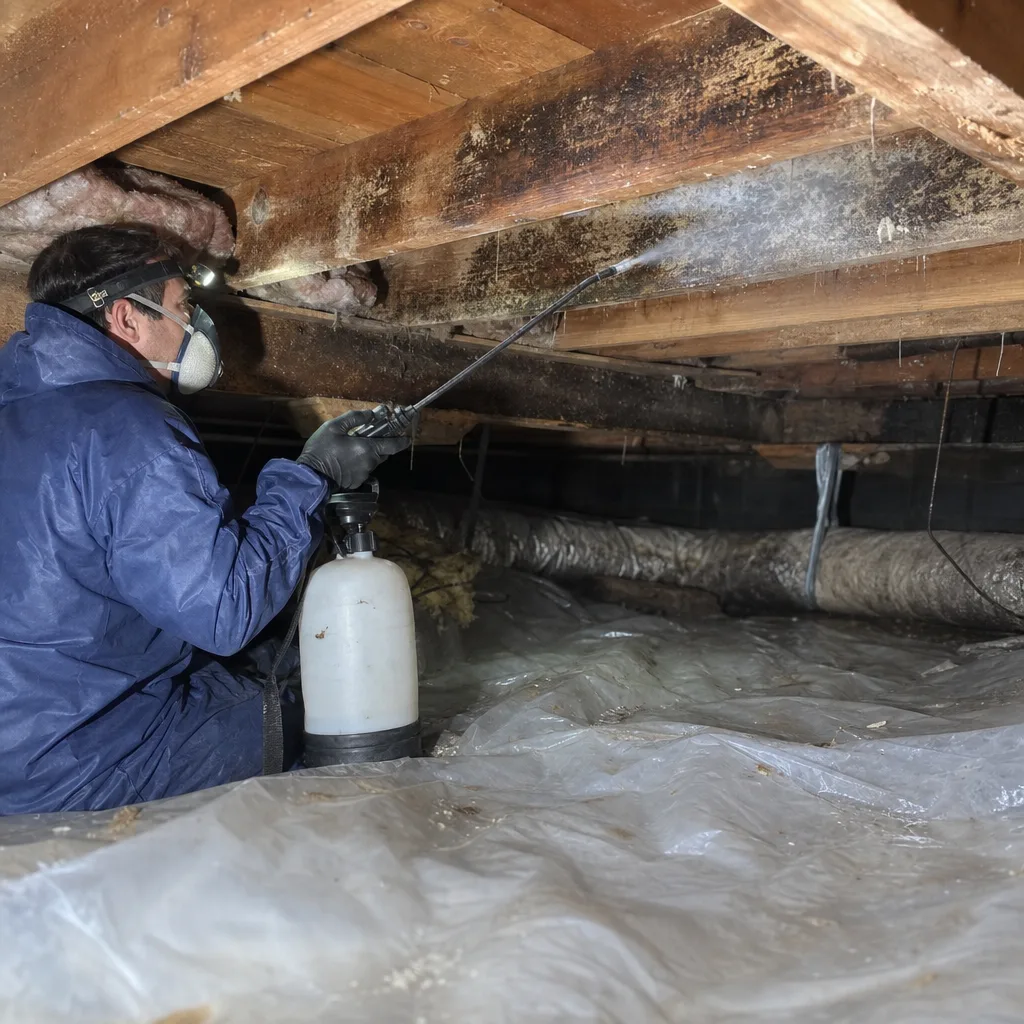
- Inspecting only after damage appears. By the time water is visible, framing moisture often exceeds 25% and mold colonization has begun. Fall inspection prevents March emergencies.
- Trusting a single sump pump without backup power. Redmond’s winter windstorms cause power outages that last hours, not minutes. A battery backup or water-powered backup pump is essential for homes with finished basements or stored valuables.
- Adding attic insulation without air sealing first. This traps moist interior air in the attic and accelerates roof sheeting moisture damage. Air seal, then insulate.
- Ignoring musty odors as “just how crawl spaces smell.” Musty odor indicates active microbial growth at levels that may affect indoor air quality. It is never normal and always warrants investigation.
- Planting shrubs against foundation walls. Root systems disrupt perimeter drains, and dense plantings prevent visual inspection and air circulation. Maintain 18-inch clearance.
- Discharging downspouts into perimeter drains without verification of capacity. Many Redmond homes have perimeter drains that are already at capacity handling groundwater. Adding roof runoff overwhelms the system.
- Failing to document “minor” water events. A small leak that self-resolved may have left moisture in wall cavities. Document every event with photos and follow-up moisture readings to establish whether professional drying was needed.
When to Call a Professional
Call for professional assessment when moisture readings exceed 16% in structural materials, when visible mold covers more than 10 square feet, when odors persist after cleaning, or when you cannot identify the moisture source. Call immediately for standing water in contact with electrical systems, sewage contamination, or water entering from an unknown source during active rainfall.
We provide free estimates in Redmond, with a written scope and price before any work begins - Haven Standard, Clause 1. If you have a competitor’s estimate, we offer a Free Second Opinion with no obligation. Our live phone coverage means you reach a person, not a voicemail tree, at any hour. DryMark Restoration Redmond home for service details, or call (425) 689-8468.
Frequently Asked Questions
DIY seasonal inspection and maintenance typically costs $200-400 annually for materials, tools, and minor repairs. Professional inspection of foundation, roof, and mechanical systems runs $300-600. Either investment prevents restoration costs that average $3,500-8,500 for crawl space water damage and $8,000-15,000 for basement flooding with mold remediation in the Redmond market. Call (425) 689-8468 for a free assessment of your home’s specific risks.
Standard homeowners policies typically exclude sump pump overflow and backup unless you carry a specific Water Backup and Sump Overflow endorsement, which costs $50-150 annually in Washington. Without this endorsement, pump failure damage is out-of-pocket. With it, coverage limits usually range from $5,000 to $25,000. We coordinate directly with adjusters and provide the photo-documented drying logs that support your claim.
Our live dispatch answers every call, and emergency water damage crews are typically on site within 60-90 minutes for Redmond addresses. Response time matters because water migrates horizontally through wall cavities at approximately 1 foot per hour and wicks upward in porous materials at measurable rates. Faster response means less affected area and lower restoration scope.
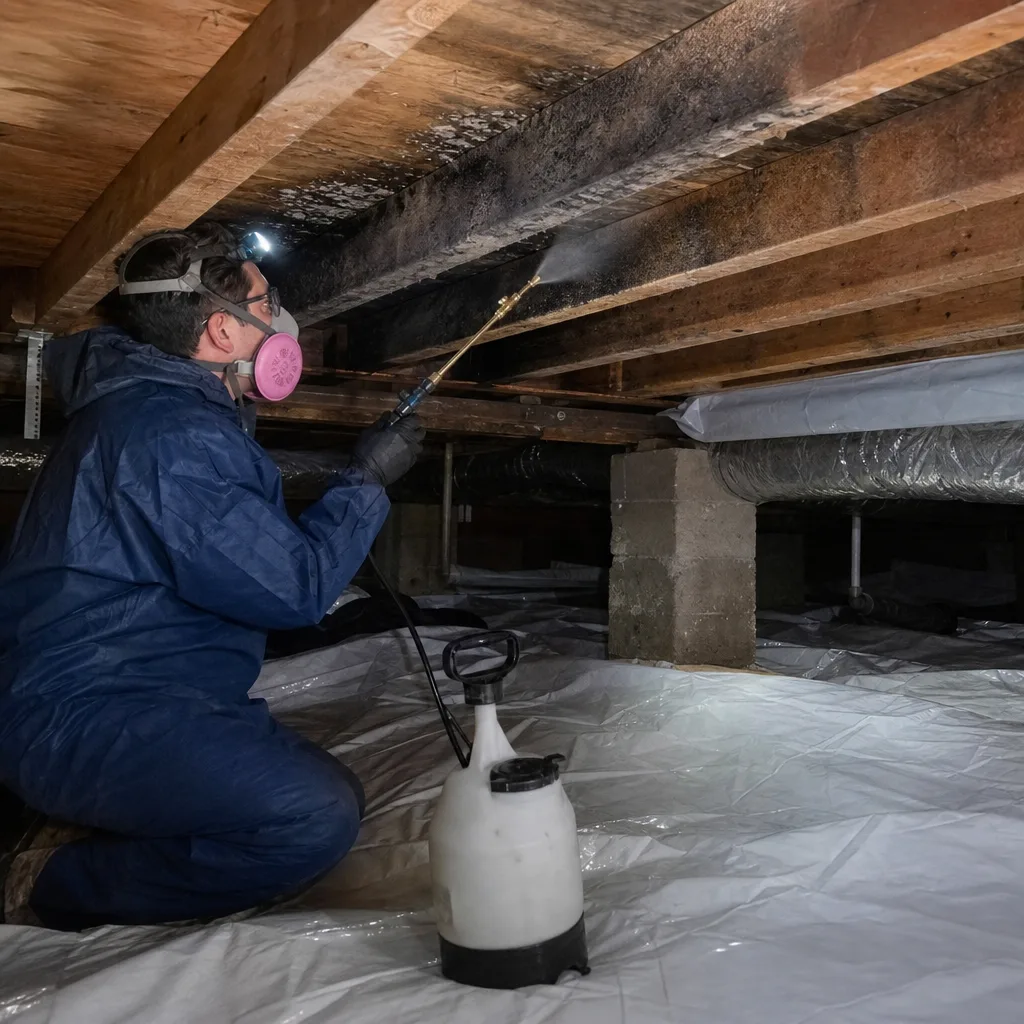
Surface cleaning addresses visible growth but not the spore reservoir in porous materials or the moisture condition that caused it. Professional mold remediation includes containment, air filtration, removal of contaminated materials, cleaning of non-porous surfaces, and verification that moisture levels are controlled to prevent recurrence. For areas exceeding 10 square feet or involving HVAC systems, professional remediation is the standard of care. We provide written scopes distinguishing cleaning from remediation so you understand what each approach addresses.
We handle adjuster coordination as a standard service, not an upsell. Our documentation - daily moisture logs, photo records, material classifications, and written scopes - is formatted to adjuster requirements. We attend site visits when requested and provide supplemental documentation if the initial scope is disputed. This is the documentation-first approach that Alicia Brennan built the company around after seeing claims denied for inadequate records.
Redmond’s combination of clay-heavy soils, significant elevation gradient, mature tree canopy, and housing stock concentrated in the 1970s-1990s creates specific patterns: cumulative soil saturation peaking in March, hillside drainage complications in mid-elevation neighborhoods, and aging infrastructure in the river corridor. These factors require location-specific prevention strategies rather than generic Pacific Northwest advice.
The Bottom Line
Redmond’s costliest restoration calls are preventable with quarter-specific maintenance and documentation. Fall foundation inspection, winter humidity monitoring, spring moisture assessment, and summer mechanical system maintenance - each with recorded evidence - break the cycle where one season’s neglect becomes the next season’s emergency. The homeowners who avoid repeat restoration are not luckier; they are more systematic. Build your file this year. If you find conditions that concern you, call for a free estimate with a written scope before any work begins.
Written by Alicia Brennan, Owner at DryMark Restoration Redmond, serving Redmond since 2011.