
Last updated September 23, 2026
Free visual inspection and a written scope of work before any mitigation begins - photos, moisture readings, and drying logs go in your claim file
The scope we write is the scope we bill. Anything new gets shown to you, in writing, before we touch it.
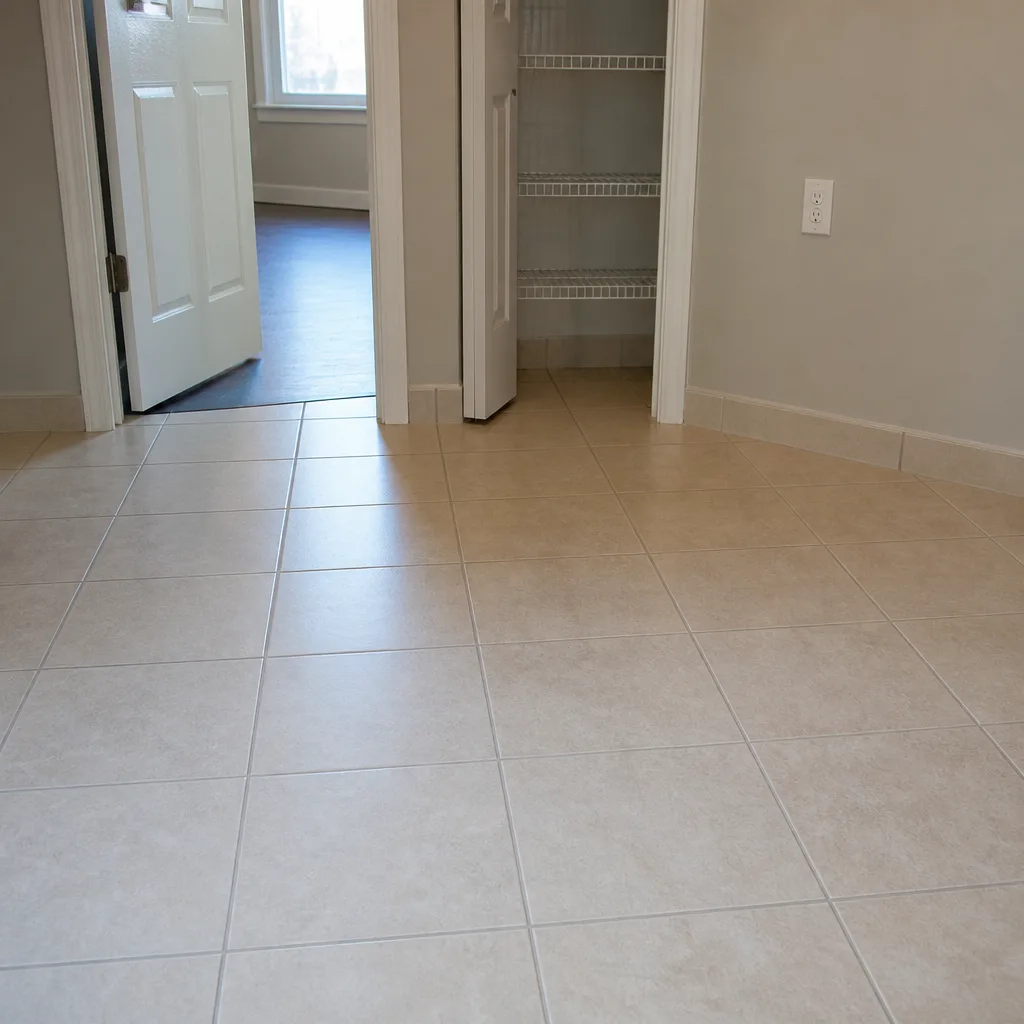

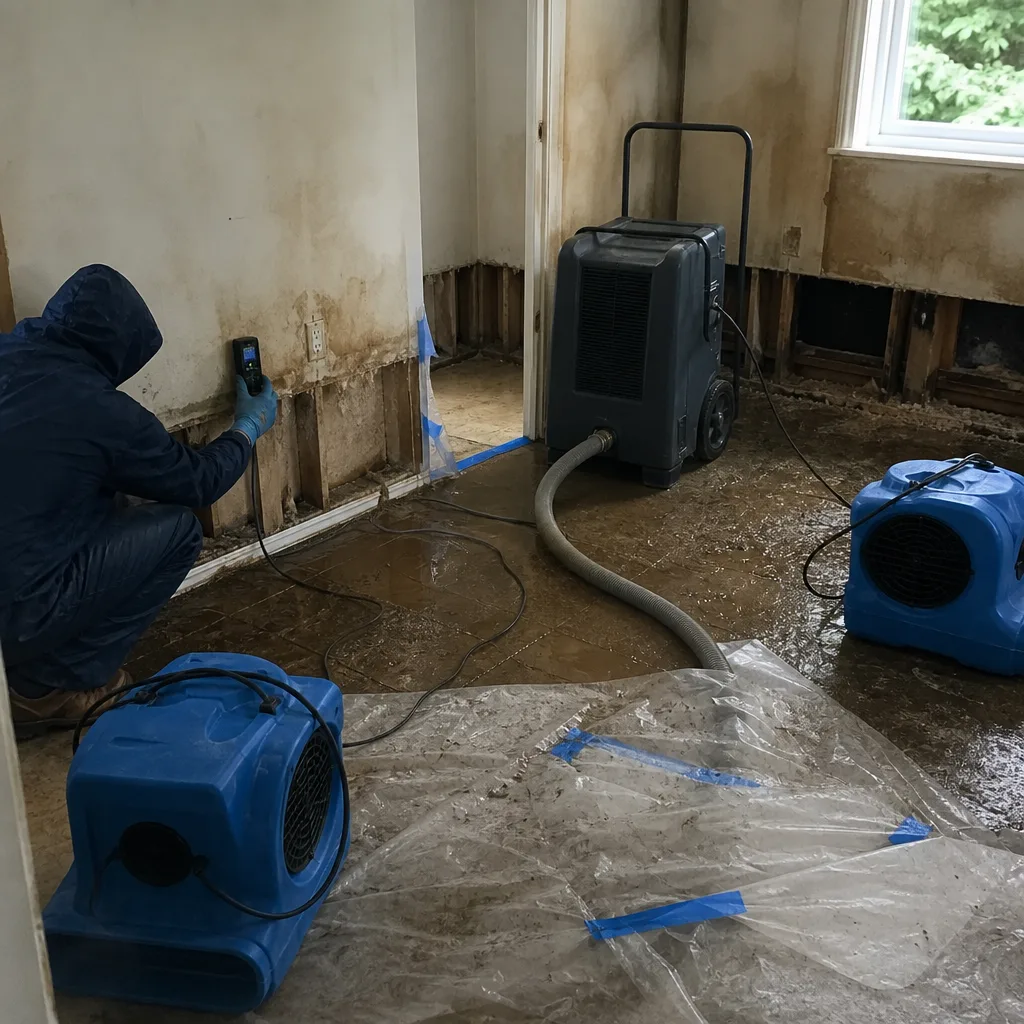 Before
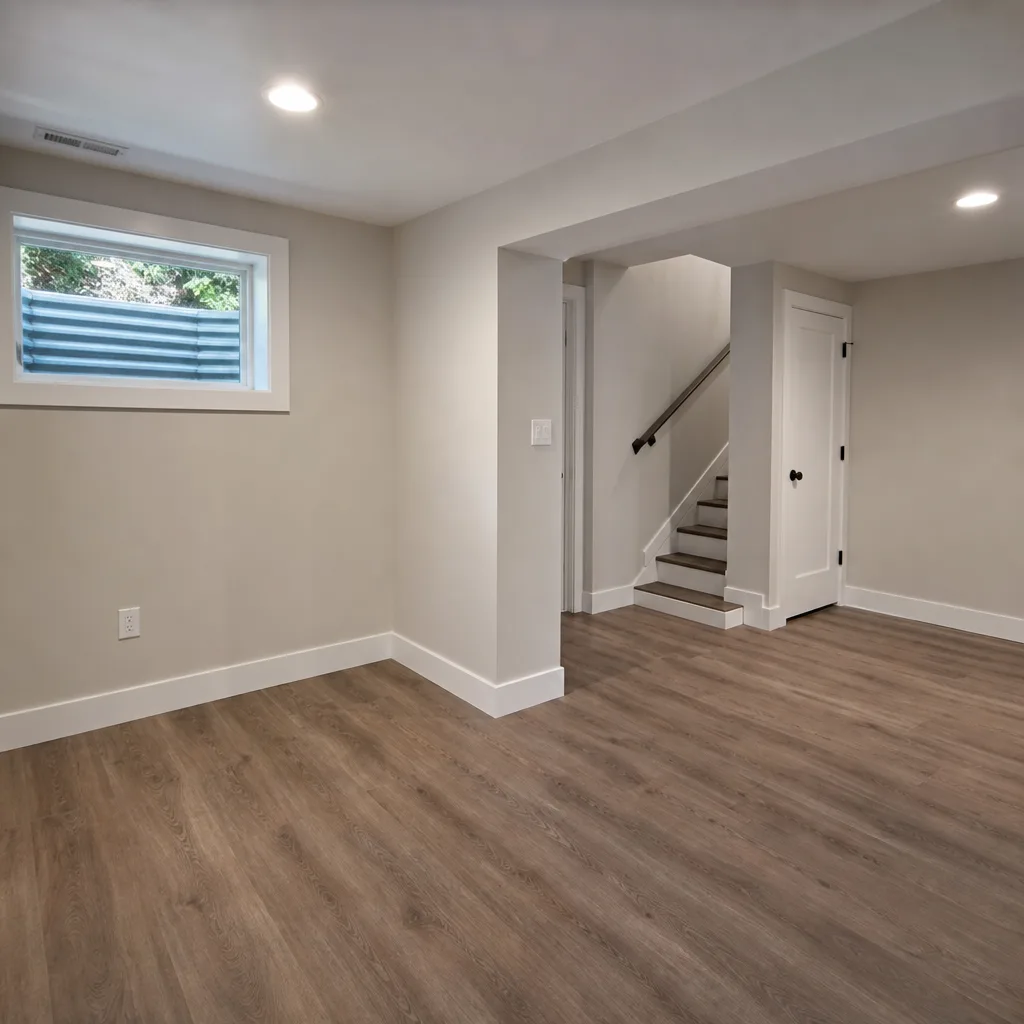 After
After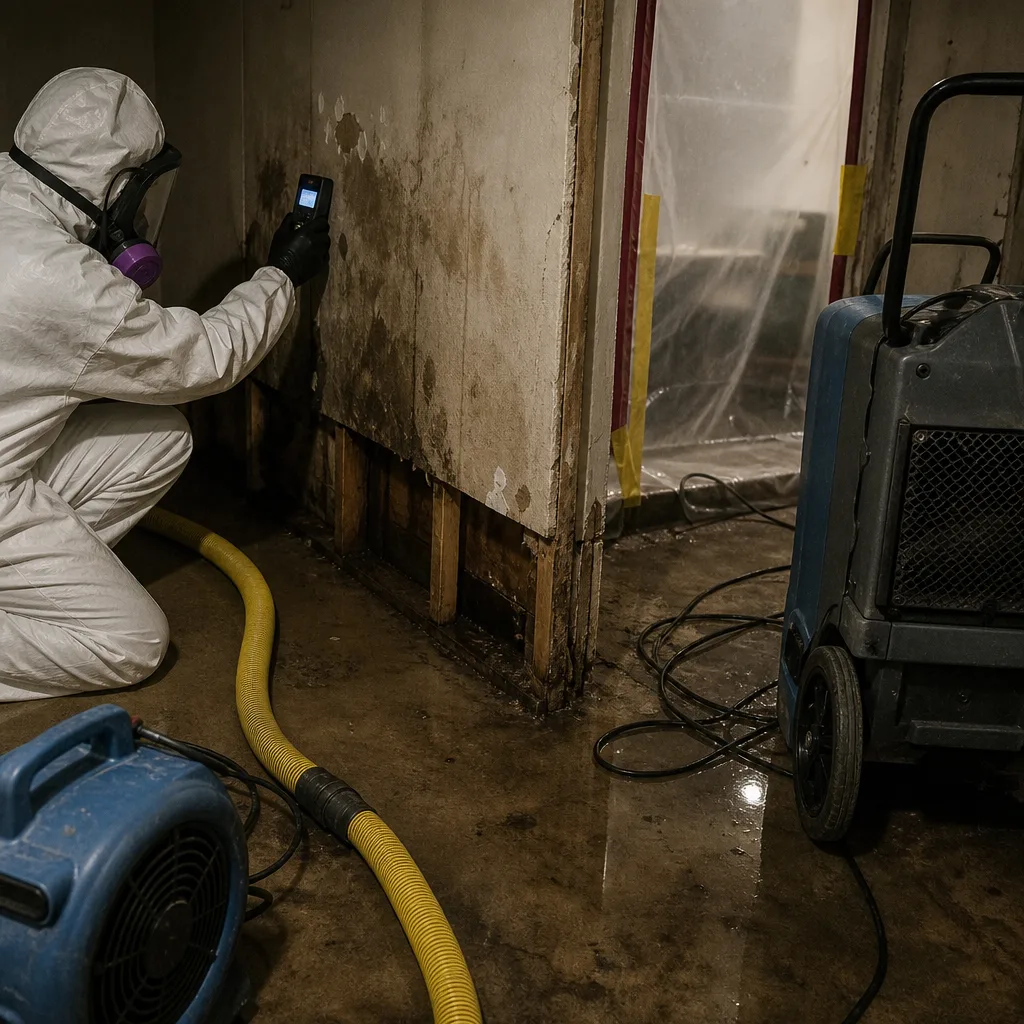 Before
 After
After Before
 After
AfterWater Damage Restoration Maintenance Checklist for Redmond Homeowners
Most water damage maintenance checklists fail Redmond homeowners at the exact moment they’re needed. We’ve reviewed hundreds of denied insurance claims in King County, and the pattern is consistent: a homeowner checked that their sump pump “worked,” but never tested it under load. They looked at their crawl space, but never recorded a moisture reading. They cleaned their gutters, but missed the downspout discharge point that was dumping against the foundation during Redmond’s February freeze-thaw cycles. In this guide, you’ll get a checklist built around measurable pass/fail thresholds, not vague tasks. Each item includes the specific reading, photo, or test that proves the maintenance was actually done, documented to standards insurers in Redmond recognize.
Quick Answer
A proper water damage restoration maintenance checklist for Redmond homeowners includes monthly moisture readings in crawl spaces and basements (target: below 60% relative humidity), quarterly sump pump load tests with documented discharge rates, semi-annual gutter and downspout inspections before October storms and February freeze-thaw cycles, annual attic ventilation checks with infrared documentation, and a pre-loss photo record updated each spring. For a deeper dive, see our The Complete Guide to Damage Restoration in Redmond. These thresholds are set for Redmond’s marine west coast climate, where groundwater stays active year-round and seasonal temperature swings drive condensation in building cavities.
Table of Contents
- Why Thresholds Beat Tasks: The Problem with Most Checklists
- Redmond Climate Factors That Change Your Maintenance Targets
- Monthly Moisture Readings: Where, How, and What the Numbers Mean
- Quarterly Mechanical Systems: Sump Pumps, Backflow Valves, and HVAC Condensate
- Seasonal Exterior Maintenance: October and February Are Your Critical Windows
- Annual Documentation Protocol: Building Your Defensible Pre-Loss Record
- Common Mistakes to Avoid
- When to Call a Professional
- Frequently Asked Questions
- The Bottom Line
 Before
 After
AfterWhy Thresholds Beat Tasks: The Problem with Most Checklists
We see the aftermath in Redmond homes every week. A homeowner followed a checklist they found online: “Check sump pump.” The pump ran when they lifted the float. Six weeks later, their basement flooded during a January atmospheric river. The pump had failed under actual load, the discharge line was frozen at the termination point, and the homeowner had no documentation to show their insurer that maintenance had been performed.
The checklist item should have read: “Test sump pump under load. Record discharge rate in gallons per minute. Photograph clear discharge at termination point. Log date and reading.” That’s a threshold, not a task.
This distinction matters for three reasons specific to Redmond’s housing stock and insurance market:
- Baseline moisture documentation prevents coverage disputes. Insurers increasingly challenge whether water damage is “sudden and accidental” or the result of long-term neglect. A documented annual moisture log showing 55% relative humidity in your crawl space for three consecutive years makes it much harder to deny a claim when a supply line ruptures and wets the same area.
- Redmond’s climate produces invisible problems. Marine west coast conditions mean crawl spaces and basements can sustain active mold growth at moisture levels that wouldn’t trigger alarms in drier climates. The threshold for concern here is lower than national averages suggest.
- Written scopes before work begins are not standard in this industry. At DryMark Restoration Redmond home, we built our process around the documentation gap that costs homeowners their claims. Haven Standard, Clause 1 requires a written price before any work starts, every time. Your maintenance documentation should meet the same standard.
The checklist below replaces every vague instruction with a measurable outcome. Where we specify a reading, we also specify the tool, the location, and the pass/fail threshold. Where we specify a photo, we specify what the photo must show to be useful in a claim dispute.
Redmond Climate Factors That Change Your Maintenance Targets
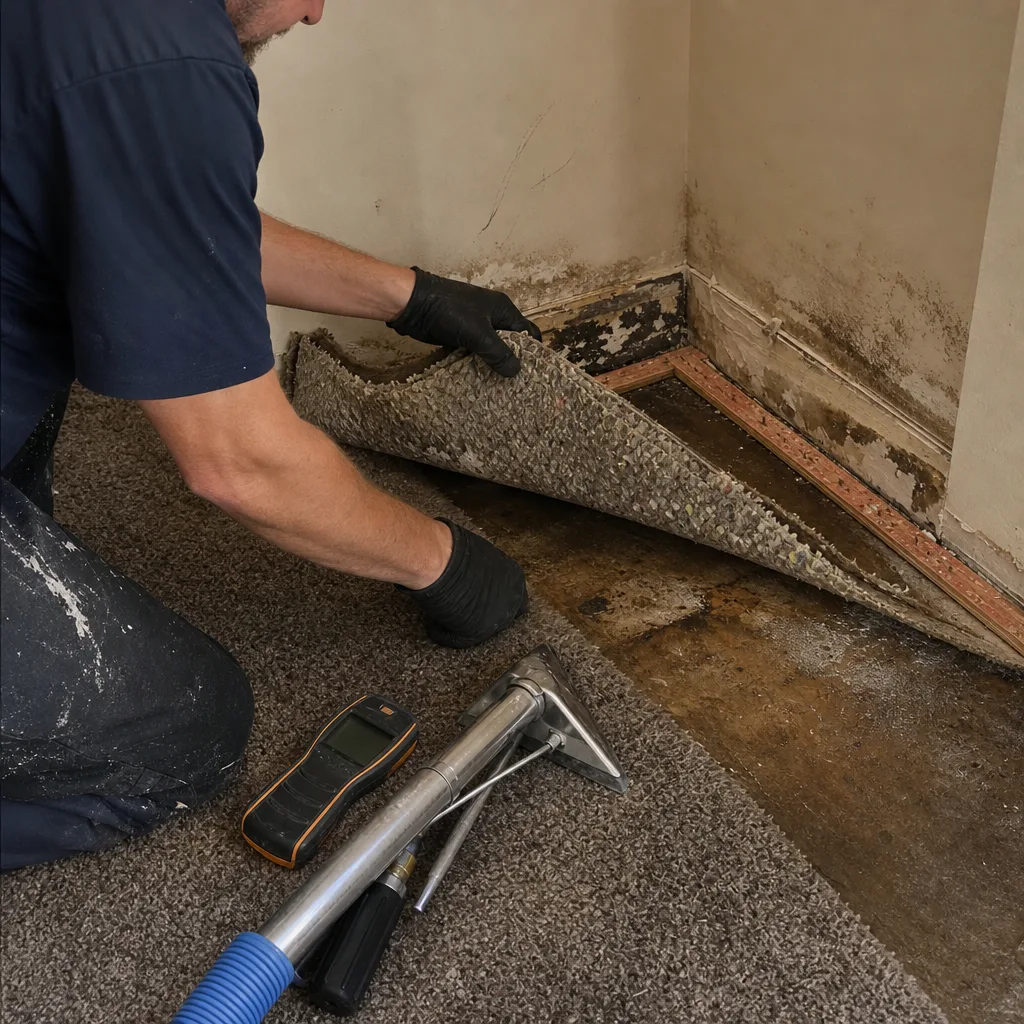
Redmond sits at roughly 430 feet elevation on the eastern edge of the Lake Washington basin, with the Sammamish River drainage influencing groundwater patterns across the city. This geography creates maintenance conditions that differ materially from Seattle, Bellevue, or Kirkland.
Groundwater and soil conditions: The area from Education Hill to Redmond Ridge sits on glacial till and outwash soils with high seasonal water tables. We’ve documented standing water in crawl spaces in the Overlake and Grass Lawn neighborhoods during November through March that simply isn’t present in summer readings. Your moisture thresholds need to account for this seasonality, not treat a January reading of 70% relative humidity as equivalent to July’s 45%.
Freeze-thaw cycling: Redmond averages 15-25 nights below freezing annually, concentrated in December through February. This matters because exterior hose bibs, irrigation backflow preventers, and foundation drainage systems all experience stress cycles that don’t occur in milder microclimates. The checklist specifies November winterization and February verification for these components.
Atmospheric river exposure: The Cascade foothills to the east create orographic enhancement during Pacific storm systems. Redmond receives measurable precipitation on roughly 160 days annually, with October through March accounting for 75% of annual totals. Your gutter, downspout, and surface drainage maintenance must be complete before the October ramp-up, not “sometime in fall.”
Indoor humidity baselines: Homes in Redmond’s newer developments, particularly Redmond Ridge and Trilogy, tend to be tighter envelopes with mechanical ventilation. Older homes in the historic core near Redmond Town Center often rely on natural infiltration. The target indoor relative humidity range, 30-50%, applies to both, but the path to achieving it differs. Tight homes need active ventilation management; leaky homes need spot moisture control in the cavities where exterior air meets conditioned surfaces.
These factors inform every threshold in the checklist that follows. A moisture reading that passes in Phoenix fails in Redmond. A gutter maintenance schedule that works in Spokane is two weeks late here.
Monthly Moisture Readings: Where, How, and What the Numbers Mean
This is the core of preventive maintenance: catching elevated moisture before visible damage appears. We recommend a 15-minute monthly protocol using a thermo-hygrometer with data logging capability. Units from Dri-Eaz and Phoenix that log minimum, maximum, and average readings over 24 hours cost between $80 and $200 and produce documentation that insurers accept.
Reading Locations and Thresholds
| Location | Tool Placement | Pass Threshold | Fail Response |
|---|---|---|---|
| Crawl space center | 3 feet from foundation wall, 12 inches above soil | <60% RH sustained | Inspect vapor barrier, grade drainage, foundation vents; call if >70% for 48+ hours |
| Basement corner (north or east) | 4 feet above floor, away from HVAC registers | <55% RH sustained | Check for foundation seepage, dehumidifier function, rim joist condensation |
| Attic (near ridge) | 6 inches below ridge vent, not touching insulation | <70% RH, within 15% of outdoor reading | Inspect ventilation path, bathroom fan termination, roof leak indicators |
| Under-sink cabinet (kitchen) | Back wall, near supply lines | <50% RH | Check for supply line seepage, drain seal integrity, vent fan function |
What these numbers mean in practice: Relative humidity above 60% in a crawl space creates conditions where wood moisture content rises above 20%, the threshold for fungal growth on cellulose materials. In Redmond’s climate, we’ve found that crawl spaces with RH sustained above 65% through November and December have a 40% higher incidence of mold-related claims by March. The reading is your early warning.
Documentation standard: Photograph the meter display showing date, time, location, and reading. Store in a dated folder. This is your moisture log, equivalent to the daily drying logs we produce on every Water Damage Restoration in Redmond job, documented to IICRC and RIA standards.
Monthly Protocol (15 Minutes)
- Retrieve data logger from each location, or take spot readings with calibrated meter.
- Record minimum, maximum, and current RH and temperature for each location.
- Photograph meter display with location identifier visible.
- Compare to previous month’s trend. Any location showing 10% or greater increase month-over-month triggers inspection.
- Log any corrective action taken, with photo documentation.
Quarterly Mechanical Systems: Sump Pumps, Backflow Valves, and HVAC Condensate
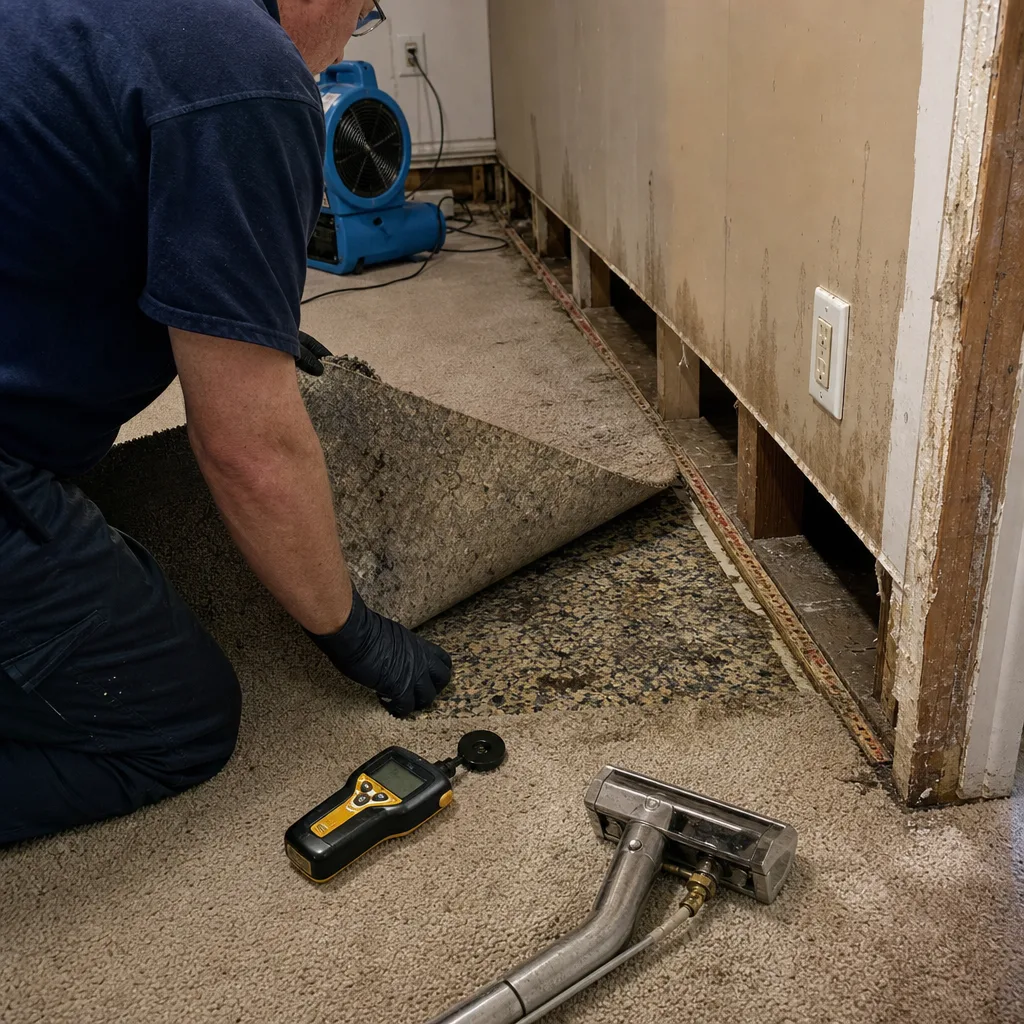
Mechanical systems fail under load, not at idle. Quarterly testing puts them under conditions that approximate actual demand.
Sump Pump Load Test
Pour 15 gallons of water into the sump pit rapidly enough to trigger the pump. Time the discharge from pump activation to pit empty. Record:
- Discharge time in seconds (target: under 60 seconds for 15 gallons)
- Clear flow at exterior termination point (photograph)
- Pump cycle completion without hesitation or air-lock
- Check valve function (no backflow into pit after shutoff)
In Redmond, pay particular attention to the exterior discharge point. We’ve restored basements in the Bear Creek and North Redmond areas where the discharge line terminated above grade with insufficient slope, creating a freeze point that disabled the entire system during February cold snaps. The termination must shed water completely, with no standing water in the line.
Irrigation Backflow Preventer
Test only during active season (May-September in Redmond). For winter months, verify drain-down and indoor storage of removable components per manufacturer specification. A failed backflow preventer can introduce contaminated water into your potable supply during pressure fluctuations, and the resulting category 3 water damage requires specialized remediation protocols.
HVAC Condensate Management
Inspect condensate drain line, pump (if present), and overflow switch quarterly. In Redmond’s cooling season, which runs June through September for most homes, a clogged condensate line can produce 20+ gallons of water daily. The overflow switch should be tested by temporarily blocking the drain and verifying shutdown. Document the test with a photo of the switch label and test date.
Seasonal Exterior Maintenance: October and February Are Your Critical Windows
Redmond’s water damage calendar has two inflection points. Miss either, and you’re likely calling for emergency service.
October: Before the Atmospheric River Season
Complete by October 15:
- Gutter and downspout clearance: Remove all debris. Test with hose at roof level; water should flow freely through every downspout. Photograph each downspout discharge point showing clear flow away from foundation. In Redmond’s dense tree canopy, particularly in neighborhoods like Education Hill and the areas near Farrell-McWhirter Park, gutter guards often fail by October due to fine needle accumulation. Check beneath guards.
- Surface grading verification: Soil should slope away from foundation at minimum 6 inches of drop over 10 feet. Measure with level and tape. Photograph grade at problem points. Redmond’s clay-heavy soils in some developments settle and reverse grade within 3-5 years of construction.
- Foundation vent and crawl space access inspection: Verify screens intact, vents openable for summer ventilation, sealed for winter if your protocol includes seasonal closure. Document with dated photo.
- Hose bib winterization: Shut interior valves, drain exterior fixtures, install insulated covers. Photograph each fixture post-winterization.
February: Freeze-Thaw Verification
Complete during first sustained thaw (typically mid-February in Redmond):
- Foundation perimeter inspection after snow/ice melt: Walk full perimeter. Look for ice damming at grade, blocked drainage paths, or water sheeting against foundation. Photograph any accumulation points.
- Sump pump re-verification: Run load test again. Groundwater tables peak in late winter; pump duty cycles increase. Verify discharge line is fully thawed and flowing.
- Attic inspection for frost accumulation: Check ridge and eave areas for frost on sheathing, indicating warm, moist air infiltration. Photograph any frost; it predicts spring melt water damage.
- Interior moisture reading comparison: Compare February readings to October baseline. Any location showing 15% or greater RH increase triggers targeted inspection for air leakage or foundation seepage.
These two maintenance windows, October and February, account for the majority of preventable water damage calls we receive in Redmond. The homeowners who complete them with documented thresholds rarely need our emergency services. Those who rely on “I’ll get to it when I notice a problem” are overrepresented in our Water Damage Restoration in Redmond call logs.
Annual Documentation Protocol: Building Your Defensible Pre-Loss Record
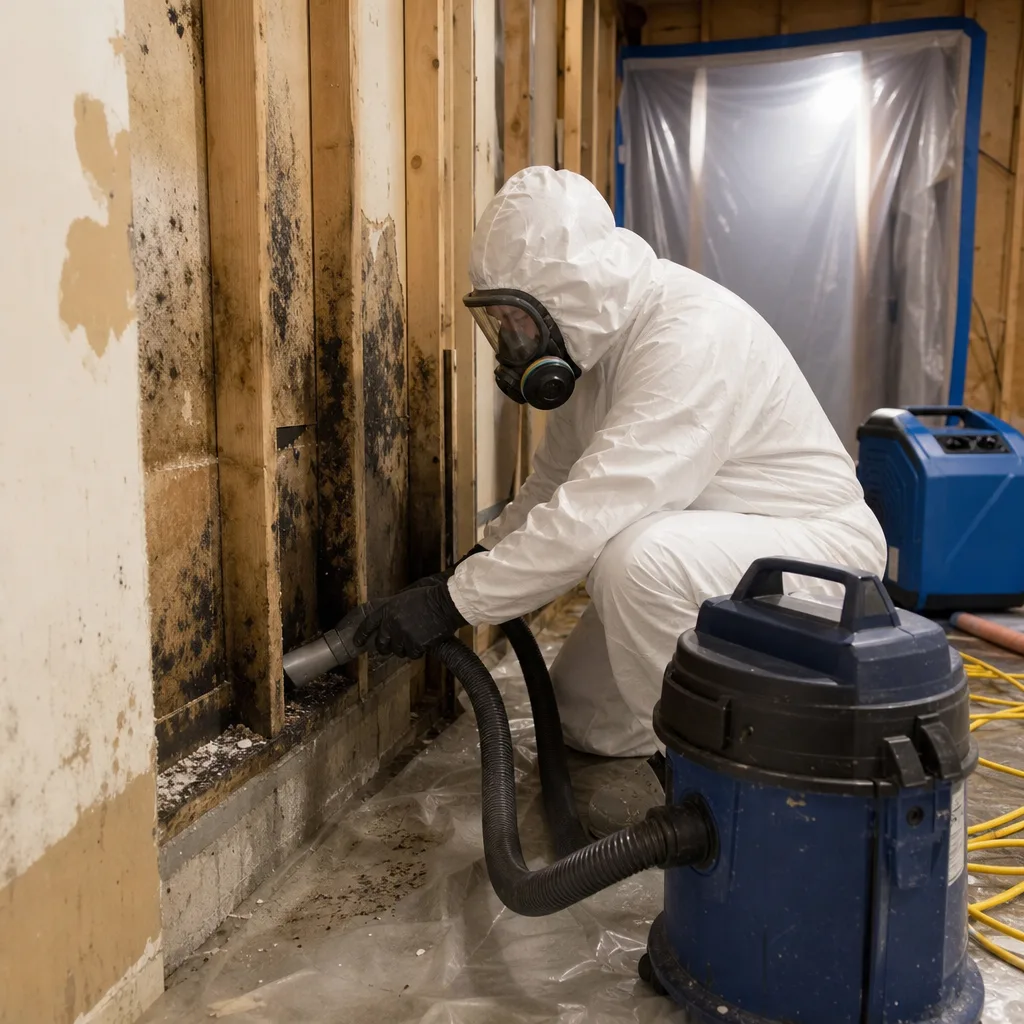
This section addresses the single most common cause of coverage disputes we’ve encountered in 12,000+ homes since 2011: the absence of baseline documentation. When an insurer questions whether water damage is new or long-standing, the homeowner with a dated photo record and moisture log has an answer. The homeowner without one has an argument.
We recommend completing this protocol each April, when Redmond’s weather is stable and crawl spaces are typically at their driest annual point.
The Annual Photo-and-Reading Record
- Exterior envelope: Systematic photographs of all four elevations, roof condition, gutter terminations, downspout discharge points, and grade at foundation. Include a dated newspaper or digital timestamp in frame.
- Crawl space or basement: Wide shots showing full perimeter, vapor barrier condition, and any prior repairs. Close-ups of sill plates, rim joists, and known problem areas. Thermo-hygrometer readings at minimum three points, with meter visible in photo.
- Attic: Sheathing condition, ventilation path clear, insulation depth and distribution, any signs of prior water staining. Infrared image if available, showing thermal patterns that indicate air leakage or moisture.
- Mechanical rooms: Water heater, HVAC unit, sump pump, and main shutoff valve. Close-ups of data plates showing manufacture dates. Equipment age matters for replacement coverage.
- Interior wet areas: Kitchen, bathrooms, laundry. Under-sink cabinet interiors with supply line and shutoff visible. Shower surrounds and tub access panels.
Storage and distribution: Upload to cloud storage with date-stamped folder structure. Email copy to your insurance agent with request for acknowledgment. This creates a third-party timestamp that strengthens the record’s defensibility.
Integration with professional documentation: If you’ve had prior Water Damage Restoration services, include the drying log and final moisture readings from that project. At DryMark Restoration Redmond, we provide these as standard deliverables on every job, documented to IICRC, RIA, and IFA standards. A professional drying log showing post-restoration moisture content of 12% in structural wood becomes your baseline for future claims in the same area.
The Haven Standard requires a written price before work starts and a photo record on every visit. Your annual maintenance documentation should meet the same standard. When both parties, homeowner and restoration contractor, produce documented records, claim disputes become rare.
Common Mistakes to Avoid
- Testing the sump pump without measuring discharge. A pump that runs but moves 2 gallons per minute instead of its rated 15 will fail during actual demand. The task is “verify rated discharge,” not “hear it run.”
- Using a single moisture reading as annual proof. One July reading of 45% RH in your crawl space means nothing if your February reading was 75% and you didn’t log it. Trend data, not spot checks, tell the story.
- Ignoring the vapor barrier as a maintenance item. In Redmond’s high groundwater conditions, a compromised vapor barrier is the leading contributor to crawl space moisture we see. Tears, displacement, and inadequate coverage (less than 6-mil polyethylene, not fully sealed at seams and perimeter) are maintenance failures that show up as mold claims.
- Winterizing hose bibs but not the irrigation backflow preventer. The backflow assembly is typically the most exposed plumbing component in a Redmond home. Its failure produces category 2 or 3 water damage that complicates both restoration and coverage.
- Documenting with phone photos that lack location context. A photo of a moisture meter showing “58%” is useless without the location, date, and surrounding area visible. Include a label or written placard in every documentation photo.
- Assuming new construction doesn’t need maintenance. Some of our most significant Redmond claims have been in homes built 2018-2022, where construction-phase moisture (wet framing, concrete cure) was never fully dried before enclosure, creating latent conditions that manifest in years 3-5.
When to Call a Professional
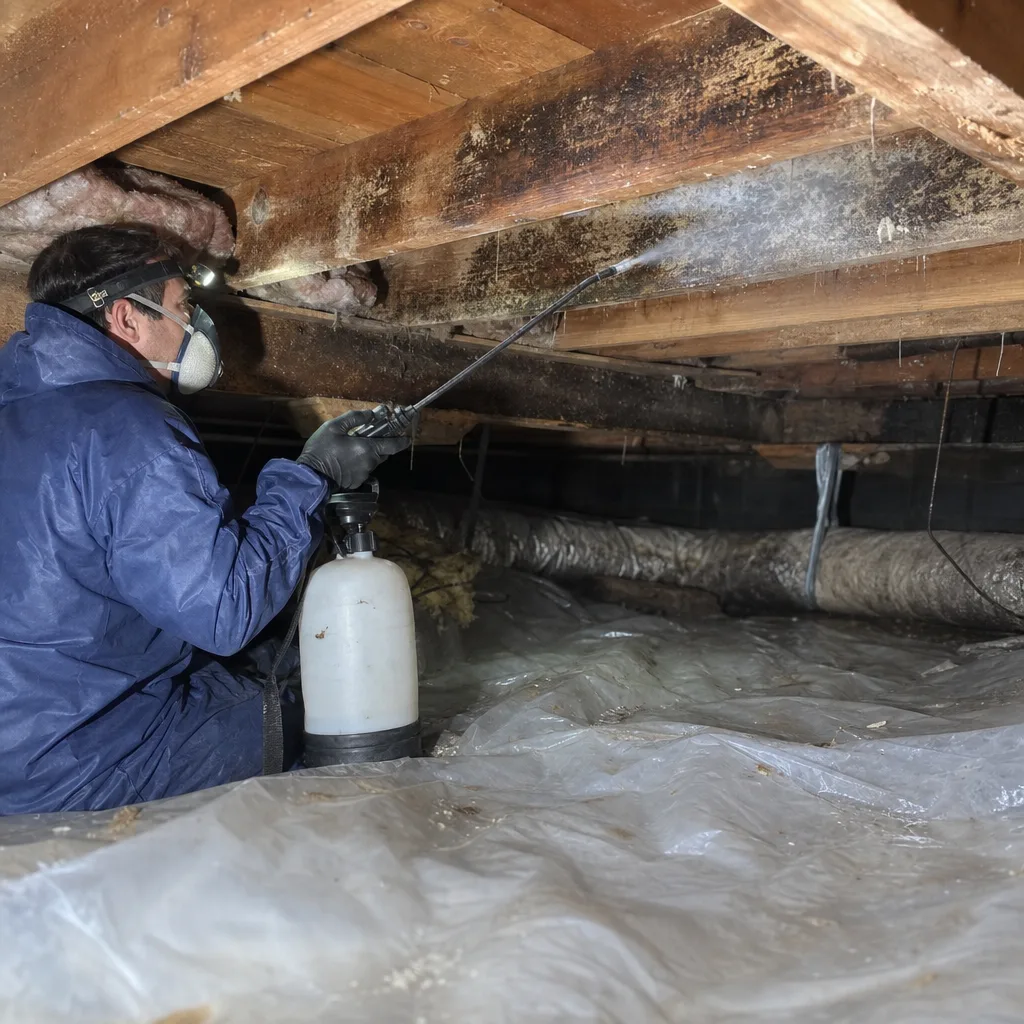
Some conditions exceed homeowner maintenance scope and require documented professional assessment. Call for evaluation when:
- Moisture readings exceed 70% RH in any location for more than 48 hours, or show a sustained upward trend over three consecutive monthly readings
- You discover active water intrusion during any maintenance inspection, including foundation seepage, roof leaks, or plumbing supply line corrosion
- Your annual documentation reveals changes in building materials: new staining, swelling, or deformation of wood, drywall, or flooring
- You need a second opinion on any contractor’s estimate for water damage-related work
DryMark Restoration Redmond offers free estimates in Redmond. Our assessments include written scope, photo documentation, and moisture readings using professional-grade equipment from Dri-Eaz, Phoenix, and Injectidry systems. Every job is quoted in writing before work begins, with no exceptions, under Haven Standard, Clause 1. Call (425) 689-8468 for scheduling.
For concerns about secondary damage or indoor air quality impacts from sustained moisture, our Mold Remediation in Redmond team provides the same documented assessment protocol, with air sampling and moisture mapping as warranted.
Frequently Asked Questions
Professional moisture assessment with full documentation typically ranges from $150 to $400 for residential properties in Redmond, depending on square footage and number of affected or at-risk areas. For detailed pricing context, see our Damage Restoration Cost Breakdown: The Redmond Homeowner’s Reference for 2026. This includes thermo-hygrometer readings at multiple points, infrared thermal imaging to identify hidden moisture patterns, and a written report with photo documentation suitable for insurance submission. DryMark Restoration Redmond provides free estimates, and our written scope includes exact pricing before any work begins. Call (425) 689-8468 for an exact quote.
Coverage depends on whether the damage is “sudden and accidental” versus the result of long-term neglect, and your documentation is the primary evidence. Insurers increasingly deny claims where they can demonstrate that the homeowner knew or should have known of a condition and failed to address it. A documented maintenance record, even if it shows you identified a problem and were in process of addressing it, strengthens your position significantly. The annual photo-and-reading protocol described above is designed specifically to create this defensible record. For claims involving fire suppression water or storm damage, see our Fire & Smoke Damage Restoration in Redmond page for additional documentation requirements.
There is no single moisture level that guarantees mold growth, but sustained conditions above 60% relative humidity with organic material present create risk, and 70% RH sustained for 48+ hours is widely accepted in the restoration industry as requiring immediate intervention. Wood moisture content above 20% is the more precise threshold for fungal growth on cellulose materials. Visual mold can appear at lower levels if other factors (stagnant air, temperature, nutrient source) are favorable. The key is trend and duration, not a single reading. If your crawl space or basement has been above 65% RH for more than a week, professional assessment is warranted.
DryMark Restoration Redmond maintains live phone coverage 24 hours a day, 7 days a week, with no voicemail on emergency lines. For active water intrusion, our response prioritization is based on category of water (clean, gray, or black) and extent of affected area. Emergency mitigation for category 1 or 2 water damage typically begins with arrival and assessment; reconstruction and full rebuild services are scoped, scheduled, and priced in writing, not dispatched for same-day start. The speed that matters for mitigation is the speed of water extraction and drying initiation, which affects whether materials can be saved or must be removed.
The answer depends on three factors: the category of water, the duration before discovery, and the materials affected. A category 1 (clean water) supply line leak caught within 24 hours and affecting only hard surfaces may require only extraction and drying. The same leak running for 72 hours, or affecting carpet over particle board, or originating from a category 2 source, likely requires material removal and antimicrobial treatment. Our assessment protocol includes moisture mapping to determine the actual affected area, which is often larger than visible damage suggests. We provide a written scope with line-item pricing before any work begins, so you can evaluate whether the recommended scope matches your situation.
At DryMark Restoration Redmond, we coordinate directly with your adjuster as part of our standard service. This includes photo documentation on every visit, daily drying logs with psychrometric data, and a written scope that aligns with insurance industry standard estimating platforms. Our documentation is designed to the standards that adjusters recognize, because our founder built this company around the documentation gap that costs homeowners their claims. You remain the policyholder and decision-maker, but the administrative burden of documentation and negotiation falls to our team. A Free Second Opinion on any competitor’s written estimate is also available if you want to verify scope or pricing.
The Bottom Line
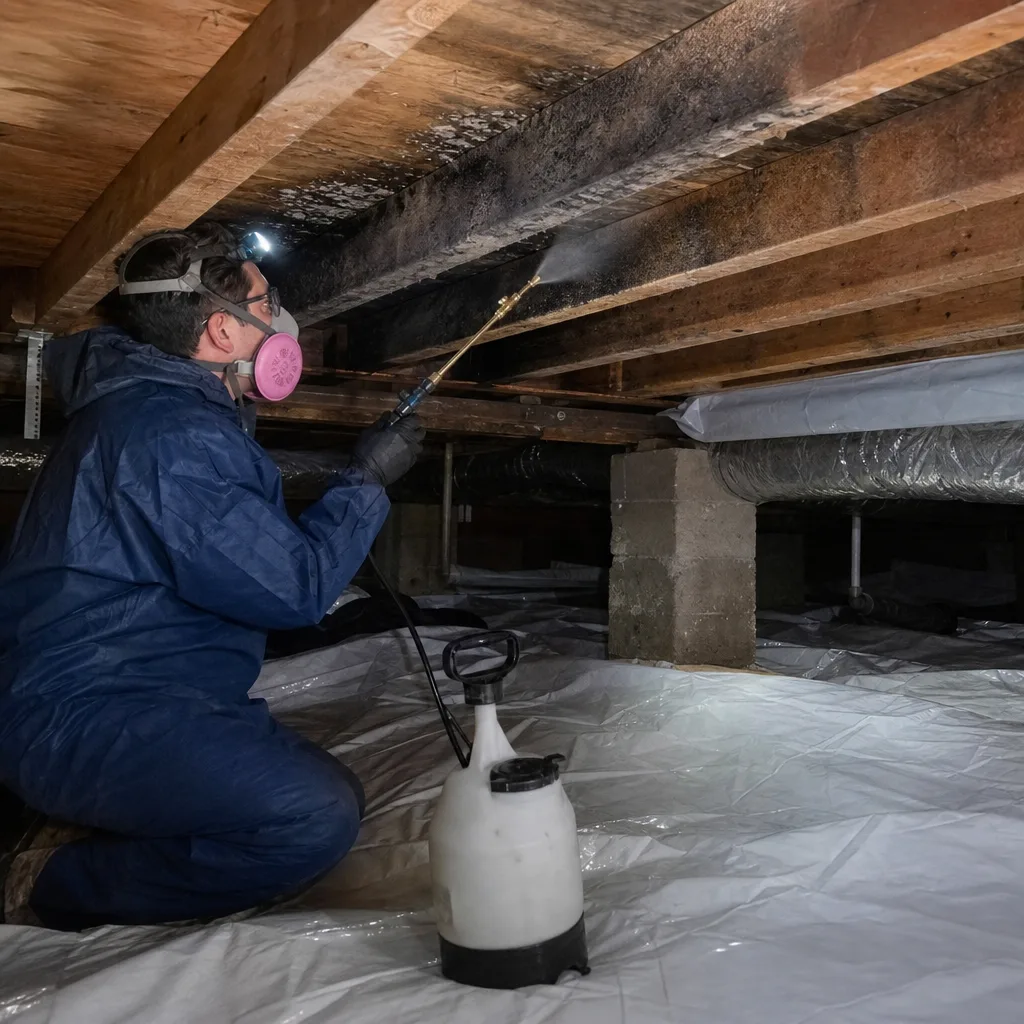
Water damage prevention in Redmond is not a list of tasks to complete. It is a system of measurable thresholds, documented readings, and seasonal protocols calibrated to this specific climate and geography. The homeowners who avoid emergency restoration calls are not luckier; they are more precise. They know their crawl space runs 8% higher RH in February than July, and they know why. They have a photo from October 14 showing clear downspout discharge, and another from February 22 showing no ice damming at the foundation. When a supply line fails or a storm overwhelms their drainage, they have a record that protects their claim and their investment.
The checklist above is built from 12,000+ homes restored since 2011, every one with a written price before work started and a documented record when the crew left. The patterns in those records are clear: maintenance with thresholds prevents damage; maintenance without thresholds provides false confidence. Choose precision.
Written by Alicia Brennan, Owner at DryMark Restoration Redmond, serving Redmond since 2011.