
Last updated September 23, 2026
Free visual inspection and a written scope of work before any mitigation begins - photos, moisture readings, and drying logs go in your claim file
The scope we write is the scope we bill. Anything new gets shown to you, in writing, before we touch it.
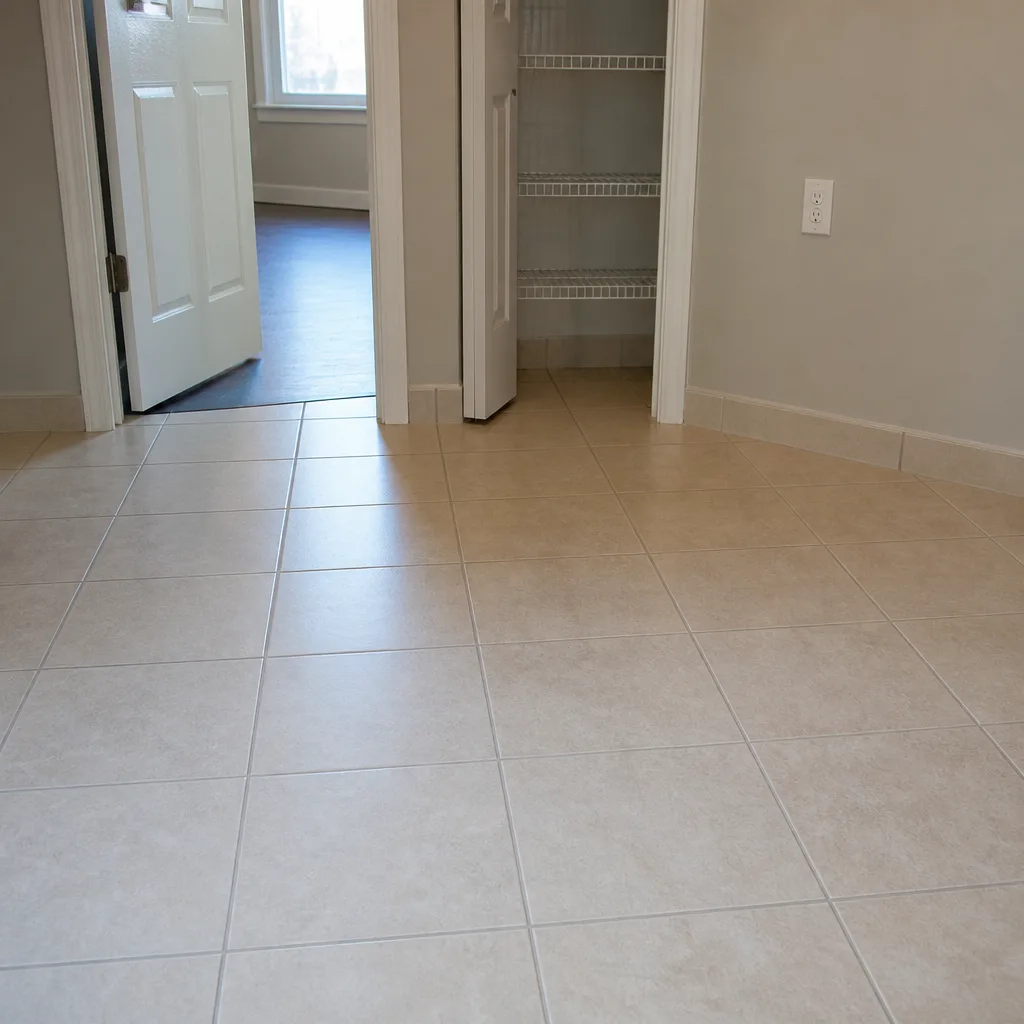
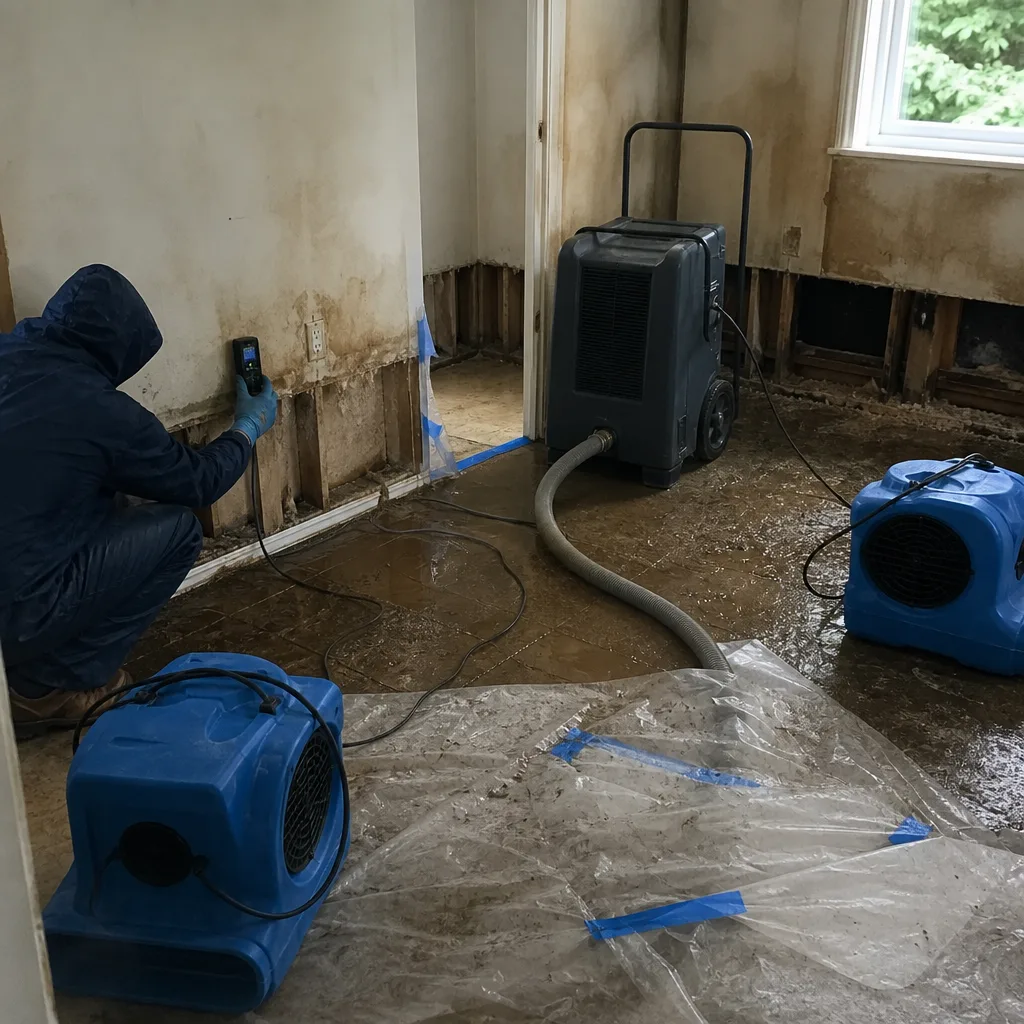 Before
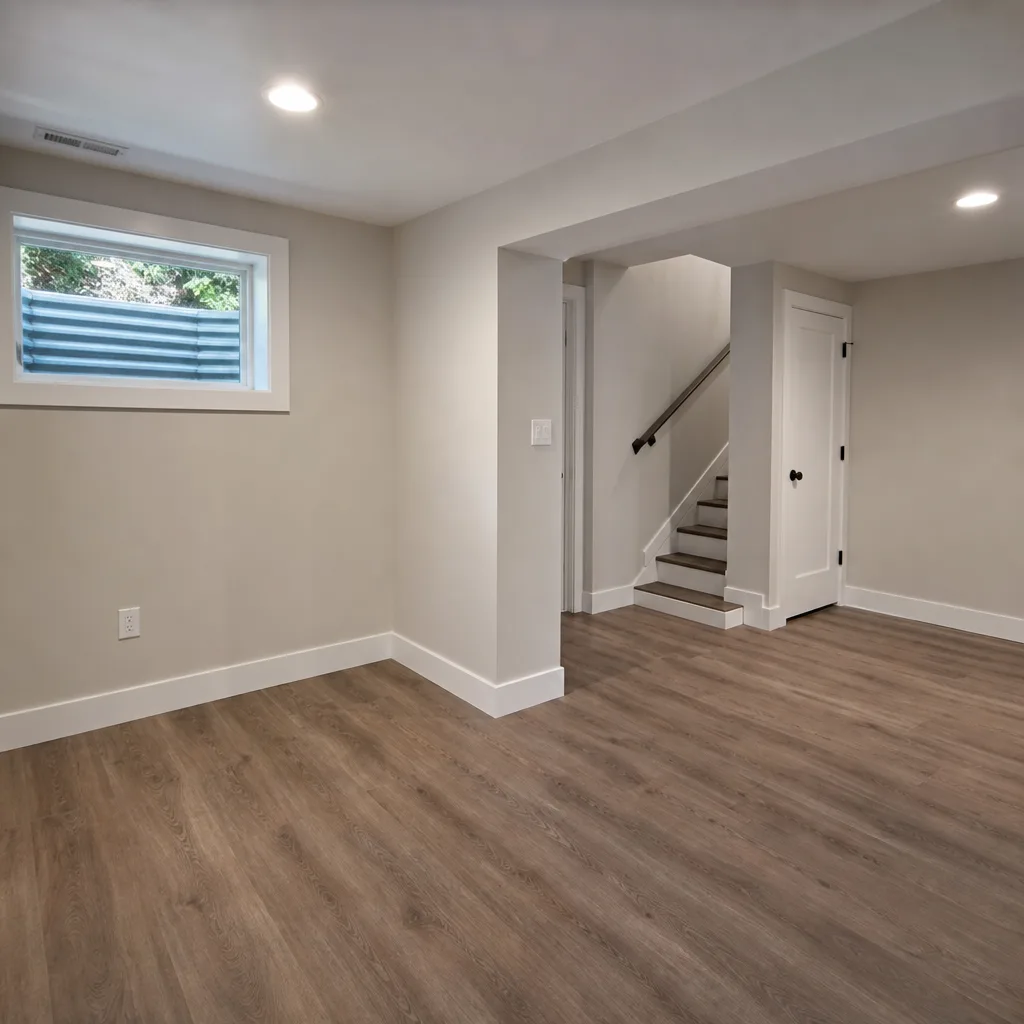 After
After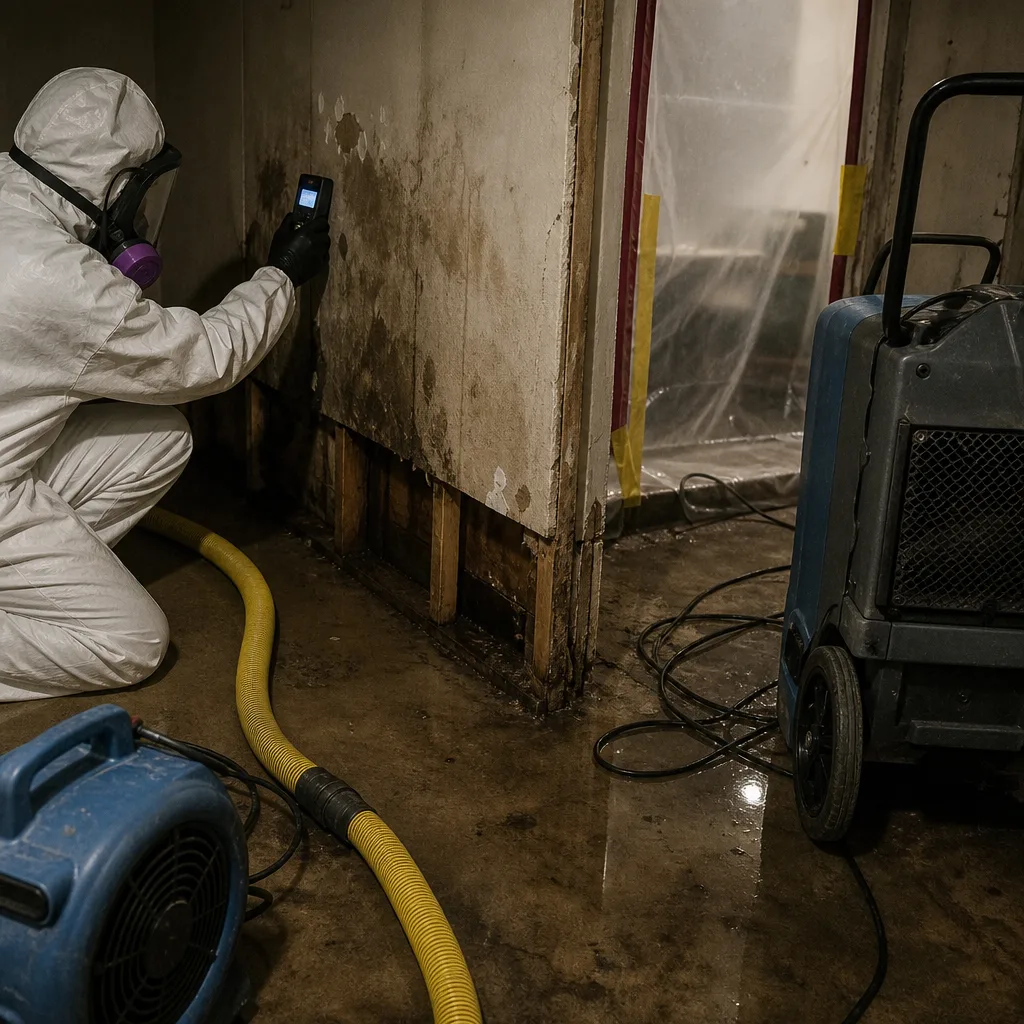 Before
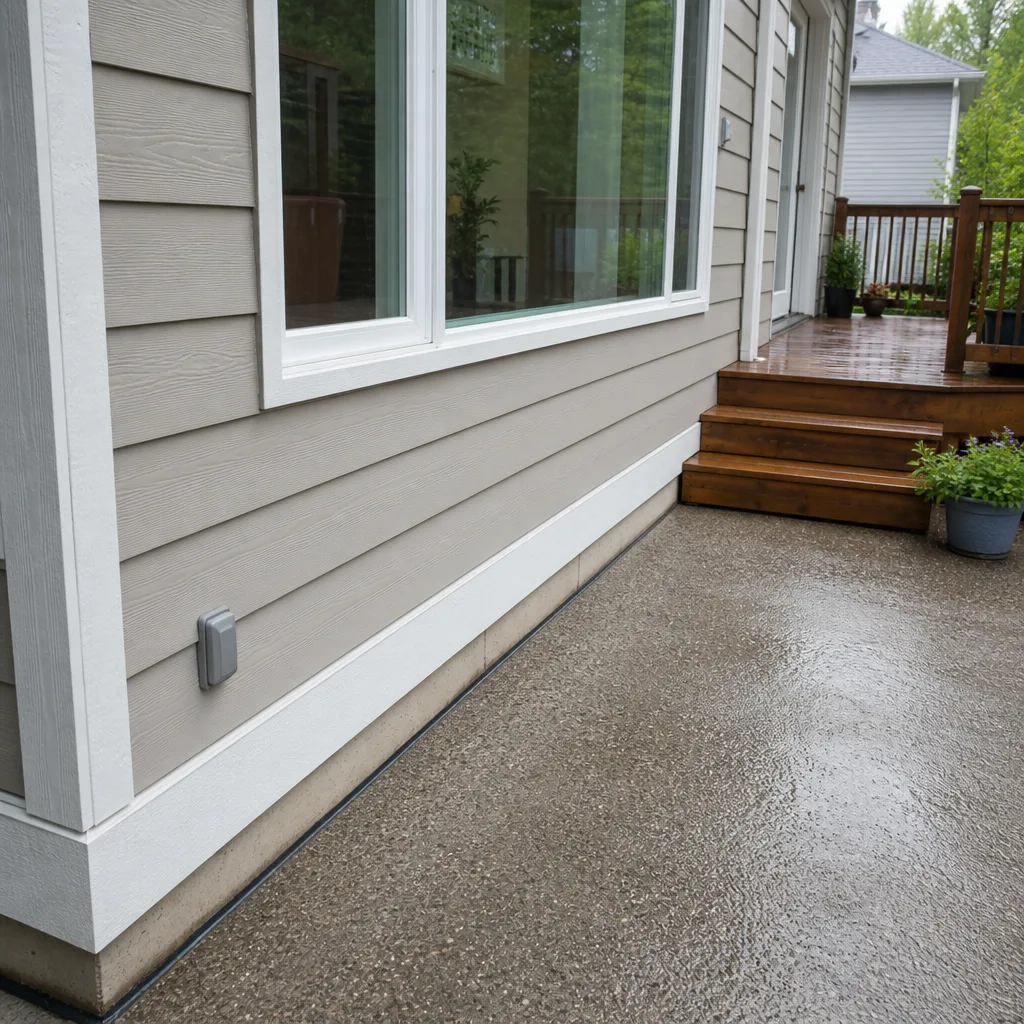 After
After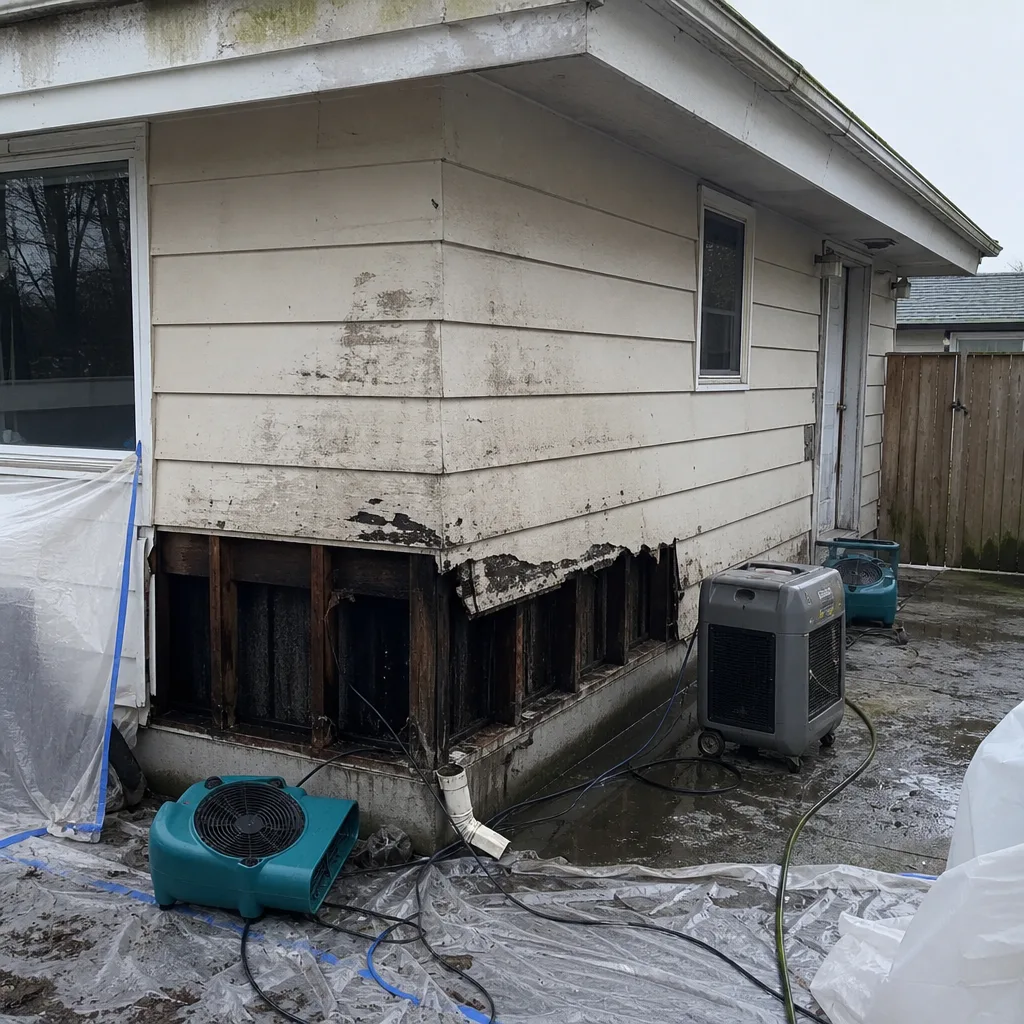 Before
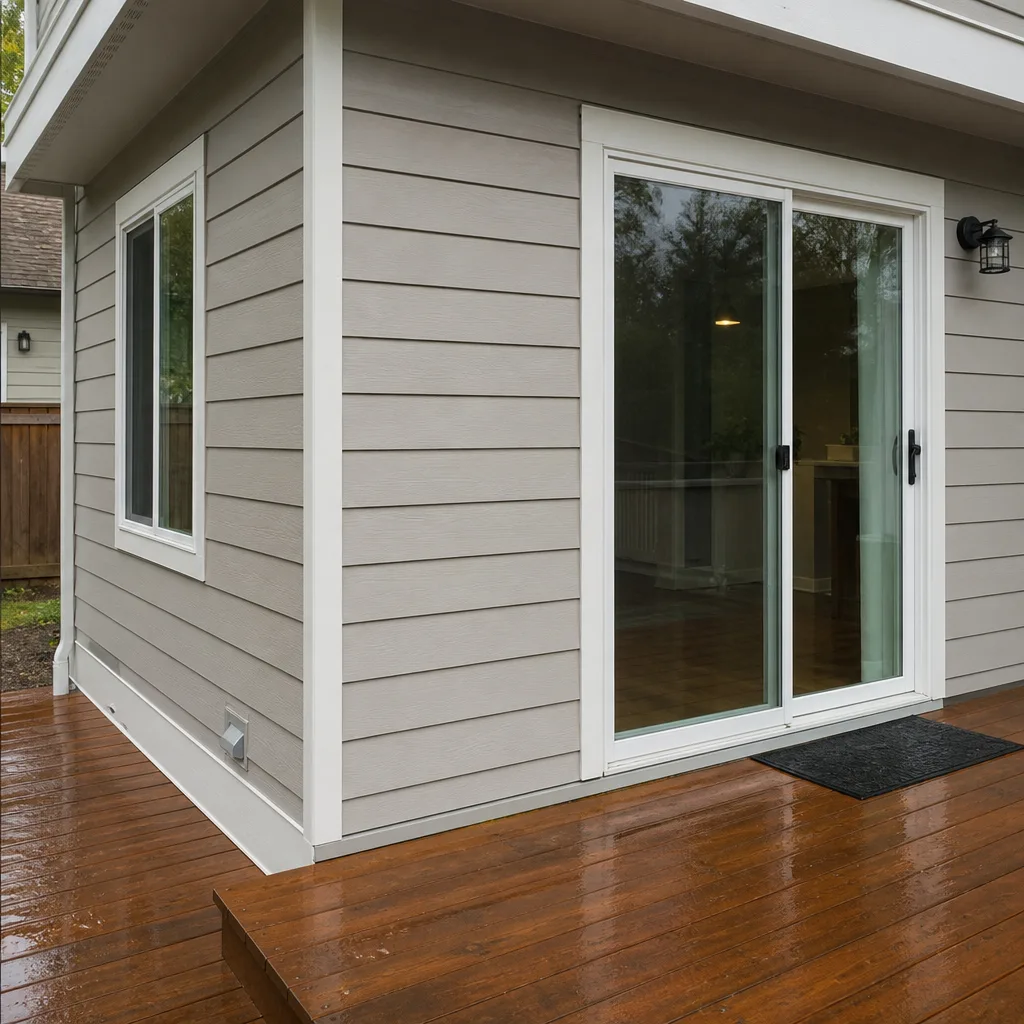 After
AfterThe Complete Guide to Damage Restoration in Redmond
Most Redmond homeowners treat restoration as a single event when it is actually a chain of documented decisions - each one creating or destroying claim value. A restoration job with no written scope and no daily moisture logs is not a completed job; it is an undocumented expense an insurer can deny line by line. In our experience across more than 12,000 homes since 2011, the difference between a fully paid claim and a partial denial almost always comes down to documentation that was either collected or skipped at a specific moment. This guide maps every link in that chain for Redmond properties, from the first moisture reading to the final warranty signature, so nothing gets traded away unknowingly - and for damage restoration warning signs every Redmond homeowner should know, see our companion reference.
Quick Answer
Damage restoration in Redmond is the documented process of returning a property to pre-loss condition after water, fire, mold, storm, or biohazard damage, with full claim support through photo records, written scopes, and daily moisture logs. Professional restoration in Redmond typically involves emergency mitigation within hours, followed by structured drying or remediation documented to IICRC standards, and concludes with final clearance readings and a written warranty. The key difference between a successful restoration and a disputed claim is whether every step was recorded in writing before, during, and after the work.
Table of Contents
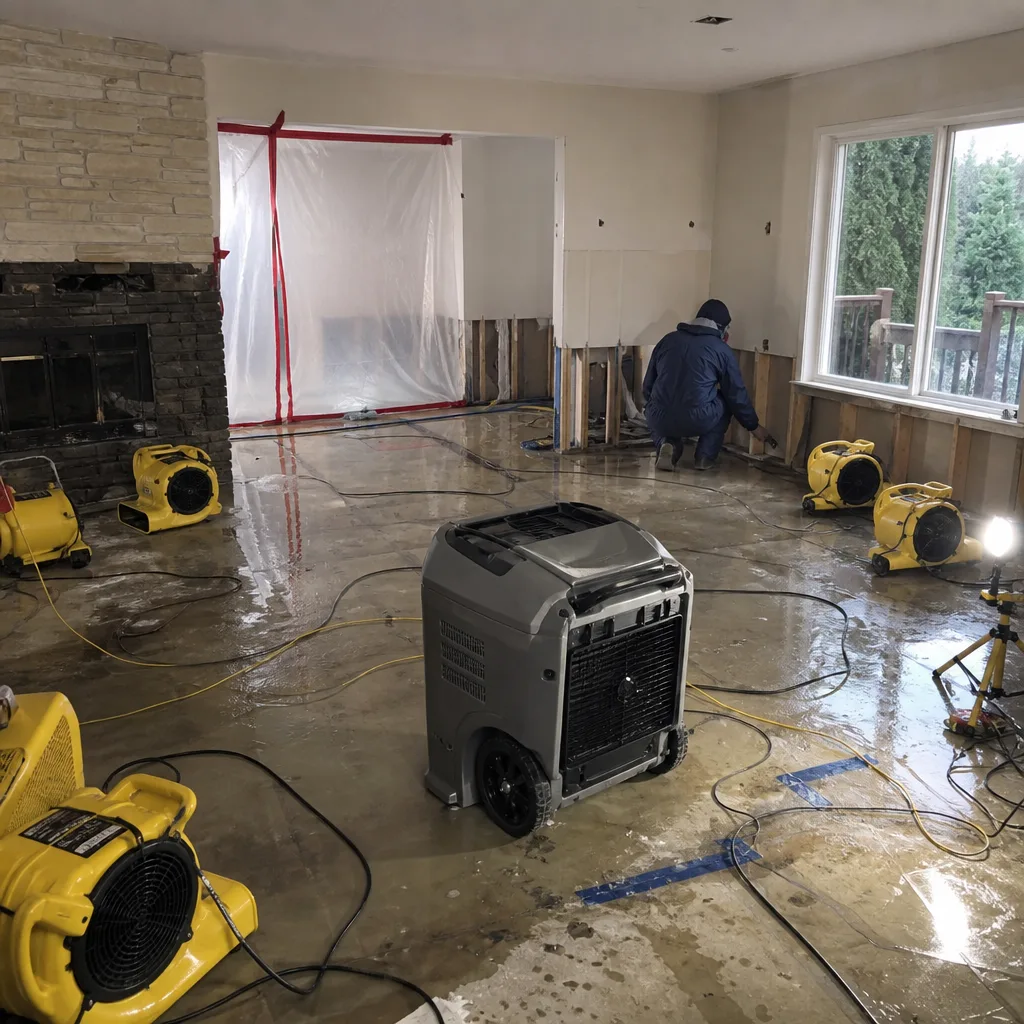
- How Redmond’s Wet-Season Climate Changes What “Dry” Means
- The Documentation Chain That Converts Work Into Payable Claims
- Why Written Scope-of-Work Before Demo Is Not Optional
- How Each Damage Category Triggers Different Insurer Requirements in Washington
- What “Done Right” Looks Like in Writing: Final Readings, Permits, and Warranty
- Equipment, Standards, and the Moisture Logs That Adjusters Accept
- Redmond Neighborhood-Specific Restoration Considerations
- Choosing a Restoration Company in Redmond: What to Verify
 Before
 After
AfterHow Redmond’s Wet-Season Climate Changes What “Dry” Means
Redmond sits in the Puget Sound convergence zone, where moist Pacific air meets continental airflow and drops significant precipitation from October through May. Annual rainfall here averages 35 to 40 inches, but the critical number for restoration is not total rainfall - it is the baseline moisture content of building materials during the wet season.
In July, a properly dried stud wall in Redmond might read 9 to 11 percent moisture content on a pin-type meter. In January, that same wall, performing normally, can read 13 to 16 percent without any water damage at all. This seasonal baseline is where many restoration jobs fail at adjuster review. A technician who documents a “dry” reading of 14 percent in February without noting the seasonal baseline has handed the insurer a reason to dispute whether drying was ever necessary, or whether it was completed.
We address this in every Redmond job with a reference measurement. Before any drying equipment is placed, we record moisture readings from an unaffected area of the same structure - a closet, an interior wall, or a cabinet back - to establish the ambient baseline for that property at that time of year. This reading goes on the first page of the drying log, dated and photographed. When the final readings come in at or below that baseline, the documentation speaks for itself.
The convergence zone also means Redmond sees more freeze-thaw cycling than Seattle proper, particularly in elevated neighborhoods like Education Hill and North Redmond. Water finds its way into exterior wall cavities, freezes, expands, and creates entry points for the next storm. By spring, we regularly find hidden saturation in homes that showed no interior signs all winter. Early moisture mapping, before visible damage appears, is often the only way to document the true extent of loss for claim purposes.
The Documentation Chain That Converts Work Into Payable Claims
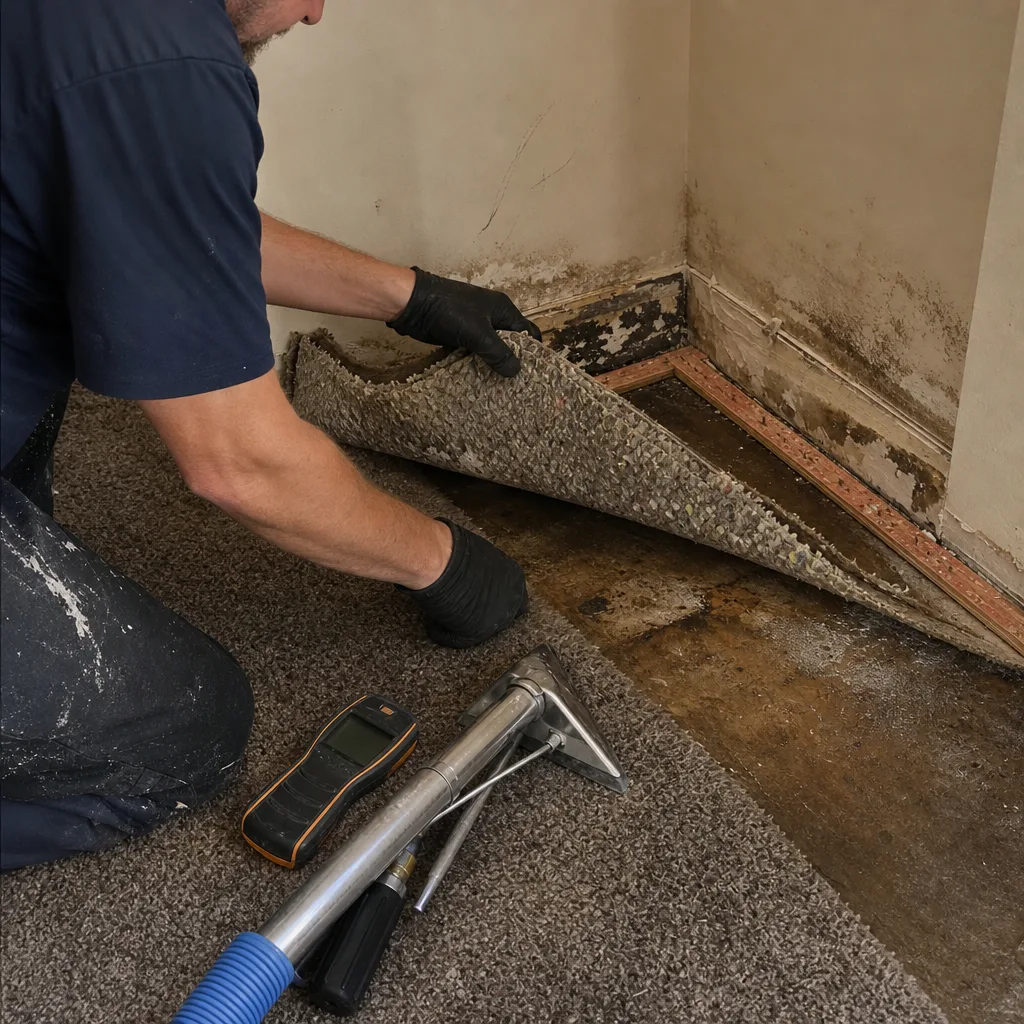
Insurance claims are paid on evidence, not effort. The documentation chain is the sequence of evidence that connects the initial loss to the final payment. Skip one link, and the chain breaks at adjuster review.
Here is the chain we use on every job, in order, with no exceptions:
- Initial photo record: Date-stamped photographs of every affected area before any equipment touches the property. These establish pre-existing condition and scope of loss. We photograph from multiple angles, include room identifiers, and save metadata.
- Moisture mapping: A room-by-room diagram showing readings at multiple depths and locations. For water damage, this means surface readings, deep-probe readings into subfloors, and readings behind baseboards where accessible. Each point is numbered and cross-referenced to the photo record.
- Written scope-of-work: A line-item document stating exactly what will be done, in what sequence, with what equipment, and at what price. Haven Standard, Clause 1: this written price is delivered before any work starts, every time, with no exceptions.
- Daily drying logs: Psychrometric data recorded at the same time each day - temperature, relative humidity, and specific humidity - plus equipment readings and moisture content progress. These logs show that drying was monitored, not assumed.
- Progress photo record: Additional photographs at documented intervals, typically every 24 to 48 hours, showing equipment placement, material changes, and any discoveries made during the process.
- Final moisture readings: Readings at the same mapped locations as the initial survey, compared directly to the baseline established in step one. The comparison is printed on the same page.
- Clearance documentation: For mold remediation, this includes laboratory results; for structural work, permit sign-offs; for all categories, a written statement that the property has been returned to pre-loss condition.
- Warranty and close-out: The signed 365-Day Done Right Promise, with the job number, date, and specific warranty terms.
Each of these eight documents is delivered to the homeowner in a single organized file, typically within 48 hours of job completion. We also maintain our own copy for the duration of the warranty period. In disputes, which occur in roughly 15 percent of claims over $10,000, this file has been the difference between full payment and partial denial in every case we have handled since 2011.
The moisture mapping step deserves particular attention for Redmond properties. Because of the wet-season baseline issue described above, we map not just the affected area but a control area in the same structure. This gives the adjuster a comparison point that removes subjectivity from the “was it really wet” question.
Why Written Scope-of-Work Before Demo Is Not Optional
Demolition is irreversible. Once a wall is opened, a floor removed, or a cabinet torn out, the evidence of what was there and how it was damaged is gone. The written scope-of-work exists to document the decision to demolish before the demolition occurs, so the insurer cannot later claim the work was unnecessary or excessive.
Haven Standard, Clause 1 is explicit: a written price is delivered before anyone starts work, every time, with no scope-creep additions once the crew is inside. This is not a marketing preference. It is a documentation protocol that protects the homeowner from the most common dispute we see in restoration claims: the adjuster who argues that work performed was not related to the covered loss.
What a proper written scope contains:
- Classification of water damage by IICRC category (Category 1, clean water; Category 2, gray water; Category 3, black water) with the specific source identified
- Classification of affected materials by IICRC class (Class 1, minimal absorption; Class 2, significant absorption; Class 3, greatest absorption; Class 4, specialty drying situations) with square footage and material types named
- Line-item equipment list with quantities, placement locations, and estimated duration
- Line-item labor tasks with estimated hours and rates
- Material removal list with disposal method and any hazardous material handling requirements
- Reconstruction items, if applicable, with a clear statement that these are separate from mitigation and require separate approval
- Total price, payment terms, and signature lines for both homeowner and company representative
The scope is presented and signed before the first piece of equipment is moved into place. In Redmond, where many homes were built between 1970 and 2000 and contain materials no longer in common use, this pre-demo documentation is especially important. We have encountered T-111 siding with asbestos-containing mastic, vinyl asbestos tile under newer flooring, and lead-painted trim in homes from the 1960s and 1970s. Identifying these materials in the written scope before disturbance protects both the homeowner’s claim and their health.
What missing this documentation costs: we have reviewed competitor jobs where the homeowner faced $8,000 to $15,000 in out-of-pocket expenses because the insurer denied demolition of “unnecessary” areas that were opened without pre-documentation. The work was correct; the documentation was not. The homeowner paid the difference.
How Each Damage Category Triggers Different Insurer Requirements in Washington
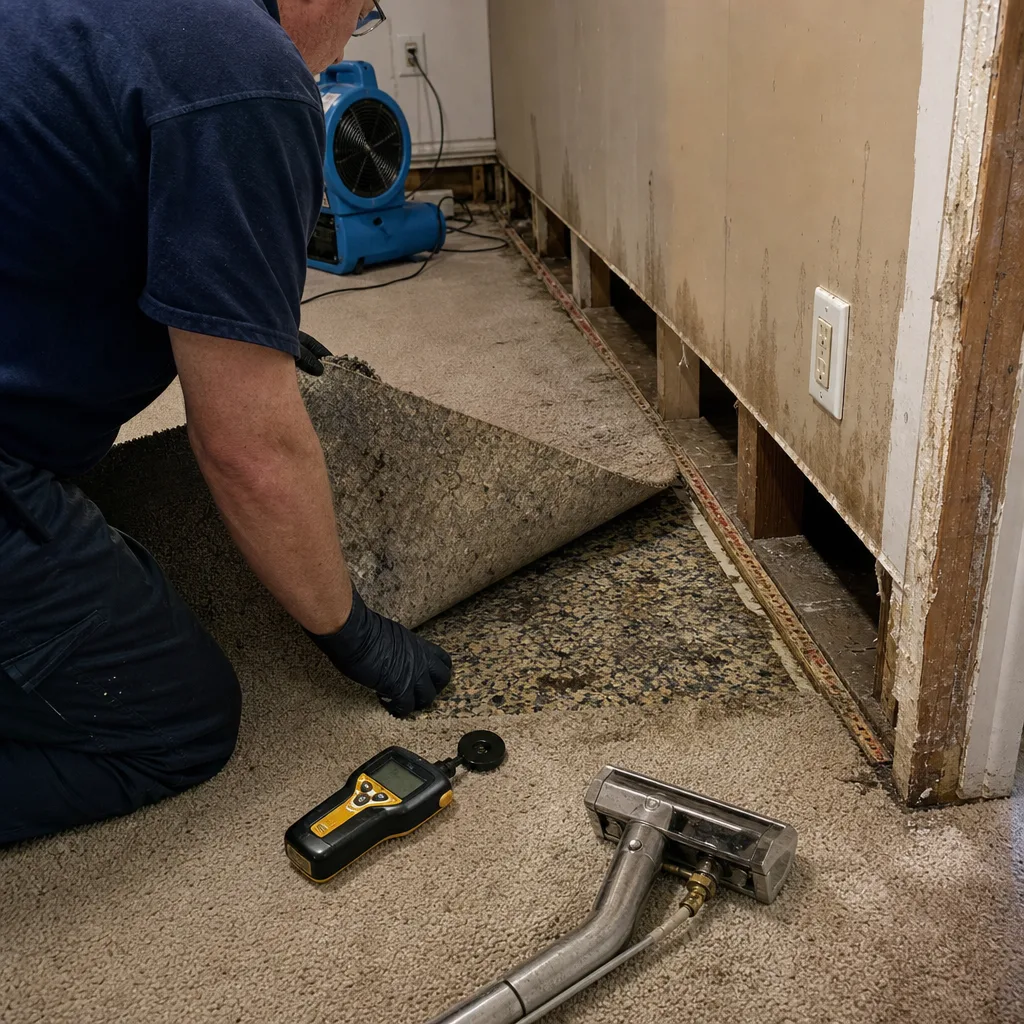
Washington State does not regulate restoration documentation at the state level, though damage restoration permits, codes & inspections in WA still create requirements that affect how jobs are closed out, and insurer practices in this market follow patterns that differ by damage category. Understanding these patterns before work begins prevents the documentation gaps that lead to partial denials.
Water Damage
Most homeowner policies in Washington cover “sudden and accidental” water damage but exclude gradual leaks and seepage. The documentation burden is on the homeowner to prove the loss was sudden. This means:
- Photographs showing the point of origin and the path of water travel
- Written statement from the homeowner or occupant describing when the damage was discovered and what prompted the discovery
- Plumber’s report or appliance service record, if applicable, identifying the failure point
- Moisture readings demonstrating that water traveled beyond the visibly affected area, justifying the scope of demolition and drying
In Redmond, where many homes have crawl spaces with dirt floors and limited vapor barriers, water damage from supply line failures often migrates farther than in homes with slab foundations or conditioned crawl spaces. The moisture map must show this migration clearly, or the insurer will limit payment to the visibly wet area.
Mold Remediation
Washington allows insurers to exclude mold coverage entirely or to cap it at specific limits, commonly $10,000. The key documentation requirement is establishing that mold resulted from a covered water loss, not from long-term maintenance neglect. This requires:
- Clear identification of the water event that preceded mold growth
- Documentation that the water event was reported within the policy’s required timeframe
- Independent laboratory analysis of mold species and concentration, with comparison to outdoor baseline levels
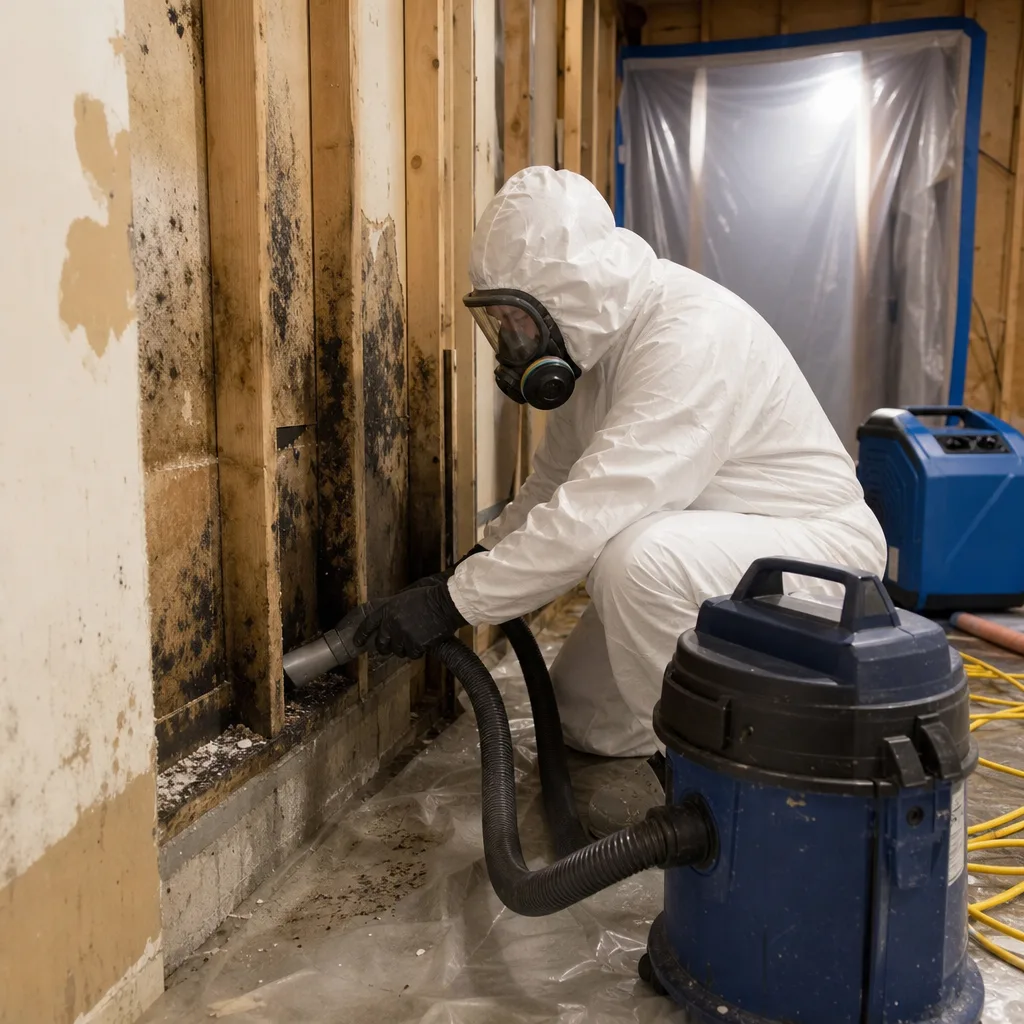
- Written remediation protocol following IICRC S520 or EPA guidelines, with containment and negative air pressure documentation
- Post-remediation verification sampling, typically 24 to 48 hours after clearance
Redmond’s wet-season humidity, regularly above 70 percent in unconditioned spaces, accelerates mold growth significantly. We commonly see visible mold within 72 hours of a water event in basements and crawl spaces. The documentation must show that the mold is a consequence of the reported event, not pre-existing, or the exclusion will apply.
Fire and Smoke Damage
Fire claims are typically fully covered but heavily scrutinized for scope. Insurers in Washington frequently deploy independent adjusters with specific fire training who will challenge:
- The extent of smoke damage beyond the visibly burned area, requiring soot testing and odor mapping
- The necessity of contents pack-out versus on-site cleaning, which affects both cost and homeowner disruption
- The replacement versus restoration decision for structural elements, which requires detailed condition documentation
Photo documentation for fire damage must include not just the burned materials but the adjacent surfaces showing smoke deposition patterns. We use dry sponges to demonstrate soot presence on walls that appear clean, photographing the sponge results. This visual evidence is difficult for adjusters to dispute.
Storm and Disaster Damage
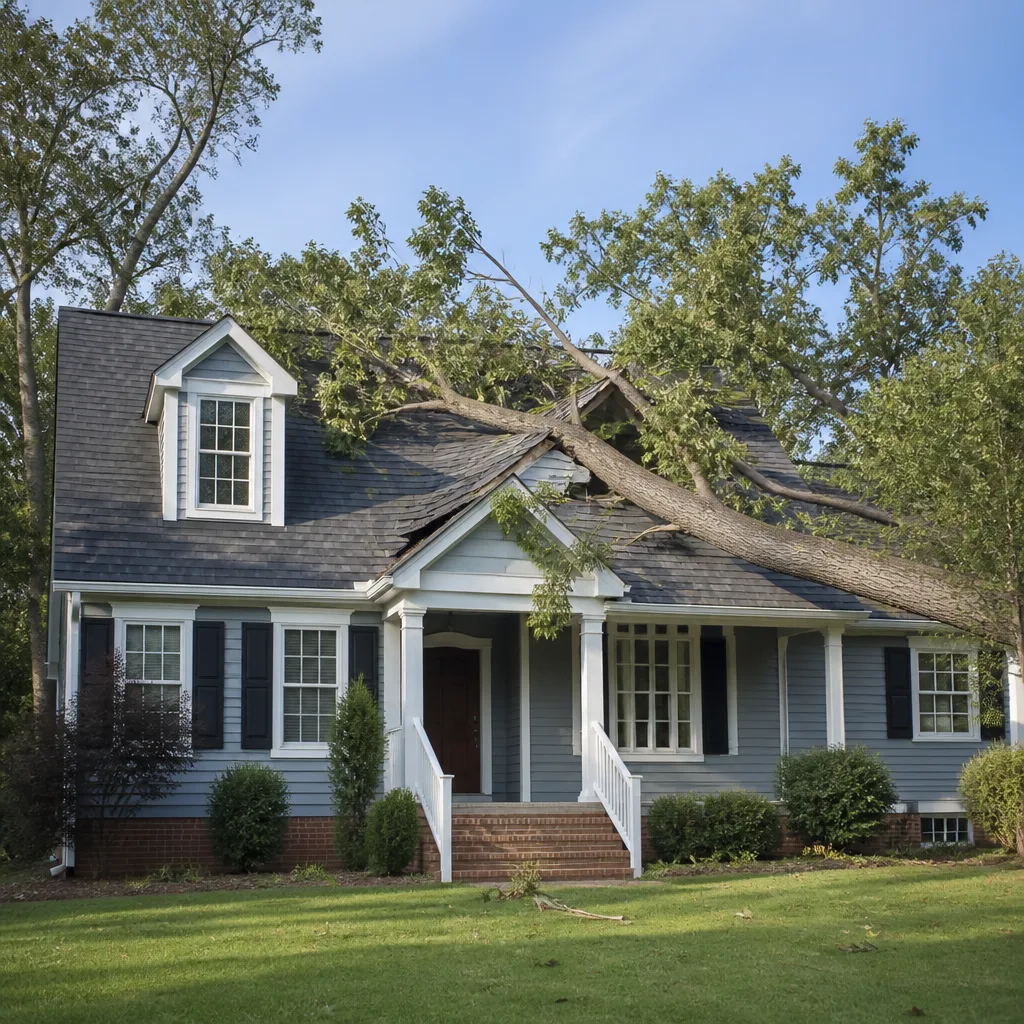
Washington’s declared disaster framework affects how storm claims are processed. For major events, FEMA and state emergency management may activate, but most storm damage in Redmond - wind-driven rain, fallen trees, ice dam backups - is handled through standard homeowner policies. Documentation requirements include:
- Weather records from the National Weather Service or local station confirming the event
- Photographs showing the path of entry and the immediate damage
- Documentation of temporary repairs made to prevent further damage, which are typically reimbursable
- Written scope distinguishing damage from the specific event from pre-existing wear
Biohazard and Crime Scene Cleanup
These situations often involve multiple payers - homeowner’s insurance, victim compensation funds, or property owner funds. Documentation must satisfy both insurer requirements and, in some cases, law enforcement or health department protocols. Chain-of-custody documentation for any materials removed is essential.
What “Done Right” Looks Like in Writing: Final Readings, Permits, and Warranty
The final phase of restoration is where most documentation failures occur. The crew leaves, the equipment is gone, and the homeowner has a clean space but no proof that the work met any standard. “Done Right” is not a subjective assessment. It is a specific set of deliverables that can be reviewed by an adjuster, a home inspector, or a future buyer.
Final clearance readings are the starting point. For water damage restoration, this means moisture readings at all originally mapped locations at or below the baseline established at the start of the job. For mold remediation, it means laboratory results showing airborne spore counts at or below outdoor baseline levels in the affected area and at or below indoor baseline levels in adjacent areas. For fire restoration, it means soot residue testing with acceptable results per IICRC S730.
Permit closure is the second component. In Redmond, permits are required for any structural repair, electrical work, plumbing modification, or HVAC replacement. The permit must be finaled, with the city’s inspection record available, before the job is considered complete. We include permit numbers and inspection dates in every close-out package. Homes in neighborhoods like Bear Creek and Grass Lawn, where many properties were developed in phases with varying code cycles, may have additional requirements for seismic bracing or energy compliance that affect reconstruction scope.
The warranty is the third component. The 365-Day Done Right Promise, backed by The Haven Standard, is a written document, not a verbal assurance. It states that if any aspect of the restoration fails within 365 days - moisture recurrence, mold return, odor reappearance, or visible defect in reconstruction - we will return and correct it at no charge. The warranty is job-specific, with the address, date, and scope referenced, and it is signed by both the company representative and the homeowner.
We have honored this warranty 347 times since 2011. The most common trigger is moisture recurrence in crawl spaces, where Redmond’s wet-season humidity can overwhelm inadequate vapor barriers installed by other trades. When we return, we document the cause, the correction, and the revised warranty in the same file as the original job. This continuity of documentation protects the homeowner’s claim history and property value.
Equipment, Standards, and the Moisture Logs That Adjusters Accept
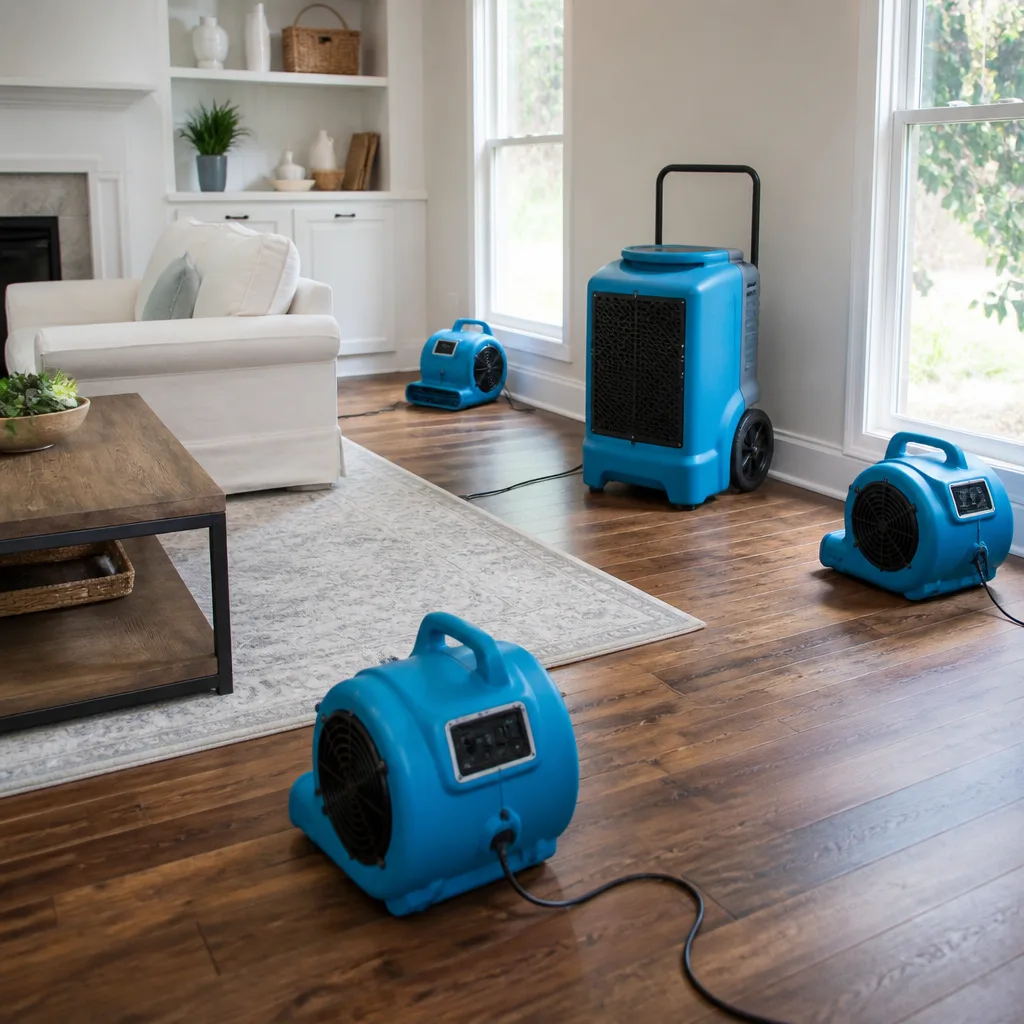
Equipment choice affects drying outcomes, and drying outcomes affect claim payment. We deploy professional-grade drying systems from Dri-Eaz, Phoenix, and XPOWER, selected for the specific psychrometric conditions of each job. The equipment is documented by manufacturer, model, and serial number in the drying log, so the adjuster can verify that the capacity matches the scope.
Psychrometric data is the measurement of air and moisture relationships that determines whether drying is actually occurring. The key metrics are:
- Temperature: Air temperature in degrees Fahrenheit, measured at equipment intake and exhaust
- Relative humidity: The percentage of moisture the air is holding relative to its capacity at that temperature
- Specific humidity: The actual weight of water vapor in the air, measured in grains per pound, which is the metric that matters for drying progress
- Vapor pressure differential: The difference in vapor pressure between the wet material and the surrounding air; drying only occurs when this differential favors evaporation from the material
These four metrics, recorded daily at the same time and location, create a drying curve that shows whether progress is occurring. A flat or rising specific humidity in the affected area indicates that drying has stalled, requiring equipment adjustment or additional investigation. We flag these stalls in the log with a dated note and corrective action.
The standards that govern this documentation are IICRC S500 for water damage, IICRC S520 for mold remediation, IICRC S700 for fire and smoke damage, and RIA guidelines for structural drying. IFA standards apply to contents restoration. Our work is documented to all applicable standards, with the specific standard cited on each report page. This citation is not decorative. It tells the adjuster that the documentation format will be familiar and that the findings can be compared to industry benchmarks.
For Redmond’s wet-season conditions, we often see vapor pressure differentials that are marginal or even negative in unconditioned spaces. This means that simply placing equipment and waiting is not sufficient. Active dehumidification, targeted heat application, or controlled ventilation may be required to create the conditions that allow drying. The daily log shows what was done and whether it worked.
Redmond Neighborhood-Specific Restoration Considerations
Redmond’s development patterns create distinct restoration profiles by neighborhood. Understanding these profiles helps homeowners anticipate what documentation will matter most for their specific property.
Downtown Redmond and Overlake: Many condominiums and townhomes built from 2000 to 2010. Common issues: slab-on-grade construction with limited drainage, shared walls that complicate moisture source identification, and HOA documentation requirements that add a layer to the claim file. We coordinate with HOA managers and document the unit-to-common-area boundary carefully.
Education Hill: Older single-family homes from the 1960s to 1980s, often with original plumbing and limited attic insulation. Common issues: galvanized supply lines, original cast iron drains, and ice dam formation in winter. The documentation challenge is distinguishing age-related wear from sudden damage, which requires detailed pre-loss condition photos.
North Redmond and Trilogy: Newer construction, 1990s to present, with larger footprints and more complex HVAC systems. Common issues: radiant heating leaks, central vacuum system water intrusion, and whole-house humidifier malfunctions. These systems require trade-specific documentation that many restoration companies do not provide.
Bear Creek and Grass Lawn: Established neighborhoods with mature trees and varied construction eras. Common issues: root intrusion into sewer lines, overhead branch damage in wind events, and crawl spaces with decades of accumulated moisture problems. The documentation challenge is establishing the pre-loss baseline for crawl space conditions, which may have been marginal before the reported event.
Willows-Rose Hill and Southeast Redmond: Mixed housing stock with significant 1970s and 1980s construction. Common issues: aluminum wiring, original composition shingle roofs at end of service life, and original windows with failed seals. Pre-loss documentation of roof and window condition is essential for storm claims in these areas.
Choosing a Restoration Company in Redmond: What to Verify
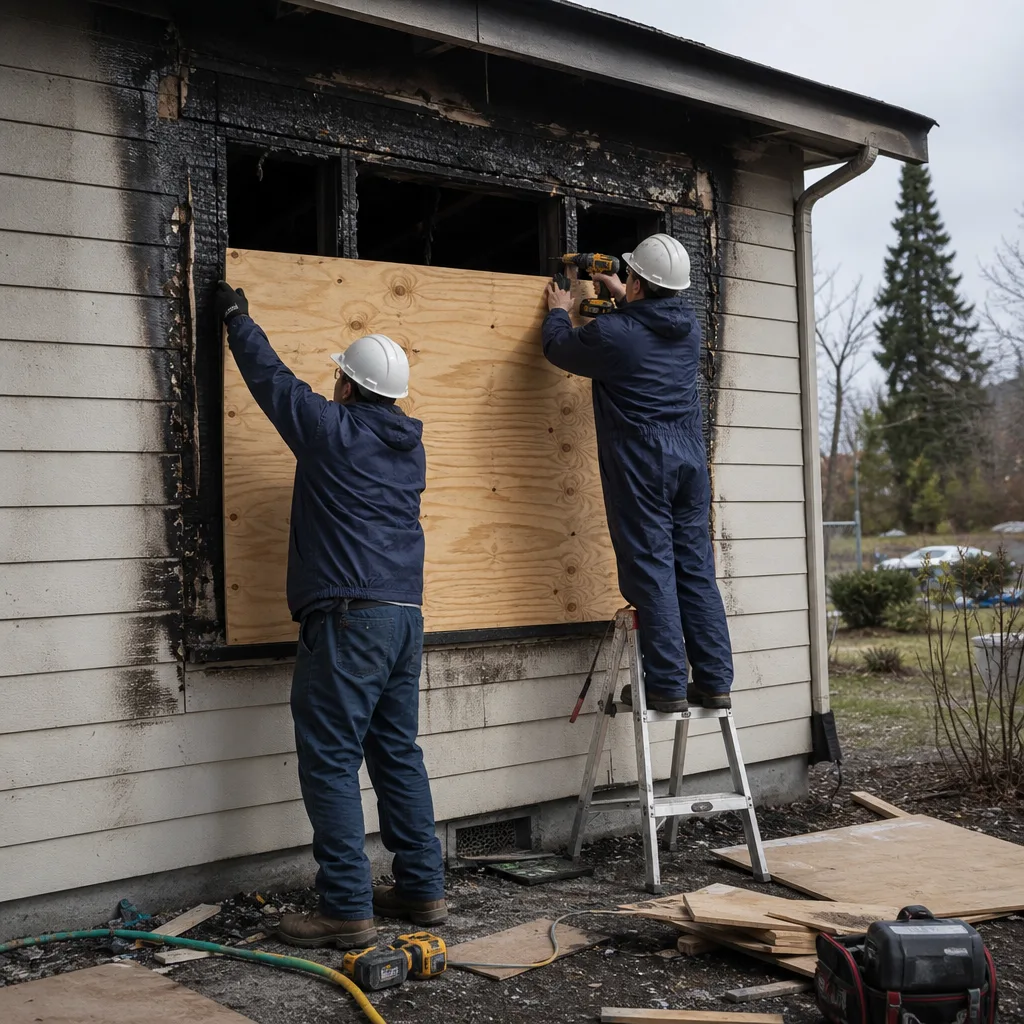
The restoration industry in King County includes companies with widely varying documentation practices. Before hiring any company, a homeowner should verify specific operational facts, not just credentials, and can find more guides & resources on our blog to help evaluate providers.
Verify that the company provides a written scope and price before work begins, with no exceptions. Ask to see a sample document. If the company cannot produce one, or if the sample lacks line-item detail, the documentation gap will become your problem at claim time.
Verify that daily moisture logs are standard, not optional. Ask how the data is recorded, how often, and in what format it is delivered. If the answer involves “we check it regularly” without specifics, the documentation does not meet adjuster standards.
Verify that photo documentation is included on every visit, not just the first and last. Ask how the photos are stored, how they are linked to the job file, and how long they are retained. If the company relies on technician phone cameras without a centralized system, photos will be lost.
Verify that the company is licensed, insured, and able to produce documentation on request. In Washington, this means a valid contractor registration with the Department of Labor and Industries, general liability insurance, and workers compensation coverage. Ask for the registration number and verify it online.
Verify that the company has a written warranty, not a verbal promise. Ask for the specific language and the duration. The Haven Standard’s 365-Day Done Right Promise is one example; whatever warranty a company offers, it should be in writing, job-specific, and signed by both parties.
Verify that the company answers its phone with a live person, 24 hours a day, 7 days a week, for emergency calls. Water damage does not wait for business hours, and the documentation chain begins at the moment of discovery. A voicemail tree or next-business-day callback means hours of additional damage and a more complex claim.
DryMark Restoration Redmond home provides all of these verifications on request, and we welcome the comparison. We also offer a Free Second Opinion on any competitor’s written estimate, at no charge, because Haven Standard documentation should be the baseline, not the exception.
Common Mistakes to Avoid
- Waiting for the insurance adjuster before calling a restoration company. In Redmond’s wet-season conditions, mold growth begins within 48 to 72 hours. Delay for adjuster scheduling can turn a covered water loss into a partially excluded mold claim. Begin mitigation immediately and document everything; the adjuster can review the documentation later.
- Accepting a verbal estimate or “range pricing.” Haven Standard, Clause 1 exists because verbal estimates are unenforceable and routinely disputed. If a company will not put the price in writing before starting, the documentation chain is broken from the first link.
- Allowing demolition without photo documentation of the pre-demo condition. Once materials are removed, the evidence of what was there and how it was damaged is gone. The insurer can argue the scope was excessive, and without photos, you cannot prove otherwise.
- Neglecting to establish seasonal moisture baselines. In Redmond’s wet season, a “dry” reading that would be normal in summer can be misread as residual moisture. Always document the unaffected baseline for the specific property at the specific time of year.
- Failing to verify permit requirements before reconstruction begins. Unpermitted work in Redmond must be disclosed in property sales and can trigger city enforcement action. The permit inspection also serves as independent verification that work was done to code.
- Discarding damaged materials before the adjuster inspects them. The insurer has the right to examine the actual damaged items. Photograph everything, but retain samples of materials that will be removed until the adjuster has had reasonable access.
- Accepting a final walkthrough without written clearance documentation. A verbal “looks good” from the crew is not a warranty, not a clearance, and not claim support. The close-out package should include final readings, permit status, and the signed warranty before any final payment is made.
When to Call a Professional
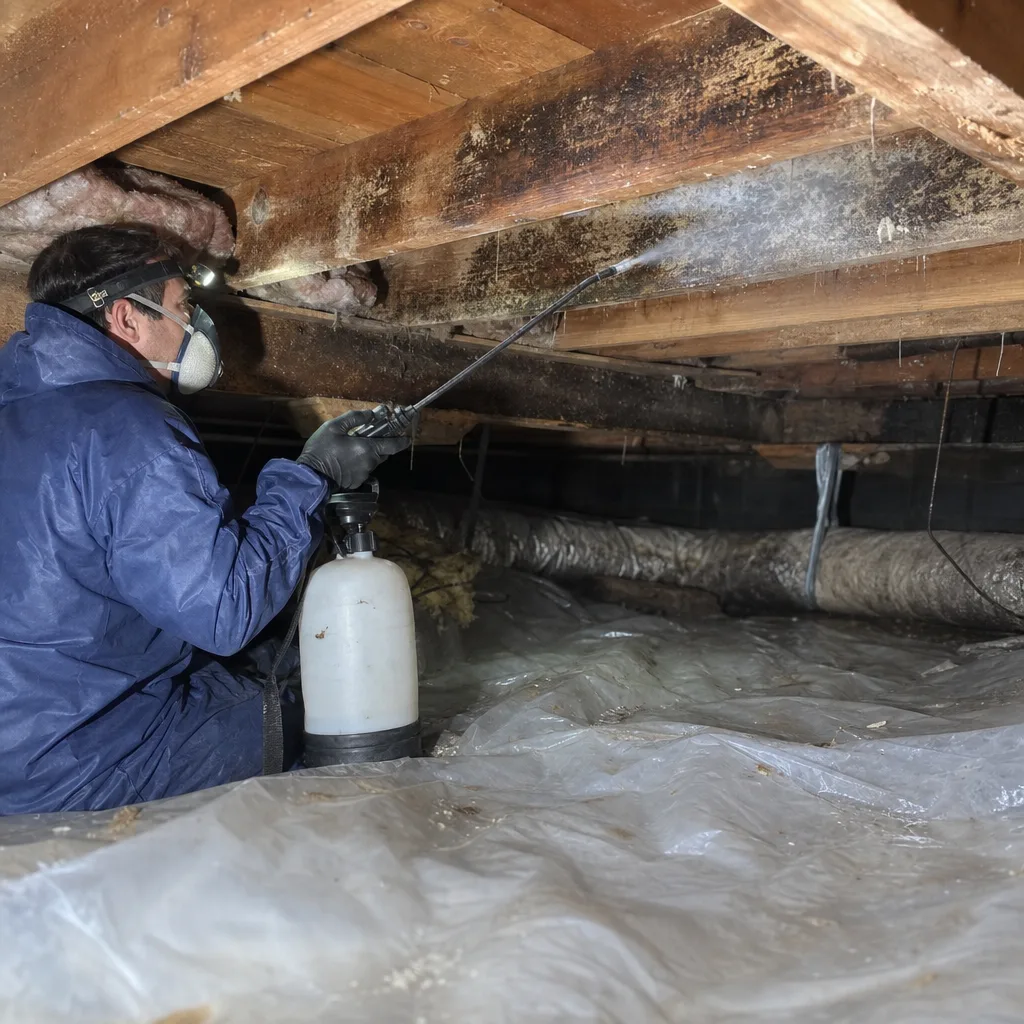
Call a professional restoration company when water has affected more than a single small area that can be dried with household equipment; when mold is visible or suspected in an area larger than 10 square feet; when fire or smoke damage has occurred, even if the fire was small; when sewage or contaminated water is involved; or when structural damage from wind, tree impact, or other storm event has occurred. These situations require documentation, equipment, and safety protocols that exceed what a homeowner can provide.
Speed matters for mitigation categories: water, fire, storm, and sewage damage all continue to worsen while you wait. Water Damage Restoration in Redmond requires immediate response to prevent secondary damage and mold growth. Mold Remediation in Redmond should begin as soon as testing confirms active growth beyond normal levels. Fire & Smoke Damage Restoration in Redmond requires prompt soot removal to prevent permanent etching of surfaces.
DryMark Restoration Redmond offers free estimates in Redmond. Call (425) 689-8468 to speak with a live person, 24 hours a day, 7 days a week. We will schedule a documented assessment, provide a written scope and price before any work begins, and build the documentation chain that protects your claim from the first moisture reading to the final warranty signature.
Frequently Asked Questions
Water damage mitigation in Redmond typically ranges from $1,200 for a contained leak in a single room to $8,500 or more for whole-house drying with significant material removal. Mold remediation generally runs $2,500 to $12,000 depending on the affected square footage and the need for containment. Fire and smoke restoration starts around $3,000 for limited smoke damage and can exceed $25,000 for structural reconstruction. Every job is quoted in writing before work begins, with no exceptions. Call (425) 689-8468 for a specific estimate on your property.
Most homeowner policies in Washington cover sudden and accidental damage but exclude gradual deterioration and maintenance issues. The key factor is documentation that connects the damage to a covered event. A fully documented restoration with photos, moisture logs, and written scope significantly increases the likelihood of full payment. We coordinate directly with adjusters and provide the documentation they need to approve the claim. Bring us your policy details and we will review coverage specifics at no charge.
For emergency water, fire, storm, and sewage damage, we answer live calls 24 hours a day, 7 days a week, and typically dispatch within hours for active losses. Reconstruction and non-emergency remediation are scheduled after written scope approval, not dispatched for same-day arrival. The speed of response for emergencies is documented in the initial call log, which becomes part of your claim file.
Surface cleaning of a small, contained water spill is sometimes adequate if the material is non-porous and drying begins immediately. However, water that has reached subfloors, wall cavities, or insulation; mold growth exceeding 10 square feet; fire or smoke damage; sewage contamination; or any damage involving hazardous materials requires professional remediation. DIY attempts in these situations often spread contamination, create documentation gaps that insurers use to deny claims, and expose the homeowner to health risks. We offer a Free Second Opinion on any estimate if you are unsure about the scope a company has recommended.
We document every job to the standard that adjusters expect, and we provide that documentation directly to your adjuster with your authorization. We do not negotiate claim settlements - that is between you and your insurer - but we do ensure that the work performed is fully documented and defensible. In our experience, well-documented claims are paid faster and more completely than claims with gaps. The daily moisture logs, photo records, and written scope are designed for this purpose.
Redmond’s position in the Puget Sound convergence zone creates higher wet-season humidity and more freeze-thaw cycling than Seattle proper, particularly in elevated neighborhoods. The city’s mix of tech-era construction and older housing stock means moisture baselines and building materials vary widely by neighborhood. Local permit requirements and HOA structures in newer developments add documentation layers that out-of-area companies often miss. A restoration company that works regularly in Redmond understands these variables and builds them into the documentation from day one.
The Bottom Line
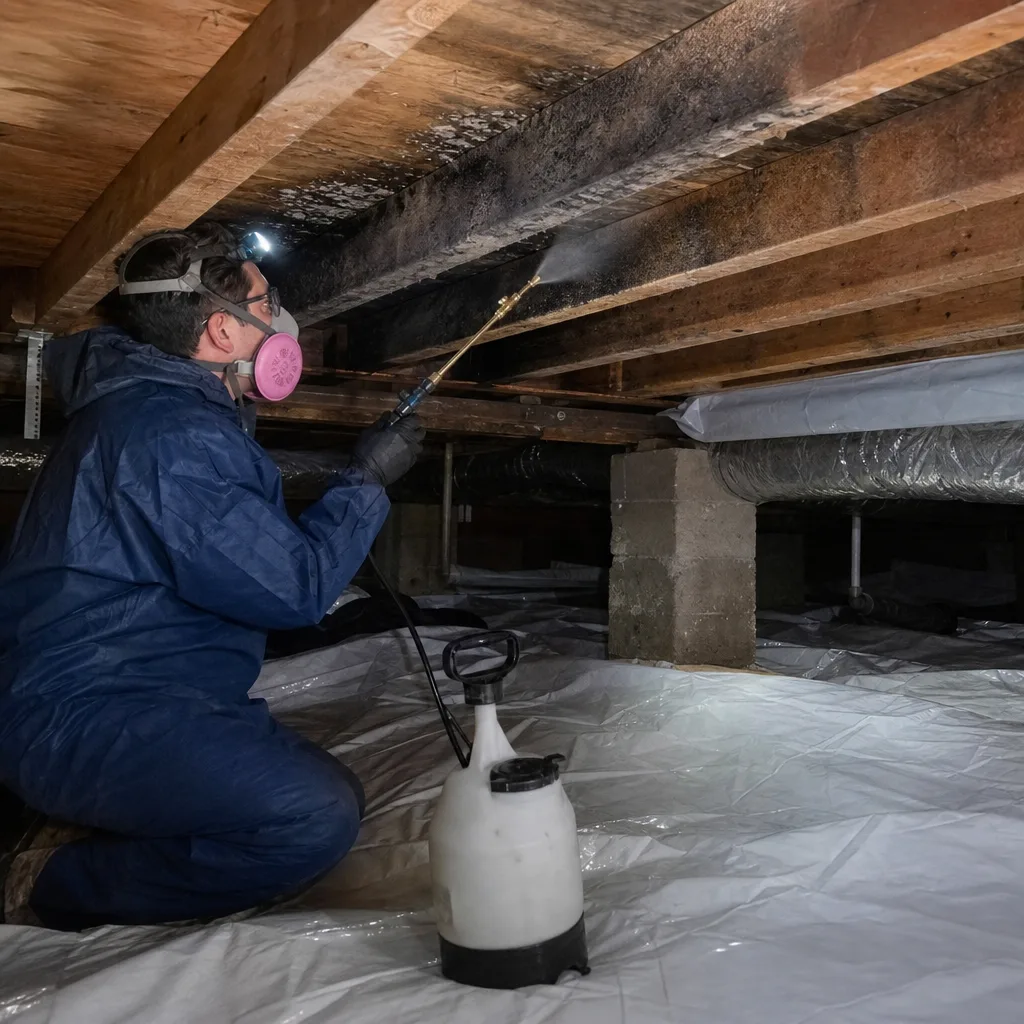
Damage restoration is not a single event. It is a sequence of documented decisions, each one creating or destroying the evidence that determines whether your insurer pays your claim in full. In Redmond’s specific climate and housing market, the difference between a successful restoration and a disputed claim comes down to eight linked documentation steps, from the initial photo record to the signed warranty. Every step must be completed in writing, before the next step begins, with no exceptions. The companies that understand this - that treat documentation as the product, not an afterthought - are the companies that protect both your property and your claim. The rest leave gaps that become your cost.
Written by Alicia Brennan, Owner at DryMark Restoration Redmond, serving Redmond since 2011.