
Last updated September 23, 2026
Free visual inspection and a written scope of work before any mitigation begins - photos, moisture readings, and drying logs go in your claim file
The scope we write is the scope we bill. Anything new gets shown to you, in writing, before we touch it.
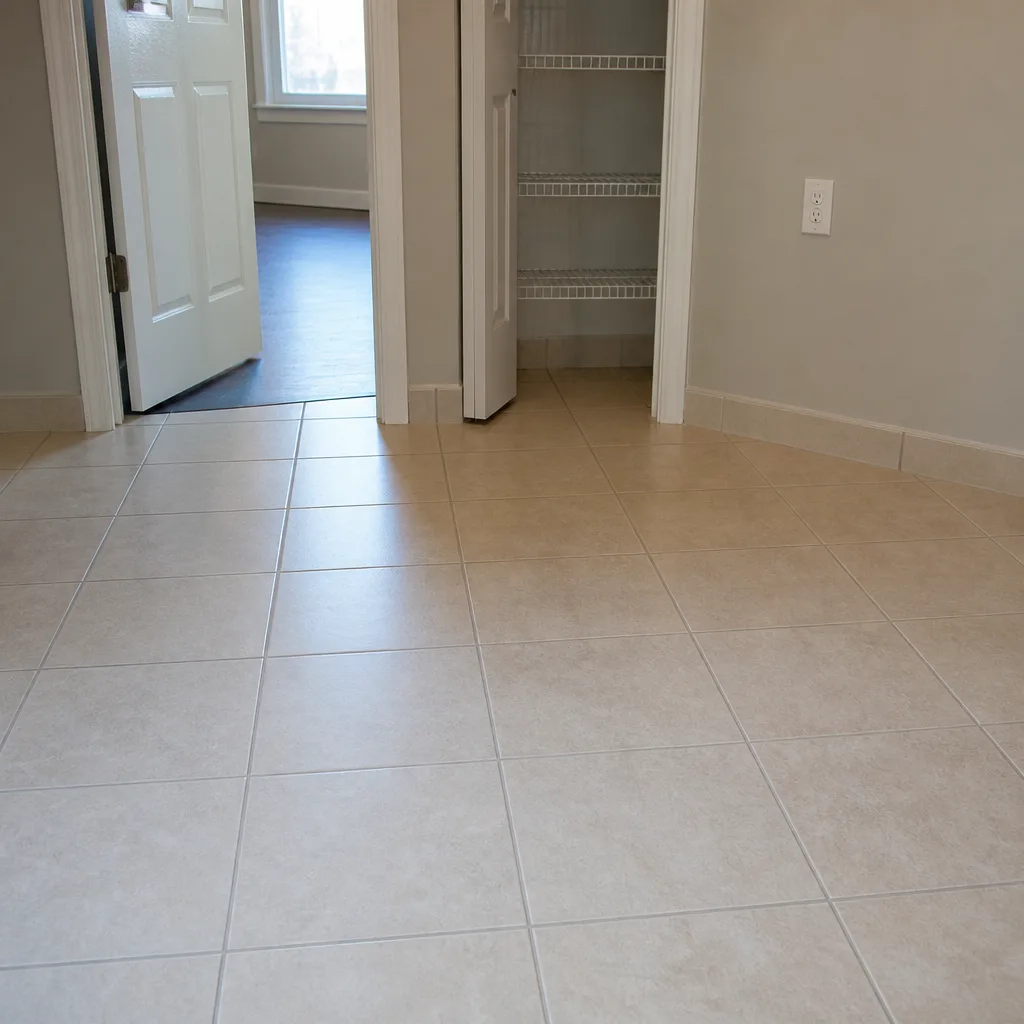
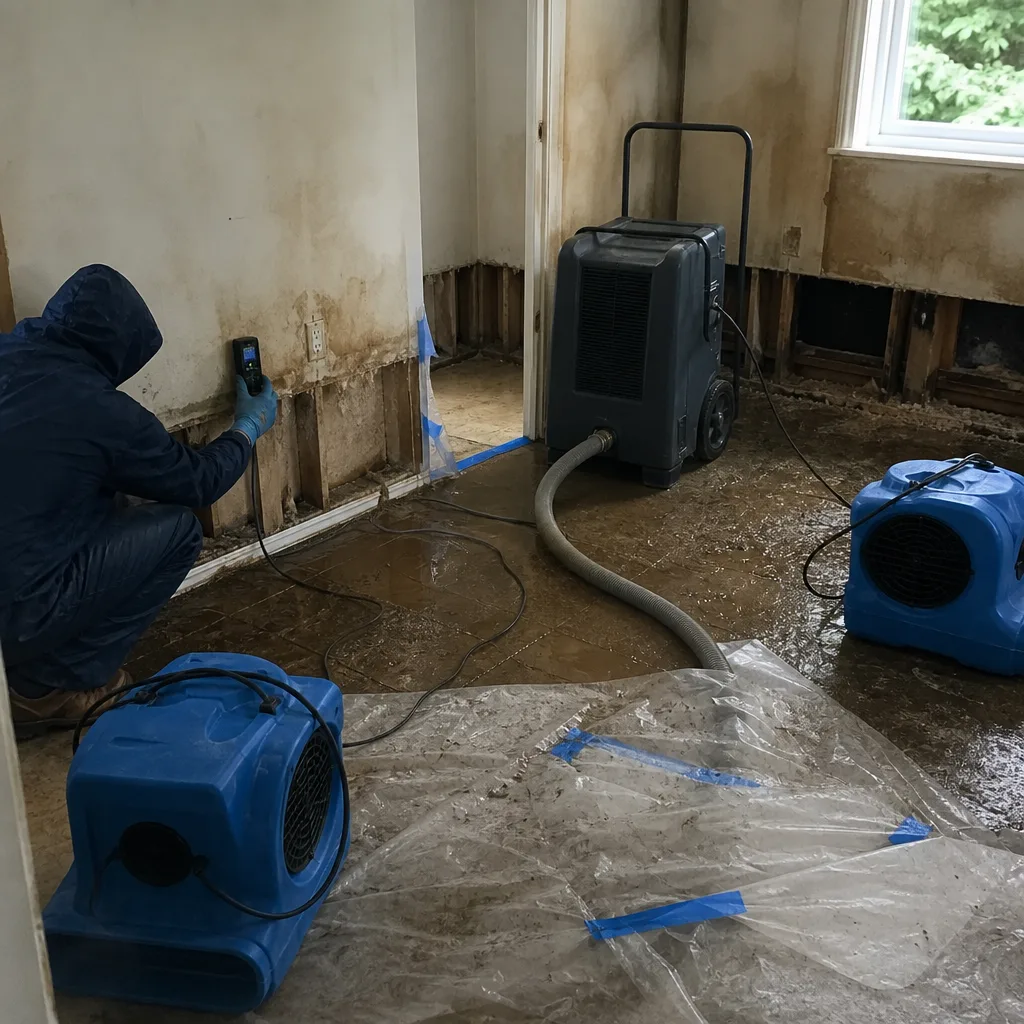 Before
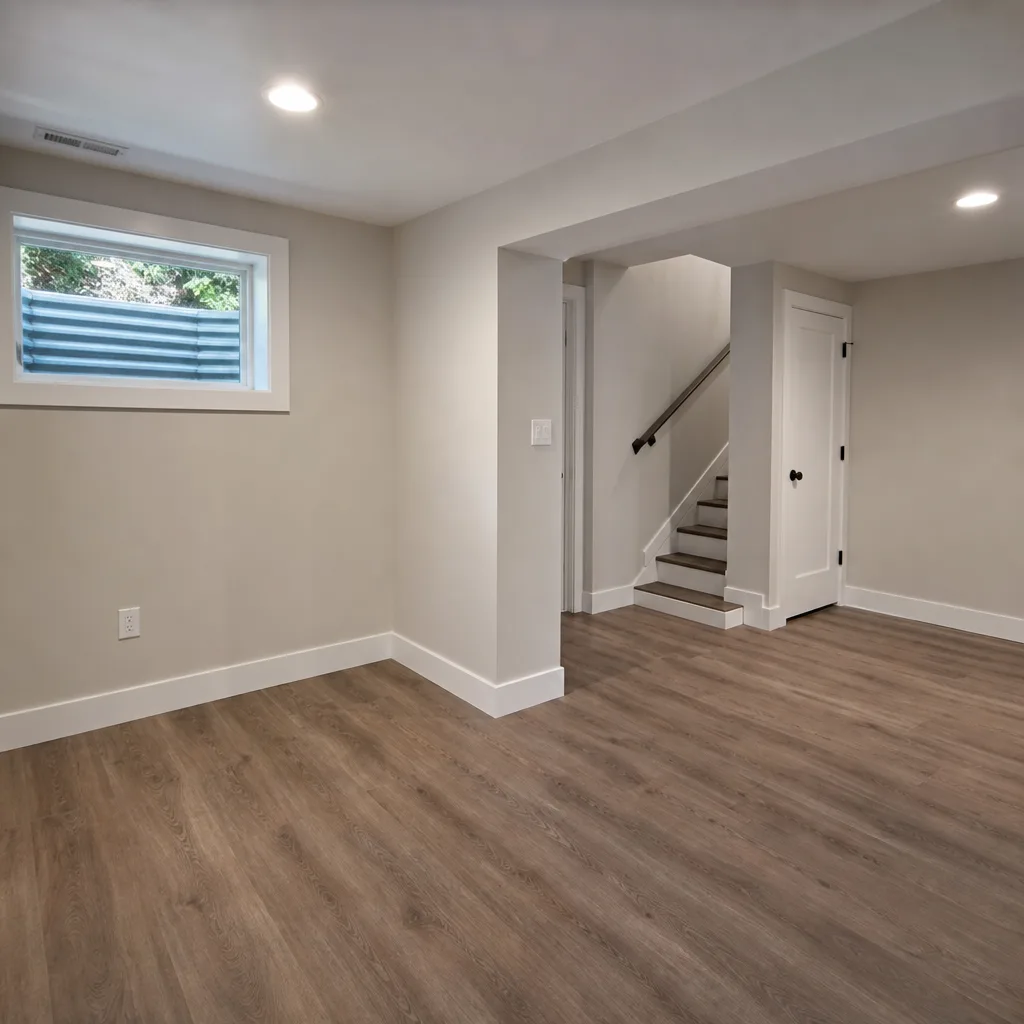 After
After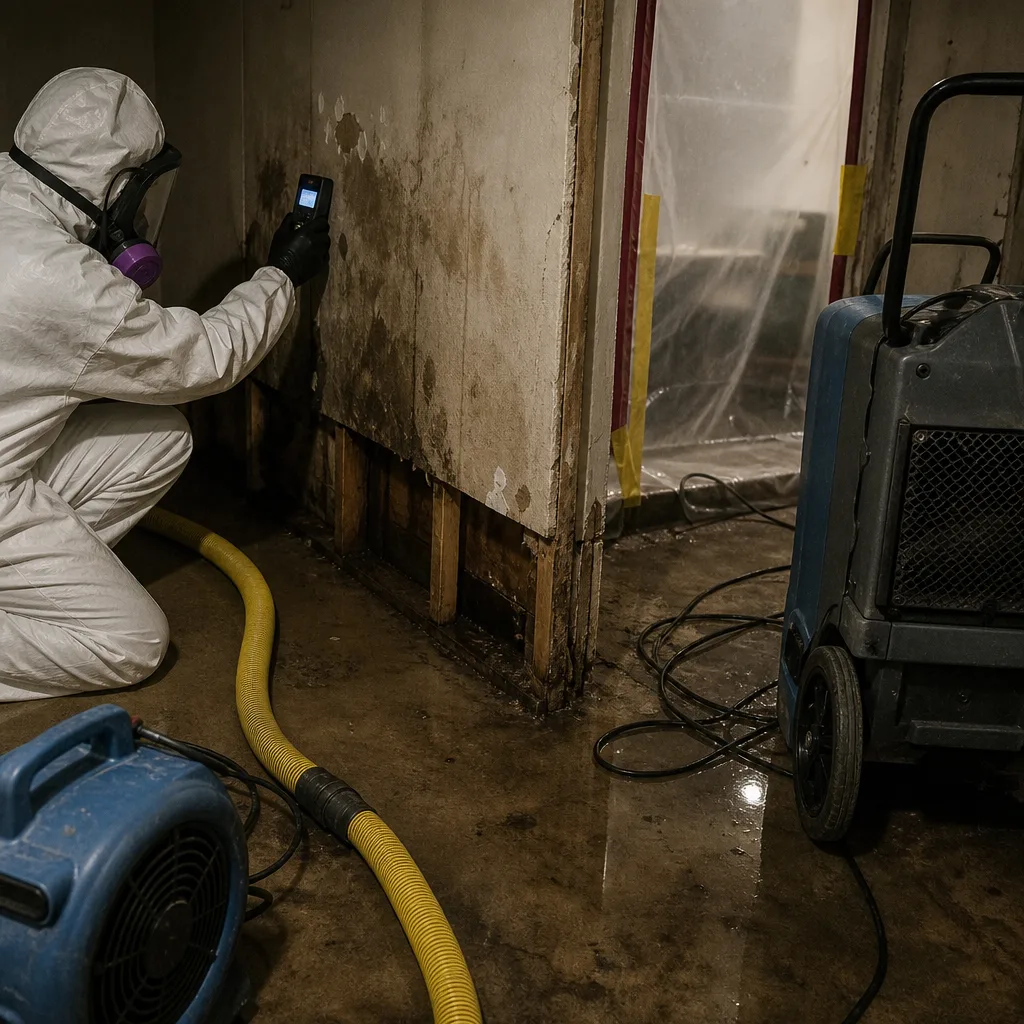 Before
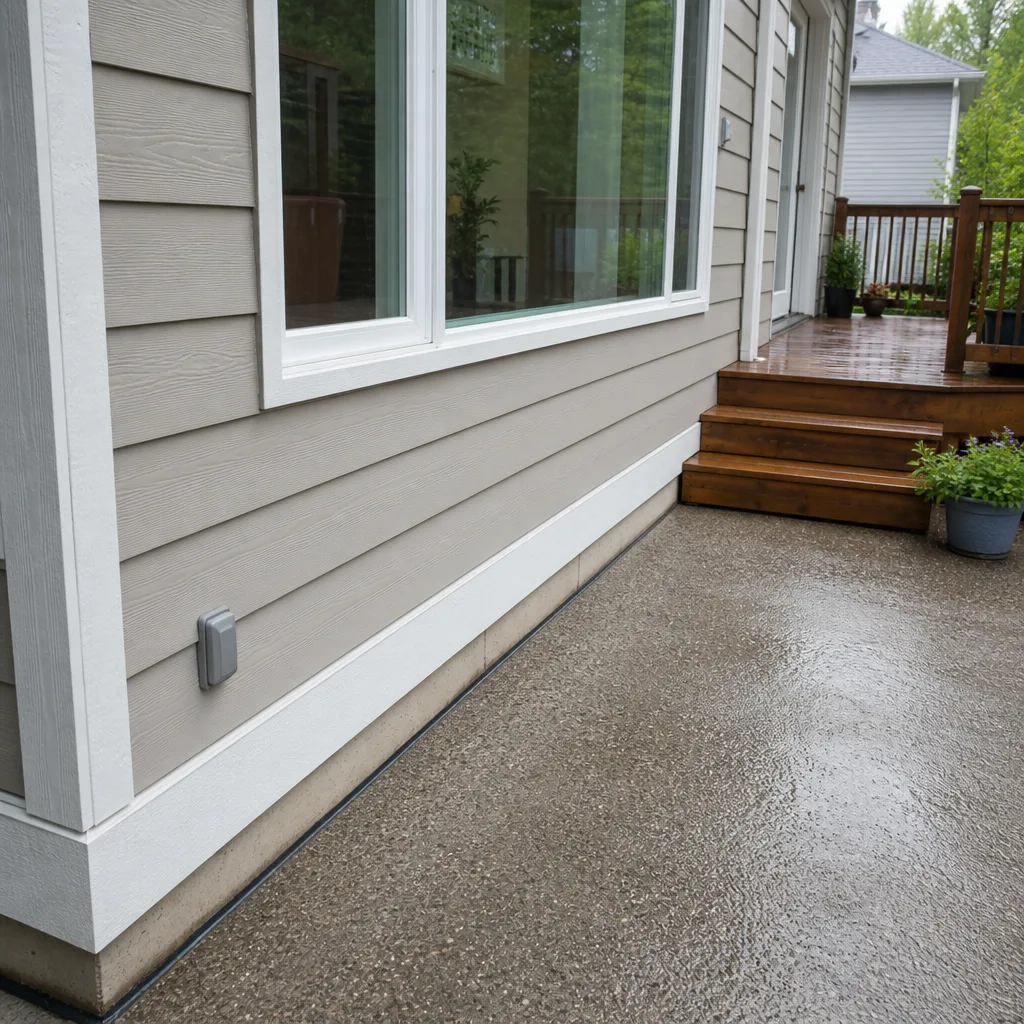 After
After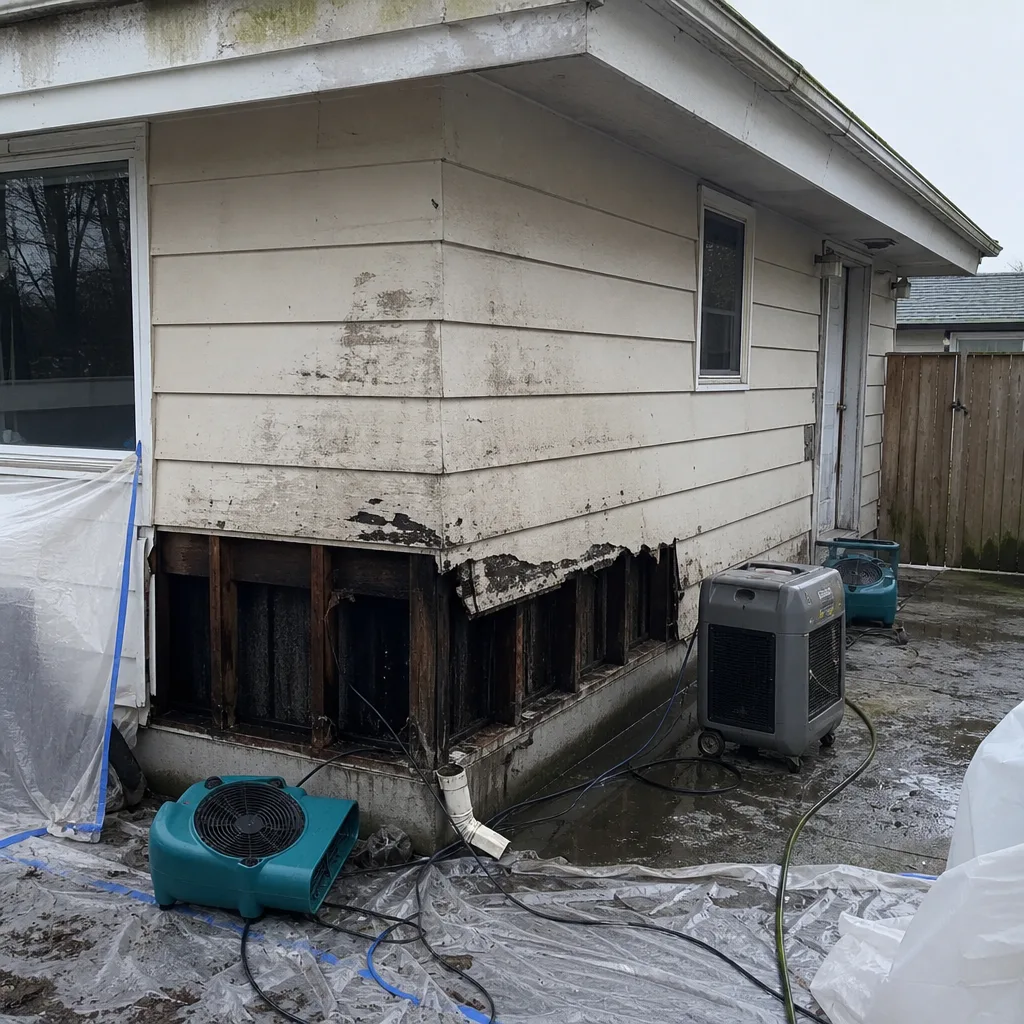 Before
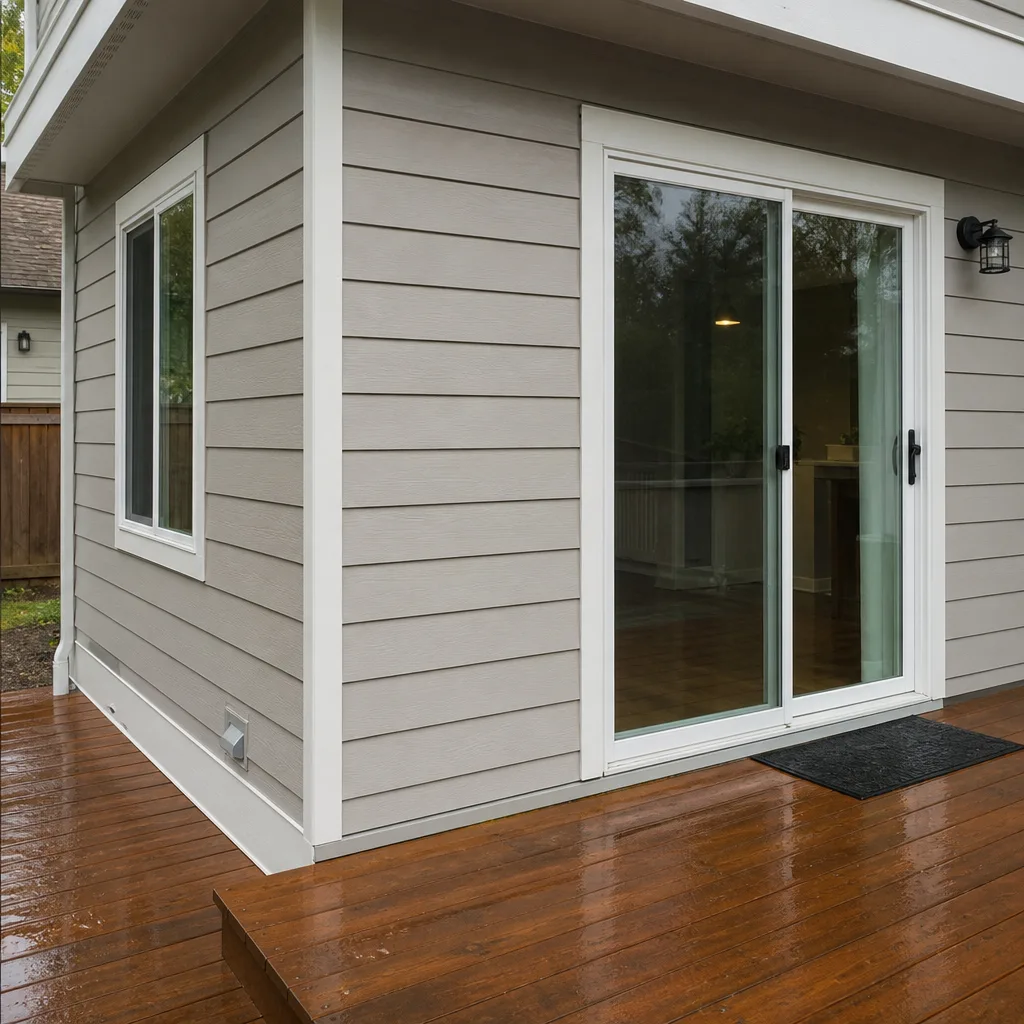 After
AfterDIY vs Professional Damage Restoration: The Redmond Homeowner’s Decision Guide
Here’s a scenario we’ve handled more than once in Redmond: a homeowner dries their own flooded basement after a washing machine hose bursts. The carpet feels dry. The drywall looks fine. Six months later, a mold claim gets denied because the insurer’s adjuster finds evidence of an undocumented prior water loss in the same footprint. The homeowner did competent work. They just didn’t produce the documentation that insurance policy language requires. In Redmond’s market, where median home values sit well above state averages and most homeowners carry replacement-cost policies with strict disclosure clauses, that gap between repair and record-keeping is where the real risk lives. This guide walks through when DIY restoration is genuinely defensible, when it isn’t, and how to protect your claim history either way.
Quick Answer
DIY damage restoration in Redmond is defensible only for small, clean-water incidents in open, accessible areas where you can produce complete documentation - dated photos, moisture readings, and a written log - before, during, and after drying. For Category 2 or 3 water, fire or smoke damage, mold contamination, or any loss affecting wall cavities, subfloors, or HVAC systems, professional restoration with documented IICRC-compliant drying logs is the only path that preserves future claim integrity and meets Washington State health code requirements.
Table of Contents
- When DIY Restoration Is Defensible in Redmond
- The Documentation Protocol That Protects Your Claim History
- Why Gray and Black Water Damage Is Never DIY in Washington
- The Equipment Gap: What Professional-Grade Systems Actually Catch
- How Washington Insurance Policy Language Treats Undocumented Prior Losses
- Redmond Climate and Housing Stock: Local Factors That Change the Math
- Common Mistakes to Avoid
- When to Call a Professional
- Frequently Asked Questions
- The Bottom Line
 Before
 After
AfterWhen DIY Restoration Is Defensible in Redmond
We’ve restored over 12,000 homes since 2011, and we’ve seen maybe two hundred where the homeowner could have handled the initial response without professional help. The common thread: small volume, clean source, hard surfaces, immediate access, and - this is the part almost everyone skips - the discipline to document every step.
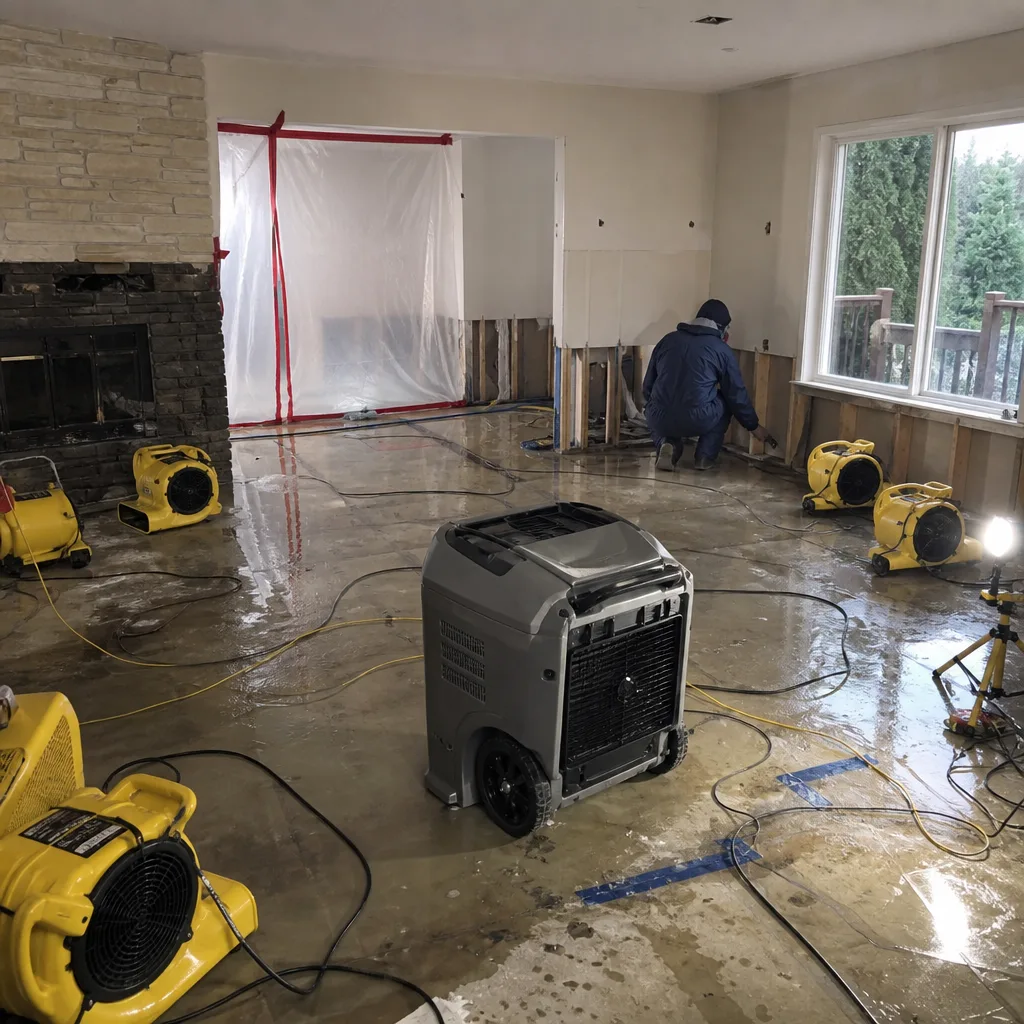
A defensible DIY scenario in Redmond looks like this: a supply line to a kitchen faucet fails while you’re home, you shut the water within minutes, and the affected area is limited to tile flooring in an open kitchen with no cabinetry penetration. The water is Category 1 - clean, potable, no contamination. You can see all wet materials. You own or can rent a commercial air mover and dehumidifier (not a box fan from Home Depot; we’ll get to why). And you’re willing to spend the time on documentation that rivals what a professional crew would produce.
Even here, there are Redmond-specific wrinkles. Homes in the Education Hill and Grass Lawn neighborhoods built between 1965 and 1985 often have original oak strip flooring over plywood subfloors with no vapor barrier. Water migrates horizontally under that plywood faster than it evaporates upward. What looks like a 12-square-foot kitchen floor problem can become a 40-square-foot subfloor problem in 72 hours. We’ve pulled up “dry” oak in Redmond homes and found moisture readings of 28% wood moisture content - well above the 16% threshold where mold colonization begins. The surface looked fine. The documentation didn’t exist.
Here’s the decision framework we use when homeowners call us for guidance:
- Volume under 50 gallons? Small spills are manageable. Anything larger requires extraction equipment most homeowners don’t own.
- Category 1 water only? If the source was a clean supply line, rainwater through a closed window, or melting ice from a freezer - maybe. Gray water (dishwasher, washing machine, shower drain) or black water (sewer backup, toilet overflow with solids) triggers health code requirements that prohibit DIY handling in King County.
- All materials visible and accessible? Water behind baseboards, under cabinets, or inside wall cavities requires invasive inspection. If you’re not willing to remove trim and drill inspection holes, you’re guessing.
- Can you document to professional standards? See the next section. If not, you’re building a prior-loss record with no defense.
The honest assessment: most Redmond homeowners who call us thinking they have a DIY candidate actually have a Category 2 situation, hidden cavity moisture, or both. The ones who genuinely don’t need us are usually glad to pay for a moisture inspection and written report that protects them at claim time.
The Documentation Protocol That Protects Your Claim History
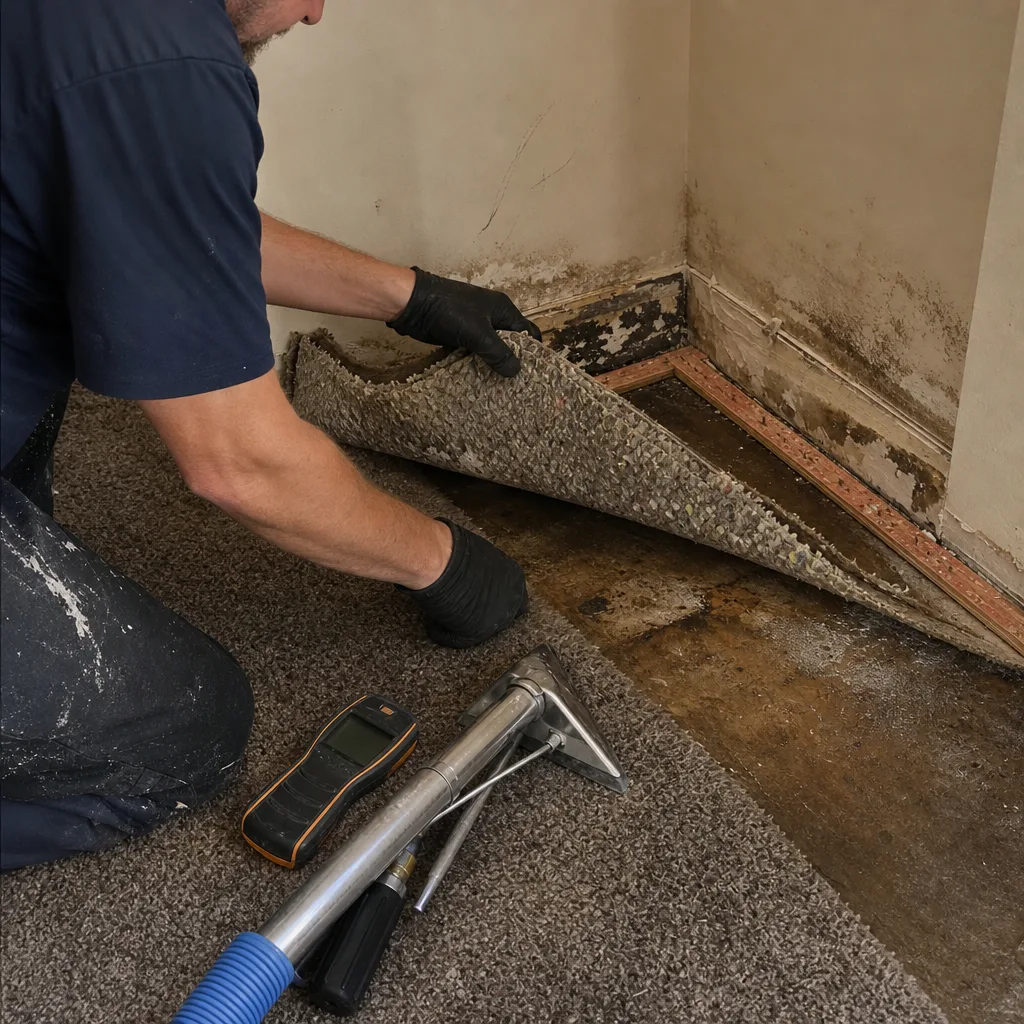
This is where the DIY-versus-professional debate actually lives. Not in cost. Not in capability. In documentation.
Washington State insurance policies contain prior loss disclosure requirements that most homeowners don’t read until they’re relevant. Standard ISO HO-3 and HO-5 forms used in King County include language requiring disclosure of “any water damage, mold, or moisture intrusion” within a lookback period that typically runs five to seven years. When you file a future claim, the insurer runs a CLUE report and often orders an interior inspection. Undocumented prior work shows up as irregularities - patched drywall with no permit, new flooring with no invoice, a basement that looks “too new” for the home’s age. The adjuster’s next question: was this disclosed? If not, was it material to the current loss?
We’ve seen claim denials in Redmond where the only issue was a homeowner-repaired toilet supply line leak from three years prior. The repair held. The mold that followed didn’t. The insurer denied on grounds of undisclosed prior loss and material misrepresentation.
If you choose DIY for a small, clean-water incident, here’s the minimum documentation set - drawn from our Water Damage Restoration Maintenance Checklist for Redmond Homeowners - that preserves your position:
- Pre-loss photos: Date-stamped images of the affected area before any water contact, showing condition of materials, contents, and adjacent spaces. Include wide shots and close-ups of baseboards, trim, and flooring transitions.
- Event documentation: Written log with date, time, source of water, approximate volume, and immediate actions taken (water shutoff, extraction, ventilation). Email this to yourself for timestamp verification.
- Moisture readings: Pin-type or pinless moisture meter readings at multiple points, recorded on a grid. For a 10×12 kitchen, that’s minimum 12 readings - perimeter, center, under appliances, at wall junctions. Record baseline (dry standard) from an unaffected room for comparison.
- Drying log: Daily readings with equipment placement noted. Air mover model and CFM rating. Dehumidifier pint-per-day capacity and relative humidity targets. Include psychrometric data if you have a hygrometer: temperature, relative humidity, and specific humidity at the dehumidifier intake and in the affected room.
- Post-drying verification: Final moisture readings matching or below baseline. Photos showing dry materials. Written statement that no odors, staining, or deformation remain.
- Retention: Store everything for minimum 10 years. Cloud backup plus physical copy. Include equipment rental receipts if applicable.
That’s six to ten hours of work for a small kitchen. Most homeowners do step one poorly and skip the rest. The ones who complete it often find, by day three of drying, that their consumer dehumidifier isn’t pulling enough vapor pressure differential to hit target equilibrium - and they call us anyway, now with a partial log that shows the gap.
Professional restoration produces this documentation as standard deliverable. At DryMark Restoration Redmond, every job includes a photo record on every visit, daily moisture logs with psychrometric data, and a written drying summary. Not as an upsell. As the baseline. It’s what turns a restoration invoice into a claim an adjuster pays without a fight.
Why Gray and Black Water Damage Is Never DIY in Washington
Category 2 water - gray water - carries enough contamination to pose health risks but not enough to trigger the most severe protocols. Category 3 - black water - is grossly contaminated and requires full PPE, regulated disposal, and post-remediation verification. The distinction matters legally, not just practically.
King County Board of Health Code Title 8, Chapter 8.08, requires that “sewage-contaminated building materials shall be removed and disposed of as solid waste by a licensed waste hauler” and that “affected areas shall be cleaned and disinfected with an EPA-registered antimicrobial before reconstruction.” The code doesn’t contain a homeowner exemption. Neither does Washington State Department of Health guidance on flood response, which explicitly recommends “professional water damage restoration services for Category 2 or 3 losses.”
In Redmond’s housing stock, the Category 2 risk is higher than newcomers expect. Homes in the Overlake and Bear Creek areas built during the 1970s and 1980s often have original galvanized drain lines that corrode from the inside. A washing machine drain backup looks like “gray water” - until you cut the line and find the rust scale and biofilm that’s been colonizing the pipe for forty years. We’ve tested “gray water” losses in Redmond that cultured positive for Enterobacter and Klebsiella at levels requiring professional remediation per IICRC S500 standards.
The health risk is real. The legal exposure is clearer. And the documentation gap is absolute: no homeowner can produce the waste manifests, antimicrobial application logs, and post-remediation clearance testing that insurers and county health expect after a Category 2 or 3 loss.
Specific scenarios we see in Redmond that are always professional-only:
- Sewer backup or toilet overflow with solids: Category 3 by definition. Requires full removal of porous materials, regulated disposal, and structural disinfection.
- Washing machine or dishwasher drain failures in homes with original galvanized plumbing: Often Category 2 escalating to Category 3 due to internal pipe corrosion and biofilm.
- Water entering from exterior foundation: Category 3 in most cases - soil contact introduces bacteria, chemicals, and potential petroleum contamination from underground storage.
- Any water loss standing more than 48 hours: Category 1 degrades to Category 2; Category 2 degrades to Category 3. Time is the variable, not appearance.
- Water affecting HVAC ductwork: Spore distribution risk requires professional containment and cleaning per NADCA standards.
The Haven Standard at DryMark Restoration Redmond includes explicit Category 2/3 protocols: full PPE for technicians, waste manifests for all removed materials, EPA-registered antimicrobial application with dwell-time documentation, and optional post-remediation air sampling. These aren’t marketing points. They’re the documentation that keeps your claim payable and your household compliant with county health requirements.
The Equipment Gap: What Professional-Grade Systems Actually Catch
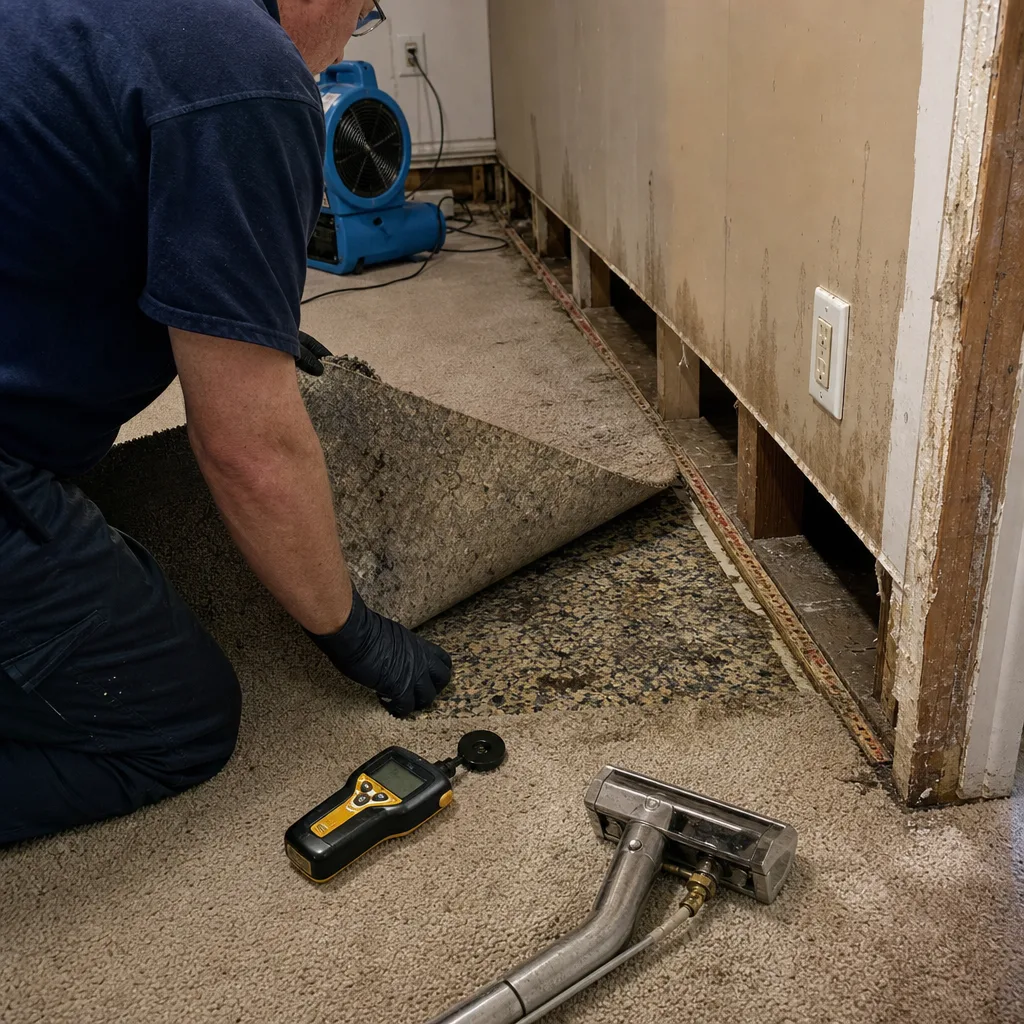
Here’s where we get specific about what separates consumer rental equipment from the systems we deploy on Redmond jobs.
A typical Home Depot dehumidifier rents for $50-70 daily and removes 50-70 pints of moisture per day at 80°F and 60% relative humidity. That’s AHAM rating conditions - warm and wet. Redmond’s average indoor conditions during water loss season (October through April) run closer to 65°F and 55% RH. At those conditions, that same unit might pull 30-35 pints daily. A professional-grade Phoenix 200 HT or Dri-Eaz LGR 7000XLi pulls 130-150 pints at AHAM conditions and maintains 80-100 pint performance at Redmond’s typical cooler temperatures because they’re low-grain refrigerant (LGR) units with air-to-air heat exchange.
The math matters. A 1,000 square foot basement with 2-inch water penetration into drywall and saturated carpet holds roughly 80-120 gallons of free water and absorbed moisture. At 35 pints per day, a consumer unit needs 18-27 days to reach equilibrium. At 100 pints per day, a professional LGR unit needs 6-9 days. Every extra day of drying is another day of microbial growth risk and structural deformation.
But the bigger gap isn’t dehumidification capacity. It’s detection capability.
Professional restoration uses three tools most homeowners don’t own and can’t rent:
- FLIR thermal imaging cameras: These detect evaporative cooling at wet surfaces, revealing water migration behind drywall and under flooring that looks dry to the eye. We scan every affected room on every visit. A $3,500 FLIR E8-XT resolves temperature differences of 0.05°C - enough to show a damp stud behind painted drywall that reads normal on a pinless meter.
- Pin-type moisture meters with deep-wall probes: Surface readings tell you the drywall face is dry. 3-inch insulated probes tell you the cavity behind it isn’t. We probe at 16-inch intervals along every wet wall, recording each reading on the drying log.
- Injectidry HP-PLUS cavity drying systems: These use negative air pressure and directed airflow through small injection ports to dry inside wall cavities without removing drywall. Critical in Redmond’s finished basements, where full demolition would destroy $15,000-40,000 in built-ins, flooring, and trim.
The detection gap creates the documentation gap. You can’t log what you can’t find. And what you can’t find becomes the moisture source for mold that appears six months later, right when you’re filing an unrelated claim.
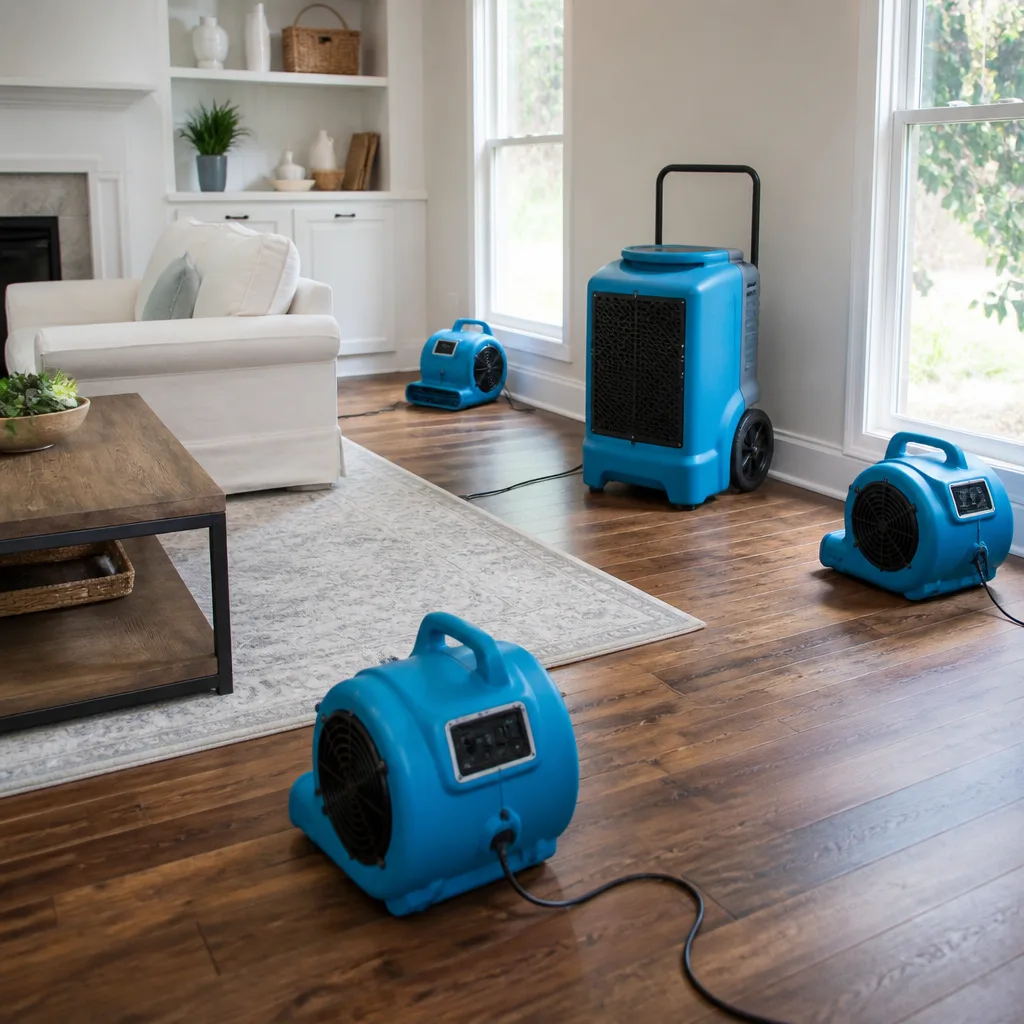
Our typical Redmond water loss deploys: Phoenix 200 HT or Dri-Eaz LGR 7000XLi dehumidifiers, XPOWER or B-Air air movers at calculated CFM per square foot, and Injectidry cavity systems where wall moisture exceeds 20% wood moisture content. Every unit’s serial number, placement, and runtime goes on the drying log. That’s the documentation that satisfies adjuster review.
How Washington Insurance Policy Language Treats Undocumented Prior Losses
This section is the one most restoration companies won’t write, because it requires acknowledging that some homeowners successfully DIY small losses. We’re not afraid of that. The Haven Standard was built by a former claims adjuster who knows exactly how insurers evaluate prior loss.
Washington State uses standard ISO policy forms with state-mandatory amendments. The relevant language, found in most HO-3 and HO-5 declarations pages, requires the insured to “disclose any known prior loss, water damage, or mold remediation” at application and renewal. The lookback period varies by carrier - Safeco and PEMCO typically ask five years; State Farm and Allstate often use seven. Some surplus lines carriers ask ten.
The “known” standard is objective, not subjective. If you repaired a water loss yourself, you knew about it. The fact that you didn’t file a claim doesn’t remove the disclosure obligation. And the fact that you “forgot” doesn’t shield you from rescission or denial if the insurer later discovers evidence of unreported work.
Here’s how discovery happens:
- CLUE database: Comprehensive Loss Underwriting Exchange records claims, but also records inquiries - a call to your agent asking about coverage for a loss, even if no claim is filed. That inquiry sits on your record for five years.
- Interior inspection: At claim time, adjusters photograph every room. New flooring, patched drywall, paint overspray, or trim mismatches trigger questions. If the work wasn’t permitted and you have no contractor invoice, the adjuster notes “possible prior loss, undocumented.”
- Mold testing: Air or ERMI sampling that finds multiple mold species in a wall cavity suggests prior moisture intrusion. The adjuster requests five years of maintenance records. Your lack of documentation becomes their basis for limitation or denial.
The specific risk in Redmond: high home values mean most owners carry replacement-cost endorsements with “matching” provisions for flooring and cabinetry. These endorsements are expensive for insurers to honor, so they scrutinize prior loss history aggressively. An undocumented DIY repair from 2022 becomes the basis for limiting a $40,000 kitchen cabinet matching claim in 2025.
Professional restoration with complete documentation - photo record, drying log, written scope - creates a paper trail that satisfies disclosure. The claim history shows “water loss, professionally remediated, documented to IICRC S500.” That’s a defensible prior loss. “Fixed it myself, seemed fine” is not.
Redmond Climate and Housing Stock: Local Factors That Change the Math
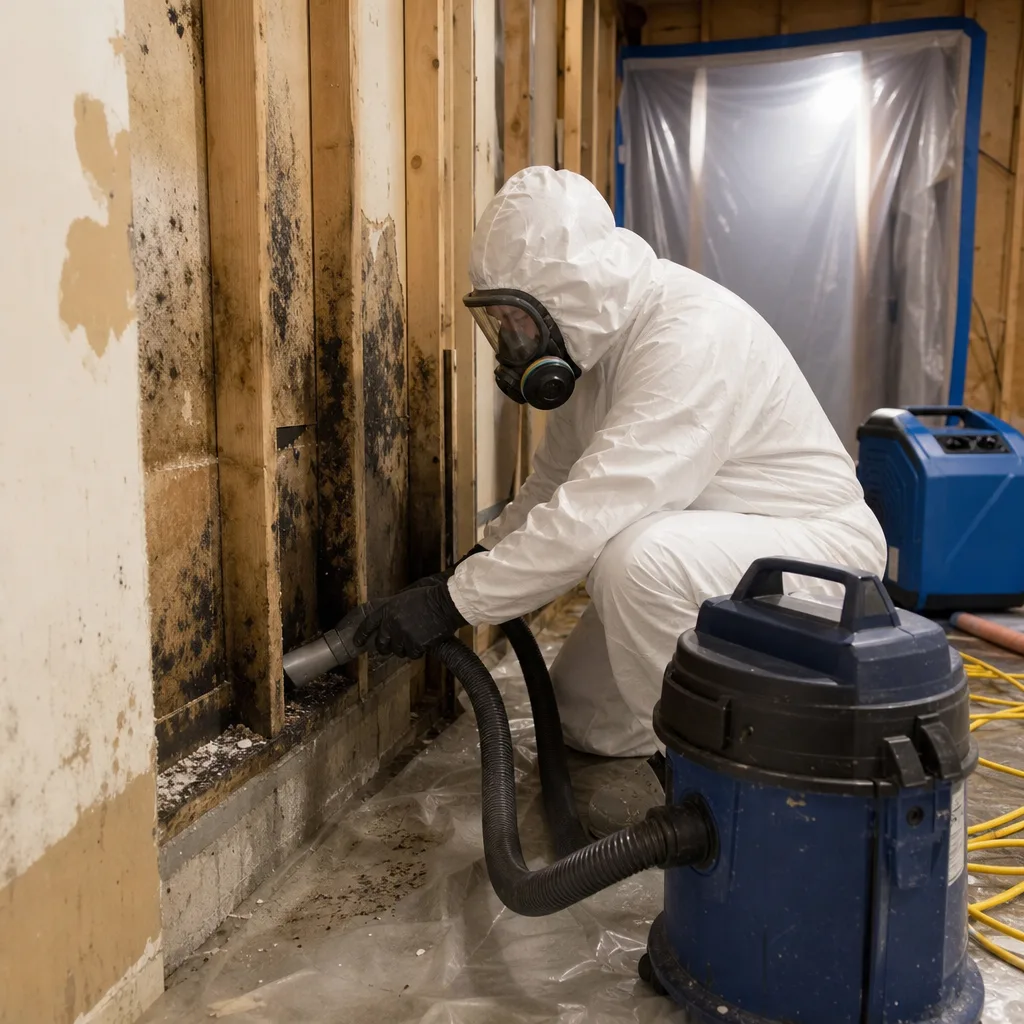
Redmond’s specific conditions make some DIY assumptions dangerous.
The city sits at 450 feet elevation on the eastern edge of the Puget Sound convergence zone, receiving 35-40 inches of annual precipitation concentrated October through April. Winter indoor relative humidity in unconditioned spaces routinely hits 65-70%. That means materials that read “dry” in summer may read “at risk” in winter, because the equilibrium moisture content of wood and gypsum shifts with ambient vapor pressure.
We’ve measured oak flooring in Redmond homes at 13% EMC in August and 16% EMC in February - the same house, no new water intrusion, just seasonal variation. A homeowner who dries to “feels dry” in October may be stopping 3% above the mold threshold because their baseline is wrong for the season.
Redmond’s housing stock adds complexity:
- 1960s-1980s rambler and split-level homes in Education Hill and Grass Lawn: Original construction often lacks vapor barriers in crawl spaces, uses asphalt felt rather than house wrap, and has single-pane windows replaced with vinyl retrofits that trap moisture in wall cavities. These homes dry slowly and unpredictably.
- 1990s-2000s homes in Overlake and Bear Creek: Better envelope sealing, but often with original polybutylene supply lines or recalled brass fittings that fail catastrophically. When they go, the volume is high and the pressure drives water into unexpected cavities.
- 2010s+ construction in Redmond Ridge and Novelty Hill: Tight envelopes with minimal drying potential. Any water intrusion requires active, aggressive drying because passive ventilation is insufficient.
The Sammamish River watershed also creates localized groundwater pressure that pushes hydrostatic moisture through slab foundations, particularly in the lower-elevation neighborhoods near Marymoor Park. Homeowners who attribute damp basements to “humidity” may have active water intrusion that requires professional assessment and drainage correction.
These aren’t abstract concerns. They’re the specific conditions we document on every Redmond job, because they’re the variables that explain why drying took longer than standard, or why mold appeared despite apparent successful drying. Without that context in your documentation, an adjuster has no reason to believe your DIY repair was adequate for local conditions.
Common Mistakes to Avoid
- Using household fans instead of air movers: A box fan moves 1,500 CFM with no directional control. A professional air mover moves 3,200+ CFM with focused laminar airflow across wet surfaces. The difference is measured in days of drying time and dollars of secondary damage.
- Stopping when carpet feels dry: Carpet is the top layer of a system that includes pad, subfloor, and potentially concrete slab or wood joists. Surface dryness means nothing for the materials underneath, which is where mold establishes.
- Applying bleach to mold: Bleach doesn’t penetrate porous materials and can actually feed mold by adding moisture. In Washington, improper mold treatment without containment also violates worker safety regulations if anyone besides the homeowner is exposed.
- Not photographing before disturbing anything: Insurance adjusters need to see pre-loss condition to verify scope. A photo of wet carpet over dry pad is evidence of limited migration. No photo means the adjuster assumes worst-case scenario - or denies for lack of proof.
- Ignoring the permit requirement: King County requires permits for drywall replacement exceeding 32 square feet in a single room, and for any electrical or plumbing repair associated with water damage. Unpermitted work triggers disclosure obligations and can complicate future sales.
- Assuming “no smell means no mold”: Active mold growth often produces no detectable odor until disturbance. By the time you smell it, you’ve likely released spores into the HVAC system. In Redmond’s tight modern homes, that distribution happens fast.
- Failing to verify drying with third-party testing: Even professional restorers should confirm dry standards with independent moisture readings. Homeowners who skip this step have no objective verification that their effort succeeded.
When to Call a Professional
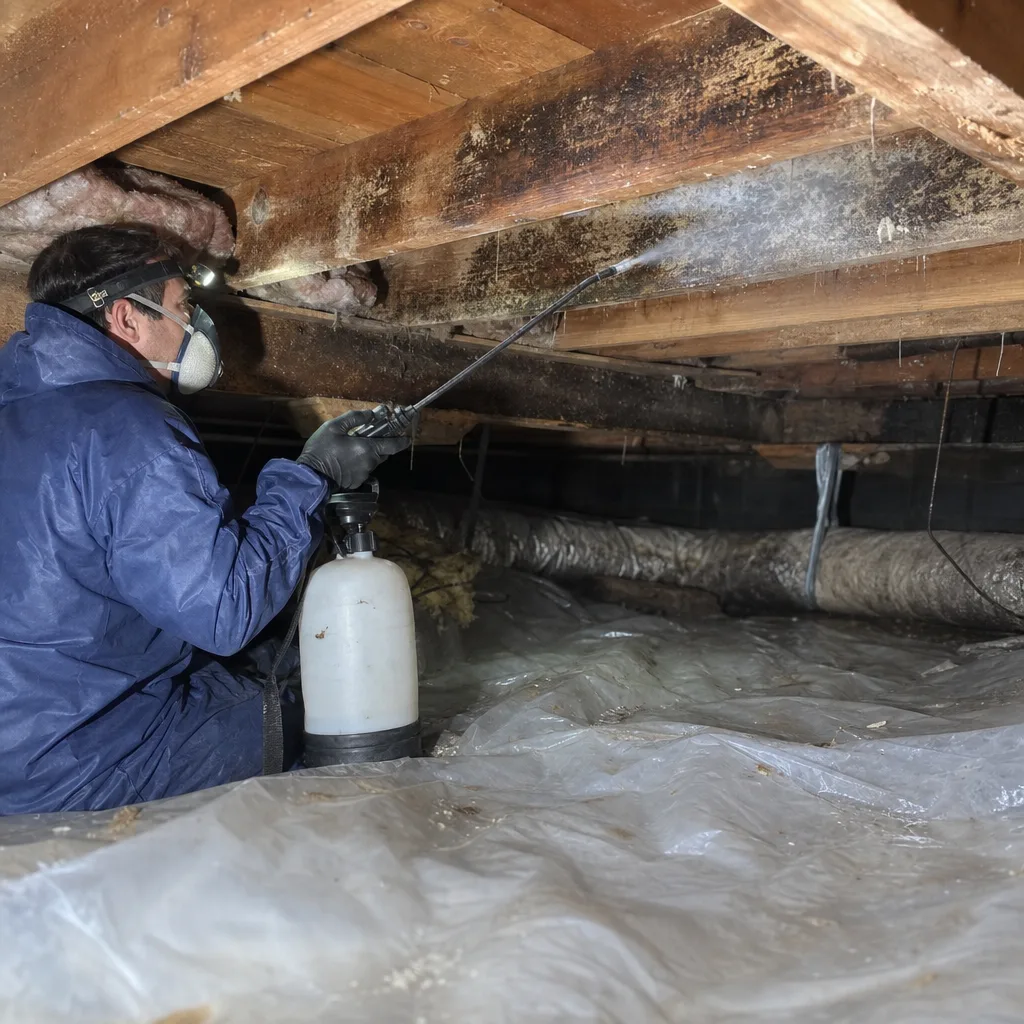
Call a professional when the water is anything but clean and contained, when materials are hidden from view, when the volume exceeds what you can extract with a wet-dry vacuum in an hour, or when your documentation would need to satisfy an insurance adjuster five years from now.
Specifically: sewage backup, water entering from outside, any loss standing more than 24 hours, mold visible or suspected, fire or smoke damage, or any water affecting electrical panels, HVAC systems, or structural elements. These aren’t judgment calls. They’re categories where Washington health code, insurance policy language, or structural safety requirements mandate professional handling.
DryMark Restoration Redmond offers free estimates in Redmond - call (425) 689-8468. Every estimate includes a written scope and price before any work begins, per Haven Standard, Clause 1. We also provide free second opinions on any competitor’s written estimate. If you’ve already started DIY and want verification, we’ll document what you’ve done, identify gaps, and give you a written assessment you can add to your records.
Frequently Asked Questions
Typical Redmond water damage restoration ranges from $1,800 for limited clean-water extraction and drying of a single room to $8,500-15,000 for whole-basement remediation with cavity drying and content manipulation. Category 2 or 3 losses, mold remediation, or reconstruction add scope. DryMark Restoration Redmond provides a written price before any work starts on every job - no exceptions, per Haven Standard, Clause 1. Call (425) 689-8468 for a specific estimate; assessments are free.
Insurance covers the resulting damage from a covered peril, not the repair method. If you DIY competently and document thoroughly, the insurer pays for the damage itself. If you DIY poorly and cause additional damage, the insurer may deny the secondary loss as negligence. The bigger risk: undocumented DIY creates a prior-loss record that can compromise future claims even if the repair was adequate. Professional restoration with complete documentation eliminates that exposure.
DryMark Restoration Redmond answers live, 24 hours a day, 7 days a week - no voicemail trees. Emergency response crews typically arrive within 60-90 minutes for active water losses in Redmond city limits. For water damage restoration in Redmond, speed matters because Category 1 water degrades to Category 2 in 48-72 hours, and microbial growth begins at 72 hours on most organic materials.
Visible mold on a hard, non-porous surface (tile, glass, sealed metal) smaller than 10 square feet can sometimes be addressed with proper PPE and EPA-registered antimicrobial. But “visible” is the key word. Mold in wall cavities, HVAC systems, or porous materials (drywall, carpet, insulation) requires professional containment, negative air pressure, and removal per IICRC S520 standards. King County health code requires regulated disposal of mold-contaminated building materials. For mold remediation in Redmond, professional assessment determines whether you’re seeing the full extent or just the visible fraction.
At minimum: pre-loss and post-restoration photos, daily moisture readings with equipment placement, a written scope of work with line-item pricing, waste manifests for removed materials, and a completion certificate. Under The Haven Standard, DryMark Restoration Redmond adds: a photo record on every visit (not just first and last), psychrometric data on every drying log, and the 365-Day Done Right Promise in writing. These documents become your defense at claim time, sale time, or any future dispute.
Some equipment is available through specialty rental channels, but the rental cost for a three-day LGR dehumidifier, four air movers, and a moisture detection kit often approaches $800-1,200 - without the expertise to place it correctly, interpret readings, or know when dry standards are reached. More critically, rental equipment doesn’t come with the documentation protocol that protects your claim history. If you’re considering this path, call us for a free assessment first. We’ll show you what we’d document and why, so you can decide whether the DIY savings are real.
Nondisclosure of known prior loss is material misrepresentation in Washington. If discovered, the insurer can rescind the policy (return premium, cancel coverage retroactively) or deny a current claim. Discovery happens through CLUE inquiries, interior inspections, or contractor records. The five-to-seven-year lookback means a 2022 DIY repair can affect a 2027 claim. Documentation doesn’t remove the disclosure obligation, but it makes the disclosure defensible - “professionally remediated, documented, no recurrence” versus “fixed it myself, no records.”
Almost never. Fire damage involves structural assessment, smoke residue chemistry that varies by burned materials, and odor removal requiring thermal fogging or ozone treatment. Fire & smoke damage restoration in Redmond requires IICRC S730-certified technicians who can identify protein smoke (kitchen fires) versus synthetic smoke (plastic fires) and apply the correct cleaning protocol. DIY attempts often drive residues deeper into porous materials, making professional remediation more expensive than if you’d called immediately.
The Bottom Line
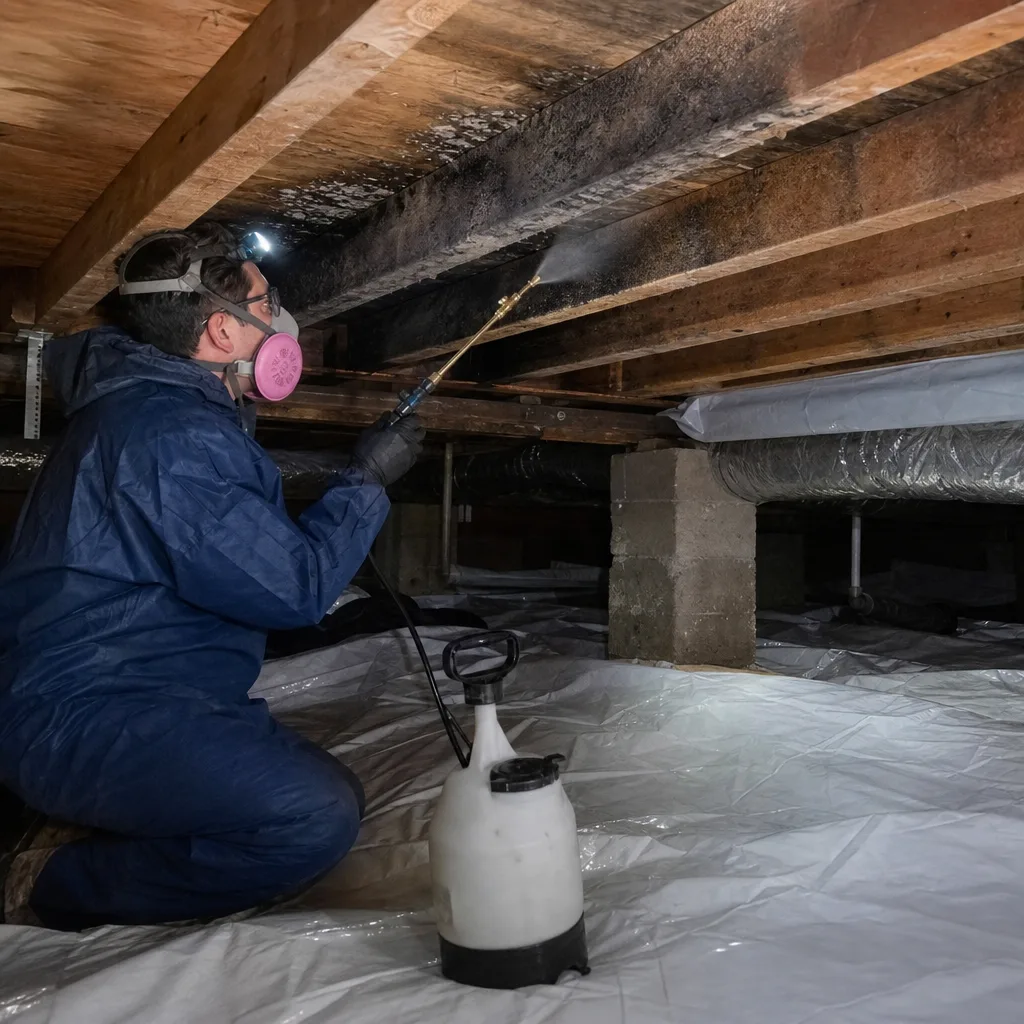
The DIY-versus-professional decision isn’t about whether you can handle the repair. It’s about whether you can produce the documentation that makes the repair defensible at the worst possible moment - a future claim, a home sale, or a health department inquiry. In Redmond’s market, with its high property values, strict insurance scrutiny, and specific climate challenges, the documentation gap is the risk that outlasts the water.
Small, clean, contained, immediately addressed losses with complete photo and moisture documentation: DIY is defensible. Everything else - gray water, black water, hidden cavities, fire, smoke, mold, or any loss you can’t fully document - requires professional restoration with IICRC-compliant records. The cost difference is often smaller than homeowners expect, and the protection difference is larger than most realize until it’s too late.
Call (425) 689-8468 for a free assessment and written estimate. Every estimate includes a documented scope, a firm price before work begins, and a clear explanation of what documentation you’ll receive. Or bring a competitor’s written estimate for a free second opinion. Either way, you’ll know exactly where you stand.
Written by Alicia Brennan, Owner at DryMark Restoration Redmond, serving Redmond since 2011.