
Last updated September 23, 2026
Free visual inspection and a written scope of work before any mitigation begins - photos, moisture readings, and drying logs go in your claim file
The scope we write is the scope we bill. Anything new gets shown to you, in writing, before we touch it.
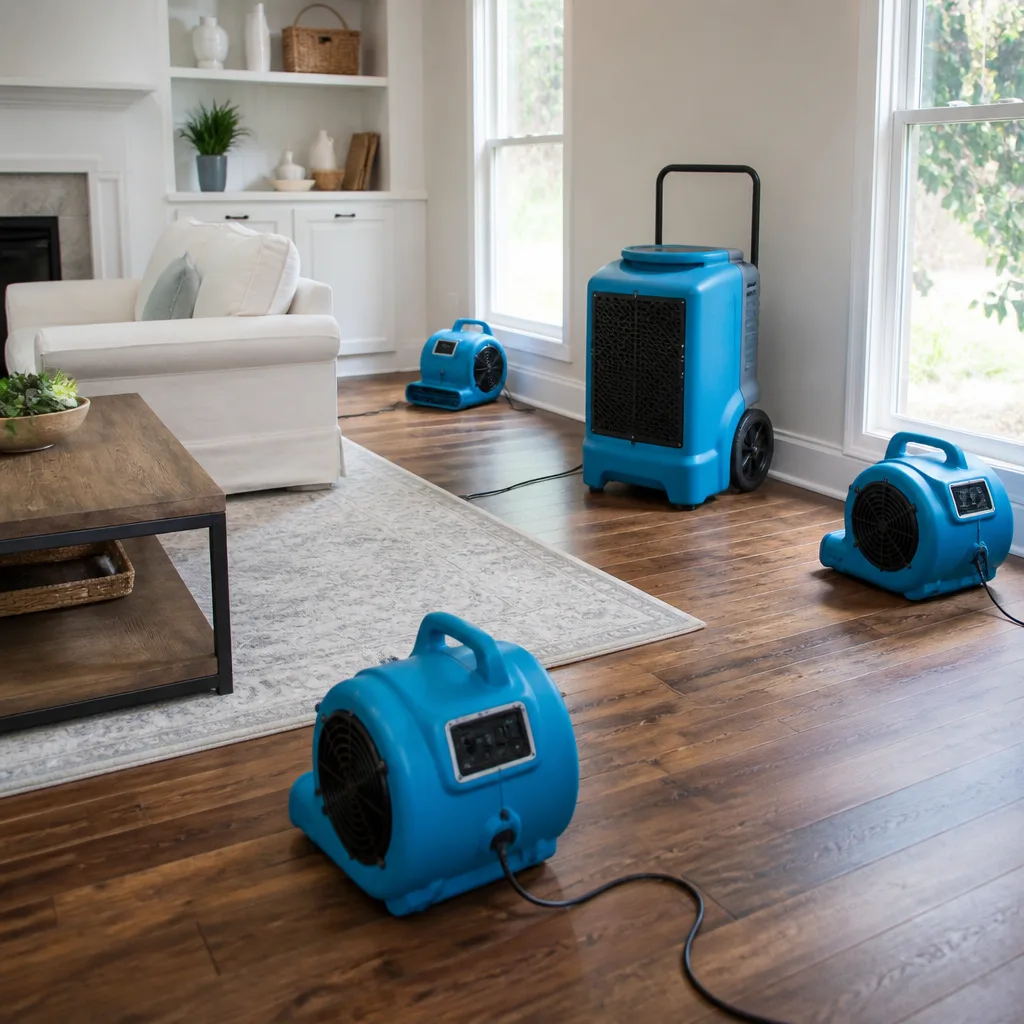
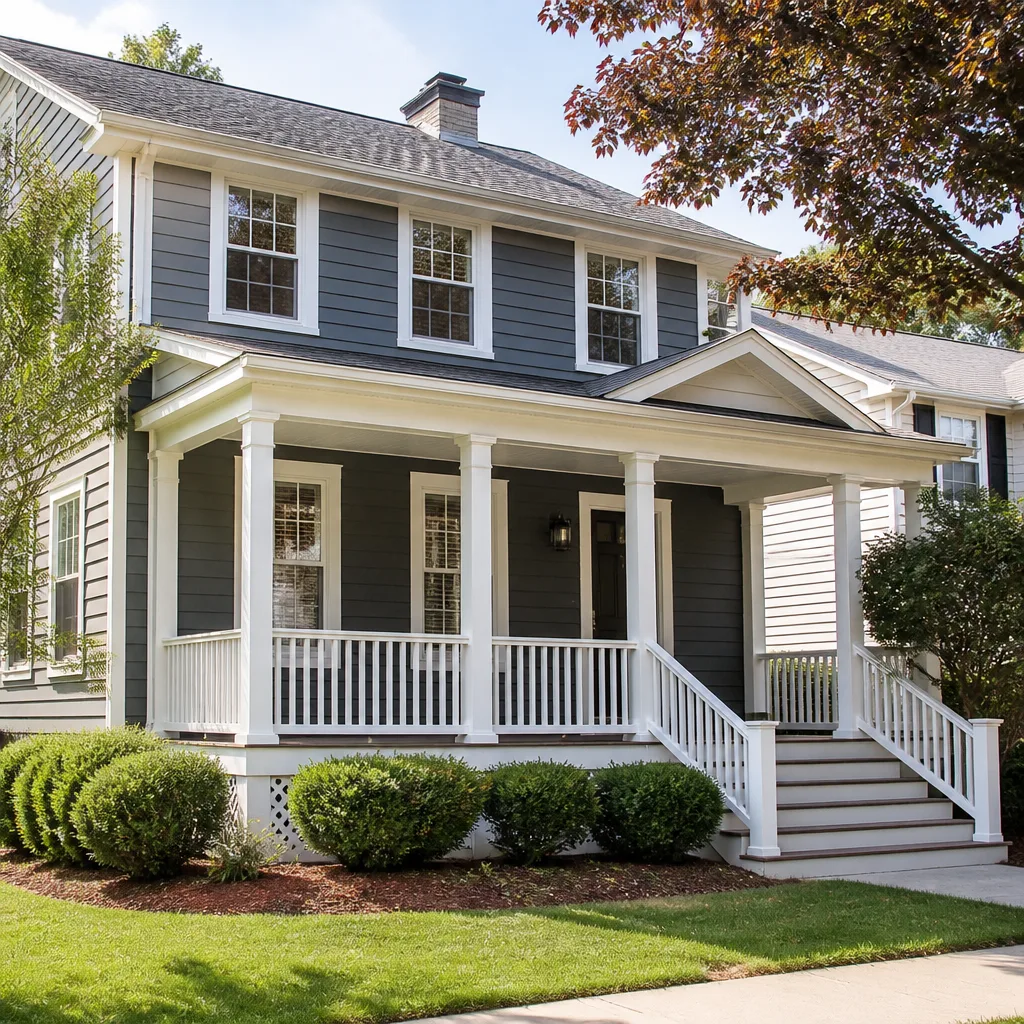
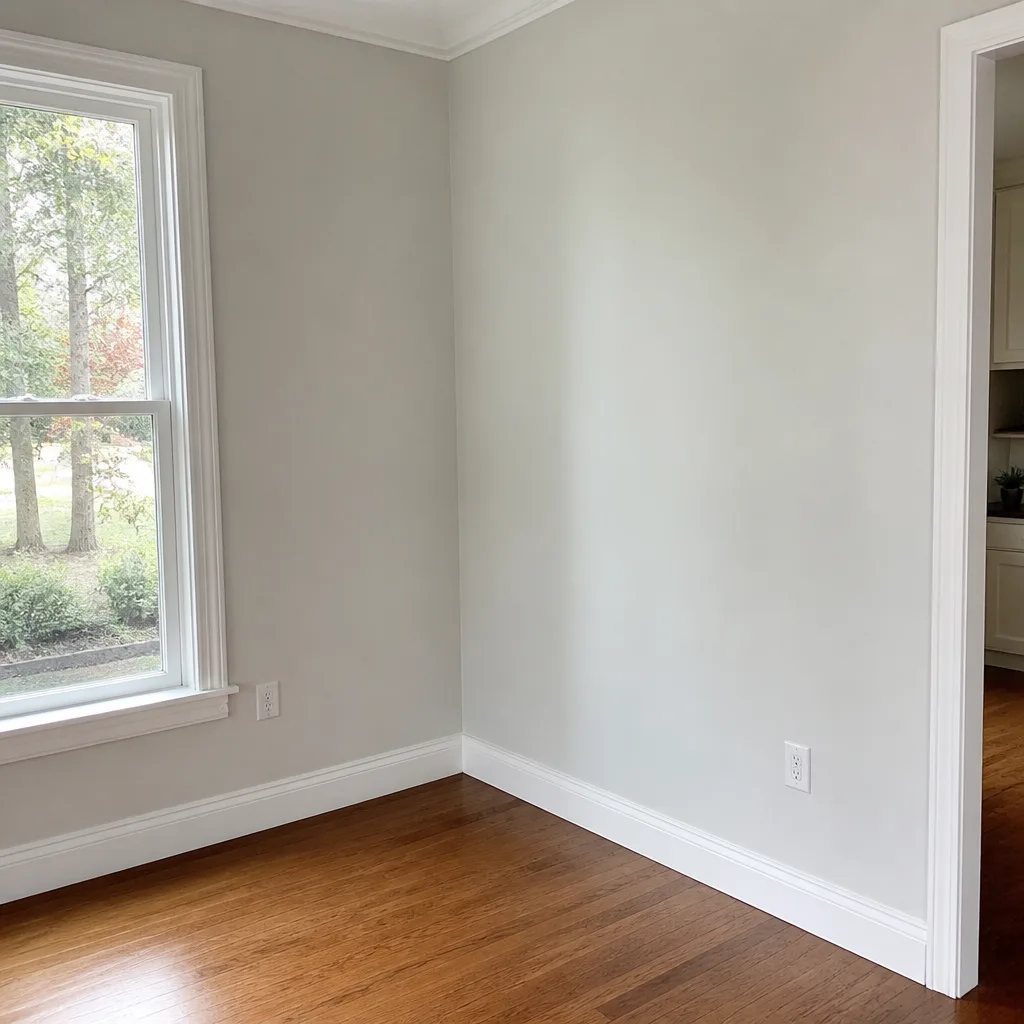
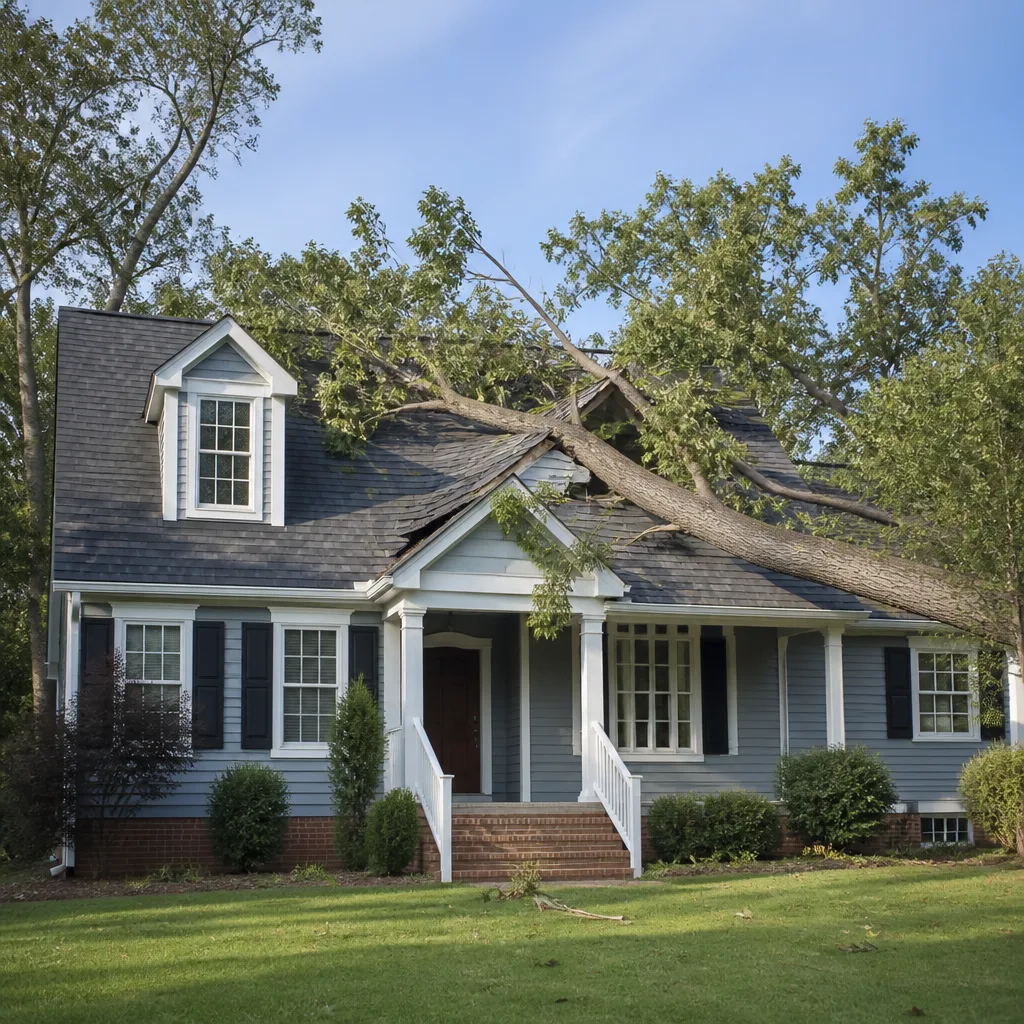
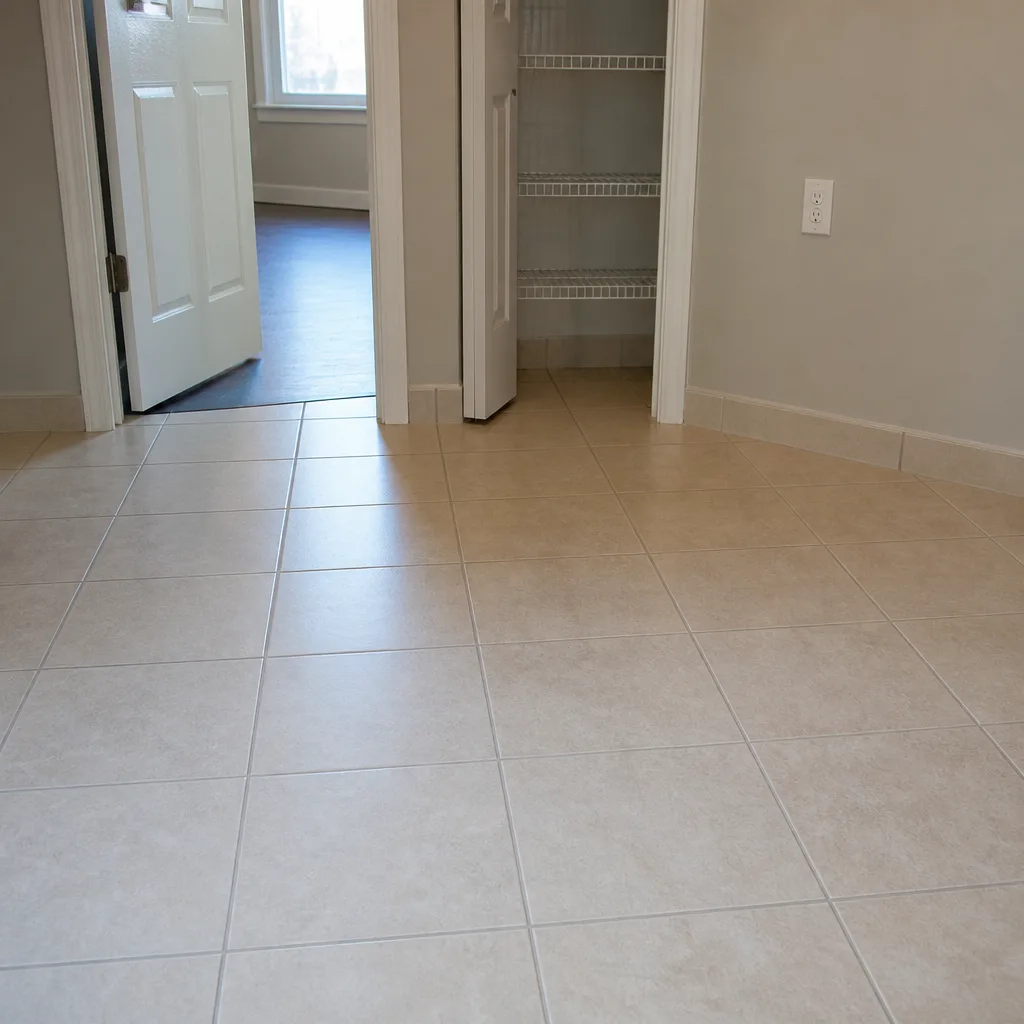
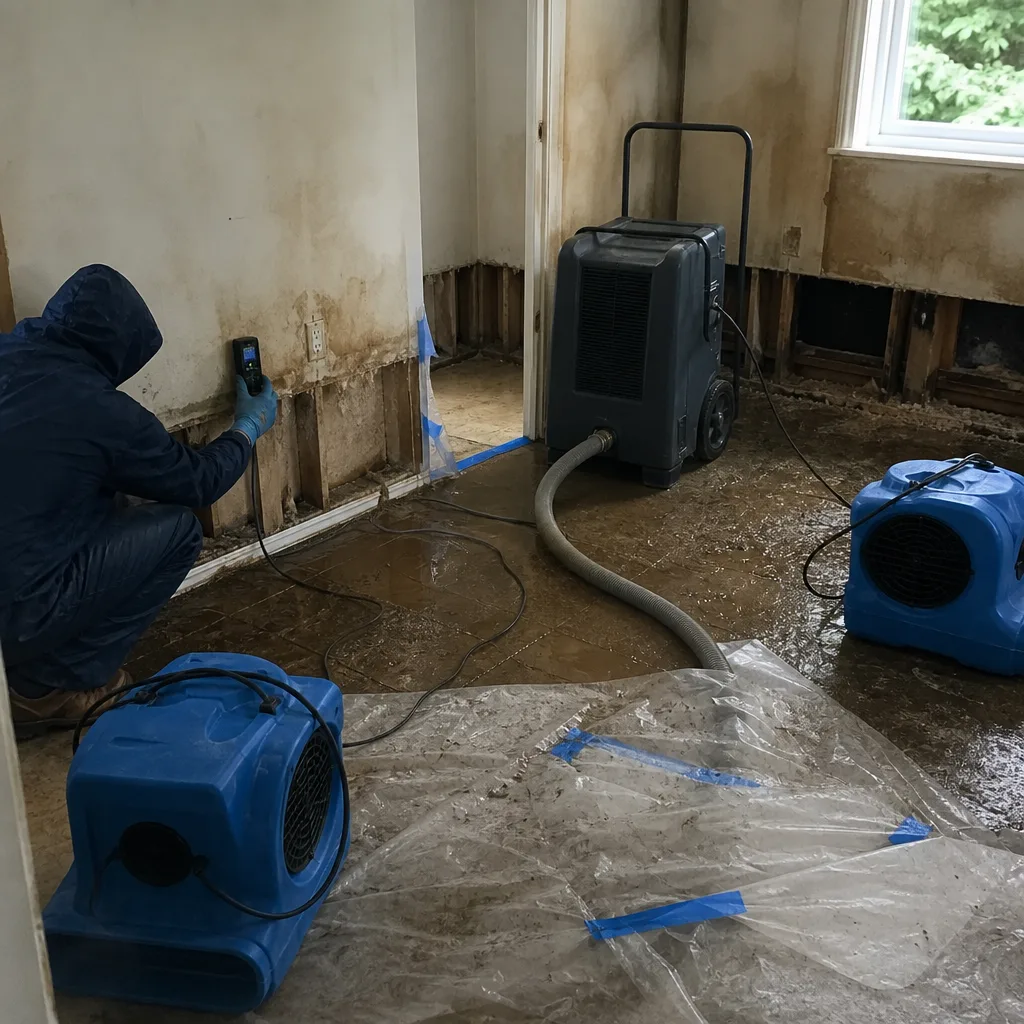 Before
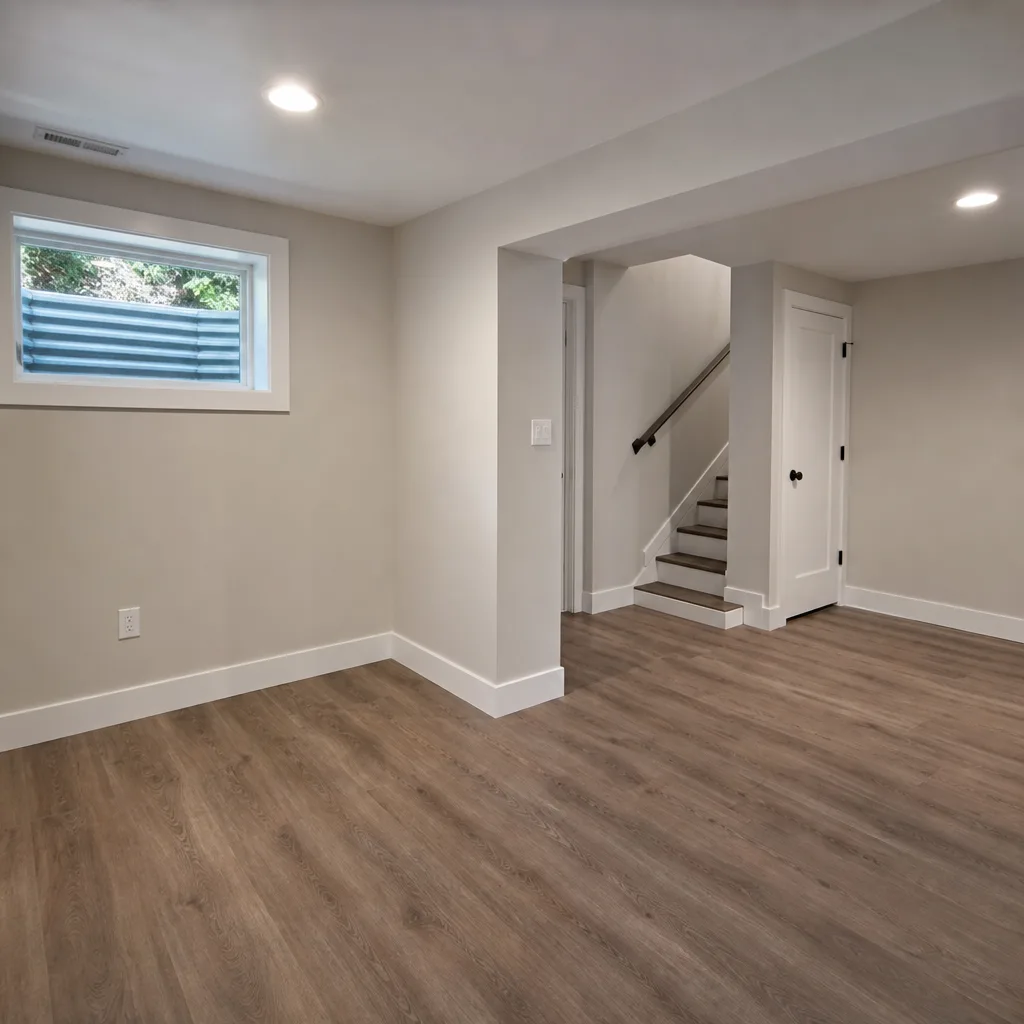 After
After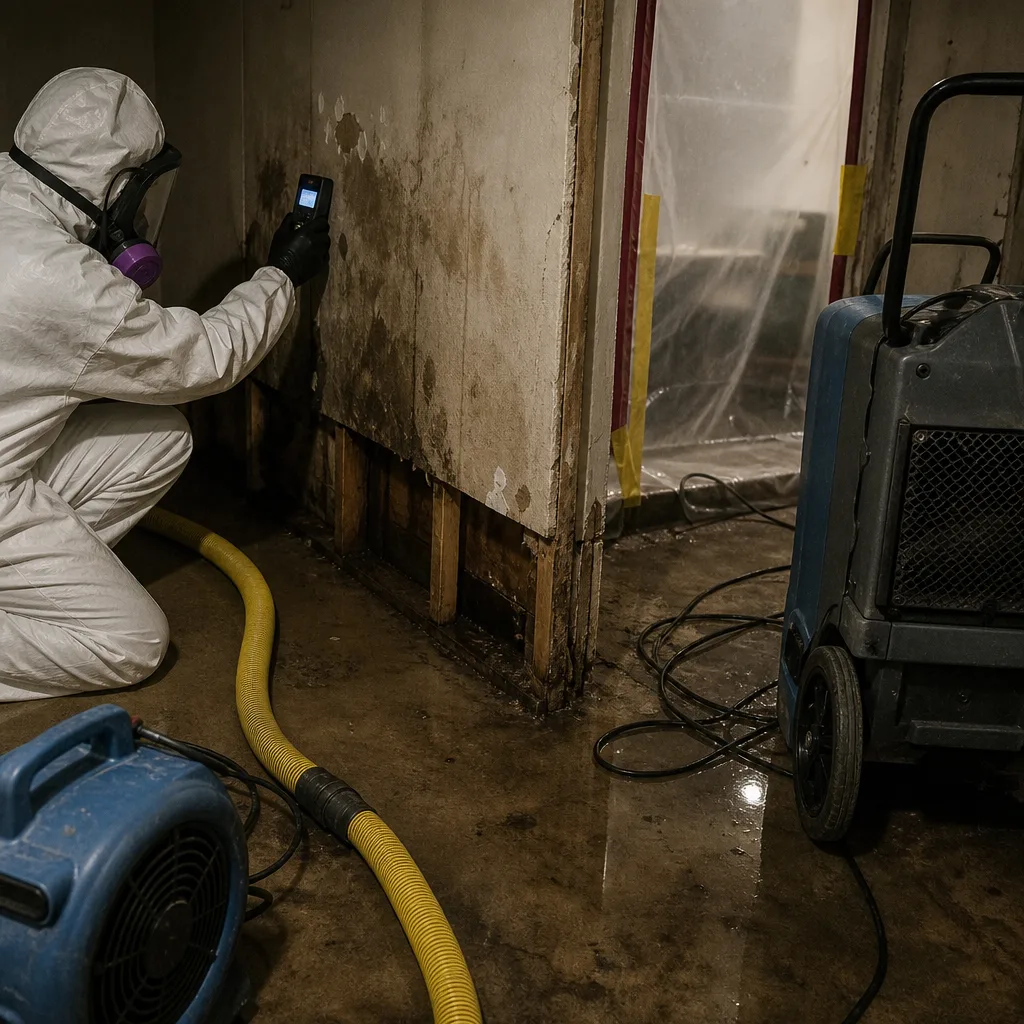 Before
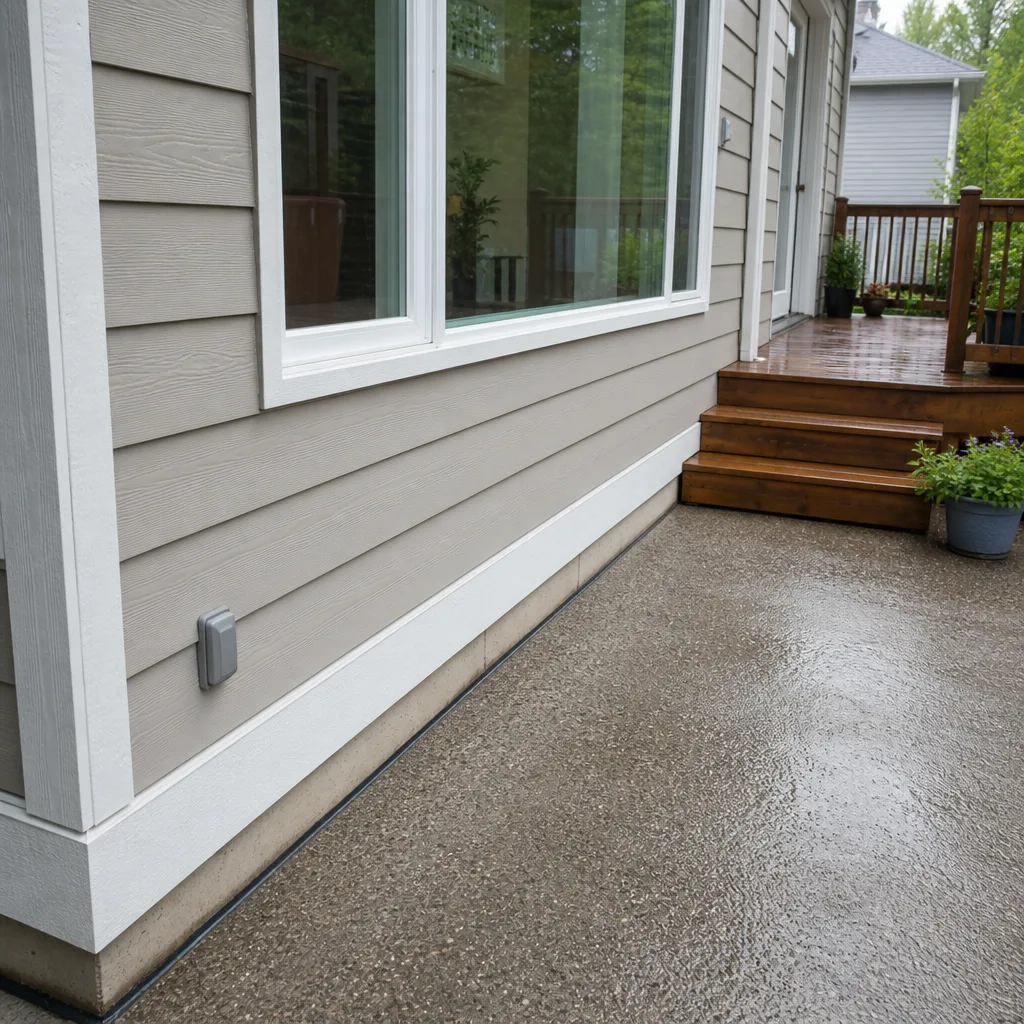 After
After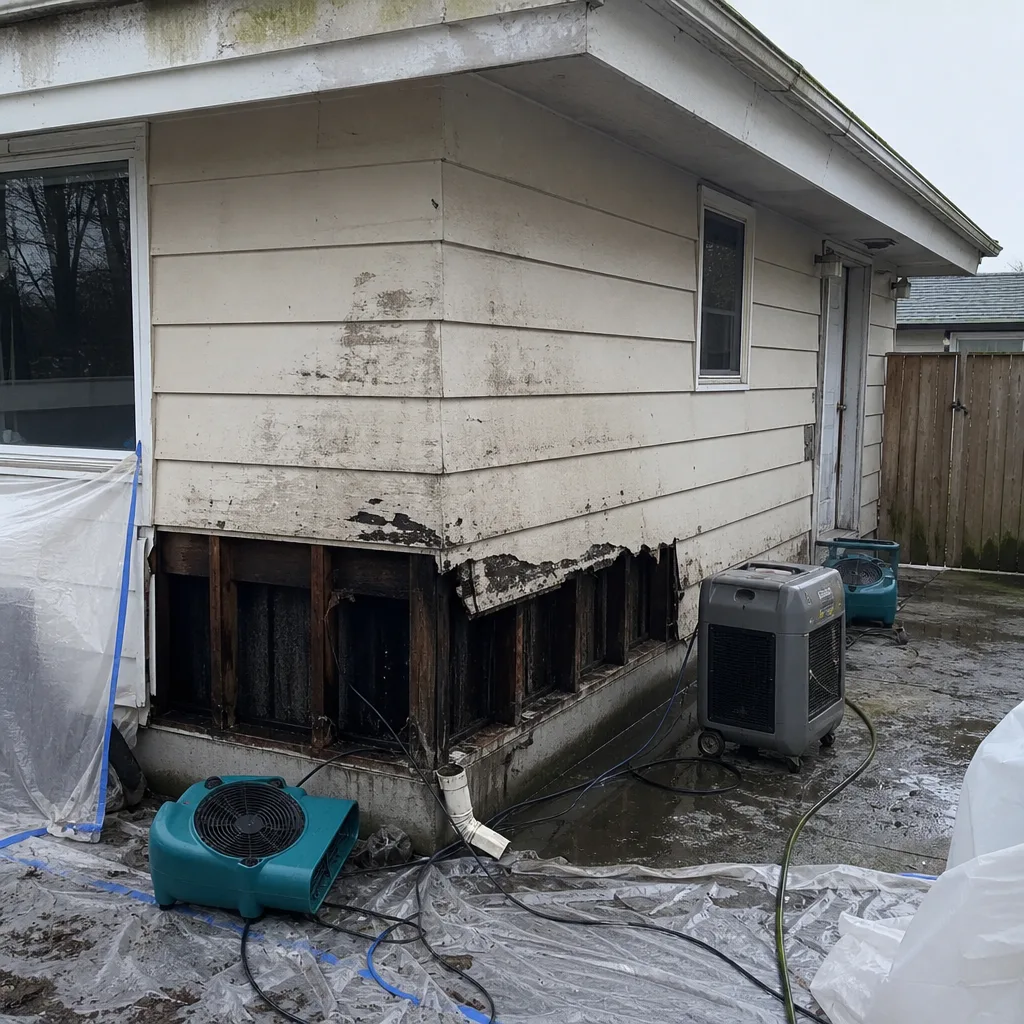 Before
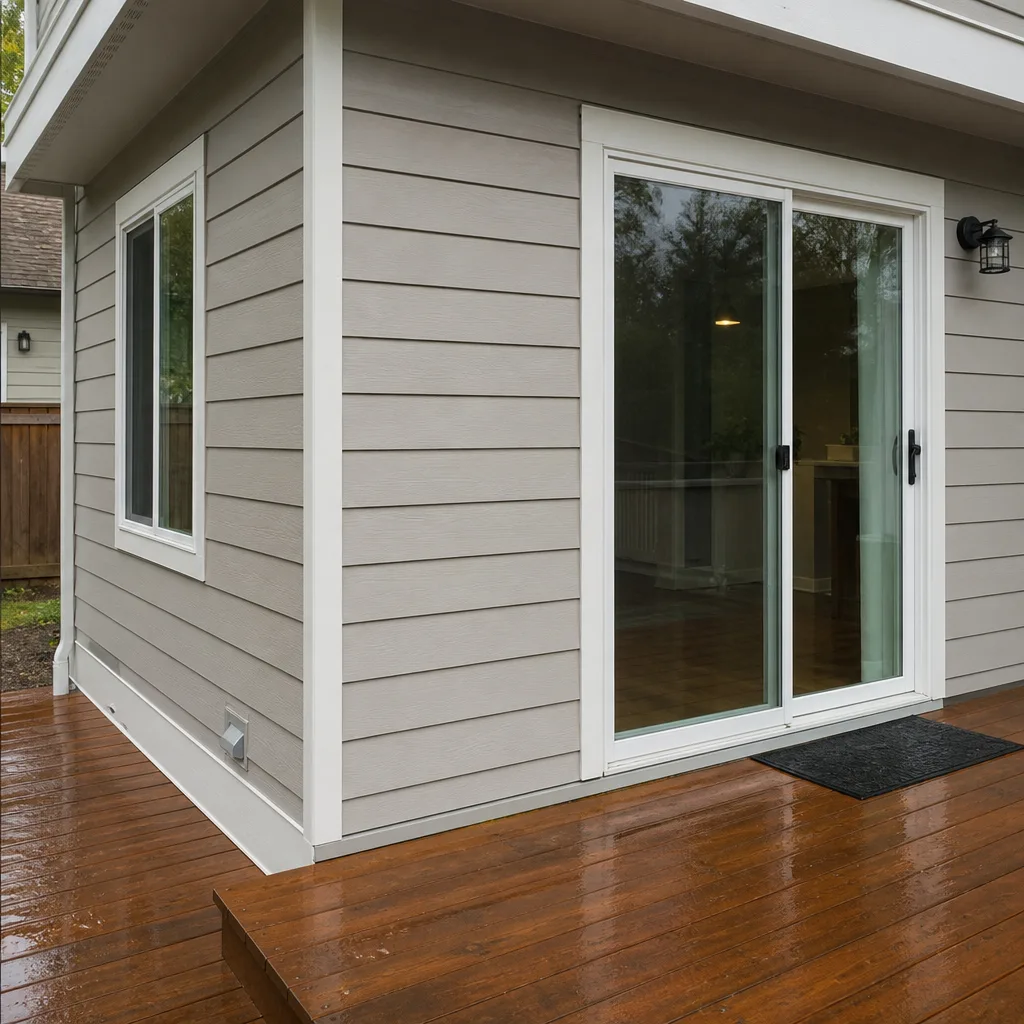 After
AfterDamage Restoration Warning Signs: A Redmond Homeowner’s Reference Guide
Most warning sign guides tell you to “look for musty odors” or “watch for discoloration,” then leave you guessing whether what you found warrants a weekend of DIY or an emergency call at 10 p.m. In Redmond, where wood-frame construction dominates neighborhoods from Education Hill to Bear Creek and seasonal moisture swings push relative humidity from 45% in August to 85% in December, that ambiguity costs homeowners thousands. We’ve restored over 12,000 homes since 2011, and the pattern is consistent: the homeowners who minimize damage are not the ones with the best intuition. They’re the ones who measure something specific and know the threshold that separates monitor-it from call-now. This guide replaces subjective descriptions with instrument-readable standards you can apply today, plus the documentation habits that protect your claim if you do file. For more guides & resources, see our blog.
Quick Answer
Damage restoration warning signs that demand immediate professional assessment in Redmond homes include: wood moisture content above 19% on any structural surface, water stains exceeding 12 inches in any dimension, musty odors persisting longer than 72 hours after ventilation, paint bubbling or peeling covering more than a square foot, and floor cupping affecting multiple boards in a continuous run. These thresholds indicate active moisture intrusion that DIY cannot resolve, and each represents documentation that should be photographed and logged with date, time, and exact location before any remediation begins.
Table of Contents
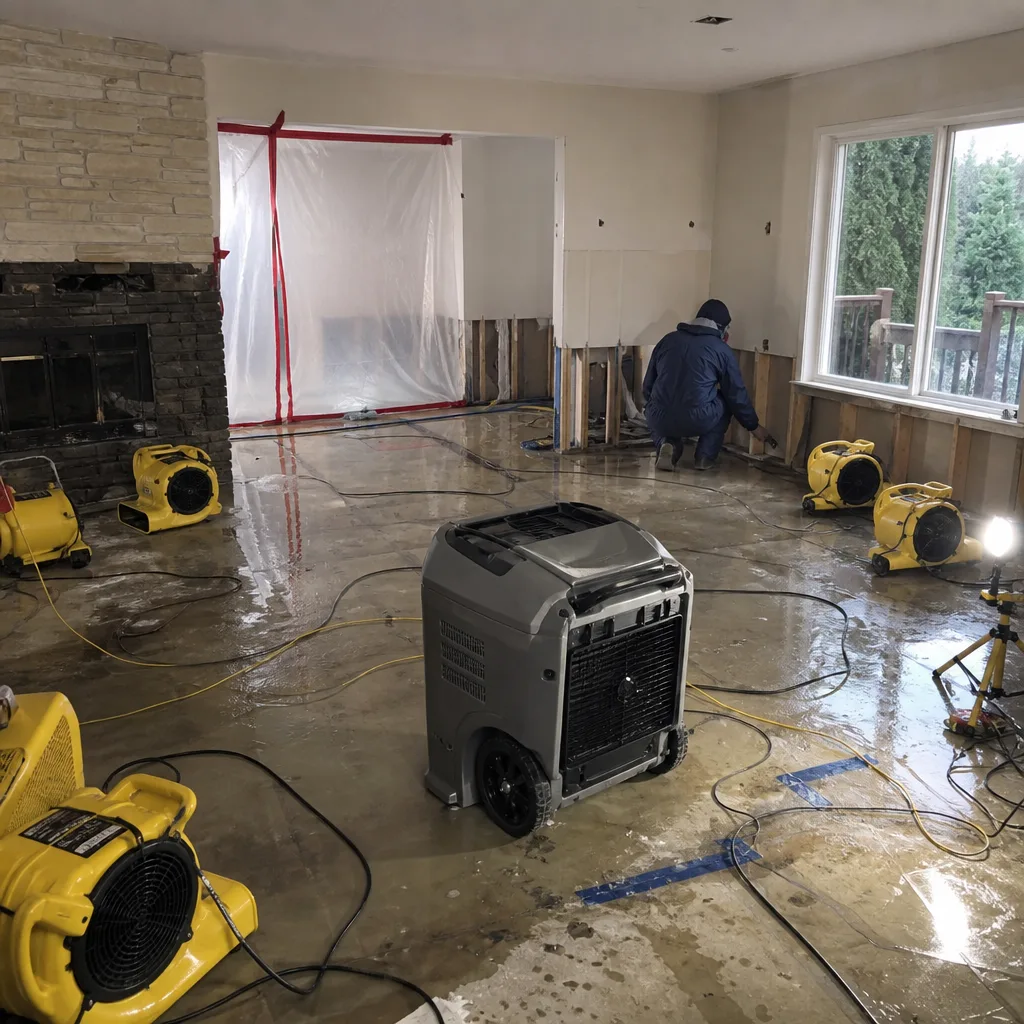
- Moisture Meter Readings: The Numbers That Matter
- How Redmond’s Wood-Frame Construction Responds to Moisture
- Five Warning Signs 60-90 Days Before Mold Remediation
- Why Paint Bubbling, Floor Cupping, and Door-Frame Racking Are Not Cosmetic
- How to Photograph and Log a Warning Sign for Your Claim
- Redmond Climate Factors That Accelerate Hidden Damage
- Room-by-Room Warning Sign Checklist
- Common Mistakes to Avoid
- When to Call a Professional
- Frequently Asked Questions
 Before
 After
AfterMoisture Meter Readings: The Numbers That Matter
A moisture meter costs $35 at any Redmond hardware store and removes more uncertainty than every “watch for musty smells” guide combined. The key is knowing which numbers trigger action.
Wood moisture content thresholds:
- 6-12%: Normal equilibrium for finished lumber in Redmond’s climate. No action needed.
- 13-16%: Elevated. Indicates recent moisture exposure or inadequate ventilation. Increase air circulation, recheck in 48 hours.
- 17-19%: Critical zone. Fungal growth becomes possible. Document with photos, identify source, consider professional assessment.
- Above 19%: Call a professional. This is the threshold where wood-decay fungi colonize and structural damage accelerates. In our experience across Redmond’s Education Hill and Sammamish Valley homes, readings above 19% on subflooring or wall studs almost always indicate a hidden leak or ground moisture intrusion that surface drying cannot reach.
Drywall and gypsum readings: Normal is below 0.5% moisture content by weight. Readings above 1% indicate active water contact. Above 5%, the paper facing delaminates and mold growth is likely within 48-72 hours.
Concrete slab readings: Use a calcium chloride test or in-situ relative humidity probe. Readings above 75% relative humidity at 40% slab depth indicate vapor pressure sufficient to damage adhesives and flooring materials. Many Redmond townhomes built in the 1990s on slab foundations show this pattern when ground moisture rises during winter saturation.
We document every reading to IICRC S500 standards on every Water Damage Restoration in Redmond job. The daily drying log tracks psychrometric data - temperature, relative humidity, and vapor pressure differential - so your insurer sees continuous evidence of progress, not just a before-and-after photo.
How Redmond’s Wood-Frame Construction Responds to Moisture
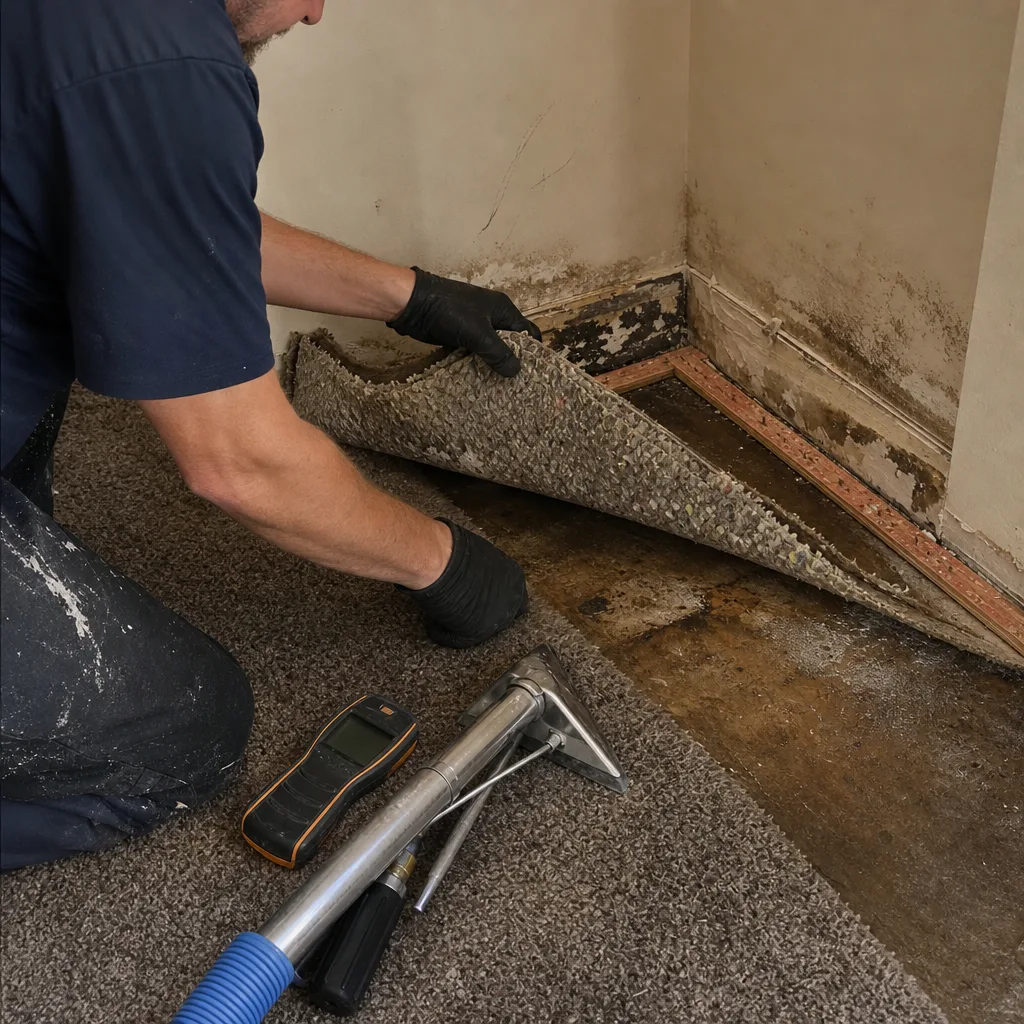
Redmond’s housing stock breaks into two distinct categories, and each fails differently when water intrudes.
Wood-frame with crawl space (pre-1995, neighborhoods including Grass Lawn, Education Hill, and downtown Redmond):
These homes breathe through the crawl space, which is an advantage and a liability. When a supply line leaks in a bathroom above, water travels along joist bays, often appearing as damage 10-15 feet from the source. The warning sign is not the stain you see. It’s the moisture gradient: readings that drop from 22% near the bathroom to 14% three joists away indicate active wicking that will continue for weeks after the visible water is gone.
Look specifically for:
- Insulation in the crawl space that has compressed or separated from the subfloor - it has been wet and dried, losing R-value and creating a vapor trap.
- White, crystalline deposits on joist ends (efflorescence from mineral leaching) indicating repeated wet-dry cycles.
- Springy or bouncy floor sections where the subfloor has delaminated, typically detectable before any visible interior damage.
Slab-on-grade or post-tension slab (1995-present, Redmond Ridge, Trilogy, and newer infill):
Slab homes hide water differently. A slab leak or foundation intrusion produces no crawl space to inspect. Warning signs migrate upward: baseboard swelling, tile grout darkening, or carpet tack strip rust. The critical measurement is slab moisture, not surface moisture. We’ve seen Redmond Ridge homes where the living room carpet felt dry to the touch but slab relative humidity read 89%, with mold growth established in the carpet pad and tack strip.
In slab construction, floor coverings are your early warning system. Vinyl plank that gaps at seams, engineered hardwood that cups at board edges, or tile that sounds hollow when tapped - each indicates moisture migration from below that surface drying cannot address.
Five Warning Signs 60-90 Days Before Mold Remediation
Mold remediation in Redmond averages $2,800-$7,500 depending on affected square footage and containment requirements. The homeowners who pay the lower end caught the problem before colonization spread. These five signs, detectable without lab testing, consistently appear in the two-month window before remediation becomes necessary.
1. Intermittent musty odor that returns within 24 hours of airing out the room
Not a persistent basement smell. An odor that disappears with a window open, then returns the next day. This indicates an active moisture source producing microbial volatile organic compounds (MVOCs) faster than passive ventilation can remove them. The threshold for concern: three consecutive days of recurrence despite ventilation.
2. Darkening of grout lines in bathrooms or kitchens, especially at wall-floor junctions
Grout is porous and wicks moisture from the wall cavity. Darkening that does not respond to surface cleaning with a pH-neutral cleaner indicates moisture behind the tile. Measure the adjacent drywall with a pinless moisture meter. Readings above 1% warrant further investigation.
3. Corrosion on metal fixtures in a single room
When the chrome on a bathroom door handle, towel bar, or light fixture develops rust spots while identical fixtures in other rooms remain clean, that room has sustained humidity above 70% for extended periods. Check the exhaust fan CFM rating - many Redmond homes have 50 CFM fans in bathrooms that need 80-110 CFM for proper moisture removal.
4. Books or paper items that feel slightly wavy or smell “old” in one closet or cabinet
Paper equilibrates to ambient moisture within hours. Wavy pages or a distinct musty paper smell in a confined space indicate that space runs 15-20% relative humidity higher than the rest of the home. The cause is usually an exterior wall with compromised vapor barrier or a plumbing chase with a slow leak.
5. Insect activity concentration
Silverfish, booklice, and certain spider species require humidity above 60%. Finding them clustered in one area of a Redmond home, particularly near the DryMark Restoration Redmond home service area’s older neighborhoods with original siding, indicates a moisture pocket that will support mold within weeks.
We address these early indicators through Mold Remediation in Redmond before full remediation is required. The Haven Standard, Clause 1 applies: a written price before any work starts, based on documented moisture readings and affected square footage, not an estimate that balloons once demolition begins.
Why Paint Bubbling, Floor Cupping, and Door-Frame Racking Are Not Cosmetic
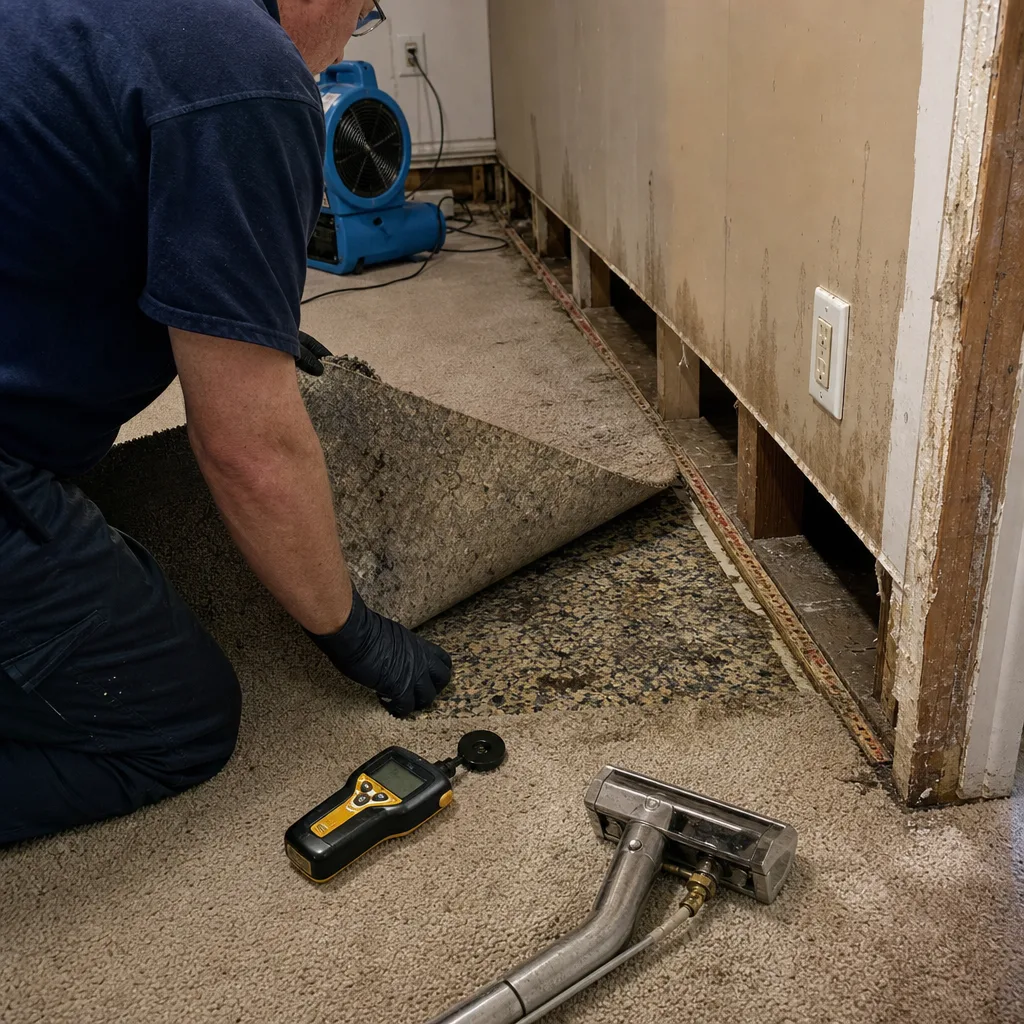
These three symptoms are consistently dismissed as “settling” or “age” by homeowners and some contractors. Each indicates a specific moisture mechanism that will worsen until the source is addressed.
Paint bubbling or blistering
Bubbles form when moisture vapor drives outward through the paint film faster than the paint can release it. The critical distinction: bubbles that contain liquid when punctured indicate active water intrusion from behind. Bubbles that are dry and powdery indicate past moisture that has dried, leaving salts behind.
Measure the substrate moisture behind a bubble. Above 5% on drywall or 19% on wood trim, the source is active. In Redmond’s climate, paint bubbling on north-facing walls or below-grade rooms often indicates exterior moisture intrusion through compromised flashing or foundation waterproofing. The repair is not repainting. It’s identifying the breach, drying the assembly, and rebuilding with proper moisture management.
Floor cupping (edges high, center low)
Cupping occurs when the bottom of a wood board absorbs moisture faster than the top can release it. The board edges swell upward. The direction of cupping tells the story: cupping across the width of boards indicates moisture from below (slab, crawl space, or subfloor). Cupping along the length, or “crowning” (center high, edges low), indicates surface moisture from above.
In Redmond’s wood-frame homes with crawl spaces, width-wise cupping in winter often traces to inadequate ground cover (6-mil polyethylene minimum) or blocked foundation vents. In summer, it can indicate air conditioning duct condensation on the subfloor. The threshold for professional assessment: cupping affecting more than three continuous boards in a run, or any cupping accompanied by a moisture meter reading above 16% on the subfloor.
Door-frame racking (door no longer latches, or gap appears at strike plate)
Wood door frames swell when moisture content rises. A door that latched in September and sticks in January has absorbed seasonal moisture. A door that progressively worsens over multiple seasons, or that suddenly shifts, indicates a localized moisture source distorting the frame.
Check the moisture gradient: measure the frame at top, middle, and bottom. A reading above 19% at the bottom with normal readings at top indicates water wicking from the floor or subfloor. This pattern appears frequently in Redmond’s 1970s-1980s homes where bathroom exhaust fans vent into attics rather than outdoors, and moisture migrates down wall cavities to door frames.
Each of these conditions requires documentation before repair. Photo the symptom with a ruler or coin for scale, record the moisture reading, and note the date. If you later file a claim, this establishes the timeline that proves the loss was sudden and accidental, not long-term maintenance neglect.
How to Photograph and Log a Warning Sign for Your Claim
Restoration invoices get challenged. The ones that get paid without dispute have documentation that started before the restoration company arrived. Here’s how to build that record.
Step 1: Establish context
Take a wide shot that includes a fixed reference point - a window, electrical outlet, or corner - so the location is unambiguous. Include a date stamp or hold a phone showing the date in frame.
Step 2: Measure and photograph the measurement
Place the moisture meter probes on the surface and photograph the display reading. For stains, measure the longest dimension and place a ruler or standard object (credit card, quarter) in frame for scale.
Step 3: Document the surrounding area
Photograph 360 degrees from the symptom location. Water travels horizontally and vertically in unexpected paths. A photo of the ceiling below a bathroom, the exterior wall at the same elevation, or the crawl space beneath establishes the full affected area.
Step 4: Log environmental conditions
Note: date, time, indoor temperature, outdoor temperature, whether heat or AC was running, recent weather (rain in last 48 hours?), and any recent plumbing or construction activity. These factors affect moisture readings and help professionals interpret your data.
Step 5: Create a timeline document
A simple spreadsheet with columns: Date, Location, Observation, Moisture Reading, Photo Filename. Update it with each new observation. Email it to yourself for timestamped backup.
When DryMark Restoration Redmond arrives, we add our own documentation - the photo record on every visit, the daily drying log with psychrometric data, the written scope with line-item pricing - to your existing timeline. The result is a claim file that adjusters process, not challenge. Our equipment, including Dri-Eaz and Phoenix dehumidification systems, produces data logs that feed directly into this documentation stream.
Redmond Climate Factors That Accelerate Hidden Damage
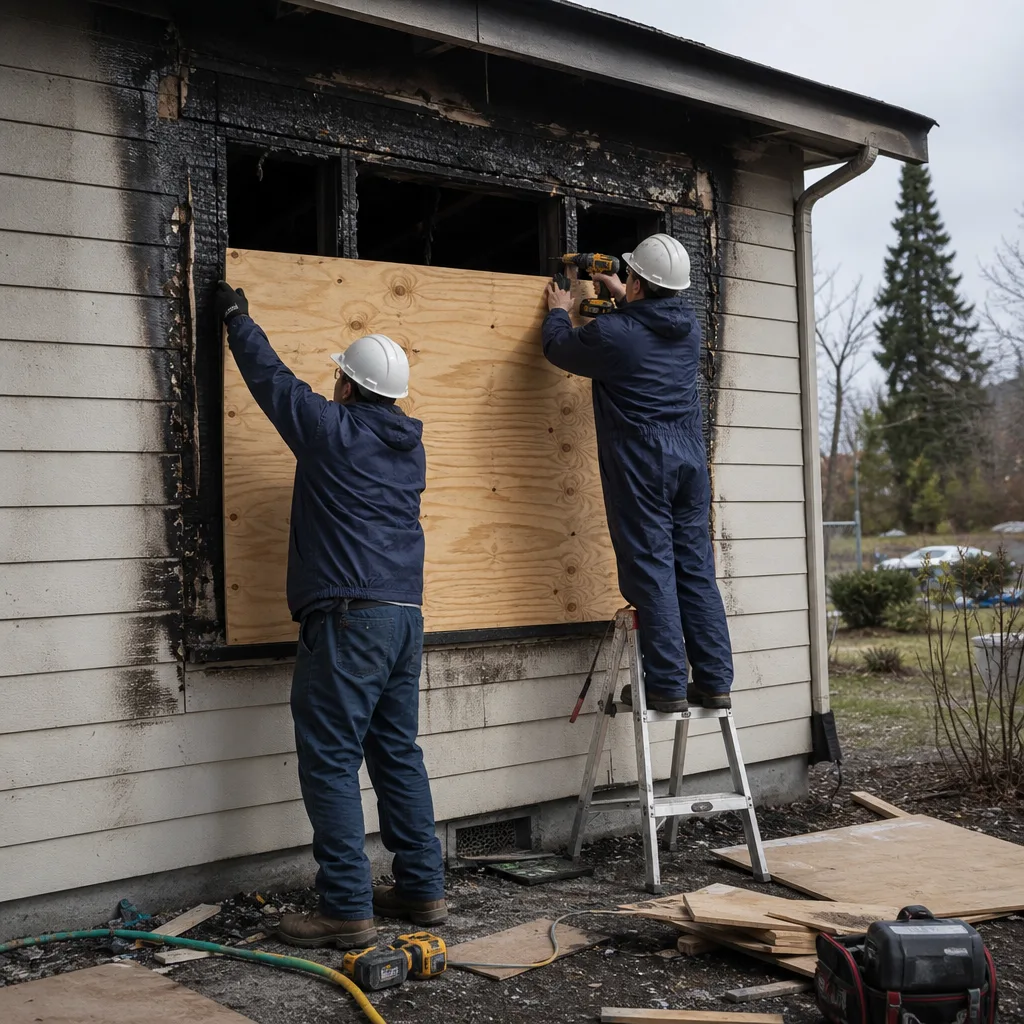
Redmond’s location between Lake Sammamish and the Snoqualmie Valley creates microclimates that affect moisture behavior in homes. Understanding these accelerates your response.
Winter saturation and freeze-thaw cycles
From November through February, Redmond receives 4-6 inches of precipitation monthly, with soil saturation reaching maximum in January. Homes on slopes, common in Education Hill and North Redmond, experience hydrostatic pressure against foundation walls that peaks during this period. The warning sign is not water in the basement. It’s efflorescence on the interior of foundation walls, or a moisture meter reading above 75% relative humidity on the concrete surface.
Spring temperature swings and condensation
March and April bring rapid temperature shifts - 40°F mornings to 65°F afternoons. Cold surfaces in crawl spaces and attics condense moisture from warming air. We’ve documented more mold initiations in Redmond during April than any other month, as homeowners open windows on warm days and close them on cold nights, trapping humid air in wall cavities.
Summer drought and soil shrinkage
July through September soil moisture drops dramatically. In Redmond’s clay-heavy soils, this causes foundation settlement that cracks slab foundations and separates waterproofing membranes from walls. The damage manifests in fall rains, but the warning signs appear in August: new cracks in drywall corners, doors that no longer latch, or gaps between baseboard and floor.
Proximity to Lake Sammamish and groundwater patterns
Homes within a mile of the lake, including parts of Southeast Redmond and the Sammamish Valley, have higher seasonal groundwater tables. Sump pump discharge lines that freeze or clog in winter produce basement moisture that homeowners attribute to “humidity.” The actual reading: slab moisture above 80% relative humidity, often with no visible water.
Room-by-Room Warning Sign Checklist
Kitchen
- Moisture reading above 1% on drywall below sink or behind dishwasher
- Discoloration or swelling of cabinet toe-kick (indicates leak in supply or drain line)
- Grout darkening at wall-floor junction that does not clean with pH-neutral cleaner
- Refrigerator ice maker line: check compression fitting annually for corrosion or moisture
Bathroom
- Exhaust fan capacity: calculate 1 CFM per square foot of floor area, minimum 50. If your fan is undersized, humidity above 60% for more than 30 minutes after showering indicates inadequate ventilation.
- Toilet flange: moisture meter reading above 5% on surrounding subfloor indicates wax ring failure
- Shower pan: tap tiles with a coin. Hollow sound indicates delaminated thinset and moisture behind.
- Caulk deterioration at tub-wall junction: gaps wider than 1/8 inch allow direct water intrusion to wall cavity
Laundry Room
- Washing machine supply hoses: replace rubber hoses with braided steel every 5 years. A bulge or crack is immediate replacement, not monitoring.
- Dryer vent: measure airflow at exterior termination. Below 15 MPH indicates blockage and lint moisture accumulation.
- Floor drain: pour one gallon of water and time drainage. Slower than 60 seconds indicates partial blockage that will back up during machine discharge.
Basement or Crawl Space
- Ground cover in crawl space: 6-mil polyethylene, sealed at seams, extending to foundation walls. Any breach is a vapor entry point.
- Foundation wall moisture: readings above 75% relative humidity on concrete, or any visible efflorescence
- Sump pump: test by pouring 5 gallons into pit. Pump should activate within 30 seconds and discharge fully in 60 seconds.
- Insulation condition: fallen or compressed insulation indicates past water exposure and reduced thermal performance
Attic
- Decking moisture above 19% (use pinless meter on plywood or OSB)
- Exhaust fan terminations: verify all ducts exit through roof or gable, not into attic space
- Intake vent blockage: soffit vents should show daylight; insulation baffles must maintain 2-inch clearance
- Dark staining on decking: measure dimensions. Stains exceeding 12 inches indicate active or recent leak, not past event.
Common Mistakes to Avoid
- Using your hand instead of a meter. Drywall can feel dry at 15% moisture content, well above the 5% threshold where mold risk begins. A $35 meter removes this error.
- Assuming a dehumidifier solves a crawl space problem. Consumer dehumidifiers in unsealed crawl spaces remove 20-30 pints daily. A foundation leak can introduce 50-100 gallons. The math doesn’t work, and we’ve seen Redmond homeowners run units for months while subfloor moisture climbs.
- Photographing damage without scale or context. A photo of a water stain tells an adjuster nothing. A photo with a ruler, moisture reading, and surrounding room reference tells a complete story.
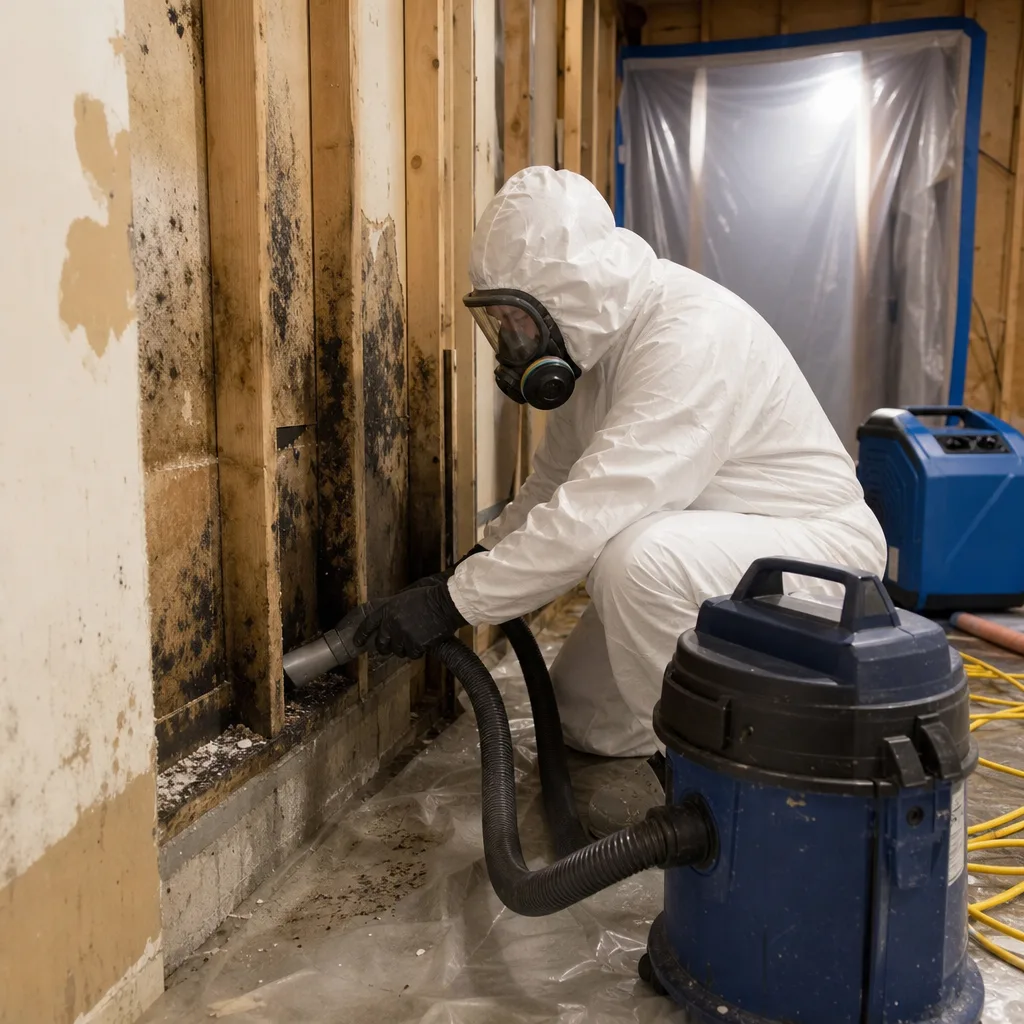
- Waiting for visible mold before calling. Mold becomes visible at roughly 10 square feet of colonization. By then, the affected area behind walls is typically 3-5 times larger. The 60-90 day warning signs above exist precisely to prevent this escalation.
- Accepting a verbal estimate for mitigation work. Haven Standard, Clause 1 exists because scope creep is standard practice in this industry. A written price before work starts, with line items for equipment, labor, and materials, is the minimum documentation standard. We provide this on every Fire & Smoke Damage Restoration in Redmond and water damage job.
- Ignoring seasonal patterns. That “musty basement smell” that appears every October and disappears in May is not normal. It indicates a moisture source that winter rains activate and summer drying merely masks. Document the pattern; it proves the loss is ongoing and insurable, not pre-existing maintenance neglect.
- Discarding damaged materials before documentation. Your insurer may require material samples for testing. Photograph, measure, and retain water-damaged materials until your claim is filed and acknowledged.
When to Call a Professional
Call when any of these conditions are present: moisture meter readings above 19% on wood or 5% on drywall; water stains exceeding 12 inches in any dimension; musty odors persisting beyond 72 hours of ventilation; visible mold of any size; or any symptom that worsens despite your intervention. In Redmond’s climate, waiting through a weekend often means the difference between targeted drying and full demolition.
DryMark Restoration Redmond offers free estimates in Redmond. Every assessment includes documented moisture readings, a photo record, and a written scope with line-item pricing before any work begins - Haven Standard, Clause 1, applied to every job since 2011. Call (425) 689-8468. Live phone coverage is available 24 hours a day, 7 days a week with no voicemail on emergency lines.
Frequently Asked Questions
Water damage restoration in Redmond typically ranges from $1,200 for localized drying of a small bathroom to $8,500+ for whole-house drying with hardwood floor rescue and reconstruction. Category 3 sewage backups or long-standing leaks requiring mold remediation fall at the higher end. Every DryMark Restoration Redmond job is quoted in writing before work starts, with no scope-creep additions once the crew is inside - Haven Standard, Clause 1. Call (425) 689-8468 for an exact quote; estimates are free.
Most Redmond homeowners policies cover sudden and accidental water damage from burst pipes, appliance failures, or storm intrusion. They typically exclude long-term leaks, maintenance neglect, or groundwater intrusion without specific flood coverage. The key documentation is your timeline: photos with dates, moisture readings, and the environmental conditions log that establishes the event was sudden. We coordinate directly with adjusters and provide the photo-documented drying logs that support payable claims. Call (425) 689-8468 and we can review your policy language with you.
Live phone coverage is available 24 hours a day, 7 days a week with no voicemail on emergency lines. For active water intrusion, we dispatch same day. The critical factor is not our response time but what you do first: stop the source if safe, document with photos and moisture readings, and begin removing standing water with a wet/dry vacuum if available. These steps limit the scope and cost of professional remediation. Call (425) 689-8468 to coordinate dispatch while you secure the site.
Paint over moisture-damaged surfaces and you seal in the problem. We’ve opened walls in Redmond’s Grass Lawn neighborhood where three layers of paint concealed rotted studs and active termite infestation. The test is the moisture meter: if readings remain above 19% on wood or 5% on drywall after 48 hours of ventilation, the moisture source is active and the assembly must be opened, dried, and rebuilt. A written scope from DryMark Restoration Redmond specifies exactly what requires removal and what can be dried in place, with line-item pricing for each. Call (425) 689-8468 for assessment.
We do. Our documentation - daily moisture logs, photo records on every visit, and written scope updates - is formatted for direct adjuster submission. Alicia Brennan founded Back to Dry in 2011 specifically to close the documentation gap that costs homeowners their claims. We speak the adjuster’s language: psychrometric data, material classifications, and IICRC-standard drying goals. You focus on your home; we handle the claim documentation. Call (425) 689-8468 to start the process.
Mitigation is emergency drying and stabilization, billed by equipment and labor hours with a target of 3-5 days. Reconstruction is the rebuild after drying is complete: drywall, flooring, cabinetry, paint - scoped, scheduled, and priced in writing like a remodel, not dispatched for same-day service. The Haven Standard separates these phases so you know exactly what you’re paying for and when. Mitigation stops the damage. Reconstruction restores the home. Both are quoted in writing before work begins. Call (425) 689-8468 to discuss your project’s phase.
Ask three questions: Do you provide a written price before work starts? Do you document moisture readings daily? Do you provide a photo record on every visit? A yes to all three indicates IICRC-standard documentation. At DryMark Restoration Redmond, we add the 365-Day Done Right Promise under The Haven Standard, and a Free Second Opinion on any competitor’s written estimate. Equipment from Dri-Eaz, Phoenix, and other manufacturers produces data logs that integrate directly into claim files. Call (425) 689-8468 to verify credentials and schedule assessment.
The Bottom Line
Warning signs are only useful when they produce a clear decision. This guide replaces subjective descriptions with measurable thresholds: 19% wood moisture, 12-inch stain dimensions, 72-hour odor persistence, and the documentation habits that protect your claim. In Redmond’s wood-frame housing stock and variable climate, these standards separate the problems you can monitor from the ones that require professional intervention. Buy a moisture meter, photograph what you find with scale and context, and maintain a simple timeline log. When a reading crosses threshold, you have the evidence to act decisively and the documentation to support your claim if you file.
Written by Alicia Brennan, Owner at DryMark Restoration Redmond, serving Redmond since 2011.