
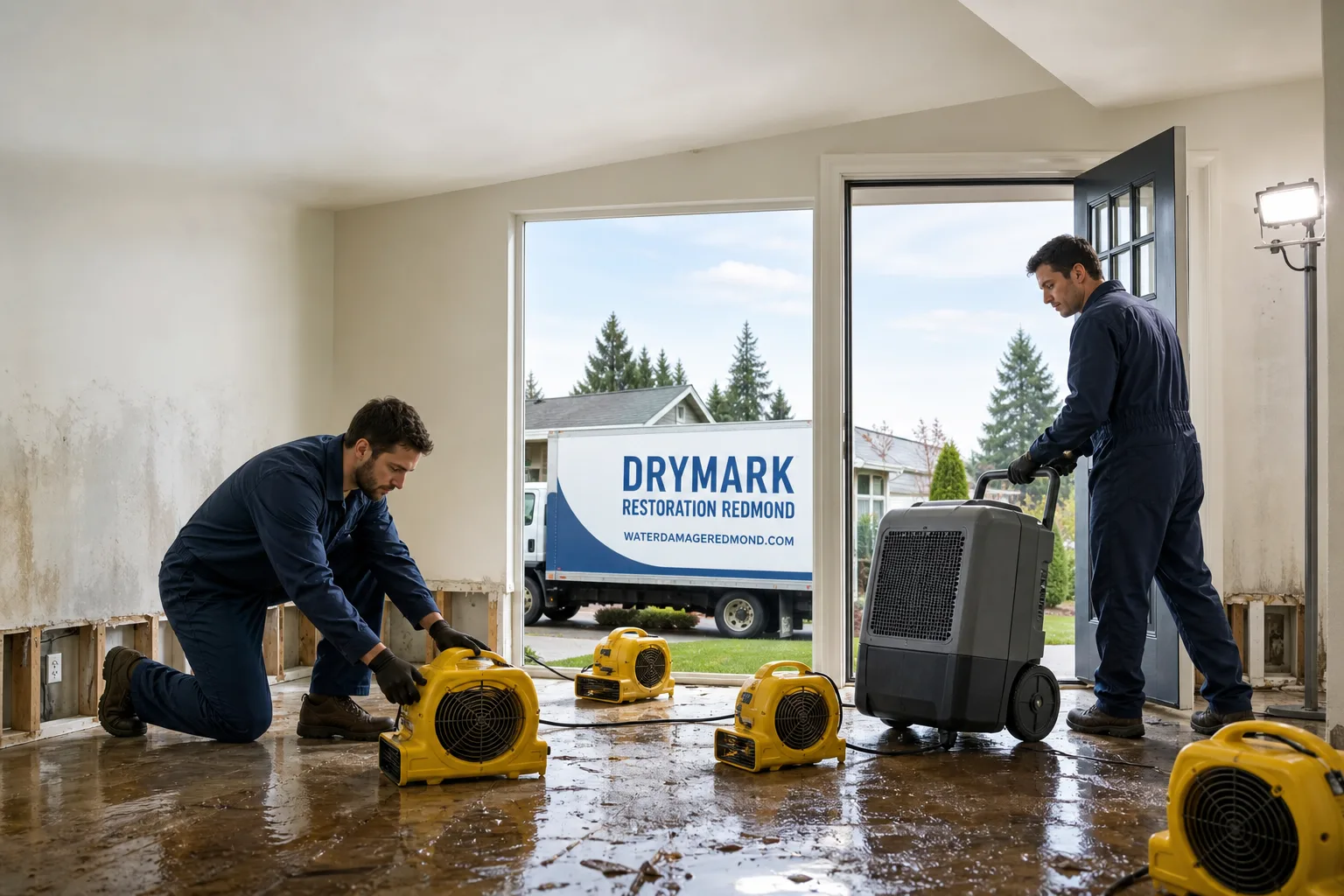
Free visual inspection and a written scope of work before any mitigation begins - photos, moisture readings, and drying logs go in your claim file
The scope we write is the scope we bill. Anything new gets shown to you, in writing, before we touch it.
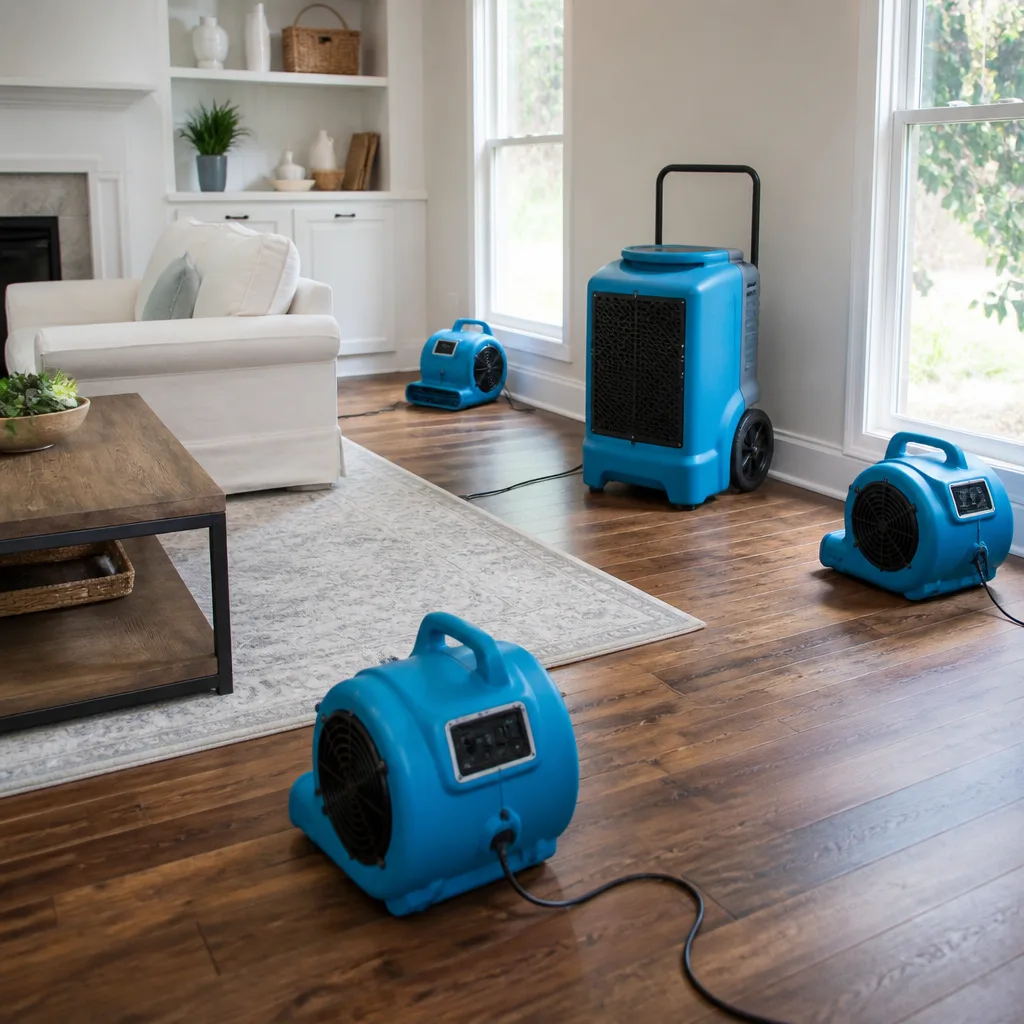
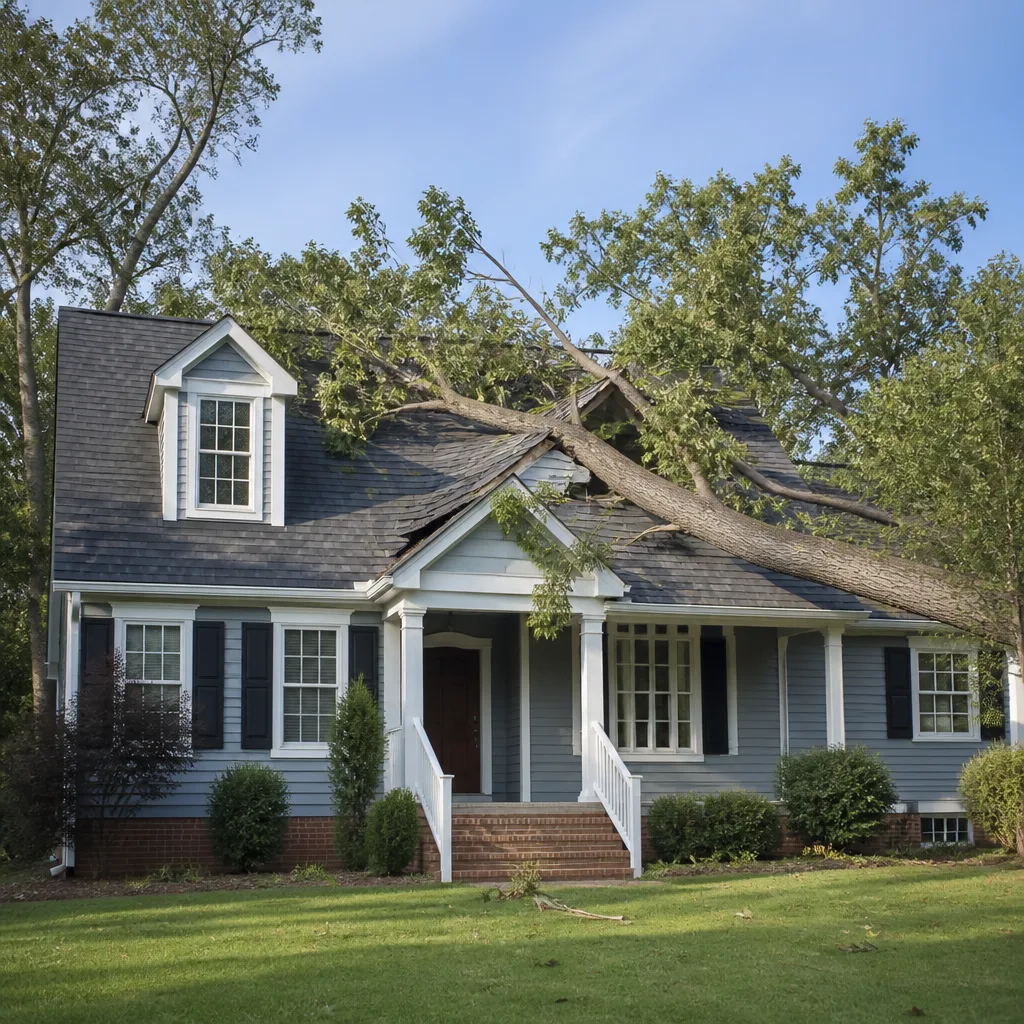
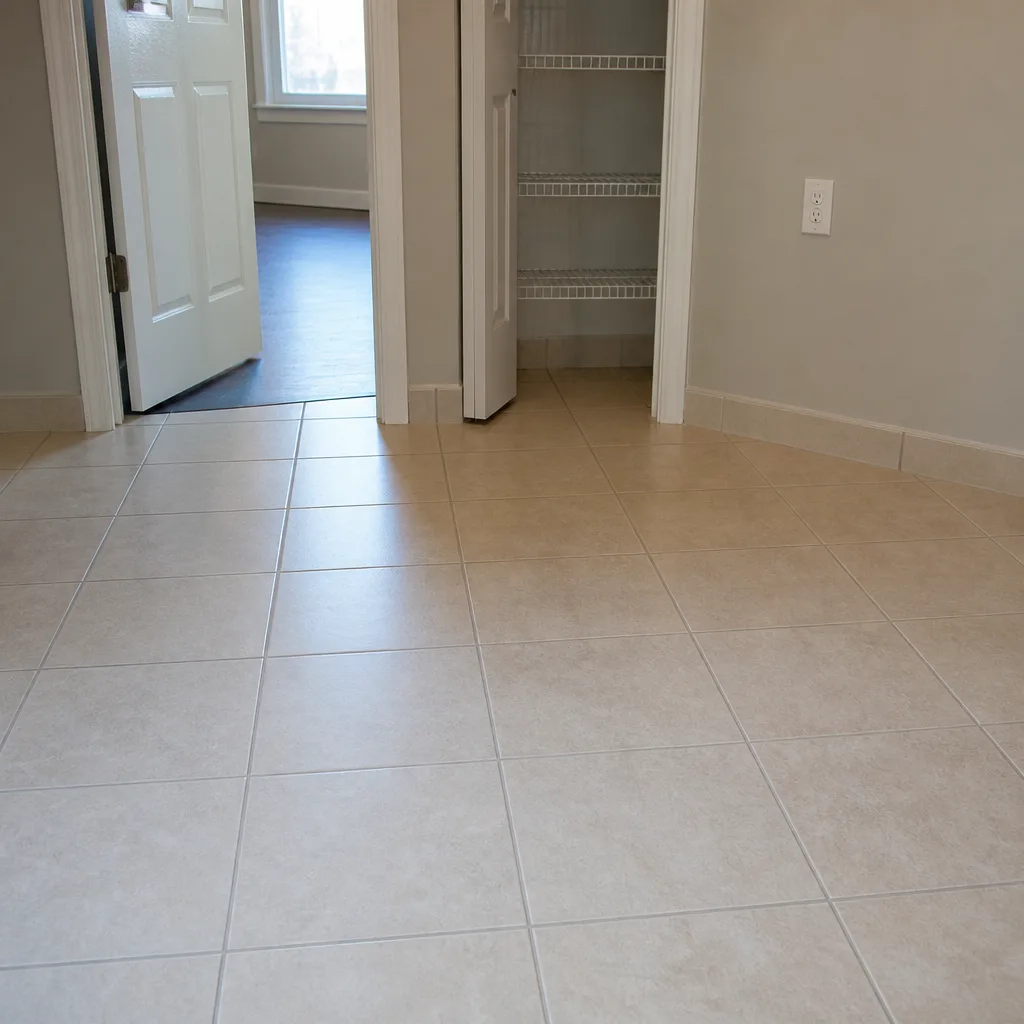
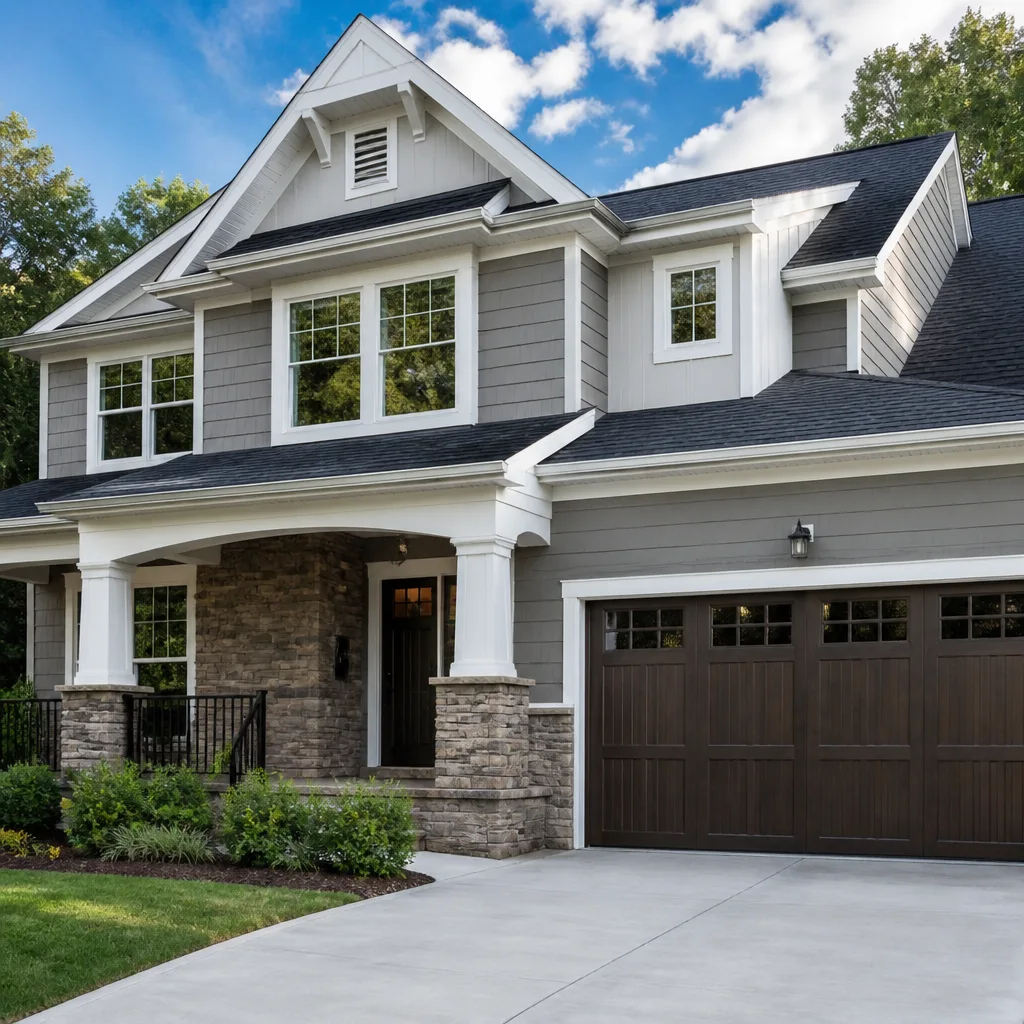
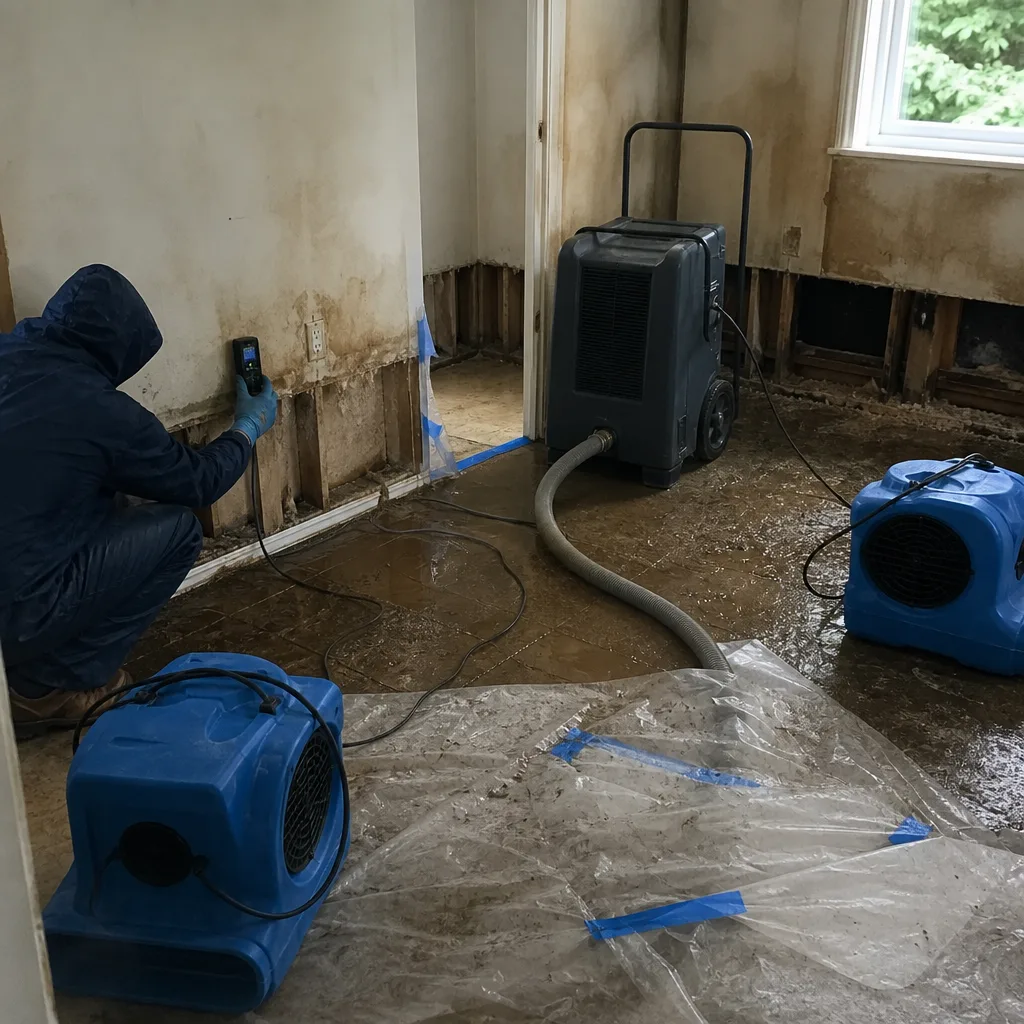 Before
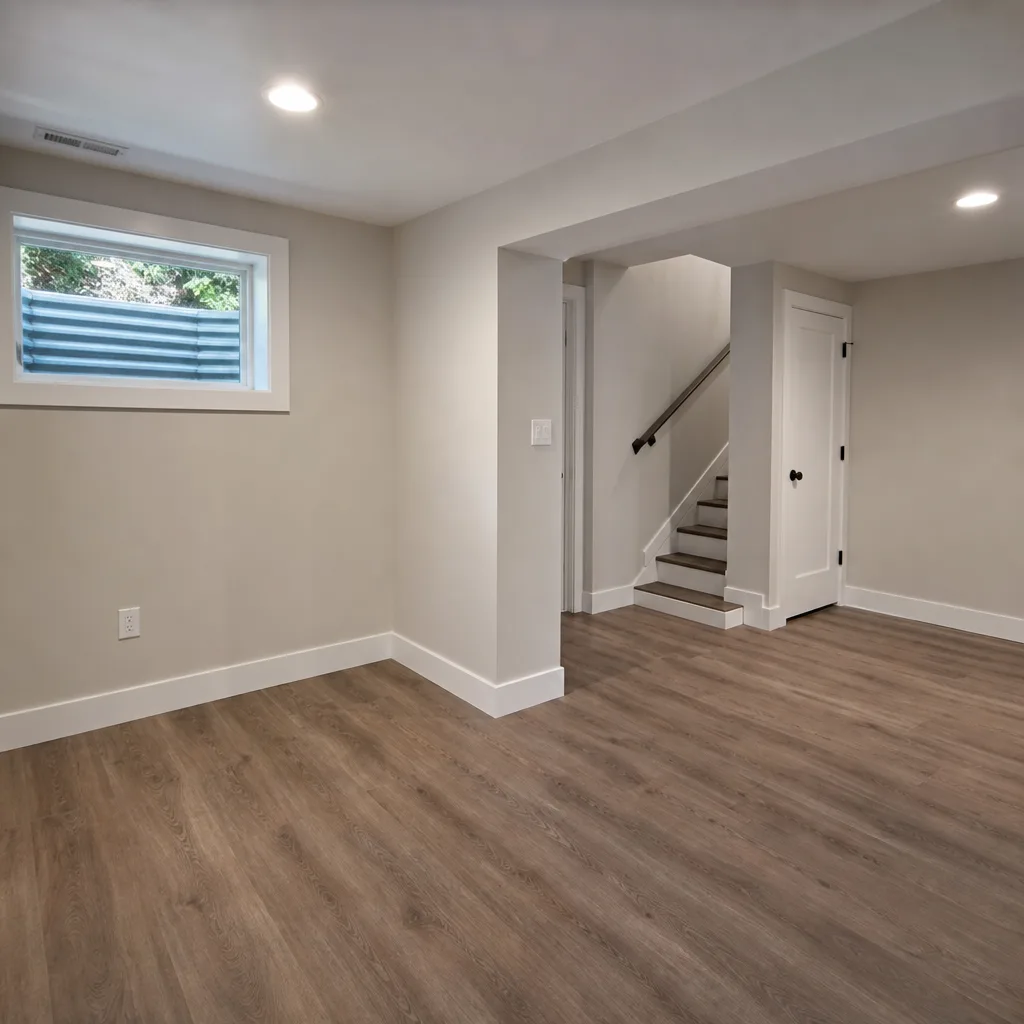 After
After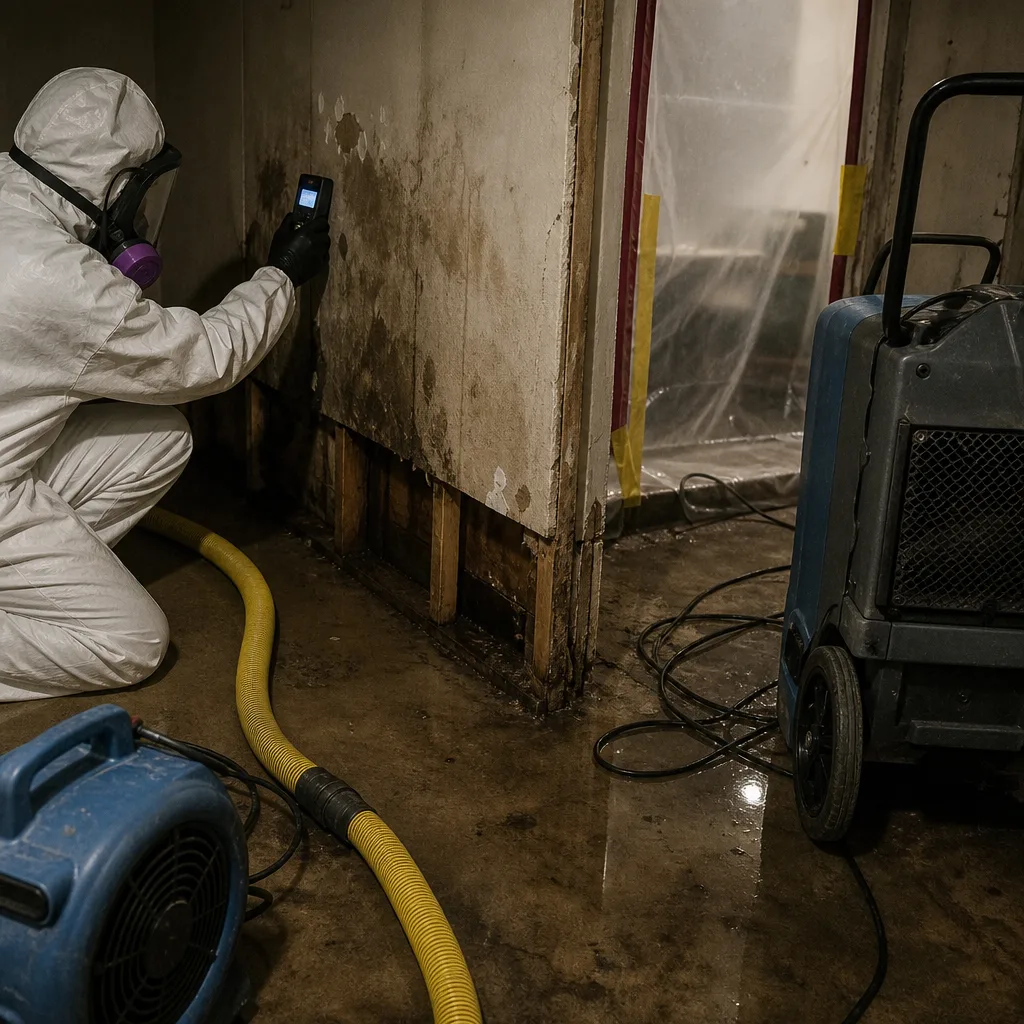 Before
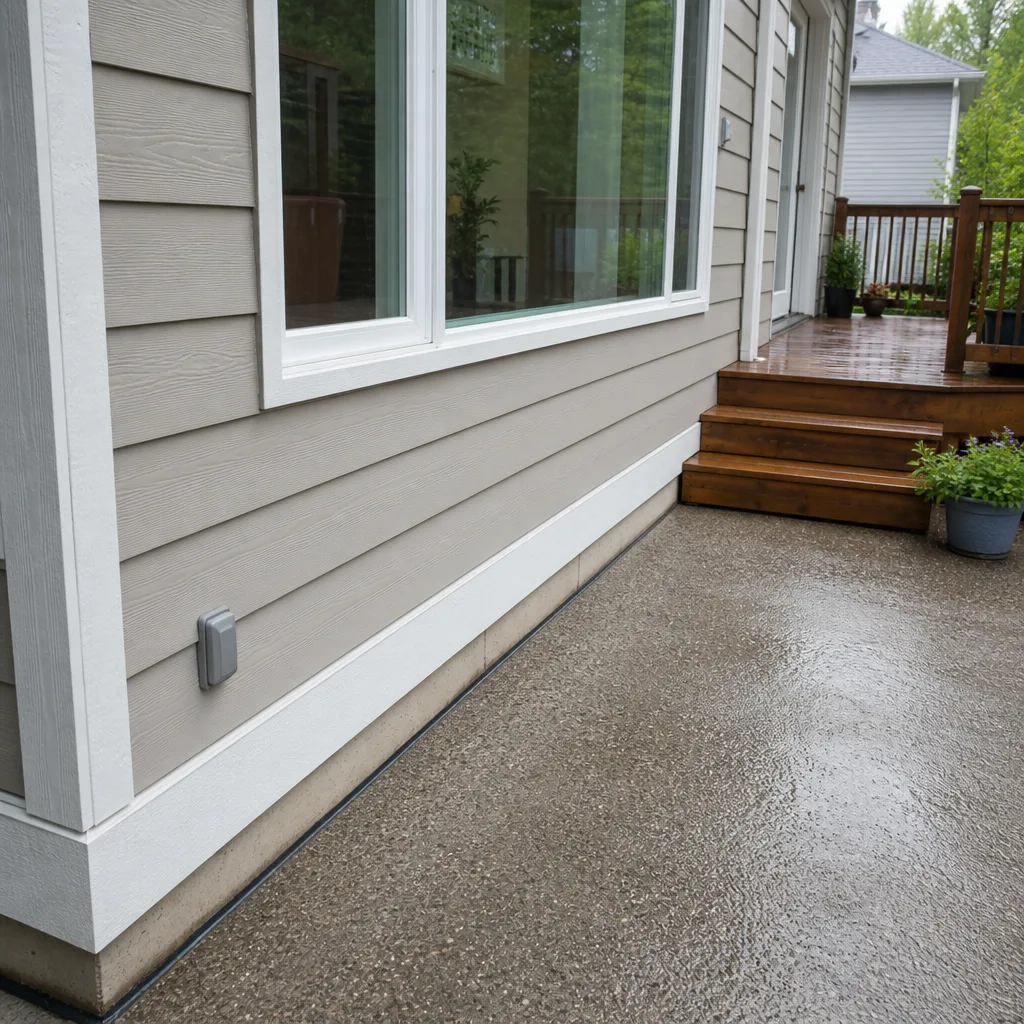 After
After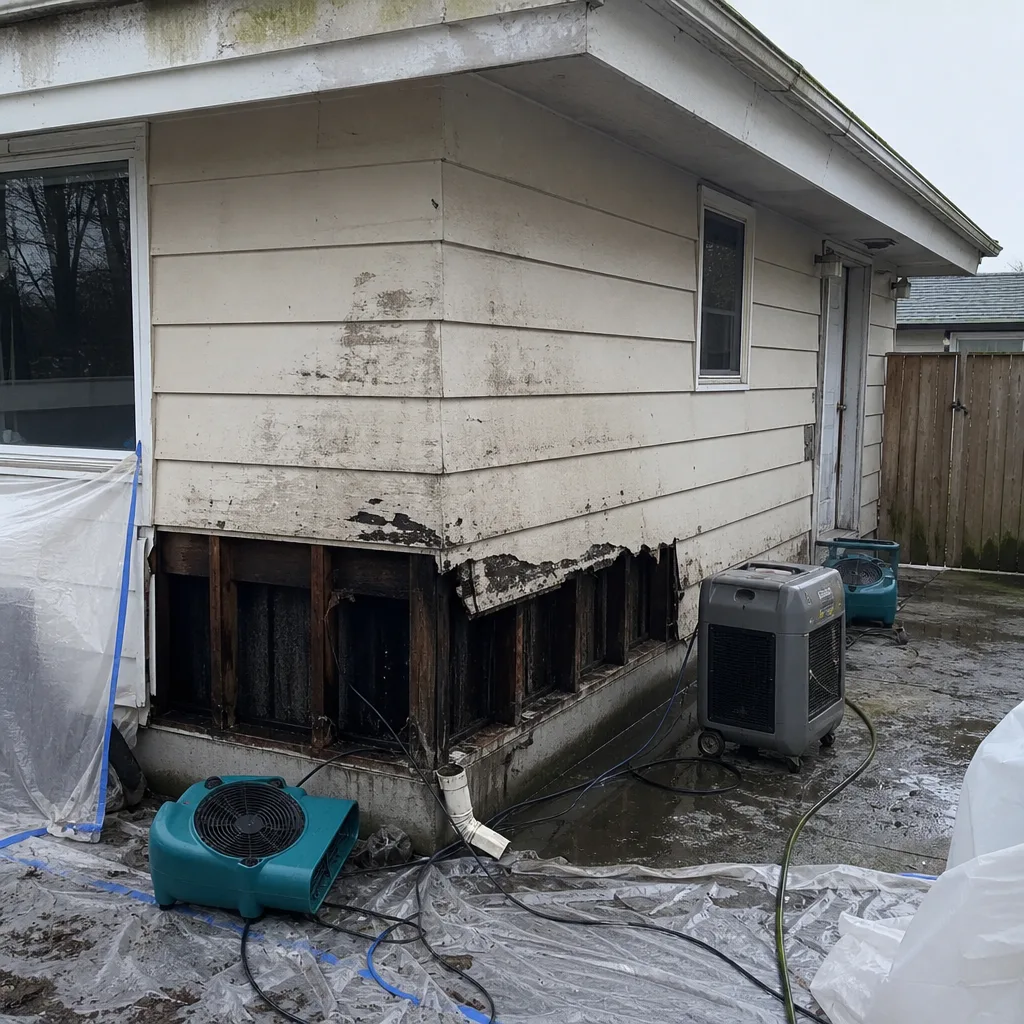 Before
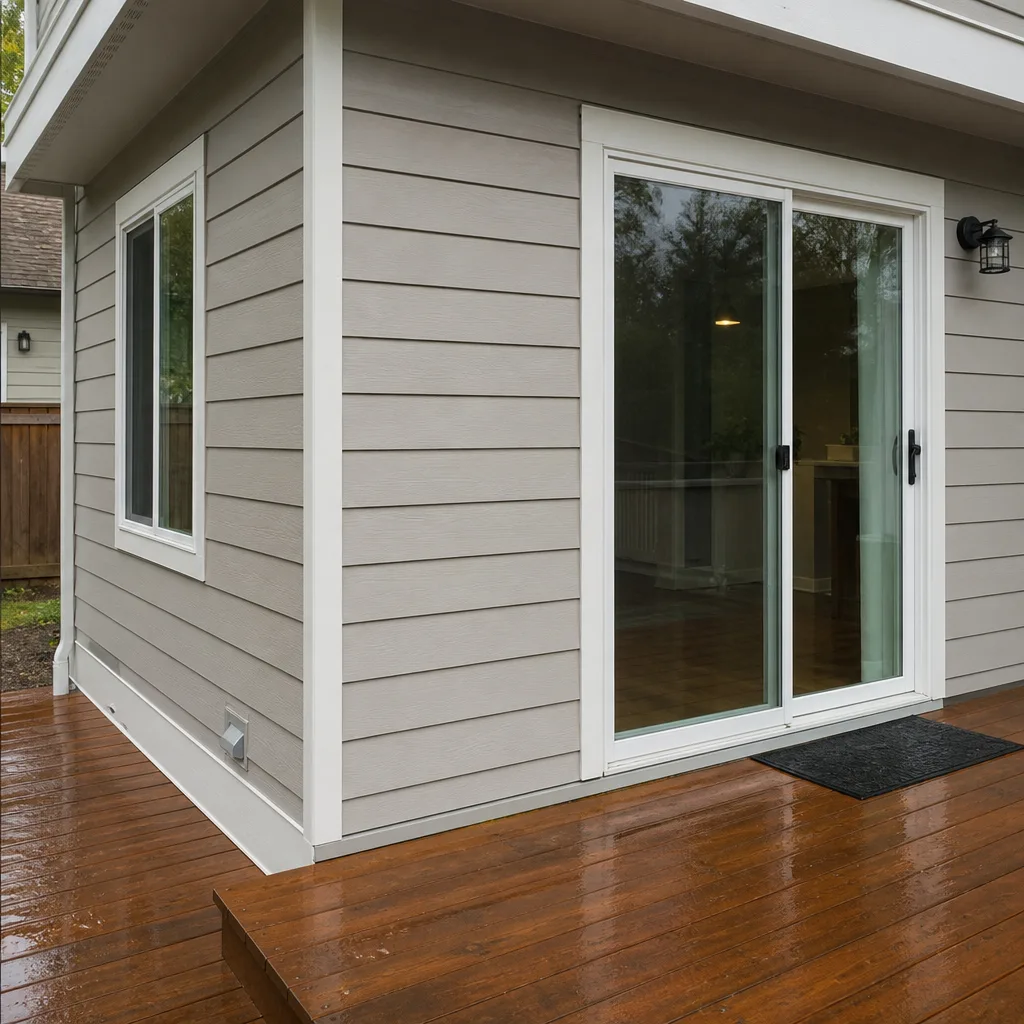 After
AfterFast, Reliable Mold Remediation Across Seattle
Mold remediation in Seattle typically costs $2,800-$7,500 for crawl space and structural work, with inspection and testing running $350-$650. Most Seattle homes we treat aren’t responding to a single flood event; they’re fighting years of moisture accumulation in unencapsulated crawl spaces and behind original cedar siding. Our crews dispatch from our Seattle office and carry containment systems, HEPA filtration, and moisture mapping equipment sized for the city’s early-20th-century wood-frame housing stock. If you’re seeing musty odors, warped flooring, or visible colonization, call (425) 689-8468 for a written scope and price before any work begins.
Why DryMark Restoration Redmond Is Seattle’s Preferred Mold Remediation Company
We’ve restored more than 12,000 homes since 2011, and a disproportionate share of those jobs have been in Seattle neighborhoods where the marine climate and glacial clay soils turn crawl spaces into chronic moisture reservoirs. Our Mold Remediation team documents every visit with dated photos, moisture readings, and written scopes that satisfy adjusters who’ve learned to scrutinize Seattle mold claims closely.
Homeowners in Ballard, Capitol Hill, and Columbia City call us back because we name the source, not just the symptom. When a competitor’s quote seems vague or skips the groundwater issue entirely, our Free Second Opinion review often reveals scope gaps that would leave the mold returning next wet season. Live phone coverage runs 24 hours a day, 7 days a week with no voicemail trees, and every technician is background-checked, uniformed, and licensed with their number available on request.
Our 365-Day Done Right Promise, backed by The Haven Standard, is a signed guarantee on every job, not a verbal assurance. If the mold returns because we missed the source, we make it right.
Our Mold Remediation Services in Seattle
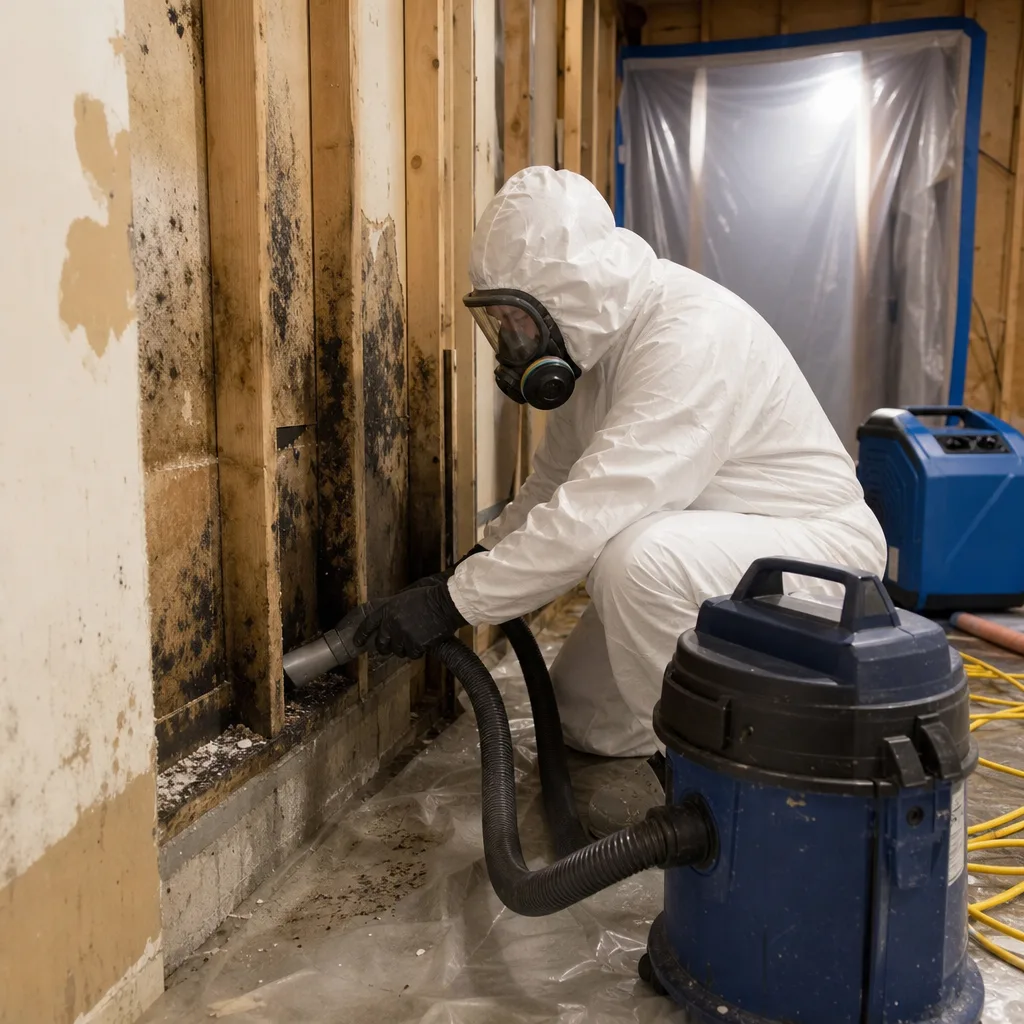
Mold Inspection & Testing
A proper Seattle mold inspection starts with moisture mapping across multiple visits, not a single visual sweep. We collect air and surface samples, document spore counts against outdoor baselines, and trace moisture intrusion paths through foundation walls and crawl space perimeters. In neighborhoods like Queen Anne and Magnolia, we regularly find that the mold source is lateral groundwater migration from upslope clay soils, not the roof leak the homeowner suspected. The written report includes photo documentation, lab results, and a scope of work with a fixed price before any remediation begins.
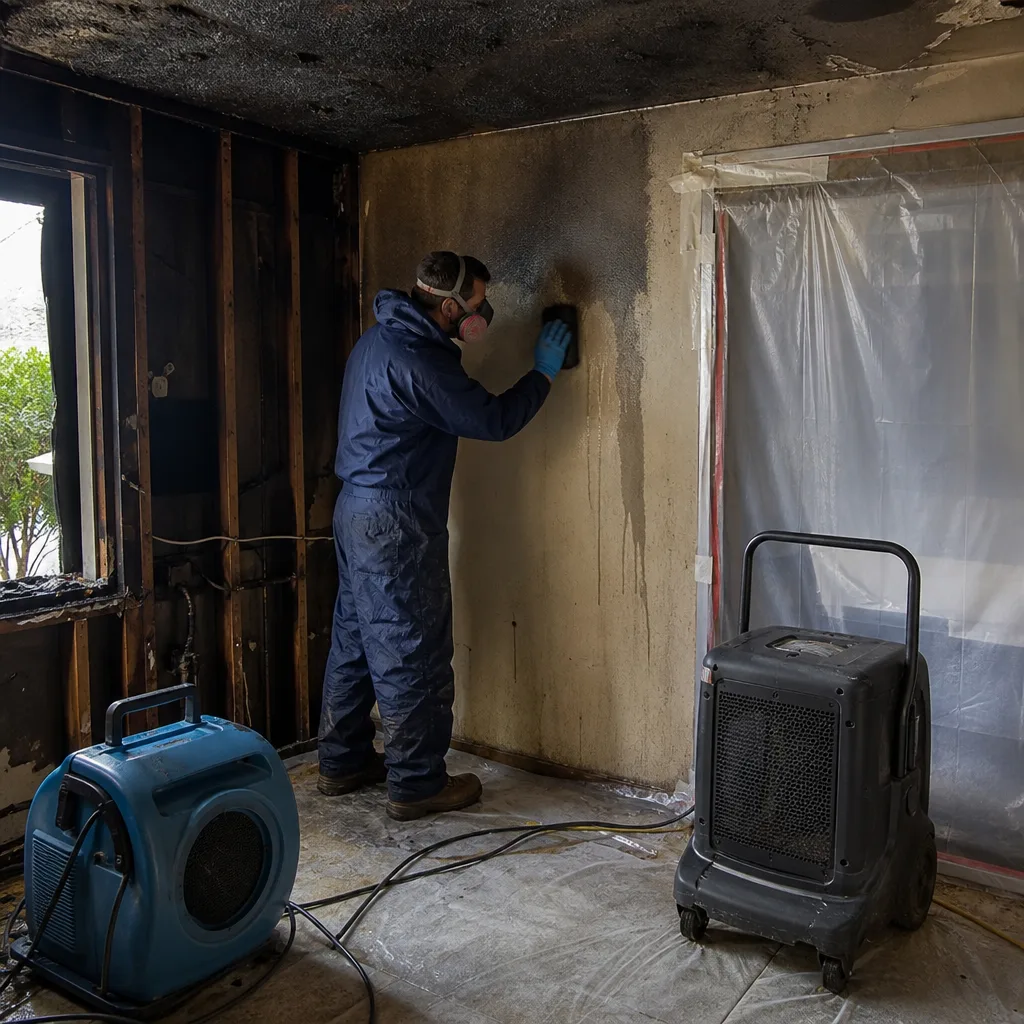
Mold Removal
Removal in Seattle’s Craftsman bungalows and Seattle boxes requires containment protocols that protect original plaster, fir trim, and cedar siding while eliminating colonized material. We establish negative air pressure, remove contaminated drywall or insulation, and treat structural framing with antimicrobial solutions appropriate to the material classification. Every removal job includes a written price under Haven Standard, Clause 1, and a photo record of before, during, and after conditions.
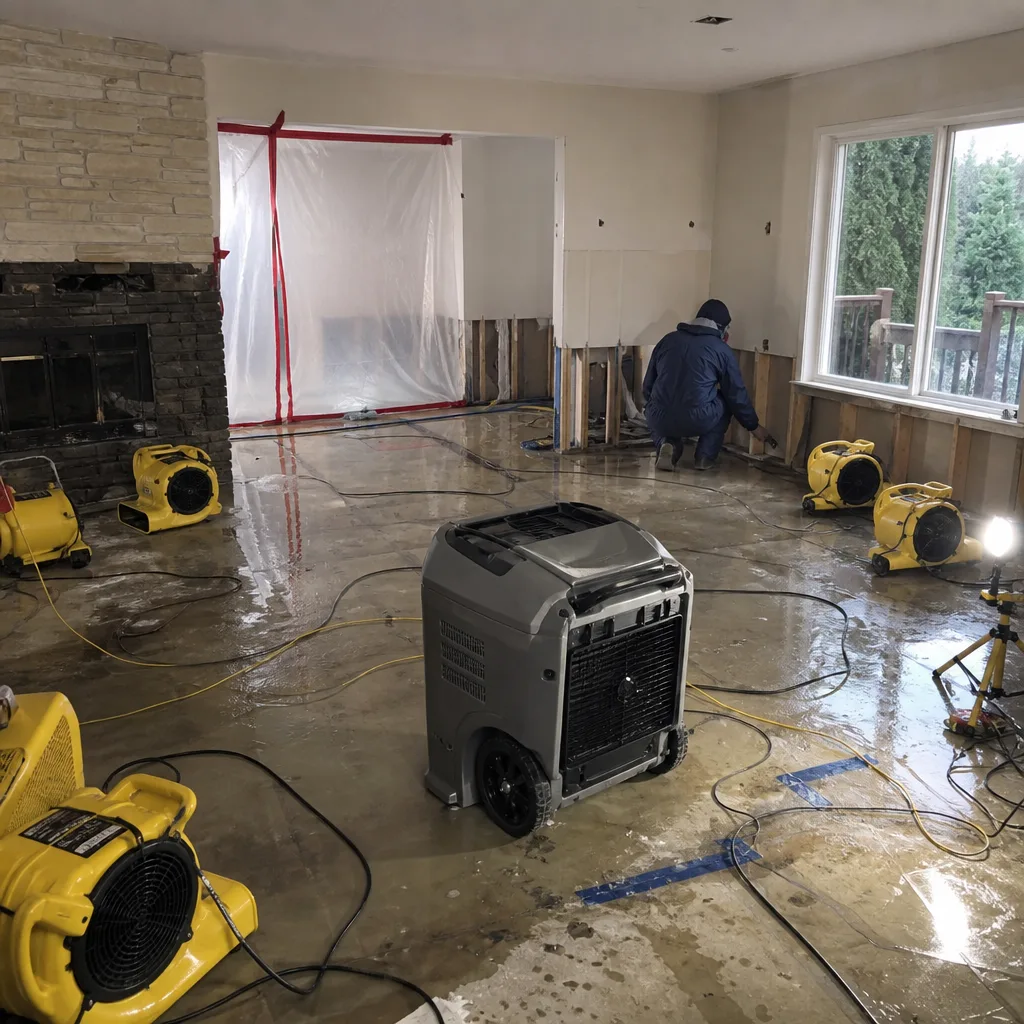
Black Mold Remediation
Stachybotrys and other toxigenic species in Seattle almost always indicate long-term moisture saturation, typically in unventilated crawl spaces or behind siding that’s been wicking groundwater for years. We don’t spray and leave; we establish containment, remove contaminated porous materials, HEPA-vacuum all surfaces, and verify clearance through third-party lab testing when health concerns are present. The scope always addresses the moisture source, or the colony returns.
Air Quality Restoration
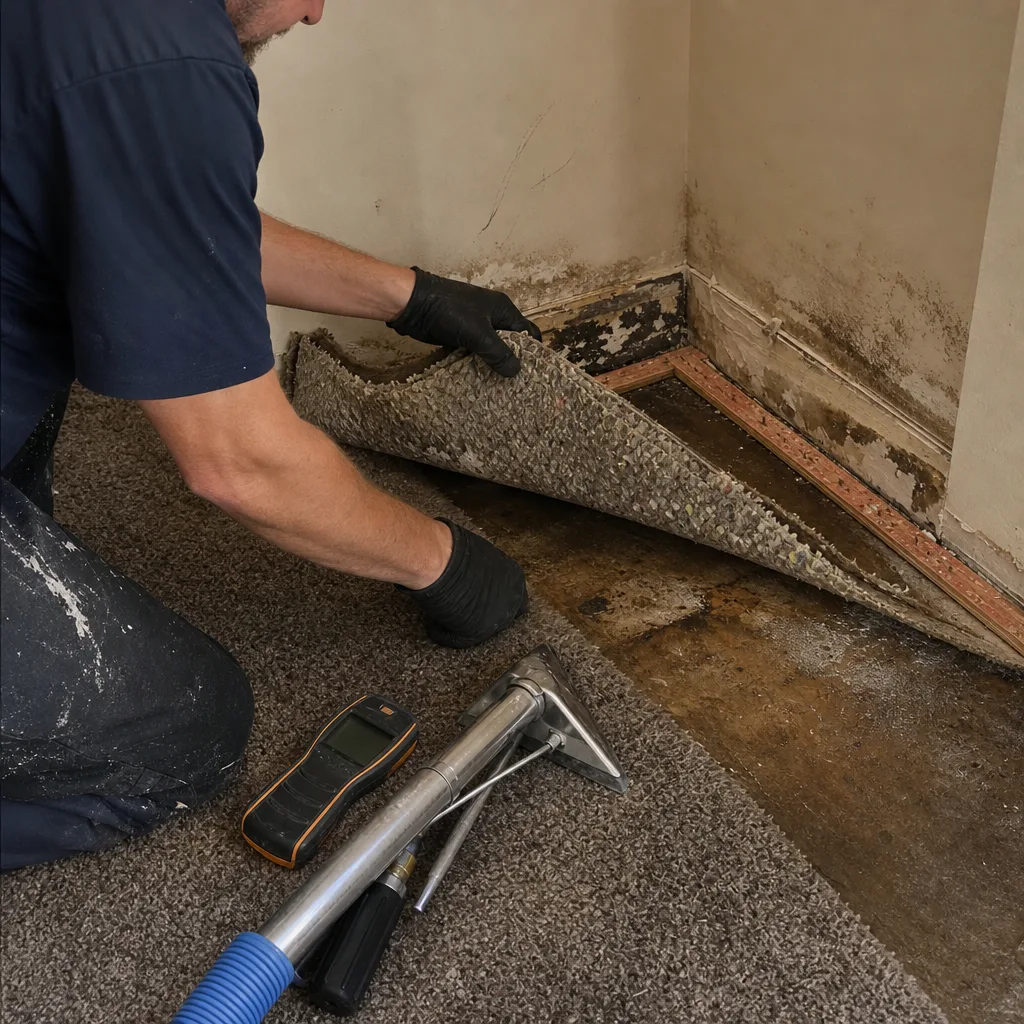
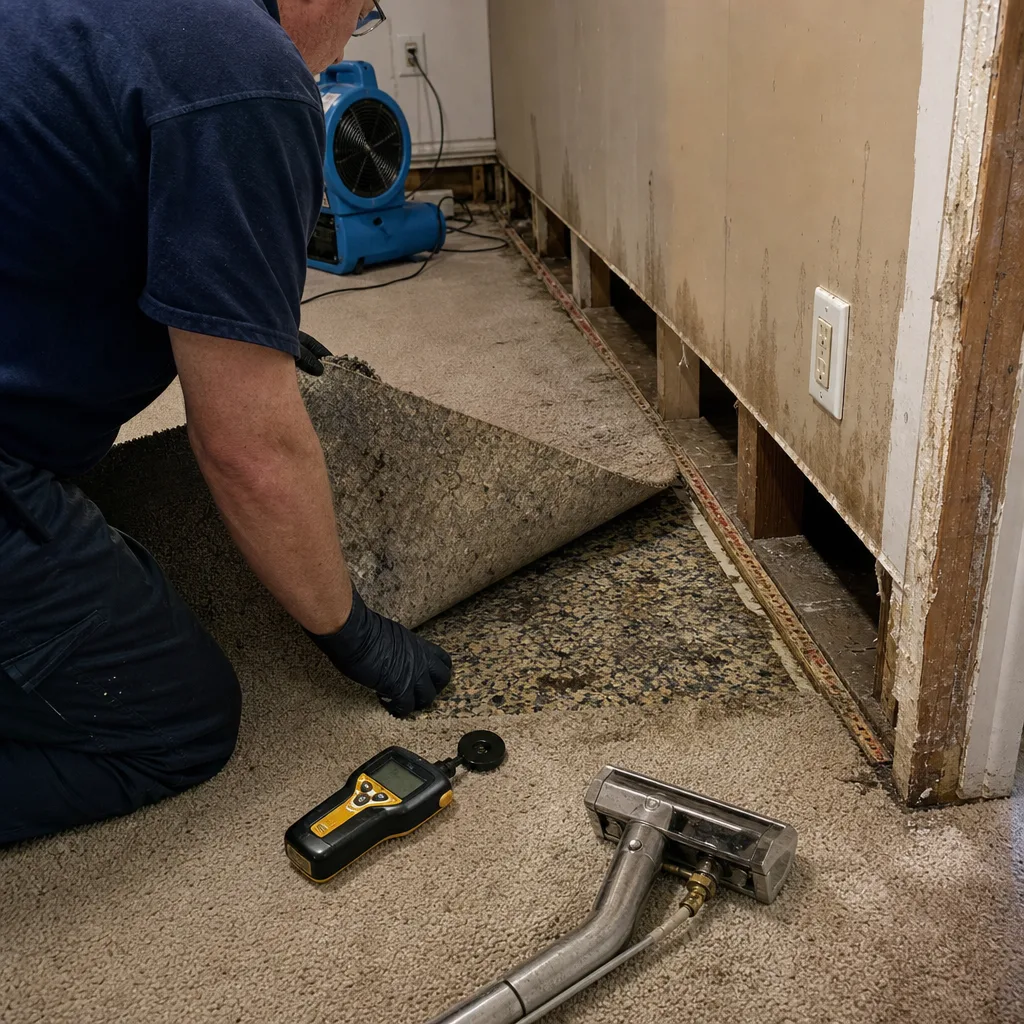
After remediation, we deploy HEPA air scrubbers and establish drying targets using psychrometric data, vapor pressure differential readings, and daily moisture logs documented to IICRC standards. Seattle’s persistent humidity means air quality restoration often requires dehumidification running longer than in drier climates, and we don’t declare the job complete until readings confirm the structure has reached dry standard, not just “feels dry.”
Crawl Space Treatment
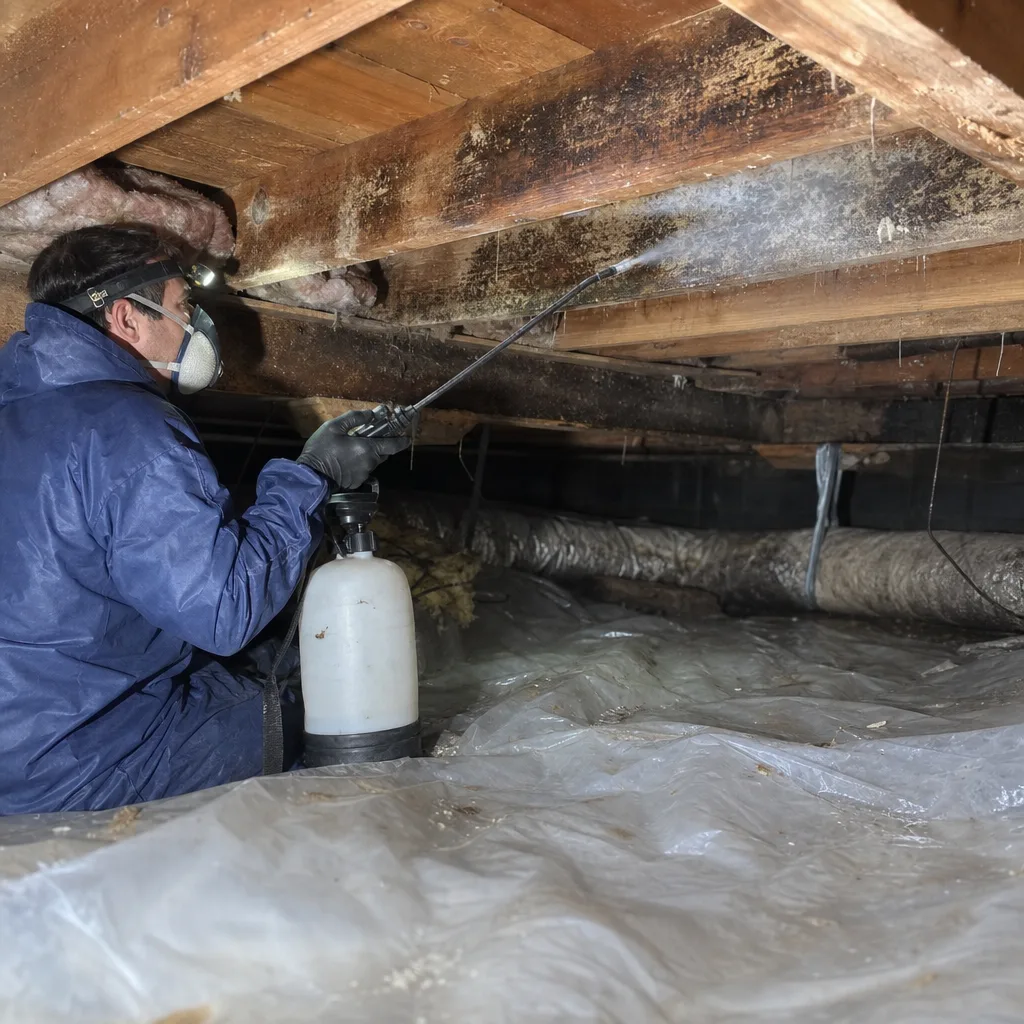
This is where Seattle mold lives. Our crawl space treatments include antimicrobial application to joists and mudsills, structural drying with Injectidry mats and air movers, and vapor barrier installation where appropriate. We also identify when regrading or French drains are necessary, because dry-out without drainage correction on glacial clay is temporary work.
Moisture & Humidity Control
We install professional-grade dehumidification systems from Dri-Eaz and Phoenix, sized to the cubic volume and ventilation profile of Seattle’s tight, older homes. Ongoing moisture monitoring with documented readings gives adjusters the evidence trail they need and homeowners the confirmation that the envelope is actually dry.
What happens when you call
- 1
A real person answersNo phone trees - you reach a local pro.
- 2
You get an upfront price rangeHonest numbers before anyone is dispatched.
- 3
A background-checked tech heads outLicensed & insured, dispatched right away.
- 4
You approve before work beginsNothing starts until you say go.
 Before
 After
AfterTrusted Brands We Service in Seattle
Our equipment inventory draws from Dri-Eaz, Phoenix, XPOWER, B-Air, and Injectidry, brands that produce the drying systems and moisture detection tools we use daily in Seattle’s below-grade spaces. We stock HEPA filtration, containment barriers, and antimicrobial formulations sized for the city’s residential scale, not commercial high-rises, which means faster mobilization to Ballard, Fremont, or Beacon Hill without waiting on parts shipments. All work is documented to IICRC, RIA, and IFA standards, producing the daily moisture logs and photo records that turn restoration invoices into payable claims.
Common Mold Remediation Problems We See in Seattle Homes
- Treating mold as the problem instead of the symptom. Spraying antimicrobial treatment on joists without a scope that addresses the chronically wet crawl space means the colony returns each wet season. We map the moisture source first.
- Skipping crawl space containment and dehumidification. Without proper isolation, spores and humidity migrate into living spaces while the structure never reaches dry standard. Our containment protocols prevent cross-contamination.
- Misdiagnosing lateral groundwater as a roof or plumbing leak. Out-of-area crews consistently trace moisture to the wrong source in Queen Anne and Beacon Hill clay soils, then bill for repairs that don’t solve the actual problem. Our moisture mapping identifies groundwater migration paths.
- Declaring completion without verified dry standard. Seattle’s marine climate keeps materials near saturation for months. We run daily moisture logs until readings confirm the structure is dry, not just surface-dry.
Pricing for Mold Remediation in Seattle, WA
Mold inspection and testing in Seattle runs $350-$650, depending on sample count and lab turnaround. Crawl space mold remediation typically falls between $2,800-$5,200 for contained areas under 1,000 square feet, while whole-structure jobs with extensive colonization, structural drying, and air quality restoration can reach $5,500-$7,500. Factors that move the price: accessibility of the crawl space, extent of contaminated porous material requiring removal, need for third-party clearance testing, and whether drainage correction or vapor barrier installation is included in the scope.
Every price is delivered in writing before work begins, per Haven Standard, Clause 1. No exceptions. We also offer a Free Second Opinion on any competitor’s written estimate. Call (425) 689-8468 for a written scope and exact price for your property.
We Also Serve Cities Near Seattle
Our Mold Remediation in Seattle crews also respond to properties in Bellevue, Mercer Island, Kirkland, and Bainbridge Island, with the same documentation standards and written pricing on every job.
Serving Seattle, WA - Our Local Coverage Area
We’re based in the Seattle area and know this community well. Use the map below to see our service coverage - if you’re nearby, we can almost certainly help.
FAQs - Mold Remediation in Seattle
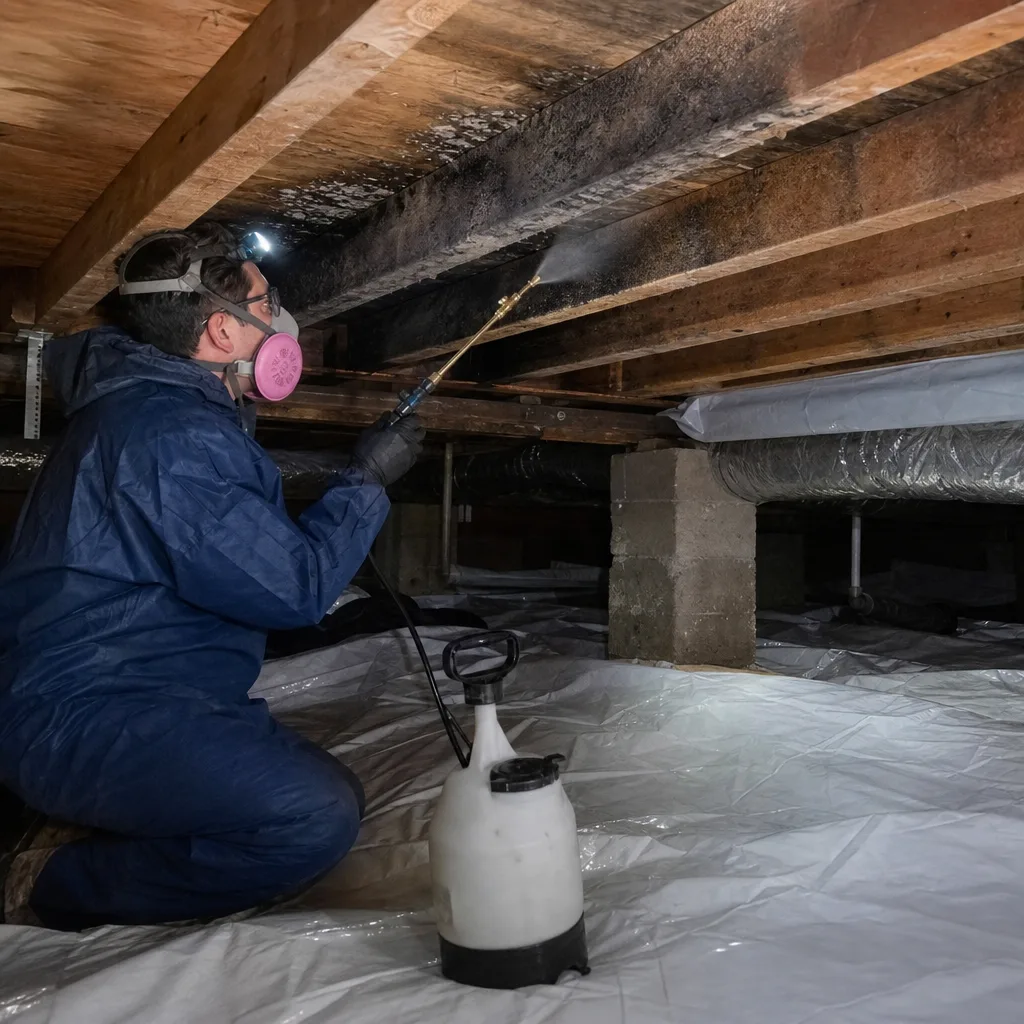
It returns because the moisture source was never fixed. Seattle’s Craftsman bungalows sit on unencapsulated dirt crawl spaces over poorly draining glacial clay, so lateral groundwater wicks into floor joists and mudsills continuously. Spraying mold without addressing the wet envelope is painting over a leak. Our scopes include moisture source identification and often specify drainage correction or vapor barriers to prevent recurrence. Call (425) 689-8468 for a written assessment that names the actual source.
Mold colonization can begin within 24-72 hours of moisture saturation, but in Seattle’s chronic-damp conditions, we often find established colonies that have been growing for months or years before discovery. The marine climate keeps relative humidity high enough that even slow, ongoing moisture intrusion supports active growth without a dramatic event. Early inspection matters, but don’t assume a “small” leak means small damage. Call (425) 689-8468 for moisture mapping that reveals the true timeline.
Yes. Category 1 clean water allows structural drying and salvage of sound framing; Category 2 gray water requires antimicrobial treatment and removal of saturated porous materials; Category 3 black water demands removal of all affected porous materials and more extensive containment. Seattle crawl spaces often blur categories because groundwater seeping through glacial clay carries soil contaminants, so we test and classify before declaring a drying strategy. The written scope specifies the category determination and its implications. Call (425) 689-8468 for classification and pricing.
The source is almost always lateral groundwater migration through glacial clay, not roof failure. In Ballard and Fremont, original cedar siding wicks moisture, and unencapsulated crawl spaces pull groundwater directly into the structure. Our field teams regularly trace mold to foundation contact with saturated soil while the roof is sound. Moisture mapping over multiple readings reveals the true path. Call (425) 689-8468 for source identification before paying for unnecessary roof repairs.
Proper remediation includes source identification, containment, removal of colonized porous materials, antimicrobial treatment of structural framing, structural drying with documented moisture logs, air quality restoration with HEPA filtration, and verification that dry standard has been reached. In Seattle, it also means evaluating whether drainage correction, regrading, or vapor barriers are needed to prevent the moisture source from reactivating the problem. The written scope covers each step with a fixed price before work begins. Call (425) 689-8468 for a complete scope and exact quote.
Written by Alicia Brennan, Owner at Back to Dry Restoration, serving Seattle since 2011.