
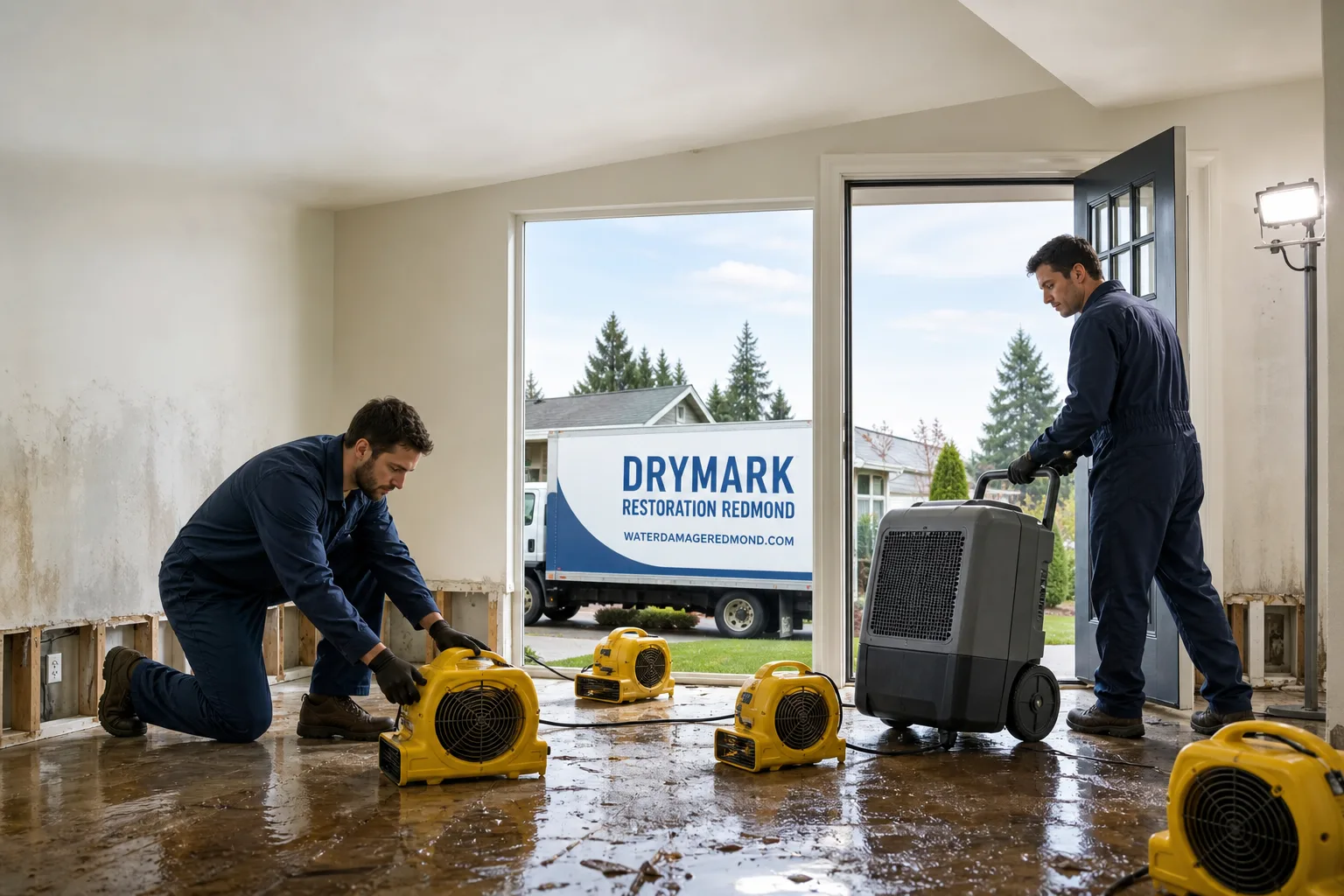
Free visual inspection and a written scope of work before any mitigation begins - photos, moisture readings, and drying logs go in your claim file
The scope we write is the scope we bill. Anything new gets shown to you, in writing, before we touch it.
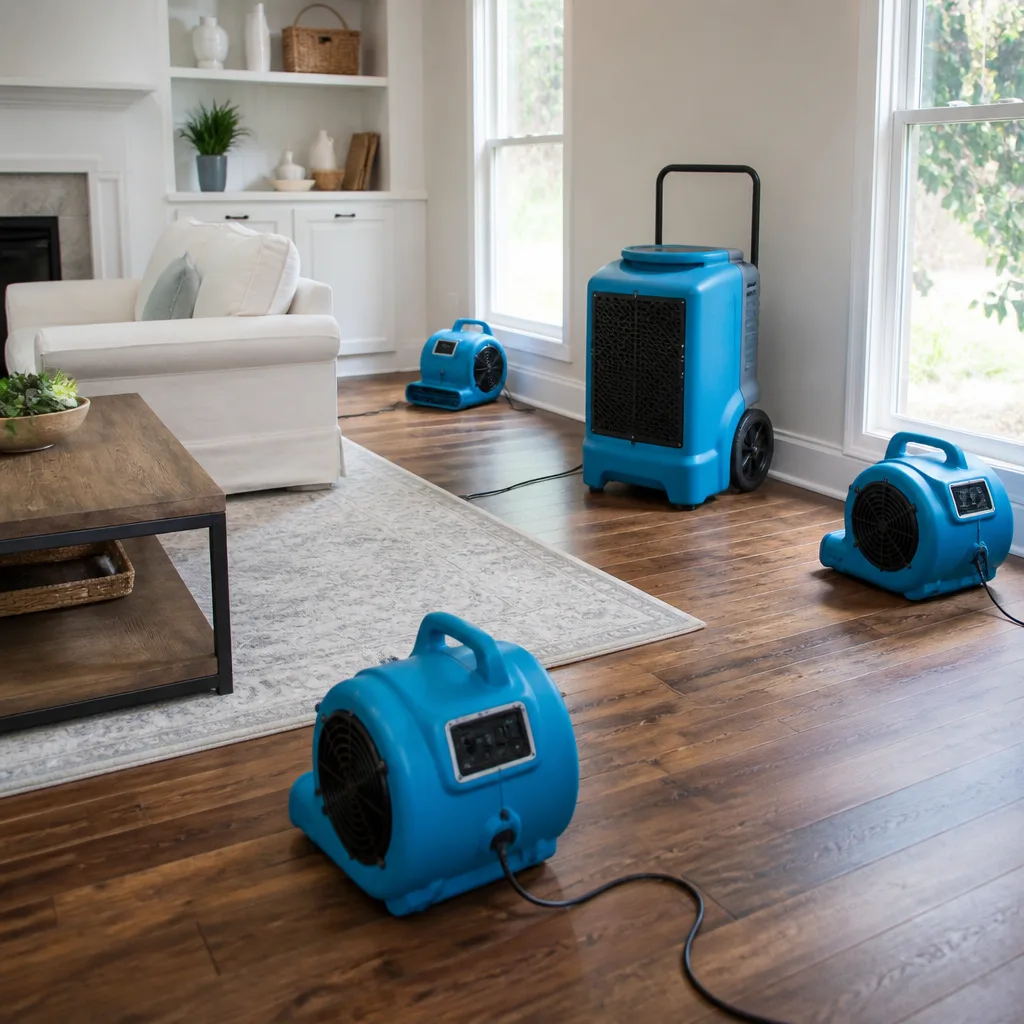
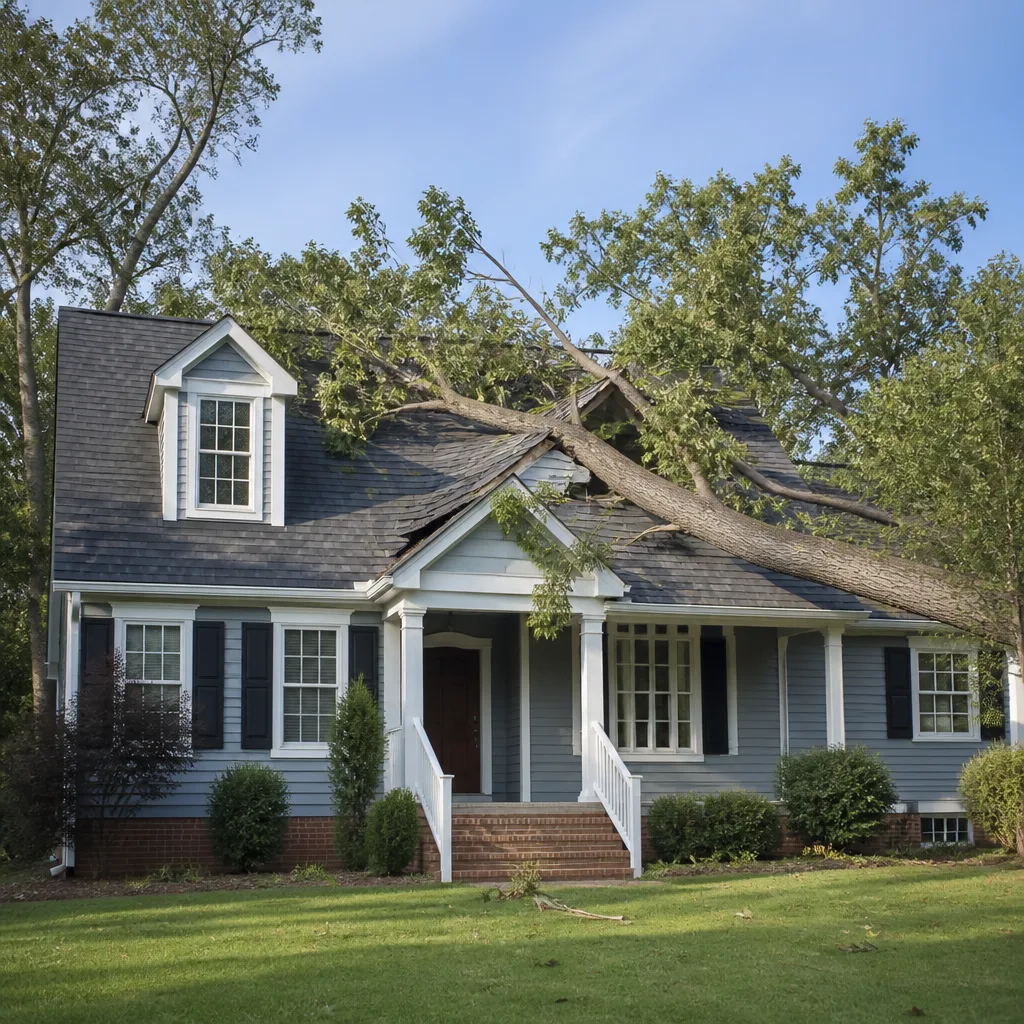
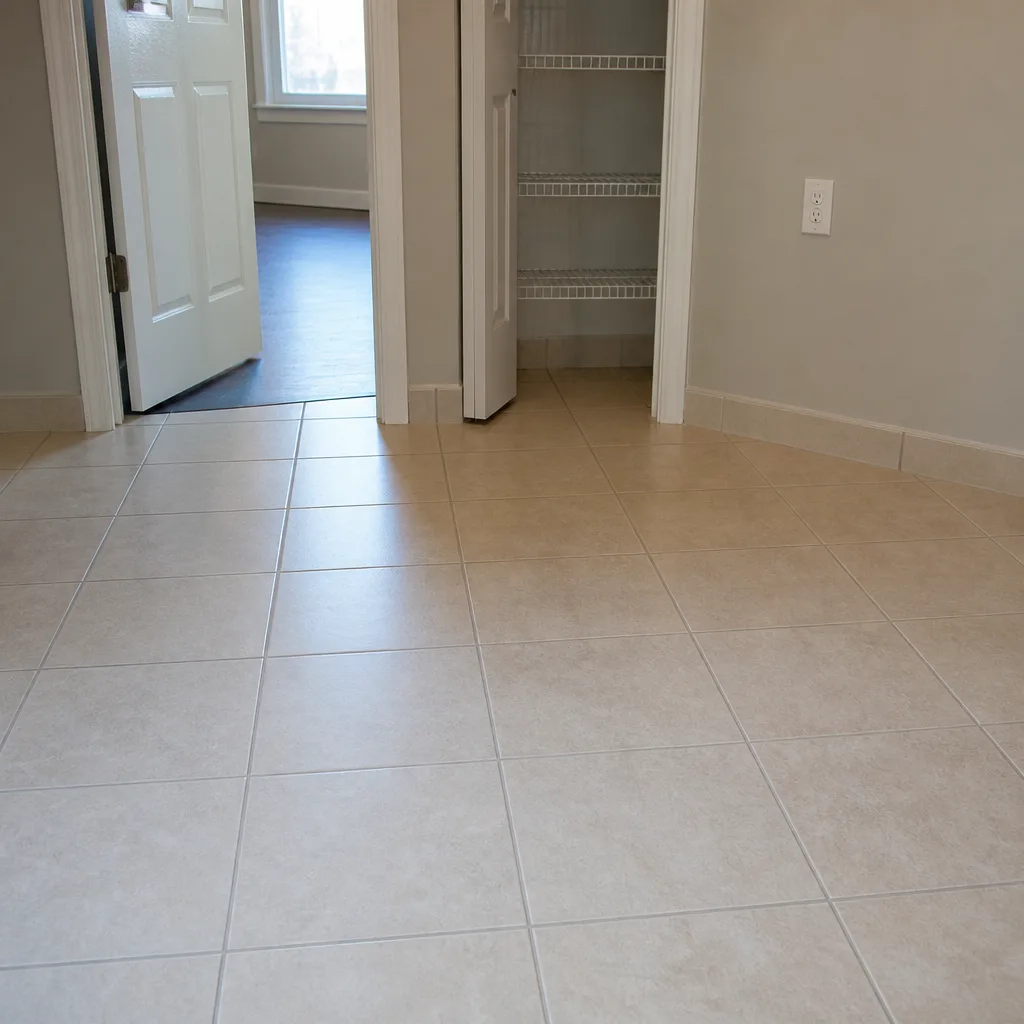
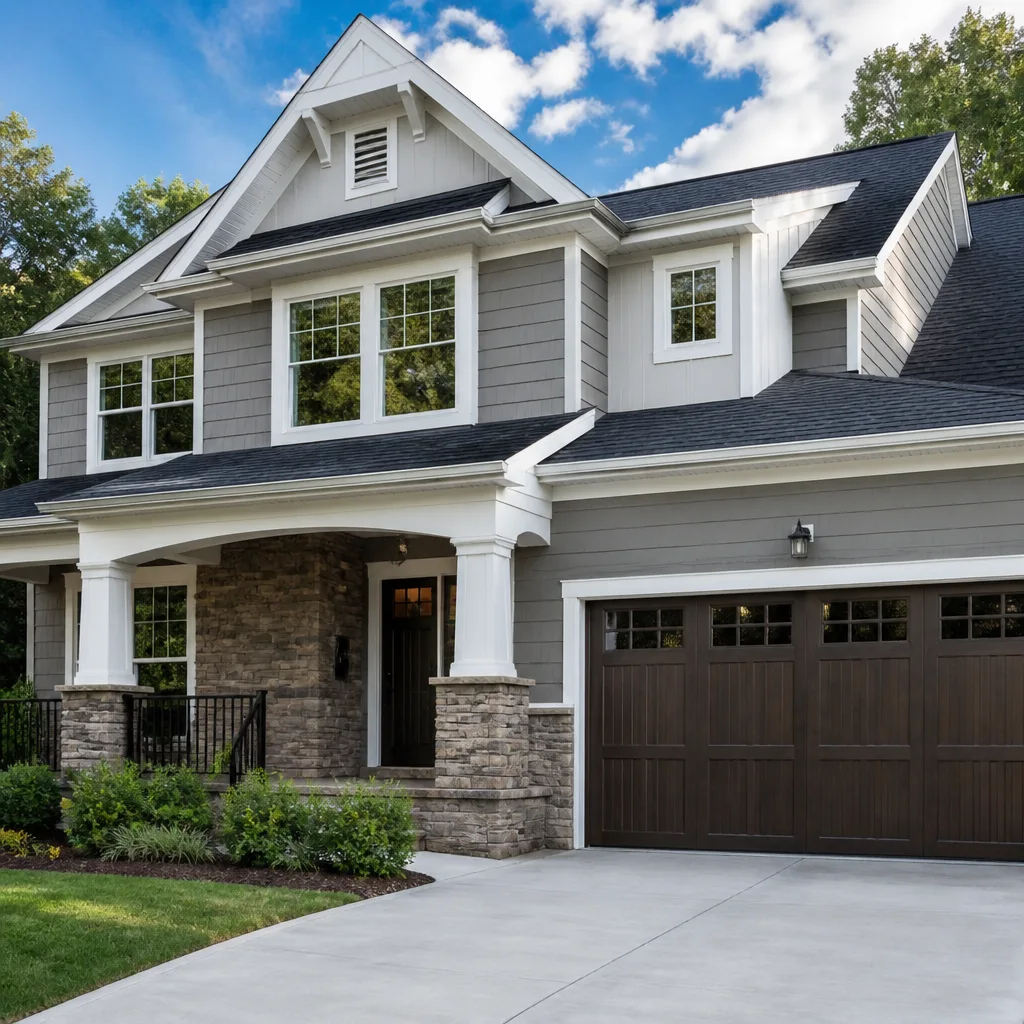
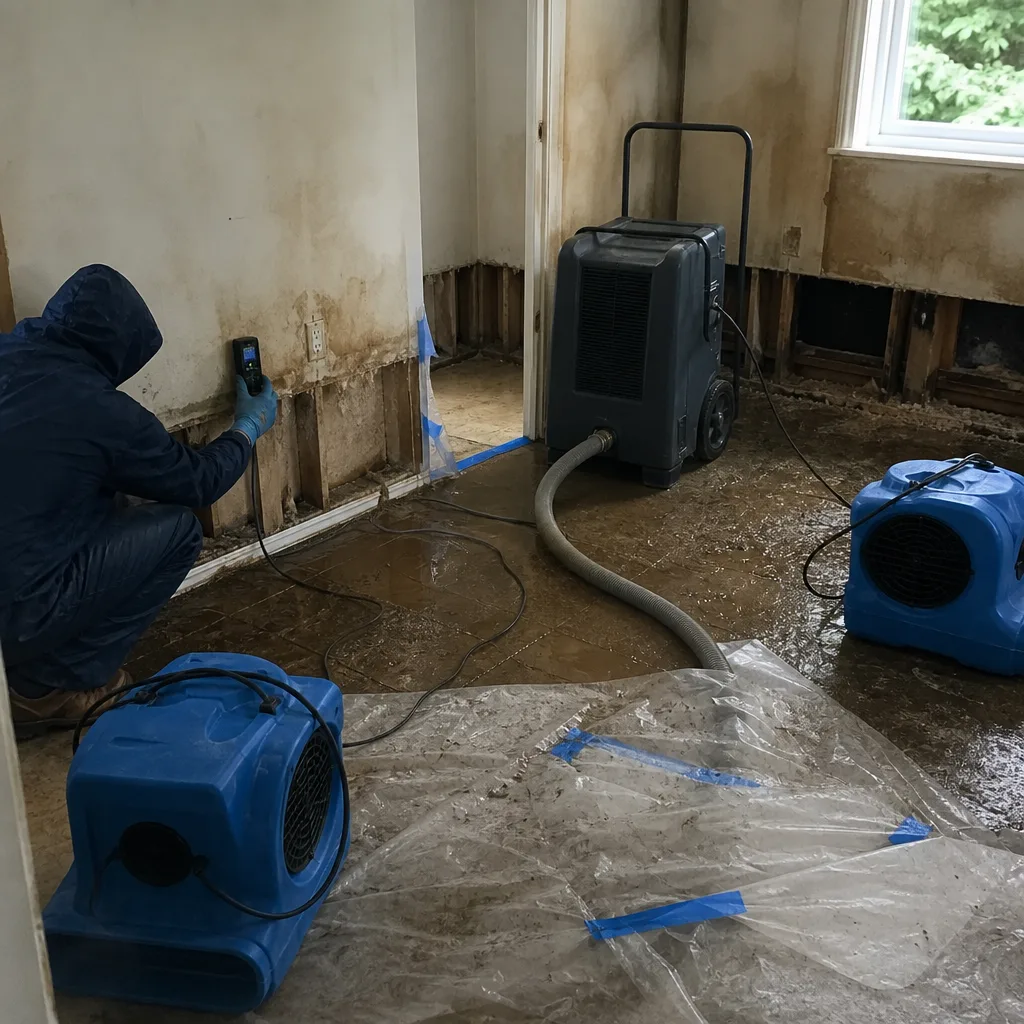 Before
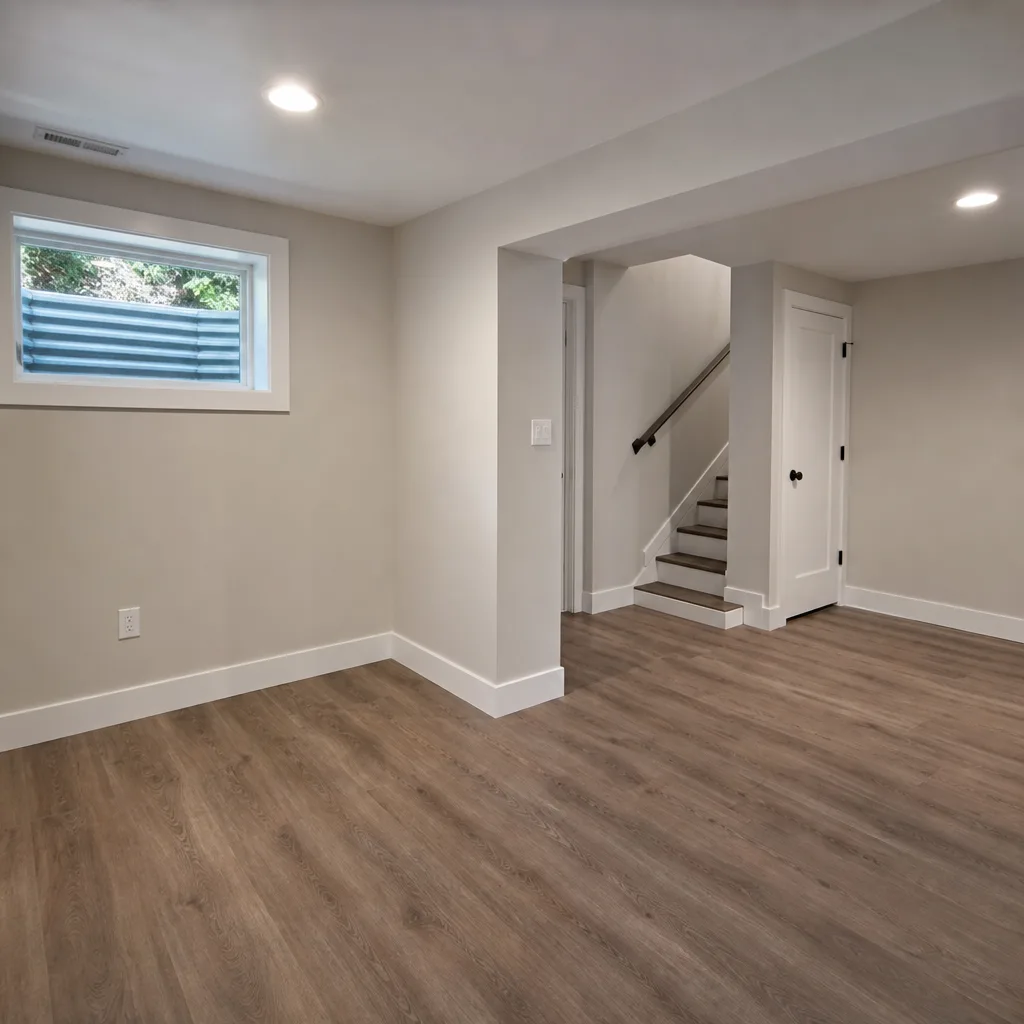 After
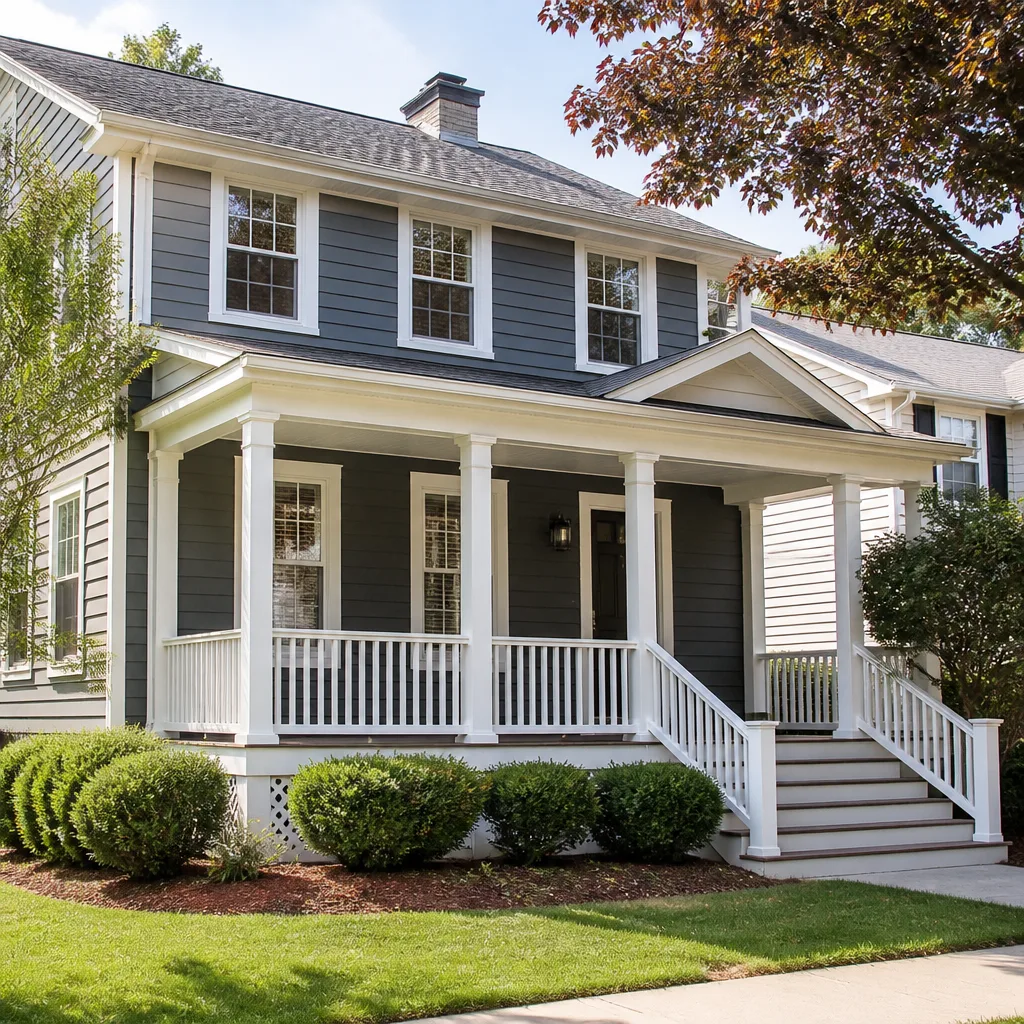
After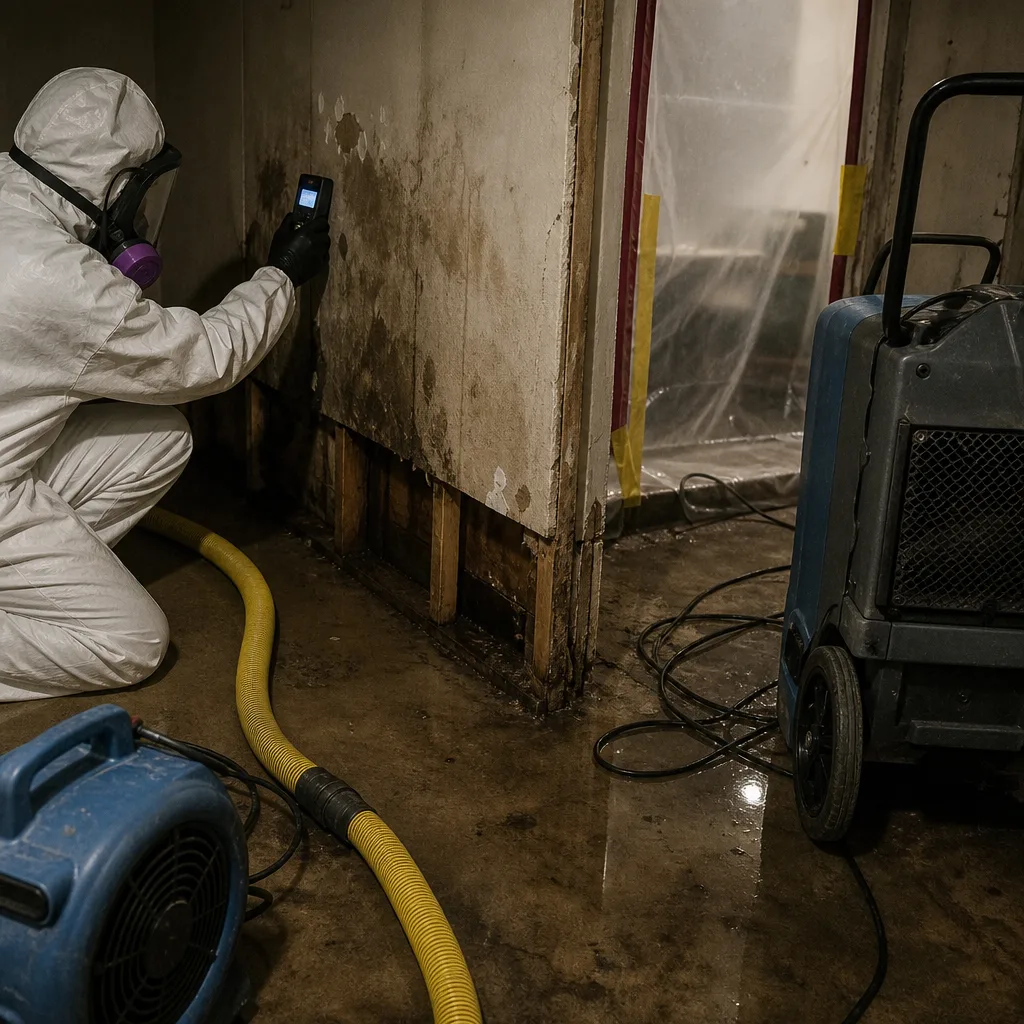 Before
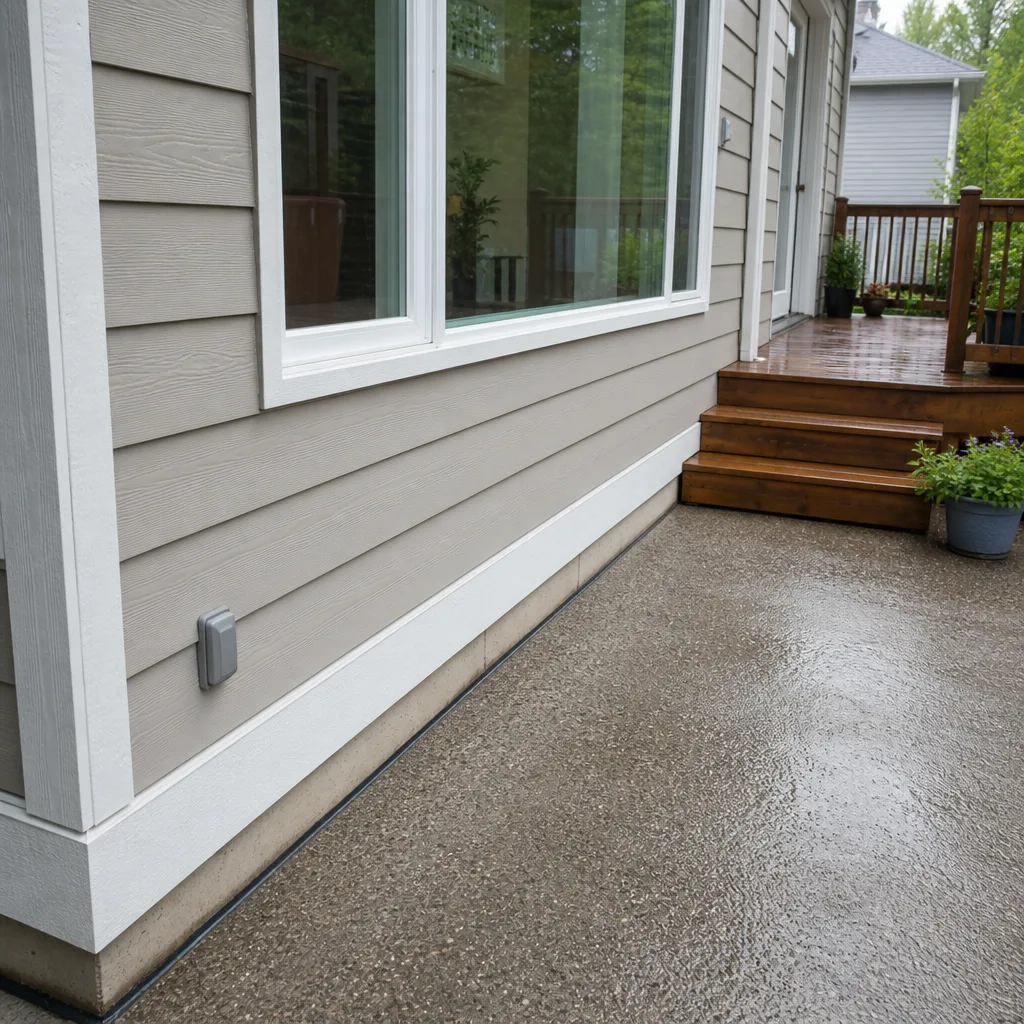 After
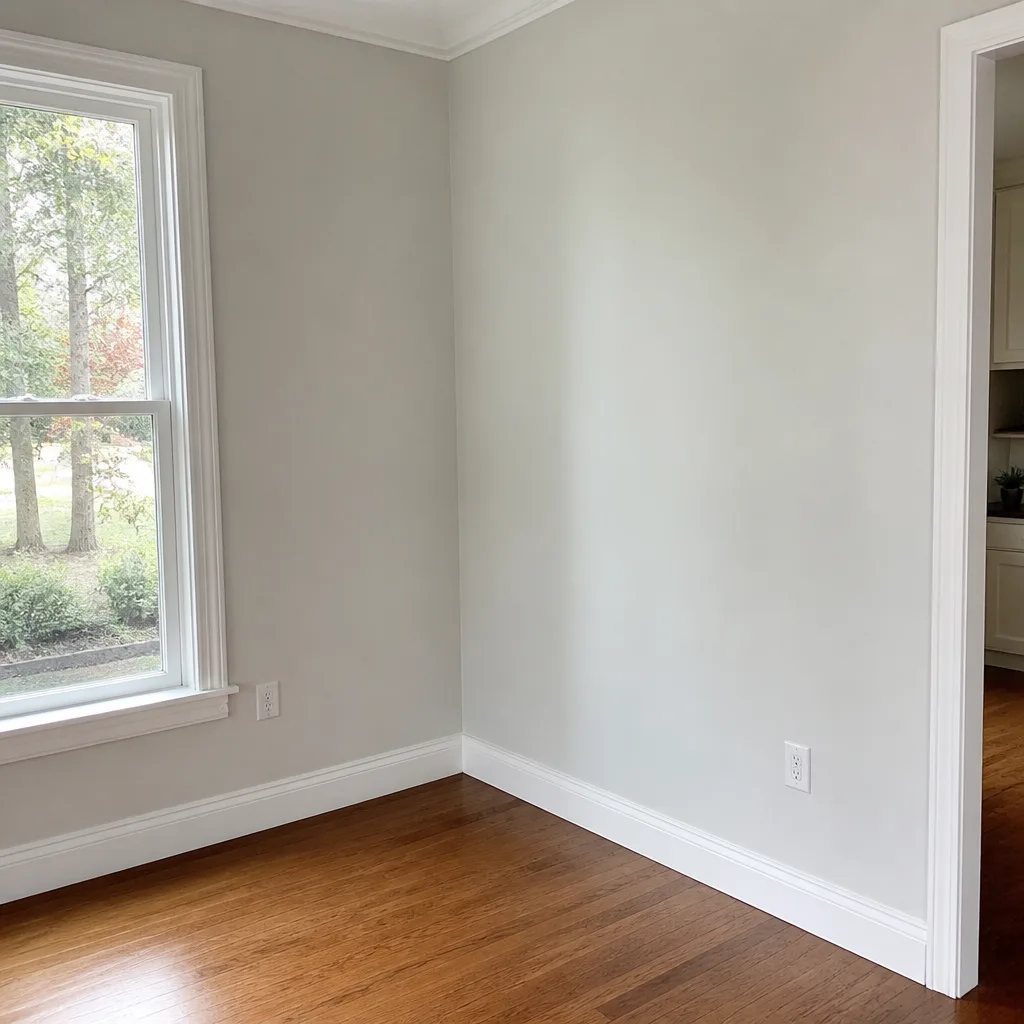
After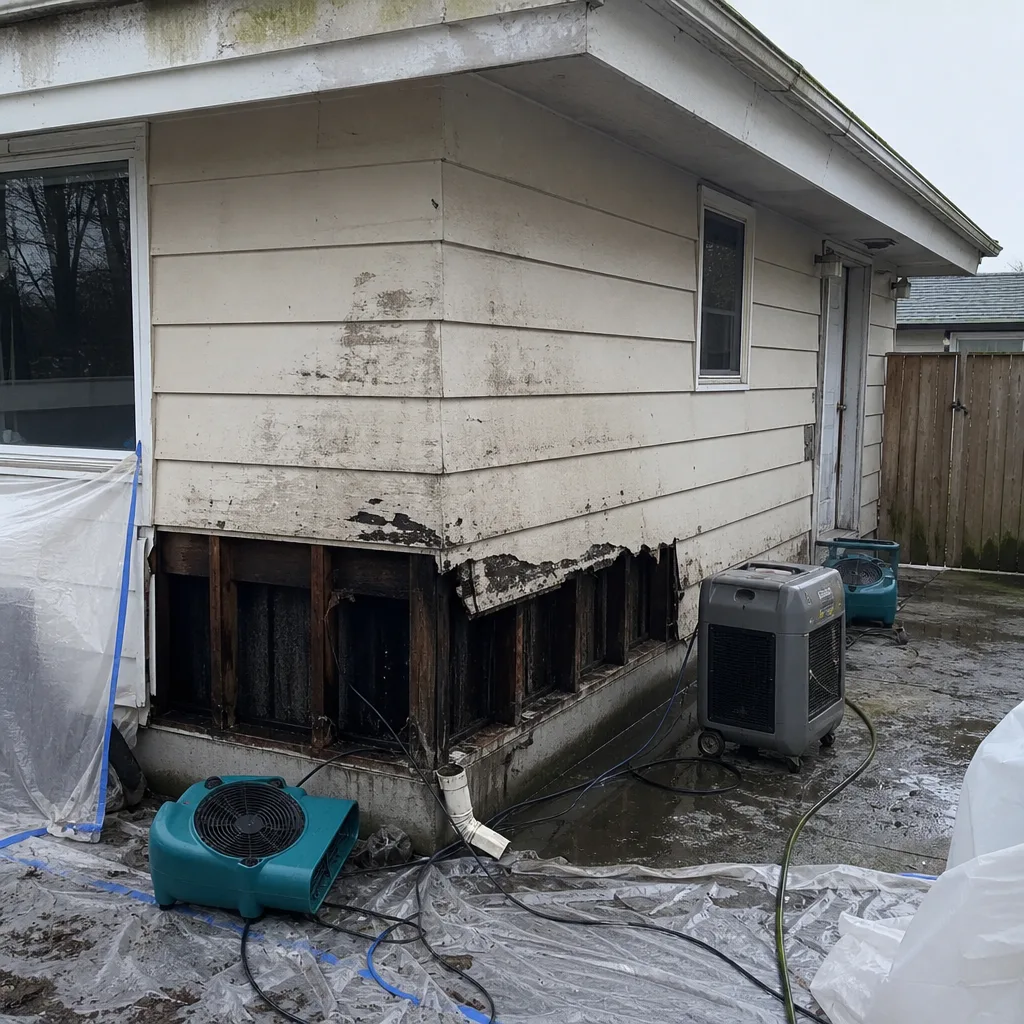 Before
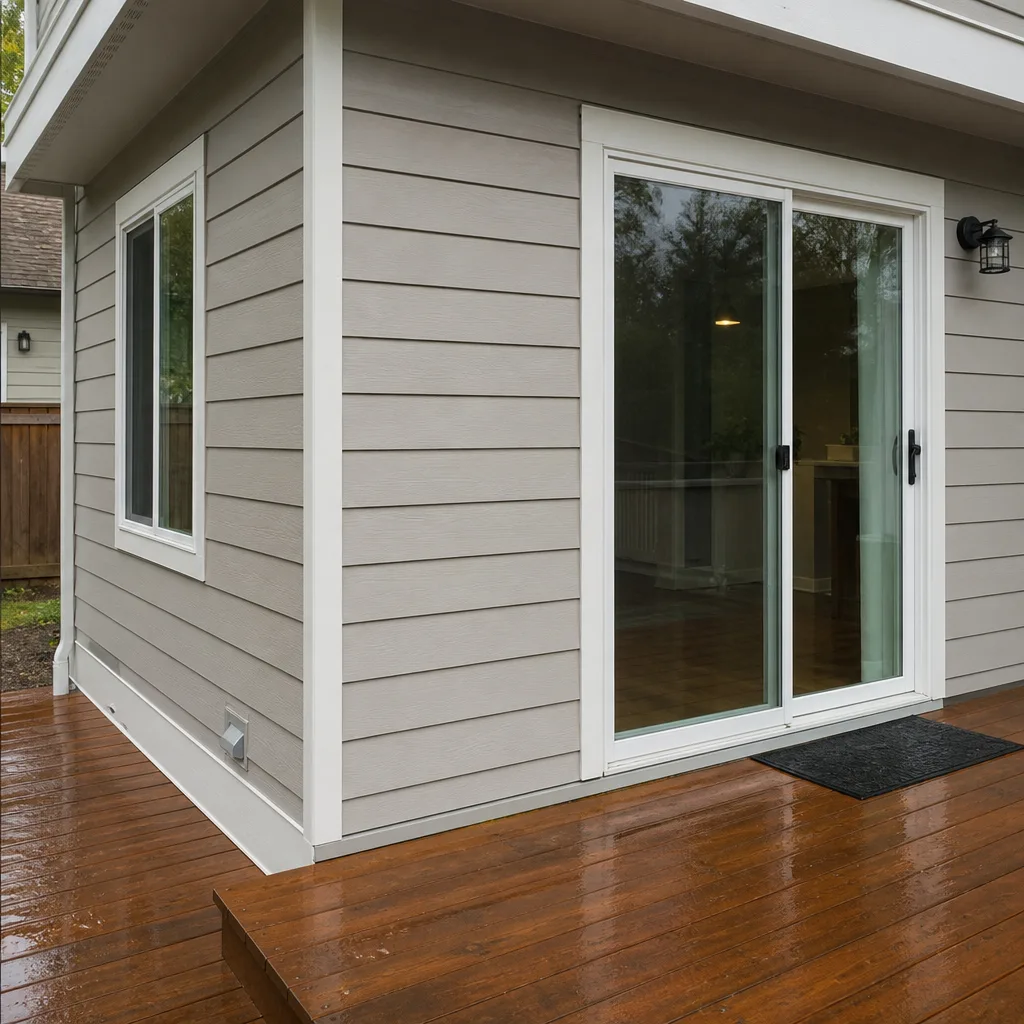 After
AfterFast, Reliable Water Damage Restoration Across Seattle
Water damage restoration in Seattle typically runs $2,800-$6,500 for a standard residential dry-out, with emergency extraction starting around $450-$950 and full structural drying adding $1,800-$4,200 depending on square footage and category of water involved. Our Seattle office dispatches crews throughout the metro seven days a week, and because we document every job to IICRC and RIA standards, your insurer receives the photo record and daily moisture logs they need to pay the claim without dispute. Call (425) 689-8468 for a written price before any work begins - Haven Standard, Clause 1.
We’re not strangers to Capitol Hill basements, Ballard crawl spaces, or the hillside drainage patterns that push Magnolia and Beacon Hill groundwater into foundations that never saw a burst pipe. Seattle’s 150-plus annual rain days and glacial clay soils create a restoration environment unlike anywhere else in the country, and our crews are trained to read the difference between a one-time leak and the accumulated envelope failure that most out-of-area contractors miss entirely.
Why DryMark Restoration Redmond Is Seattle’s Preferred Water Damage Restoration Company
Back to Dry Restoration, led by Alicia Brennan, has operated under The Haven Standard since 2011. That’s 12,000-plus homes restored, every one with a written price before work started and a documented record when the crew left. We built this company around the documentation gap that costs homeowners their claims - Alicia came from the adjuster side and saw too many invoices rejected for lack of psychrometric data, photo evidence, or a clear scope of work.
Seattle homeowners find us because they read the three-star reviews. They want to know what happens when something goes sideways. Our answer: the 365-Day Done Right Promise, backed by The Haven Standard and stamped on every job. If it’s not done right, we make it right. No verbal assurances. A signed warranty.
Live person answers every call, 24 hours a day, 7 days a week. No voicemail trees while water is still moving through your subfloor. Our dispatch is coordinated from the brand’s Seattle office, and crews carry the equipment to begin extraction within hours, not the next business day.
We also offer a Free Second Opinion on any competitor’s written estimate. Bring another company’s scope and we’ll review it at no charge. Most Seattle homeowners who take us up on this discover scope gaps - missing crawl space drying, skipped antimicrobial treatment, or equipment pulled before vapor pressure differential readings confirm the structure is actually dry.
Our Water Damage Restoration Services in Seattle
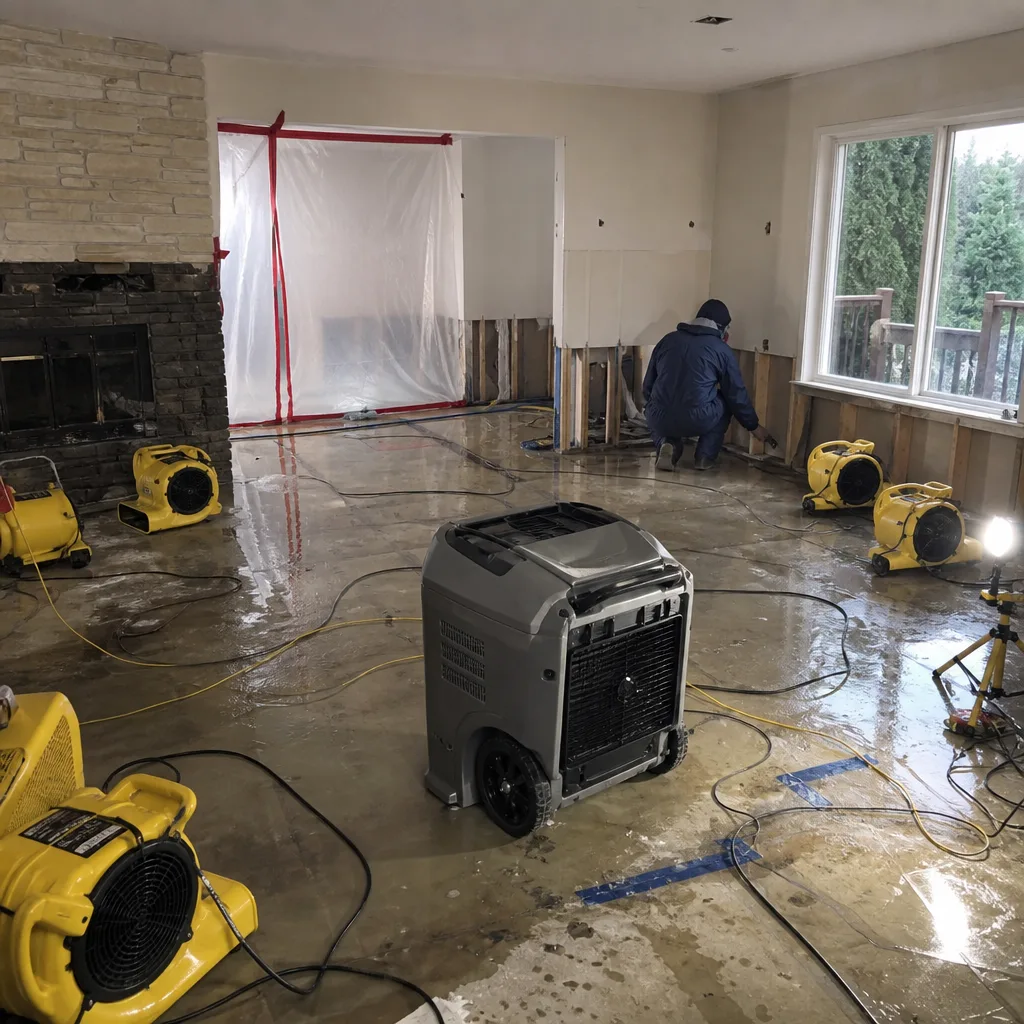
Emergency Water Extraction
When a supply line fails in a Fremont Craftsman or a washing machine overflows in Columbia City, speed matters - but only to the point of stopping migration. If you’re dealing with fire and smoke damage restoration in Seattle, the same urgency applies to prevent secondary damage. Our crews extract standing water with truck-mounted and portable systems, then immediately map moisture intrusion with thermal imaging and penetrating meters. In Seattle’s marine climate, we see a lot of category 1 water that started clean but sat long enough in unencapsulated crawl spaces to pick up contaminants from soil and decaying organic matter. We document the starting category with photos and meter readings, because that classification determines every downstream decision your insurer will scrutinize.
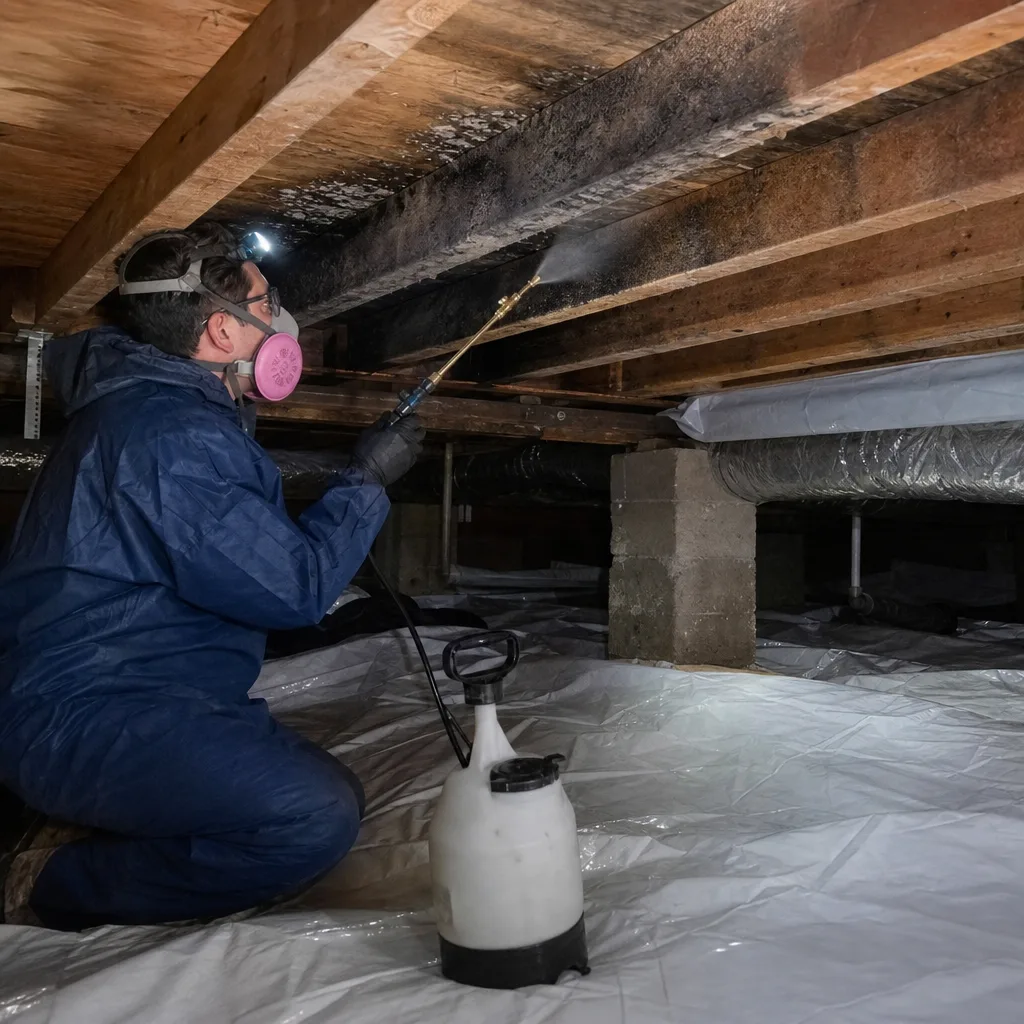
Structural Drying & Dehumidification
This is where Seattle restoration diverges from anywhere else. Our dri-Eaz and Phoenix dehumidification systems, paired with Injectidry cavity-drying equipment, run until psychrometric data - temperature, relative humidity, and specific humidity readings - proves the structure is dry, not just surface-dry. Seattle’s constant cool drizzle creates a deceptive condition: wall cavities feel dry to the touch because the surface is cool, but moisture readings deep in the stud bay tell a different story. We log those readings daily and deliver the drying log as a standard document, never an upsell. Out-of-area techs pull equipment too early here. We don’t.
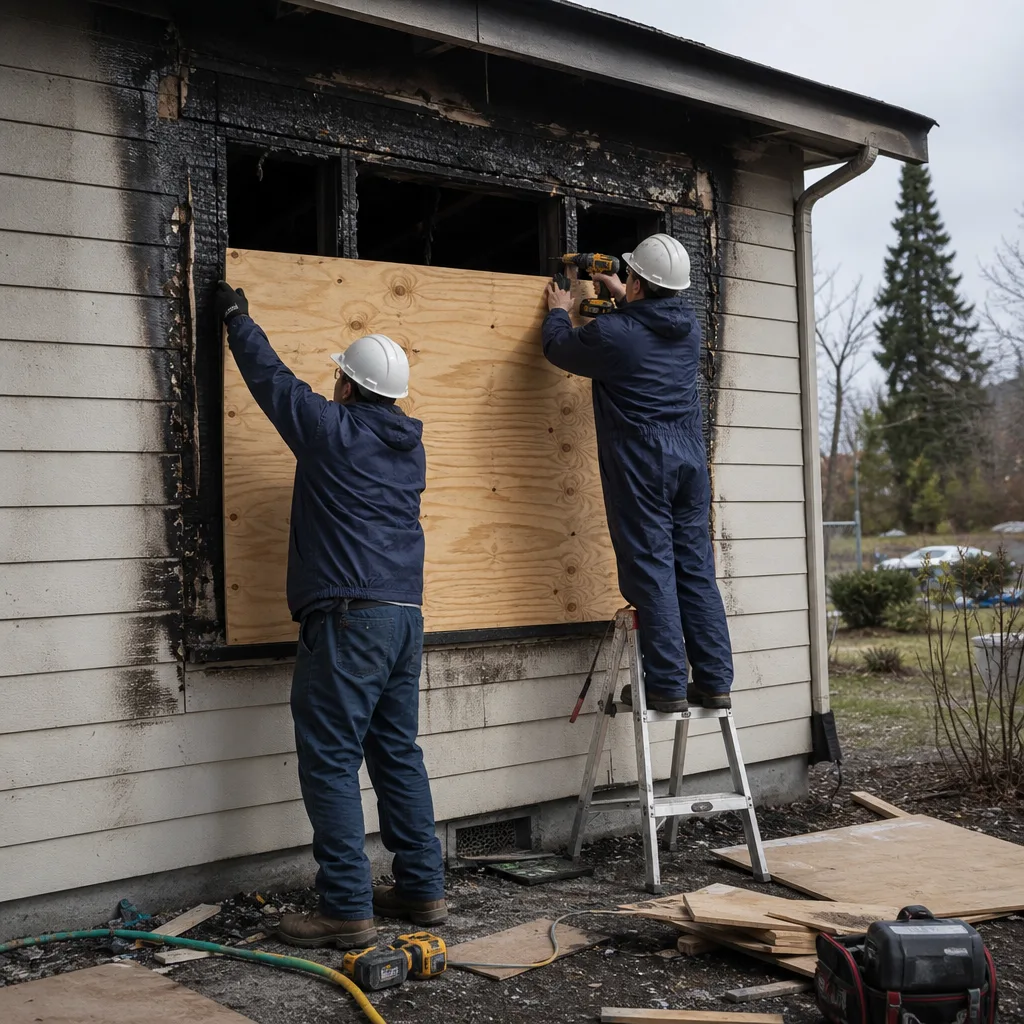
Basement Water Removal
Seattle basements are particularly vulnerable. The city’s steep terrain and impermeable glacial clay subsoils route groundwater laterally into foundation walls long after rain events end. In hillside neighborhoods, we’ve traced water entry to upslope yards three doors up. Our basement protocol includes subfloor extraction, cavity drying with Injectidry hoses, and antimicrobial treatment of framing - but we also document the likely source so you can address drainage with a landscape contractor or French drain installer. Drying the symptom without fixing the source is why mold returns in Seattle. We won’t let that happen on our watch.
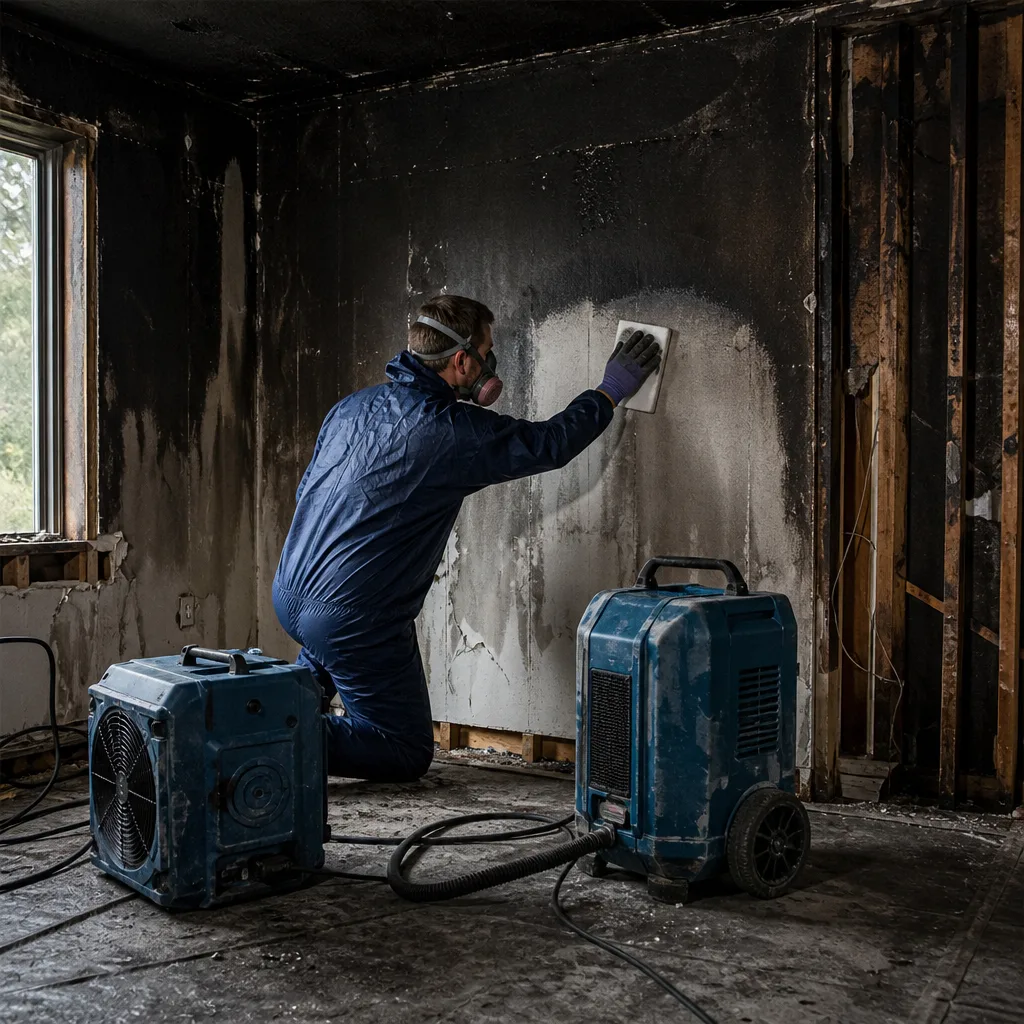
Flood Cleanup
Seattle’s “floods” are rarely flash events. More often they’re slow accumulations: overwhelmed perimeter drains in Queen Anne, failed sump pumps in below-grade Ballard units, or backflow during king tides in low-lying areas near the Ship Canal. We handle category 1 through 3 flood water, with full PPE and containment for gray and black water events. Every flood job gets a written scope, a photo record on every visit, and direct adjuster coordination if you’re filing a claim.
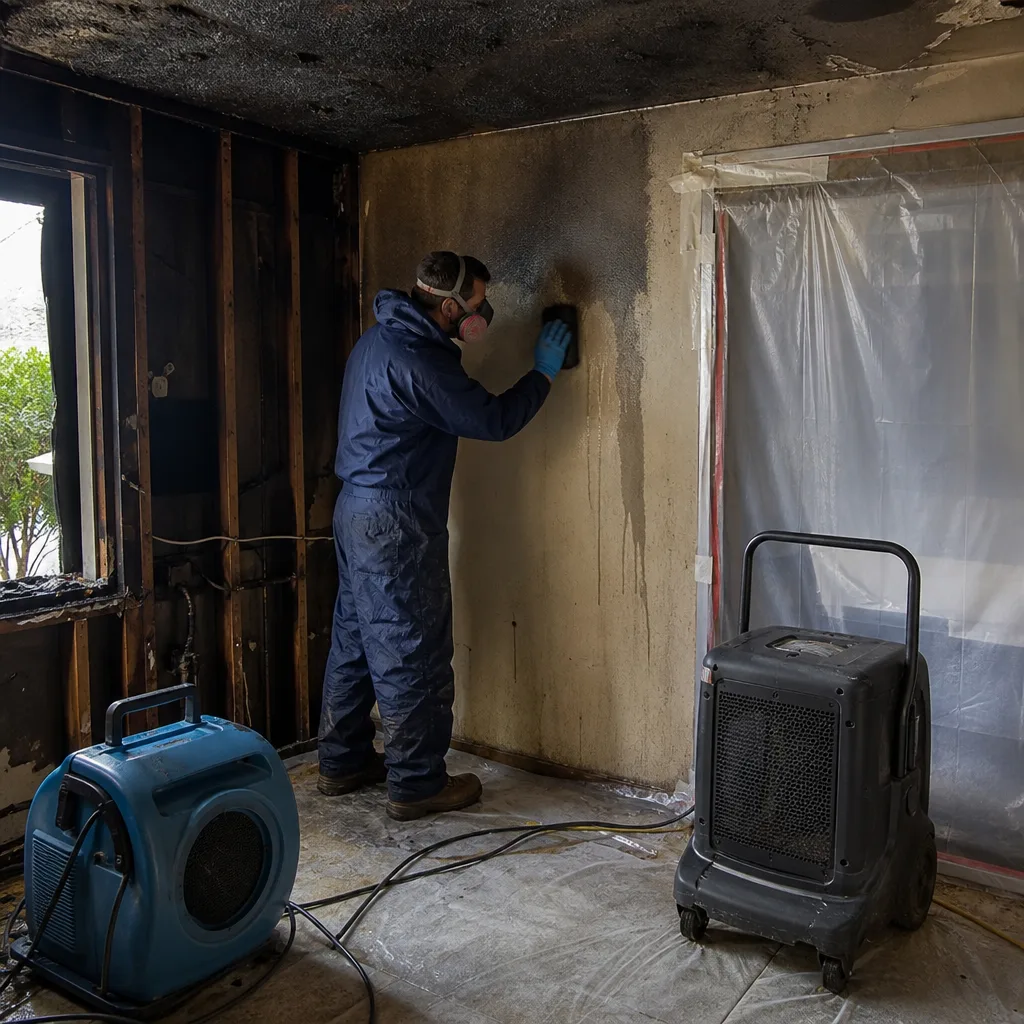
Burst Pipe Restoration
Even in Seattle’s mild winters, pipes fail - often in exterior walls of early-century Seattle boxes with minimal insulation, or in crawl spaces where wind exposure drops temperatures lower than the thermostat reading. We extract, dry, and document the damage, then provide the photo record and written scope your plumber and insurer both need. Haven Standard, Clause 1 applies: written price before any work starts, every time.
Ceiling & Roof Leak Water Damage
Cedar siding and original wood shingles on Seattle’s Craftsman bungalows degrade predictably after decades of wet-dry cycling. We see a lot of ceiling damage that homeowners attribute to a “recent” roof leak, but our moisture mapping reveals framing that’s been wet for years. We dry what’s wet, document what we found, and flag the long-term envelope failures that need addressing. That’s the difference between restoration that sticks and restoration that repeats.
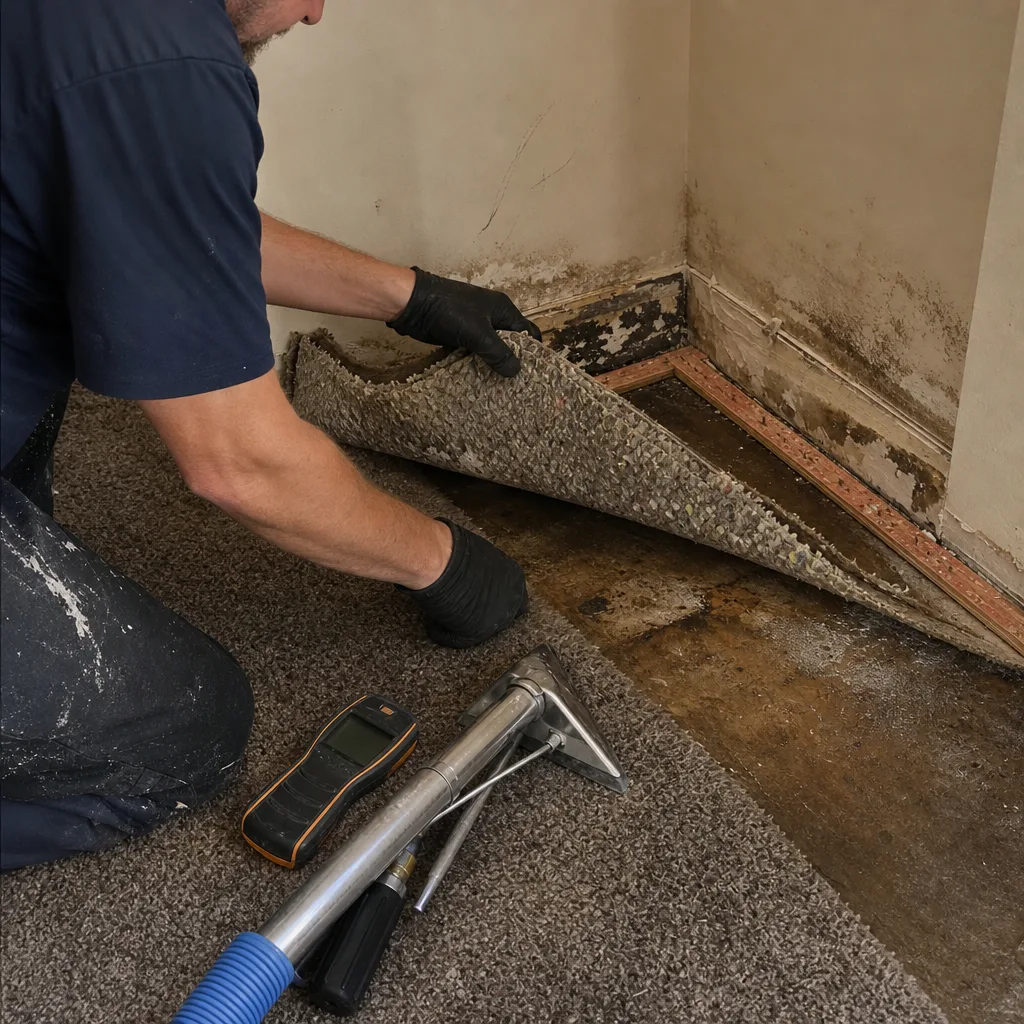
What happens when you call
- 1
A real person answersNo phone trees - you reach a local pro.
- 2
You get an upfront price rangeHonest numbers before anyone is dispatched.
- 3
A background-checked tech heads outLicensed & insured, dispatched right away.
- 4
You approve before work beginsNothing starts until you say go.
 Before
 After
AfterTrusted Brands We Service in Seattle
Our equipment inventory includes professional-grade drying systems from Dri-Eaz, Phoenix, and Injectidry - brands that produce the documented airflow, temperature, and humidity data insurers expect to see. We stock B-Air air movers and dehumidifiers for rapid deployment across Seattle neighborhoods, and our technicians are trained to IICRC water damage restoration standards. Every machine is logged by serial number on your job record, so there’s no question about what ran, where, and for how long. That level of documentation turns restoration invoices into payable claims.
Common Water Damage Restoration Problems We See in Seattle Homes
- Lateral groundwater migration in hillside neighborhoods. In Magnolia, Queen Anne, and Beacon Hill, impermeable clay soils direct upslope groundwater straight into foundation walls and crawl spaces. Restoration crews regularly trace mold and rot not to any roof leak or plumbing failure, but to water moving laterally from a neighbor’s yard. Out-of-area contractors consistently misdiagnose this as a plumbing problem.
- Surface-dry deception from marine climate cooling. Seattle’s constant drizzle keeps exterior wall surfaces cool, so touch-dry feels like actually dry. Penetrating moisture meters and thermal imaging reveal the truth: cavities stay wet for weeks without proper structural drying and dehumidification.
- Decades of accumulated envelope failure in early-century wood frames. Ballard and Capitol Hill homes built in the 1910s-1940s with original cedar siding and unencapsulated crawl spaces often show framing that’s been wet for years. Homeowners and some contractors mistake this chronic condition for a single recent event, so nobody scopes the actual envelope failures.
- Category escalation from delayed response. Clean water becomes gray water when it sits in contact with soil, organic debris, or deteriorating building materials. Seattle’s crawl spaces are full of all three. Fast extraction and proper classification documentation protects your health and your claim.
Pricing for Water Damage Restoration in Seattle, WA
Here’s what water damage restoration costs in Seattle’s market, based on jobs we’ve scoped and documented since 2011:
| Service | Typical Range in Seattle |
|---|---|
| Emergency water extraction (up to 1,500 sq ft) | $450 - $950 |
| Structural drying & dehumidification (3-5 day protocol) | $1,800 - $4,200 |
| Basement water removal with cavity drying | $2,200 - $5,500 |
| Crawl space extraction and drying | $1,600 - $3,800 |
| Full residential dry-out with documentation package | $2,800 - $6,500 |
| Category 3 (black water) with full containment | $4,500 - $9,000+ |
What moves the price: square footage affected, category of water, whether cavities and subfloors require Injectidry treatment, and whether antimicrobial application is indicated. Every job gets a written price before work begins - Haven Standard, Clause 1 - with no scope-creep additions once the crew is inside. We also provide a Free Second Opinion on any competitor’s written estimate. Call (425) 689-8468 for your exact scope and price.
We Also Serve Cities Near Seattle
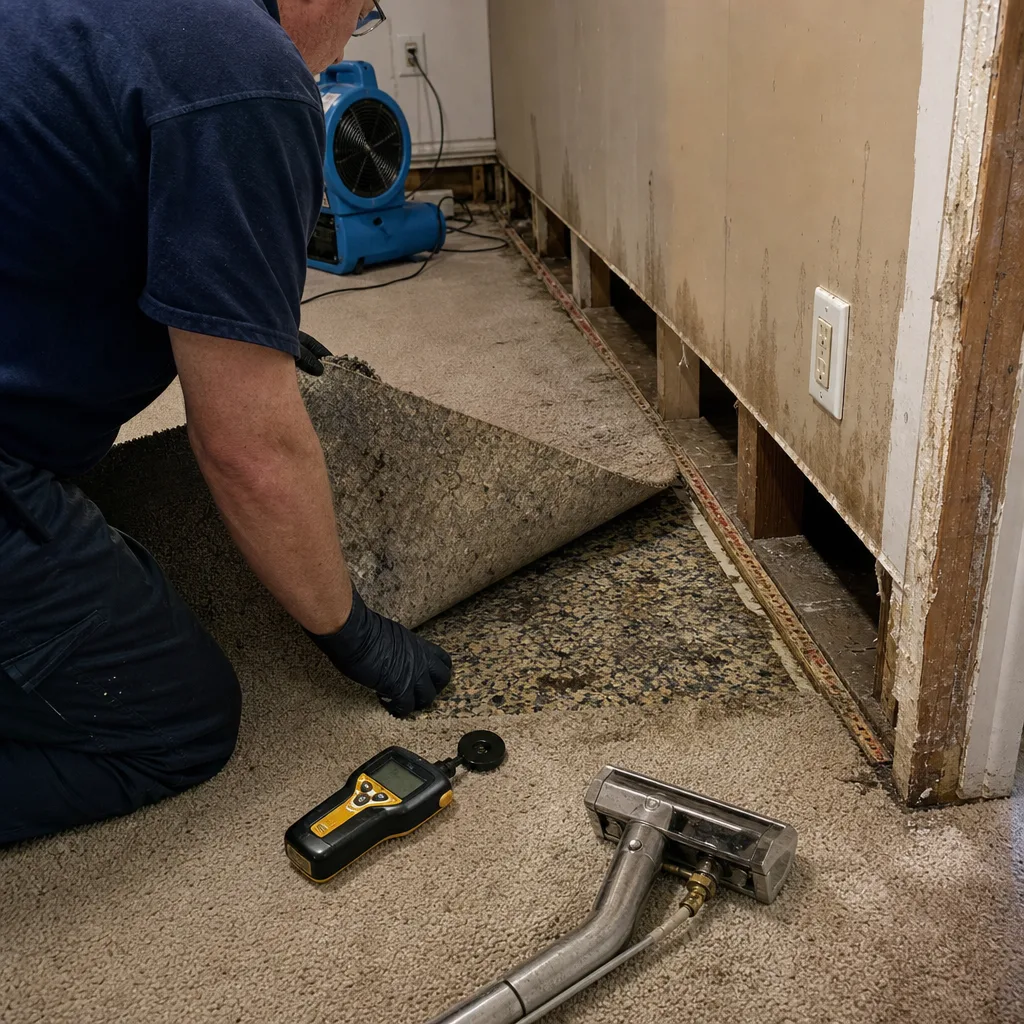
Our Water Damage Restoration team responds throughout the metro, including Seattle and neighboring communities: Bellevue, Mercer Island, Kirkland, and Bainbridge Island. Dispatch and scheduling are coordinated from our Seattle office, with crews positioned to reach both sides of Lake Washington and the Kitsap Peninsula.
Serving Seattle, WA - Our Local Coverage Area
We’re based in the Seattle area and know this community well. Use the map below to see our service coverage - if you’re nearby, we can almost certainly help.
FAQs - Water Damage Restoration in Seattle
Seattle’s glacial clay soils are nearly impermeable, so rainwater and upslope runoff move laterally through the soil rather than draining downward. In hillside neighborhoods like Magnolia and Beacon Hill, that groundwater pushes directly into foundation walls and crawl spaces. We got a call from a homeowner on a steep Magnolia street where our moisture mapping kept tracing elevated readings to the base of a foundation wall - no plumbing leak, no roof breach. The culprit was upslope groundwater from a neighbor’s yard pushing laterally through impermeable clay and straight into the unencapsulated crawl space, so we ran category 1 extraction, set air movers and dehumidification, treated the framing with antimicrobial, and logged the drying logs daily while the homeowner scheduled a French drain and regrade to fix the actual source. Call (425) 689-8468 if you’re seeing recurring moisture with no obvious source.
Mold can establish visible colonies on wet drywall within 48 to 72 hours under typical indoor conditions, but Seattle’s marine climate accelerates this timeline because ambient humidity often stays above 60% even without active water intrusion. That means wet materials never get a natural drying window. We treat antimicrobial application as standard on any job where moisture has been present more than 24 hours, and we document the treatment with photos. If you’re within that window, emergency extraction and rapid structural drying can prevent colonization entirely. Call (425) 689-8468 for immediate dispatch.
Category 1 is clean water from a supply line or overflow - safe to extract without full PPE, though it can degrade to category 2 within 24-48 hours. Category 2, or gray water, contains chemical or biological contaminants from sources like washing machines or sump pump failures. Category 3, black water, carries pathogenic agents from sewage, seawater, or ground surface flooding. In Seattle, we see a lot of category 1 water that becomes category 2 or 3 because it sat in unencapsulated crawl spaces contacting soil and decaying wood. We photograph the starting condition and document meter readings to establish category at time of arrival - your insurer will ask. Call (425) 689-8468 and we’ll classify what you’re dealing with.
Seattle’s marine climate delivers moisture stress every single month, keeping building envelopes in a near-constant wet cycle. The city’s steep terrain and glacial clay subsoils compound this by routing groundwater laterally into foundation walls and crawl spaces long after rain events end. Even during a three-day “dry spell,” soil moisture remains elevated and vapor pressure differentials drive moisture into cooler crawl space air. Proper structural drying requires dehumidification that runs until psychrometric data - temperature, relative humidity, and specific humidity - confirms the space is dry, not just less wet. We log that data daily and deliver the drying log with your job file. Call (425) 689-8468 if your crawl space never seems to dry out.
Yes, and the distinction matters for both your health and your claim. Plumbing leaks typically show concentrated moisture patterns near supply or drain lines, with relatively dry surrounding materials. Long-term envelope failure in Seattle’s early-century wood frames - particularly Craftsman bungalows and Seattle boxes in Ballard, Capitol Hill, Fremont, and Columbia City - produces diffuse moisture staining, multiple elevation readings across wall cavities, and often fungal growth in patterns that follow air leakage paths rather than plumbing routes. Our thermal imaging and penetrating moisture meters map the difference, and we document it with photos so you know whether you’re fixing a pipe or rebuilding a wall system. Call (425) 689-8468 for an assessment with a written scope.
Written by Alicia Brennan, Owner at Back to Dry Restoration, serving Seattle since 2011.