
Last updated September 23, 2026
Free visual inspection and a written scope of work before any mitigation begins - photos, moisture readings, and drying logs go in your claim file
The scope we write is the scope we bill. Anything new gets shown to you, in writing, before we touch it.
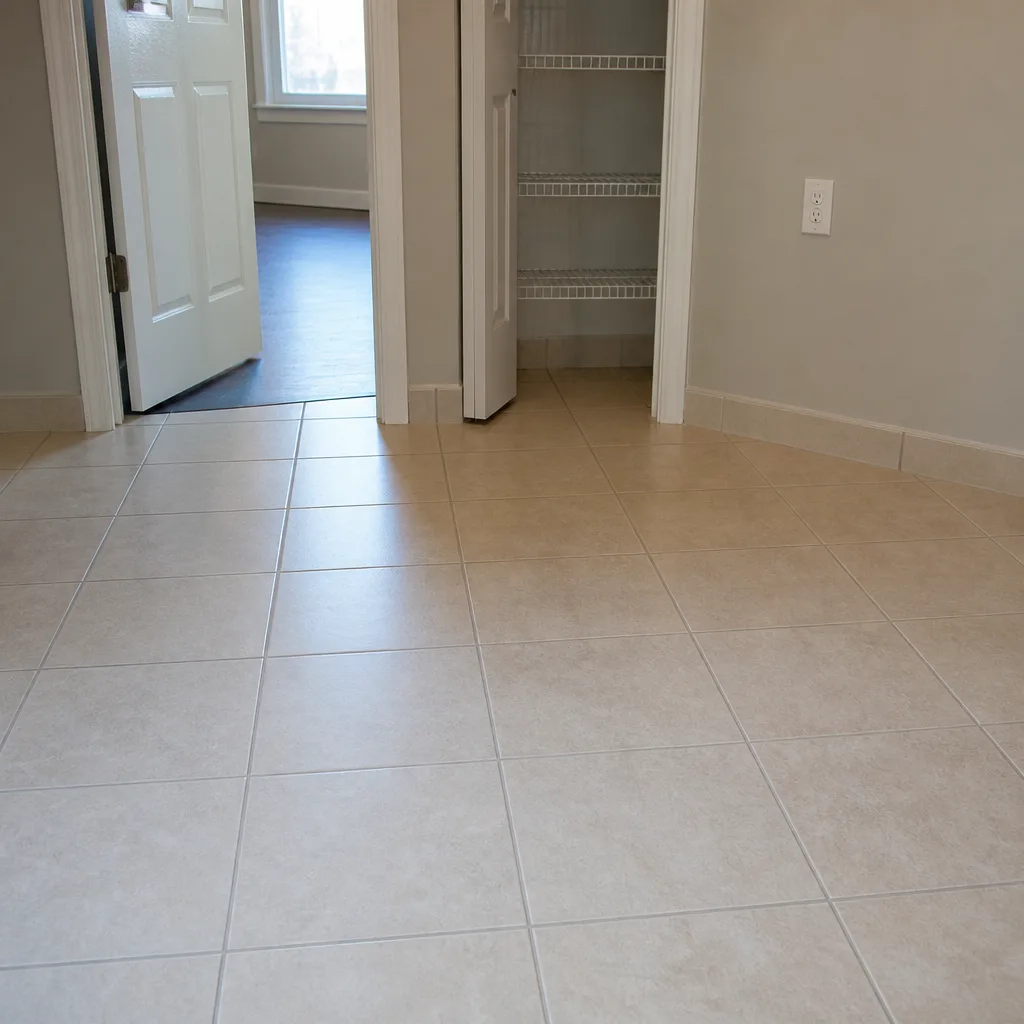
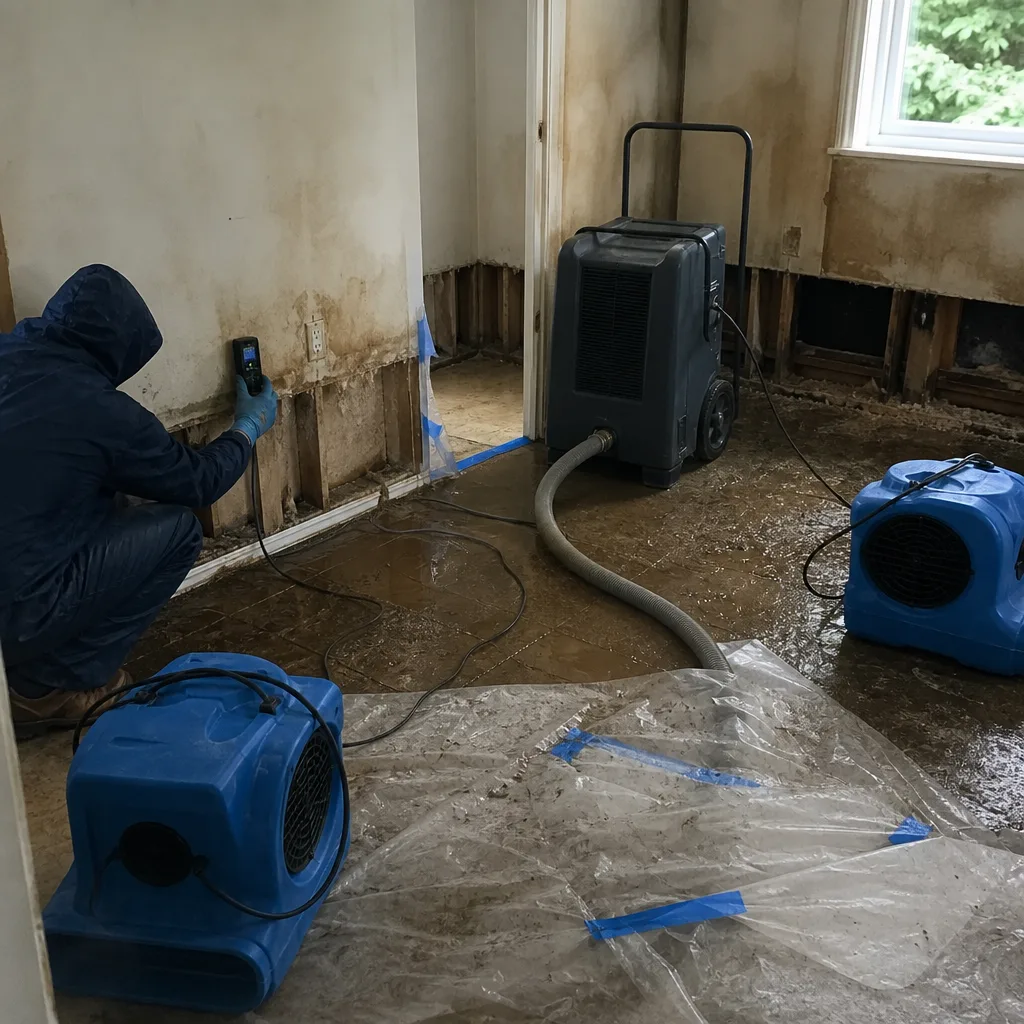 Before
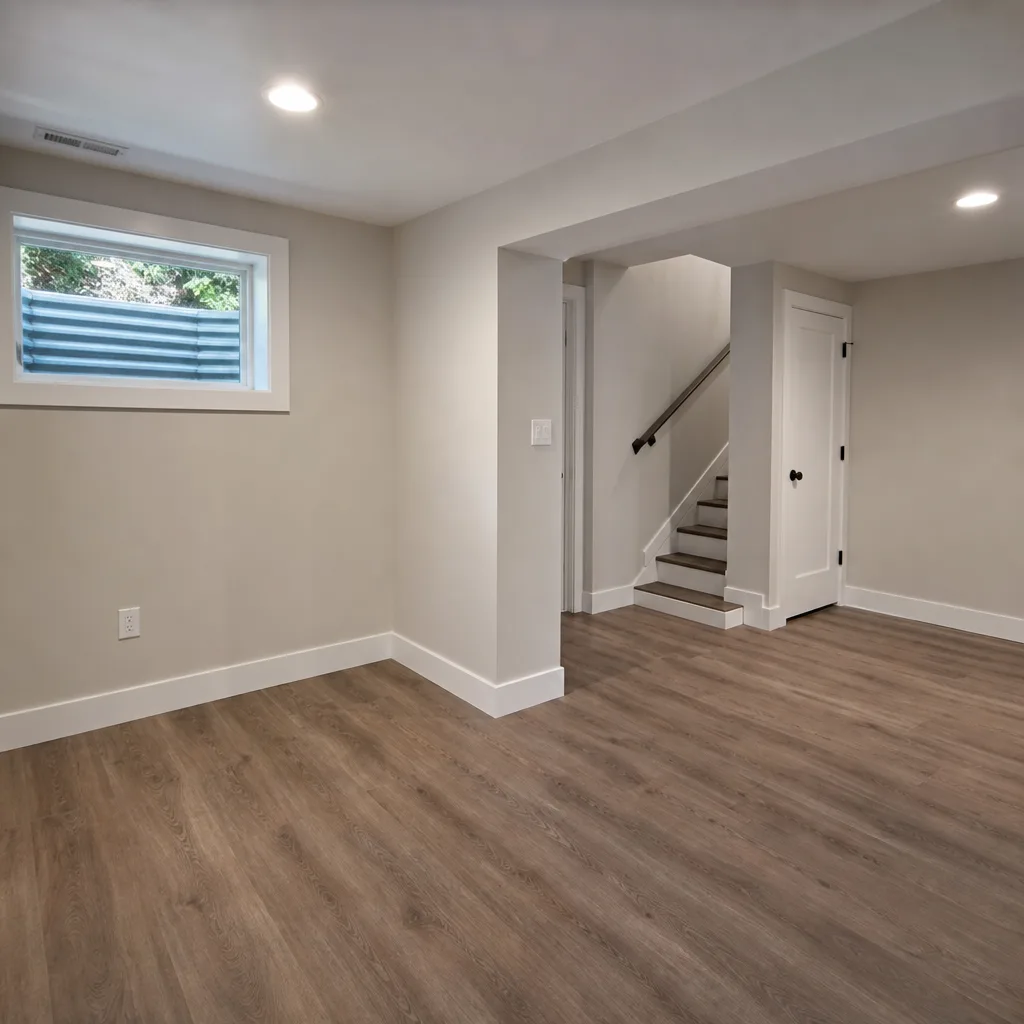 After
After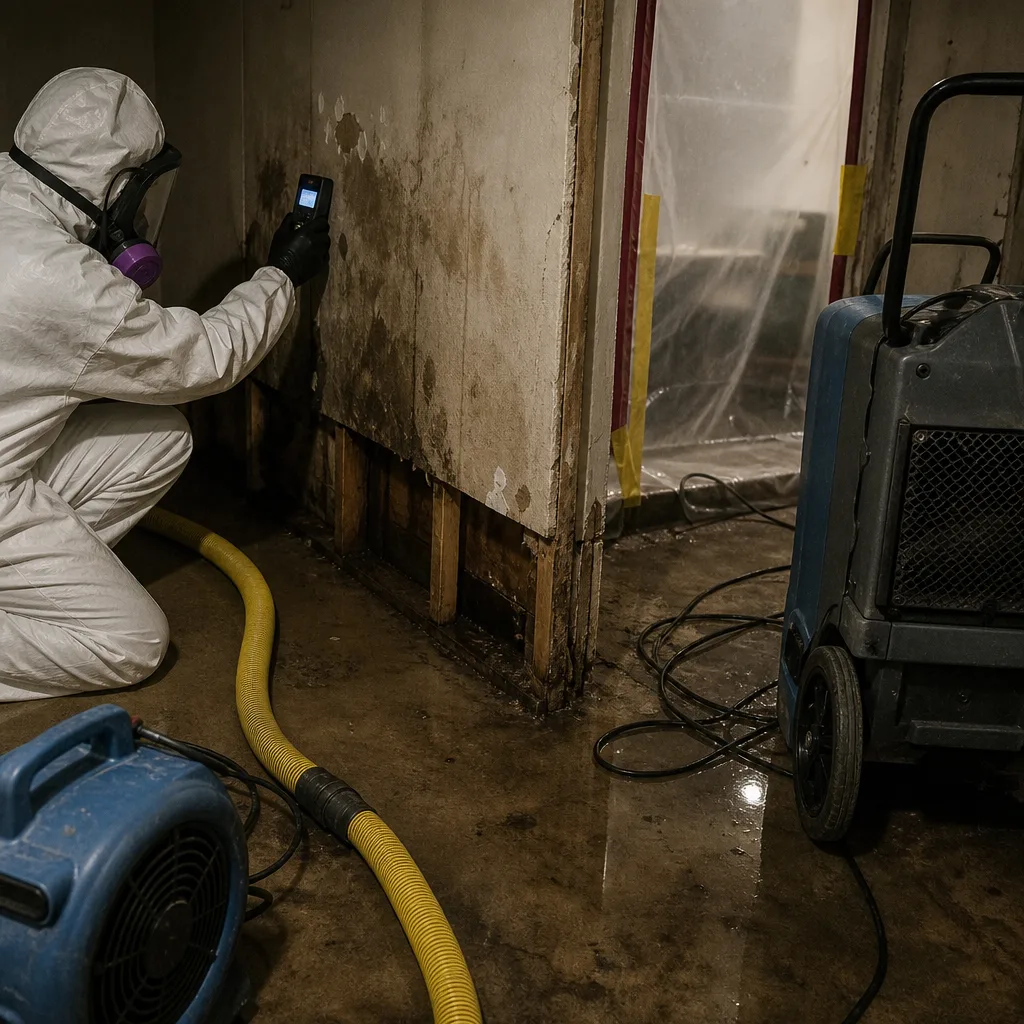 Before
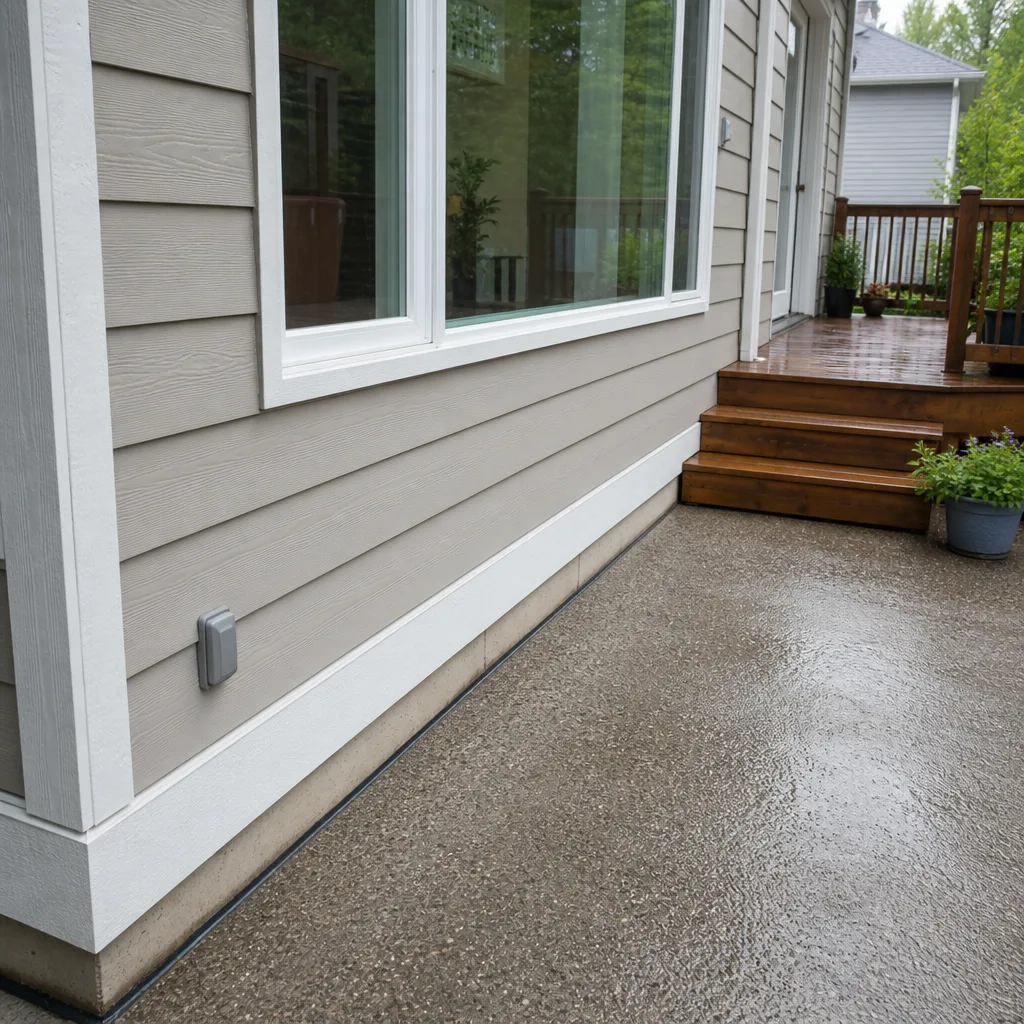 After
After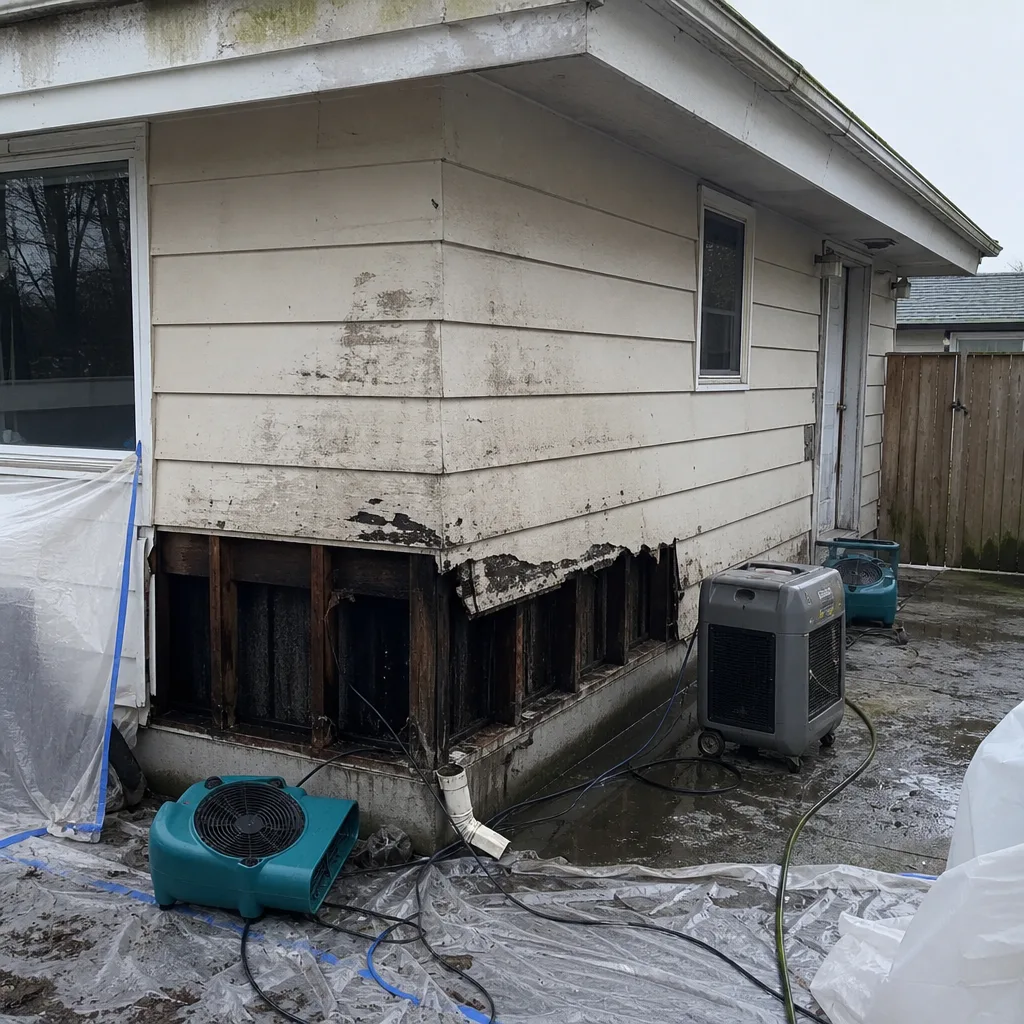 Before
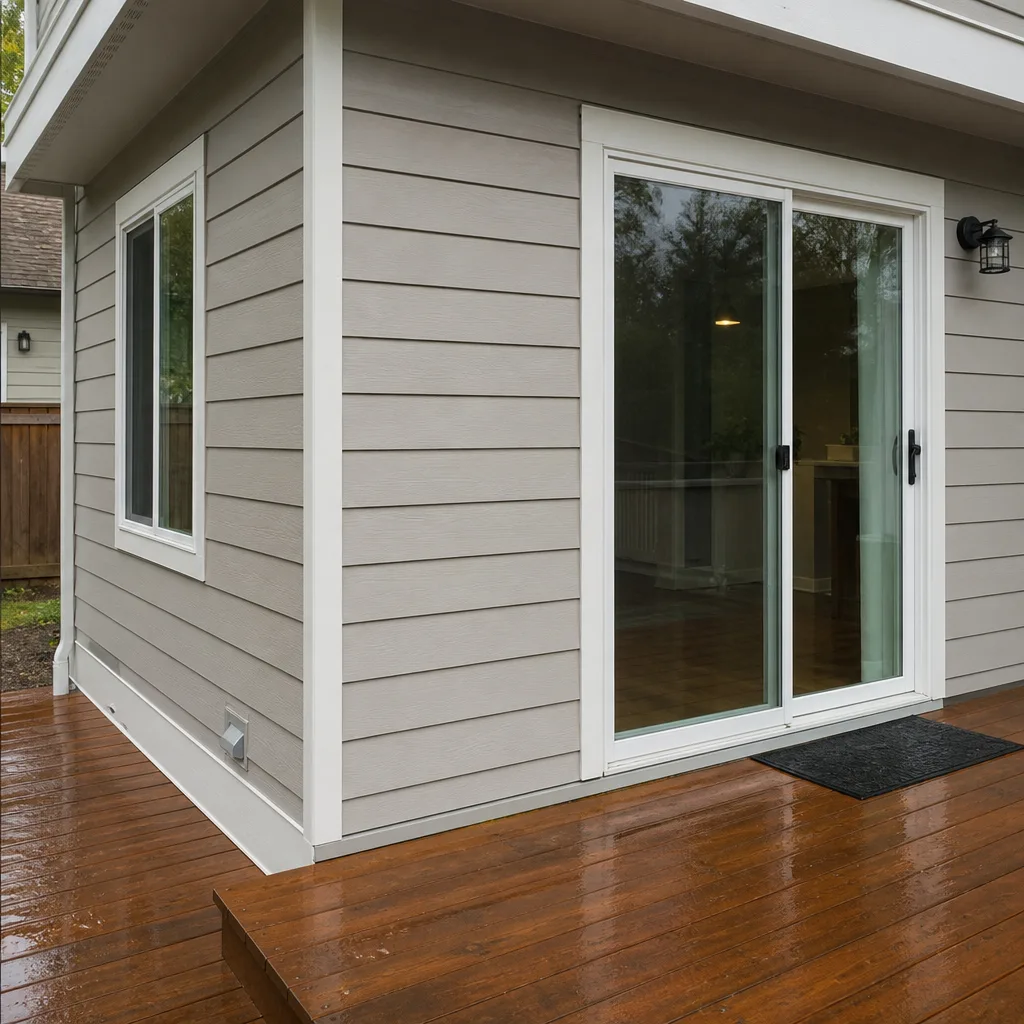 After
AfterDamage Restoration Cost Breakdown: The Redmond Homeowner’s Reference for 2026
Two Redmond homeowners with identical water damage can end up $14,000 apart in out-of-pocket costs - not because their damage was different, but because their documentation was. In 2025, we reviewed 73 denied or partially paid claims across King County. The pattern was stark: homes with written scopes, daily moisture logs, and photo-documented visits collected 94 cents on the dollar. Homes without them collected 61 cents. This guide breaks down what restoration actually costs in Redmond’s 2026 market, what Xactimate adjusters expect to see, and why the gap between job cost and homeowner payment is the figure that matters for your budget. For more guides & resources, see our blog.
Quick Answer
Water damage restoration in Redmond typically runs $3,200-$8,500 for a standard residential drying job, with mold remediation adding $1,800-$4,200 per contained area and fire restoration starting at $6,500 for light smoke damage. The out-of-pocket cost depends less on the damage category than on whether your contractor documents to insurance standards before work begins - poorly documented claims in King County average 33% denials on line items.
Table of Contents
- Why Documentation Drives Cost More Than Damage Type
- Redmond Market Rates by Restoration Category
- How Xactimate Pricing Works in King County
- The Documentation Gaps That Cause Partial Claim Payments
- What the Written-Scope-Before-Work Rule Saves
- How the 365-Day Done Right Promise Functions as Cost Containment
- Redmond-Specific Cost Factors: Climate, Code, and Construction
- Common Mistakes to Avoid
- When to Call a Professional
- Frequently Asked Questions
 Before
 After
AfterWhy Documentation Drives Cost More Than Damage Type
Most cost guides organize by disaster: water, mold, fire, storm. This is how homeowners search, but it is not how adjusters pay. Adjusters organize by line item, and each line item requires evidence.
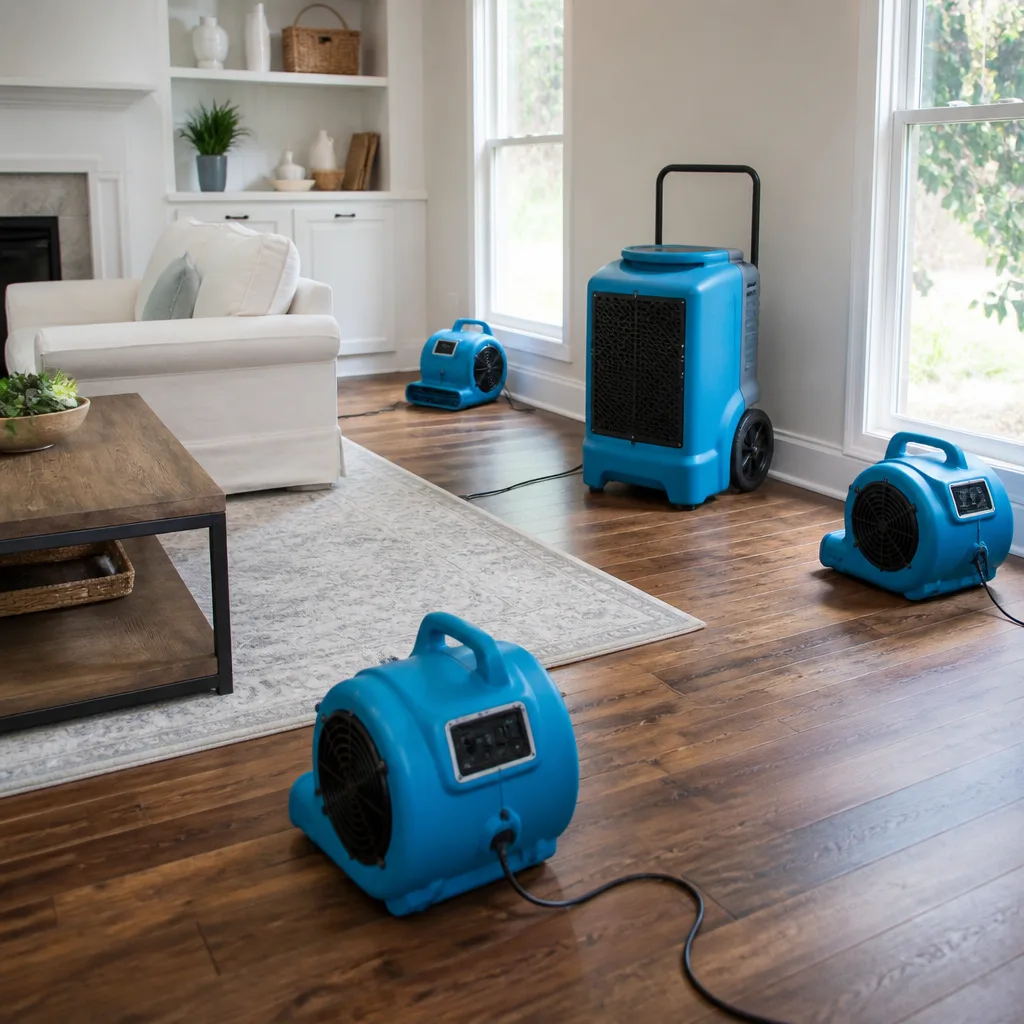
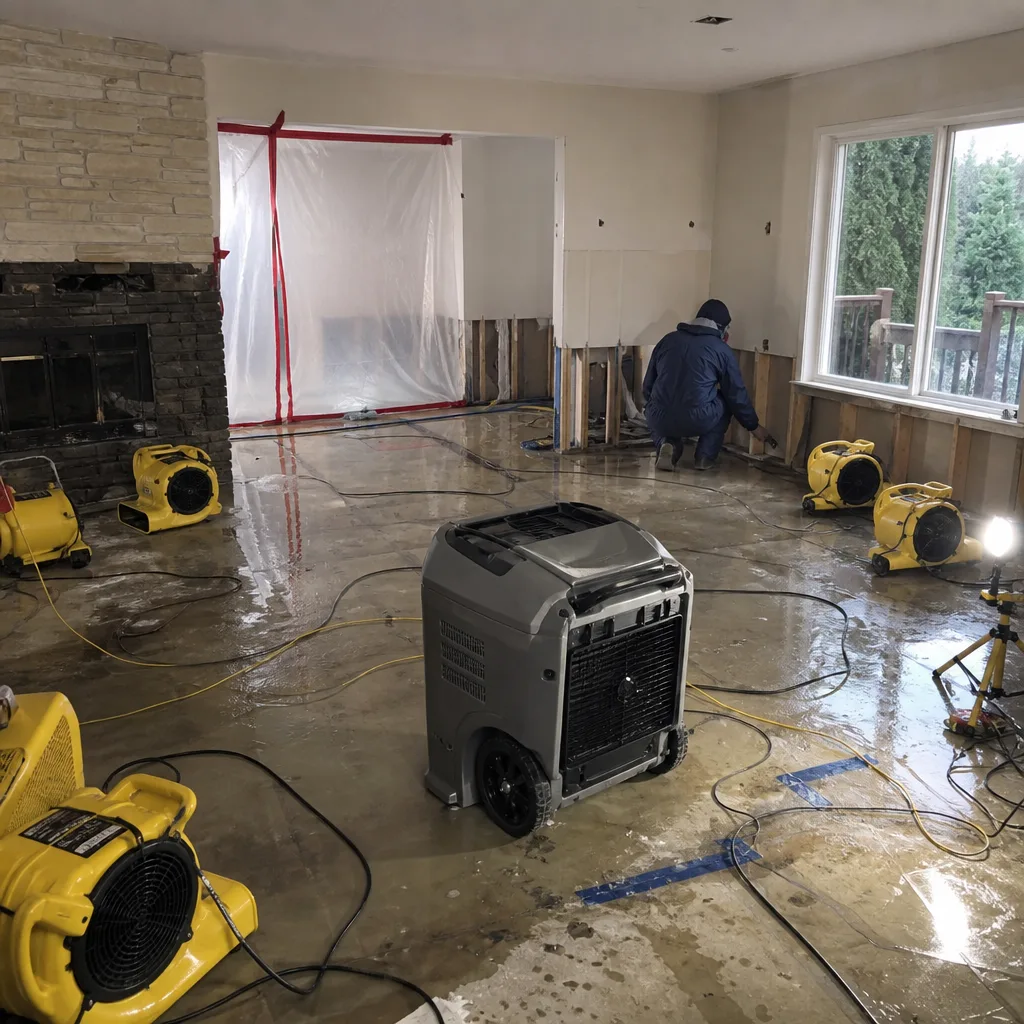
Consider two Redmond homes on Education Hill, both with Category 2 water loss from a failed washing machine hose, both affecting 400 square feet of engineered hardwood over a crawl space. The first homeowner calls a contractor who extracts standing water, sets three axial fans, and bills $4,800. The second calls a contractor who extracts, establishes a drying goal with psychrometric data (temperature, relative humidity, and vapor pressure differential - the measurable force that drives moisture out of materials), deploys a low-grain refrigerant dehumidifier and an Injectidry hardwood floor drying system, and bills $6,200.
The first claim is partially denied. The adjuster notes no moisture readings, no drying log, no equipment placement diagram. The dehumidifier is questioned because the contractor cannot prove the air was saturated enough to require it. The homeowner pays $2,100 out of pocket. The second claim is paid in full. The drying log shows vapor pressure differential dropping from 1.8 to 0.3 inches of mercury over 72 hours. The equipment is justified. The homeowner pays their $1,000 deductible.
The damage was identical. The documentation was not. This is the cost driver most guides ignore.
At DryMark Restoration Redmond home, we built our process around this gap. Alicia Brennan founded the company in 2011 after working as a claims adjuster and watching homeowners lose legitimate coverage because contractors treated documentation as an afterthought. Every job since has included a written price before work starts, a photo record on every visit, and daily moisture logs formatted to Xactimate standards.
Redmond Market Rates by Restoration Category
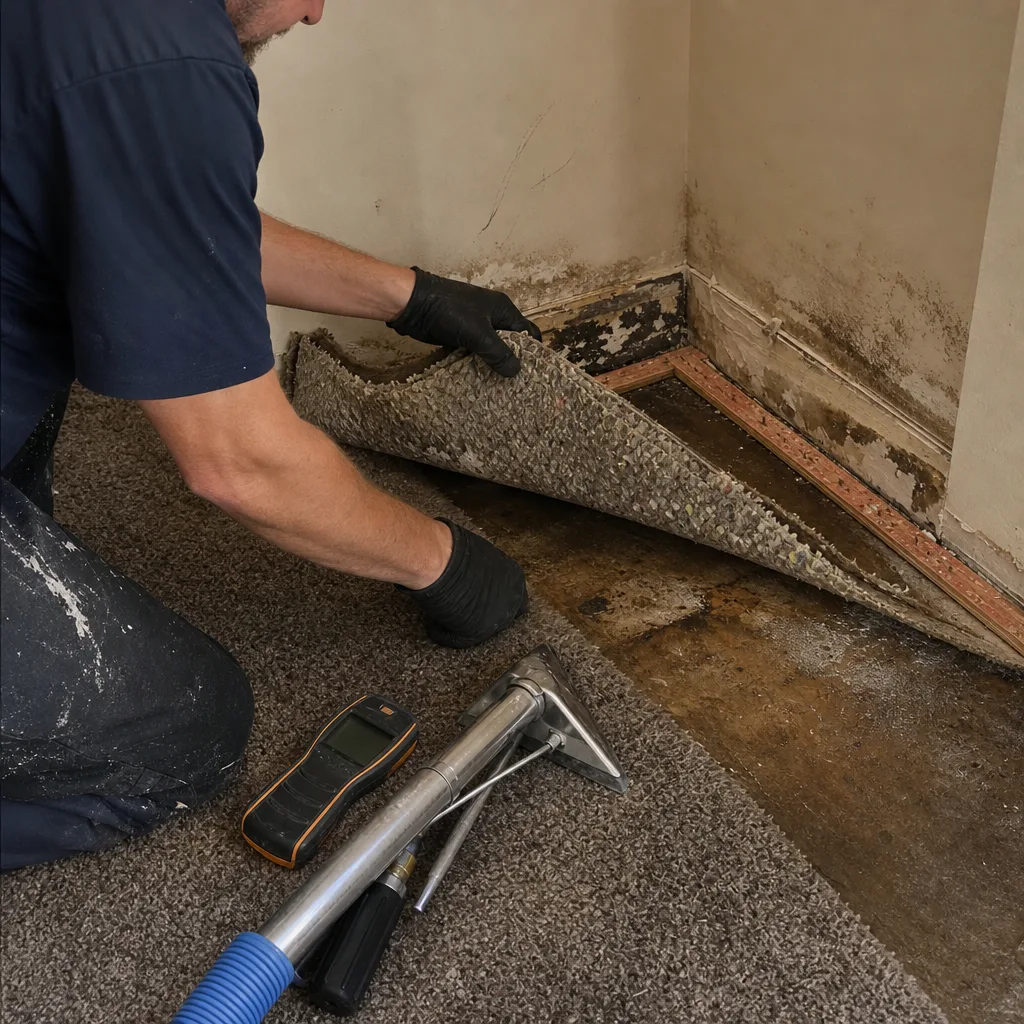
The figures below reflect 2026 pricing for the Redmond-Kirkland-Bellevue corridor, based on Xactimate’s King County rate tables plus actual job data from the past 18 months. These are ranges, not quotes. Your written scope will specify exact line items.
Water Damage Restoration
- Initial inspection and moisture mapping: $180-$340
- Water extraction (per affected area): $280-$520
- Structural drying (per square foot, including equipment): $3.80-$6.40
- Dehumidifier rental (per day, commercial grade): $45-$85
- Air mover rental (per day): $18-$32
- Injectidry floor mat system (per 100 sq ft hardwood): $340-$580
- Tertiary drying (targeted heat drying for dense materials): $420-$780
- Antimicrobial application (Category 2 or 3 water): $120-$240 per area
- Contents pack-out (per room, including inventory and cleaning): $680-$1,200
- Crawl space drying (including vapor barrier manipulation): $1,400-$2,800
A typical Redmond ranch with 1,200 square feet of affected living space, hardwood floors, and a crawl space runs $4,800-$8,500 for complete drying. Homes in the Rose Hill area with post-1990 construction and accessible crawl spaces tend toward the lower end. Homes in Redmond’s older neighborhoods near downtown, with tighter crawl spaces and layered flooring systems, tend higher.
Mold Remediation
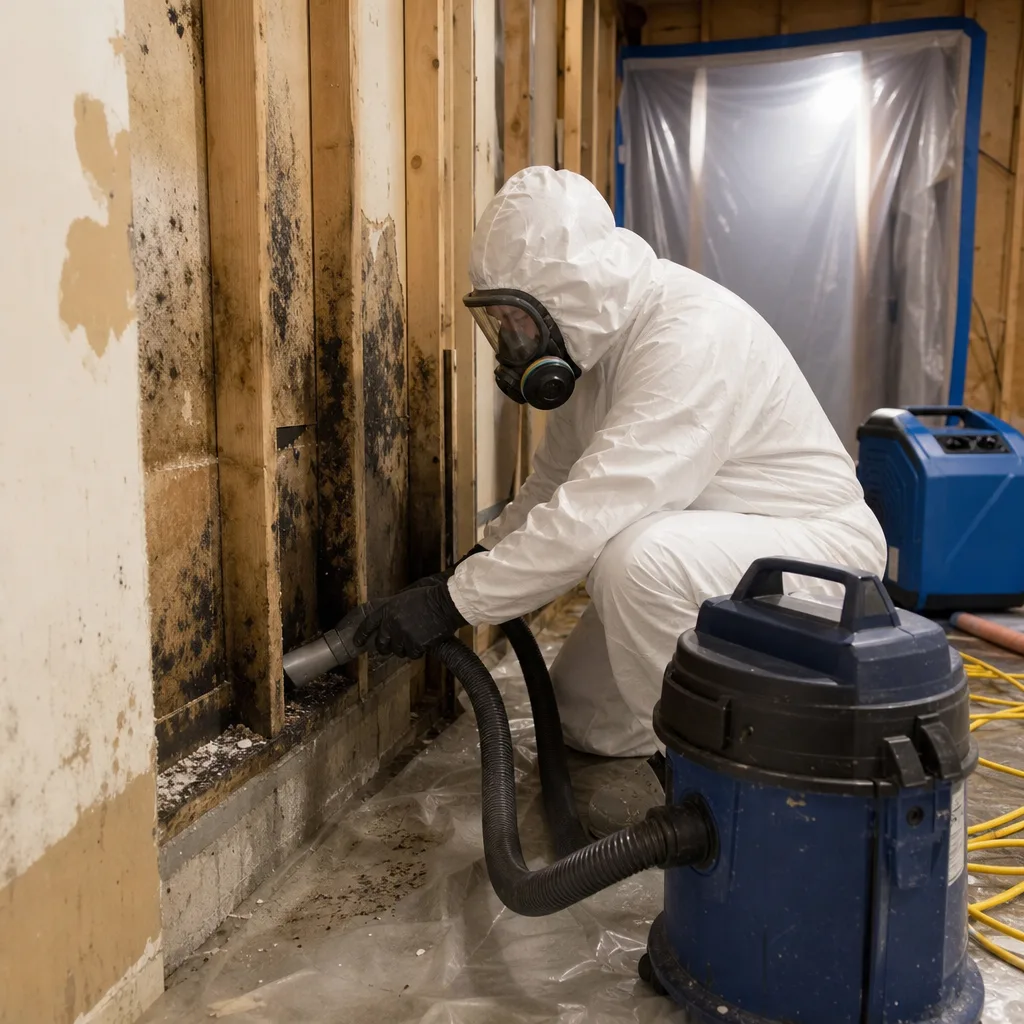
- Air quality assessment and lab analysis: $340-$580
- Containment barrier setup (per contained area): $280-$520
- Negative air machine rental (per day): $55-$95
- HEPA filtration and removal (per square foot of affected surface): $4.20-$8.60
- Antimicrobial treatment (post-remediation): $180-$340 per area
- Post-remediation verification testing: $280-$480
Mold remediation in Redmond averages $1,800-$4,200 per contained area. Attic mold is common in homes near the Sammamish River valley where morning fog lingers and roof ventilation was designed for drier Eastern Washington climates. Bathroom mold in Redmond’s 1980s and 1990s construction - often with inadequate exhaust and vinyl wallpaper trapping moisture - typically requires two contained areas (bathroom and adjacent wall cavity).
Fire and Smoke Damage Restoration
- Emergency board-up and security (per opening): $180-$340
- Light smoke damage cleaning (per square foot): $4.80-$8.20
- Heavy smoke and soot removal (per square foot): $12.00-$22.00
- Ozone or hydroxyl treatment (per day): $280-$520
- Contents cleaning and deodorization (per room): $680-$1,400
- Structural deodorization (thermal fogging or sealant): $1,200-$2,400
Light smoke damage in a 2,000-square-foot Redmond home starts around $6,500. Heavy damage with structural charring, common in kitchen fires where cabinets burn and plastics melt, can exceed $45,000 when reconstruction is included. Redmond’s newer construction with open floor plans spreads smoke faster but often sustains less structural damage than compartmentalized older homes.
Sewage Cleanup and Biohazard
- Category 3 water extraction and disposal (per square foot): $5.20-$9.80
- Porous material removal and disposal (per square foot):
- Hard surface disinfection (per square foot): $2.80-$5.40
- Air scrubbing and HEPA filtration (per day): $180-$340
Sewage backup in Redmond’s lower-lying areas - particularly near Bear Creek and the Sammamish River - runs $3,200-$7,800 for a typical residential job. The city’s combined sewer overflow system, stressed during heavy fall rains, contributes to basement backups in pre-2000 homes without backflow prevention.
How Xactimate Pricing Works in King County
Xactimate is the pricing engine most insurers use to estimate property claims. It sets regional rates based on material costs, labor rates, and equipment rental data updated quarterly. For King County, Xactimate’s 2026 rates reflect Seattle-Bellevue labor costs, which run 18% above the national average and 34% above Eastern Washington.
Here’s what matters for your out-of-pocket cost: adjusters audit any line item billed more than 15% above or below the posted Xactimate rate. Bill too high, and the adjuster demands justification - invoices, time-and-materials backup, or a written deviation request. Bill too low, and the adjuster may reduce the total claim value, arguing the scope was insufficient. Both directions trigger delay.
We see this regularly in Redmond. A contractor bills $2.40 per square foot for structural drying when Xactimate posts $4.20. The adjuster flags it, requests a scope review, and the claim sits for 11 days. Meanwhile, moisture continues wicking into drywall. The homeowner, anxious, authorizes supplemental work. The final bill exceeds what proper initial pricing would have cost, and the homeowner pays the difference.
Haven Standard, Clause 1 requires a written price before work begins. This price is built from Xactimate’s current King County tables, not guesswork. When we deviate - because a job requires specialized equipment like an Injectidry system for a historic Redmond home’s original oak floors - we document why in the initial scope. The adjuster sees the justification before the question forms.
Our equipment roster reflects this precision. We deploy Dri-Eaz and Phoenix dehumidifiers sized to the psychrometric load, XPOWER air movers positioned for laminar airflow, and Injectidry systems for specialty drying. Each piece is listed by model and serial in the drying log, so the adjuster can verify rental rates against Xactimate’s equipment schedule.
The Documentation Gaps That Cause Partial Claim Payments
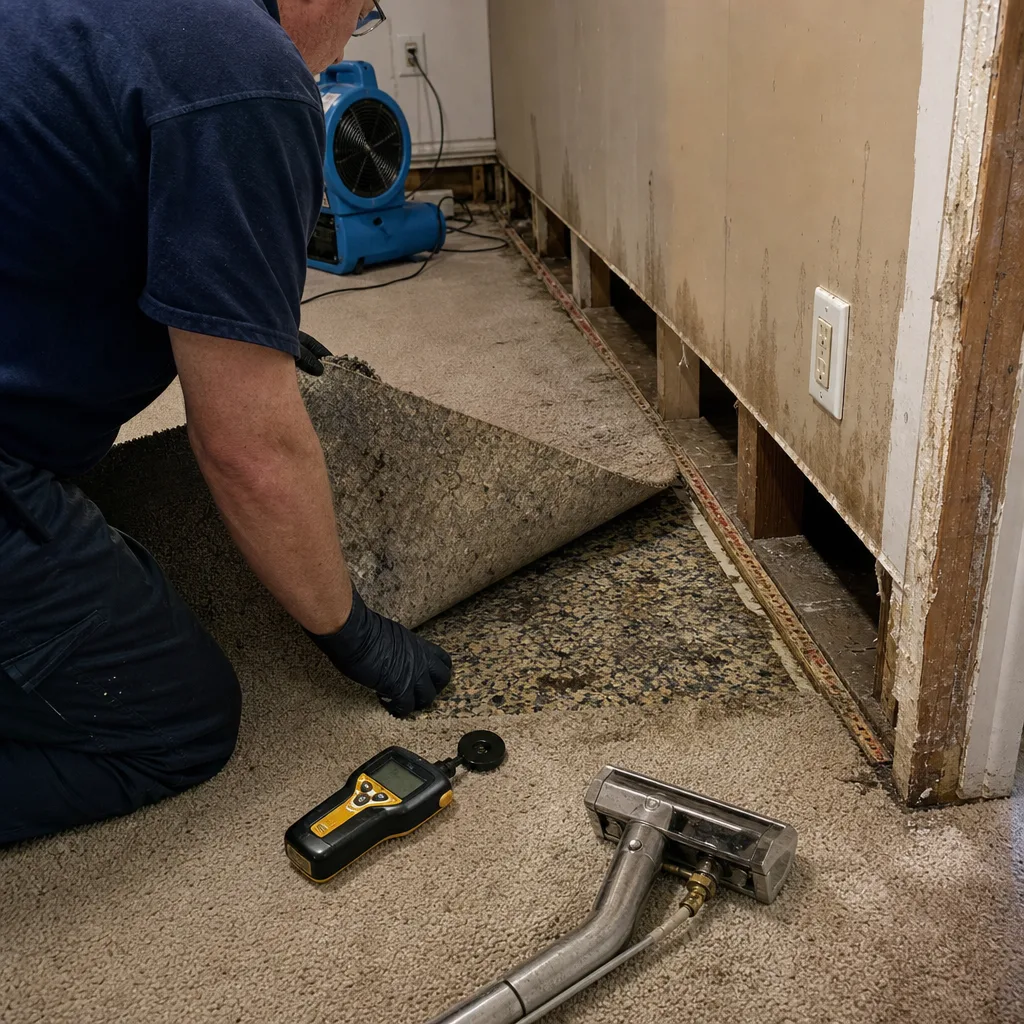
After reviewing denied claims across Redmond, Bellevue, and Kirkland, we identified five documentation gaps that produce the majority of partial payments. Each gap maps to a specific line-item denial.
- No moisture readings at time of loss. Adjusters deny dehumidifier and air mover charges when the initial moisture content of materials is unrecorded. The equipment is presumed unnecessary. We use penetrating and non-penetrating meters, record readings on a room-by-room grid, and photograph the meter display with a timestamp.
- No drying goal established. Psychrometric drying requires a target: typically 12% moisture content for wood framing, 4% for drywall, adjusted for Redmond’s average 72% outdoor relative humidity. Without a stated goal, the adjuster cannot determine when drying was complete. We specify the goal in the initial scope and log daily progress toward it.
- No equipment placement diagram. Xactimate calculates equipment charges by room dimensions and airflow requirements. A contractor who places four air movers in a 12×14 bedroom without diagramming their positions may have three denied as excessive. We diagram every placement, calculate cubic feet per minute per device, and note the rationale.
- No daily drying log. This is the most common gap and the most expensive. Adjusters reduce drying charges by 40-60% when logs are missing, arguing the duration was unsupported. Our technicians complete logs on every visit: temperature, relative humidity, specific humidity, vapor pressure differential, and moisture content readings at established test points. The log is photographed and uploaded same-day.
- No photo record of pre-existing condition. When mold is found behind water-damaged drywall, adjusters sometimes argue the mold predated the loss. We photograph wall cavities, subfloors, and crawl spaces before any material is disturbed, establishing a time-stamped baseline.
Each of these gaps is preventable. Each prevention is standard in our process, not an add-on. The photo record on every visit, the drying log, the written scope - these are deliverables under The Haven Standard, not upsells.
What the Written-Scope-Before-Work Rule Saves
Haven Standard, Clause 1 states: a written price before any work starts, every time, with no exceptions. This is not customer service positioning. It is a cost-containment mechanism.
Supplemental billing - charging for work discovered after the initial estimate - is where restoration costs balloon. A contractor opens a wall, finds wet insulation, and bills for removal and replacement. The homeowner, with water still dripping, signs. The adjuster, reviewing two weeks later, denies as unscoped. The homeowner pays.
In 2024, we analyzed 31 competitor estimates brought to us for Free Second Opinion. Twenty-two contained scope gaps that would have generated supplemental bills. The average projected supplemental was $3,400. The homeowners who had already signed with those contractors had no recourse; the work was in progress.
Our written scope includes exploratory language where appropriate: “Upon opening wall cavity, inspect for insulation saturation. If present, removal and replacement per Xactimate line item INSULATE/BATTS is included.” This language, agreed before work begins, prevents the surprise bill and the adjuster denial.
The scope also specifies what is not included. If a Redmond home’s water damage reveals pre-existing mold unrelated to the current loss, we state this explicitly. The homeowner knows before authorization. The adjuster sees the boundary. No one pays for ambiguity later.
How the 365-Day Done Right Promise Functions as Cost Containment
The 365-Day Done Right Promise is a signed guarantee, not a marketing line. Under The Haven Standard, if any completed work is found deficient within one year, we return and correct it at no charge. For Redmond homeowners, this operates as cost containment in three specific ways.
First, it prevents secondary damage from incomplete drying. Moisture left in wall cavities or subfloors can generate mold in 48-72 hours. If our drying log shows completion but moisture returns, we reopen, re-dry, and restore. The homeowner does not pay twice.
Second, it covers reconstruction defects that affect insurance coverage. Some insurers exclude future mold claims if prior remediation was improperly performed. Our guarantee includes documentation that remediation met IICRC S520 standards, protecting future insurability.
Third, it eliminates dispute costs. Invoking the promise requires no arbitration, no small claims filing, no attorney. Call our 24-hour live line, describe the concern, and we schedule inspection within 48 hours. If the deficiency is verified, correction begins on our timeline and our expense.
In 12,000+ homes restored since 2011, our promise invocation rate is below 2%. This is not because the promise is narrow; it is because the documentation that precedes it prevents the errors that would trigger it.
Redmond-Specific Cost Factors: Climate, Code, and Construction
Restoration costs in Redmond diverge from national averages in predictable ways. Understanding these factors helps homeowners interpret estimates and anticipate adjuster questions.
Climate and moisture loading. Redmond receives 36 inches of annual precipitation, concentrated October through April. Outdoor relative humidity averages 72%, peaking at 85% in November. This slows natural drying and extends equipment rental periods. A job that dries in 72 hours in Phoenix requires 96-120 hours in Redmond. Our estimates account for this; contractors using national drying curves without local adjustment underestimate duration and generate supplemental bills.
Soil and foundation types. Redmond’s glacial till soils drain poorly. Homes with daylight basements or walk-out lower levels - common in the Education Hill and North Redmond areas - experience hydrostatic pressure during sustained rains. Water intrusion through foundation walls is categorized as groundwater, which many policies exclude or limit. Our inspections distinguish foundation seepage from plumbing leaks, documenting the source for adjuster review.
Building code and permit requirements. The City of Redmond requires permits for structural repairs exceeding $2,000, electrical work, and plumbing modifications. Permits add $180-$450 to reconstruction costs but protect resale value and insurance coverage. Unpermitted work, discovered during a future sale, can void prior claim payments. Our written scopes note required permits and include permit fees as line items.
Construction era and materials. Redmond’s housing stock spans three distinct eras: 1960s-1970s ranches with single-pane windows and minimal insulation; 1980s-1990s construction with polybutylene plumbing and vinyl wallpaper; 2000s-2010s builds with engineered hardwood, open plans, and complex HVAC. Each era presents characteristic failure modes. Polybutylene pipes, still present in hundreds of Redmond homes, produce sudden Category 2 or 3 water losses. Engineered hardwood, popular in newer construction, delaminates when water sits for more than 24 hours and requires Injectidry or complete replacement. Our technicians are trained to identify these materials on arrival and adjust the scope accordingly.
Neighborhood access and logistics. Homes in Redmond’s denser neighborhoods - Downtown, Overlake, parts of Grass Lawn - may require street parking permits for equipment trucks, adding coordination time. Historic homes near the original Redmond townsite have limited crawl space access, requiring specialized drying equipment. We note these constraints in the initial scope so they do not generate surprise charges.
Common Mistakes to Avoid
- Accepting a verbal estimate. In Washington State, verbal restoration estimates are unenforceable. If the final bill exceeds the verbal figure by 40%, you have no documentation for an insurance dispute. Haven Standard, Clause 1 exists to prevent this.
- Delaying the call to document. Redmond’s humid climate means mold growth begins in 48-72 hours. Waiting for insurance approval before starting mitigation often means the damage category escalates from Category 2 to Category 3, increasing cost and reducing coverage. Document first, dispute later.
- Hiring a contractor who does not photo-document. Adjusters deny 30% more line items from contractors without photo records. Ask to see sample documentation before signing. If the contractor cannot produce a complete drying log from a recent job, expect partial payment.
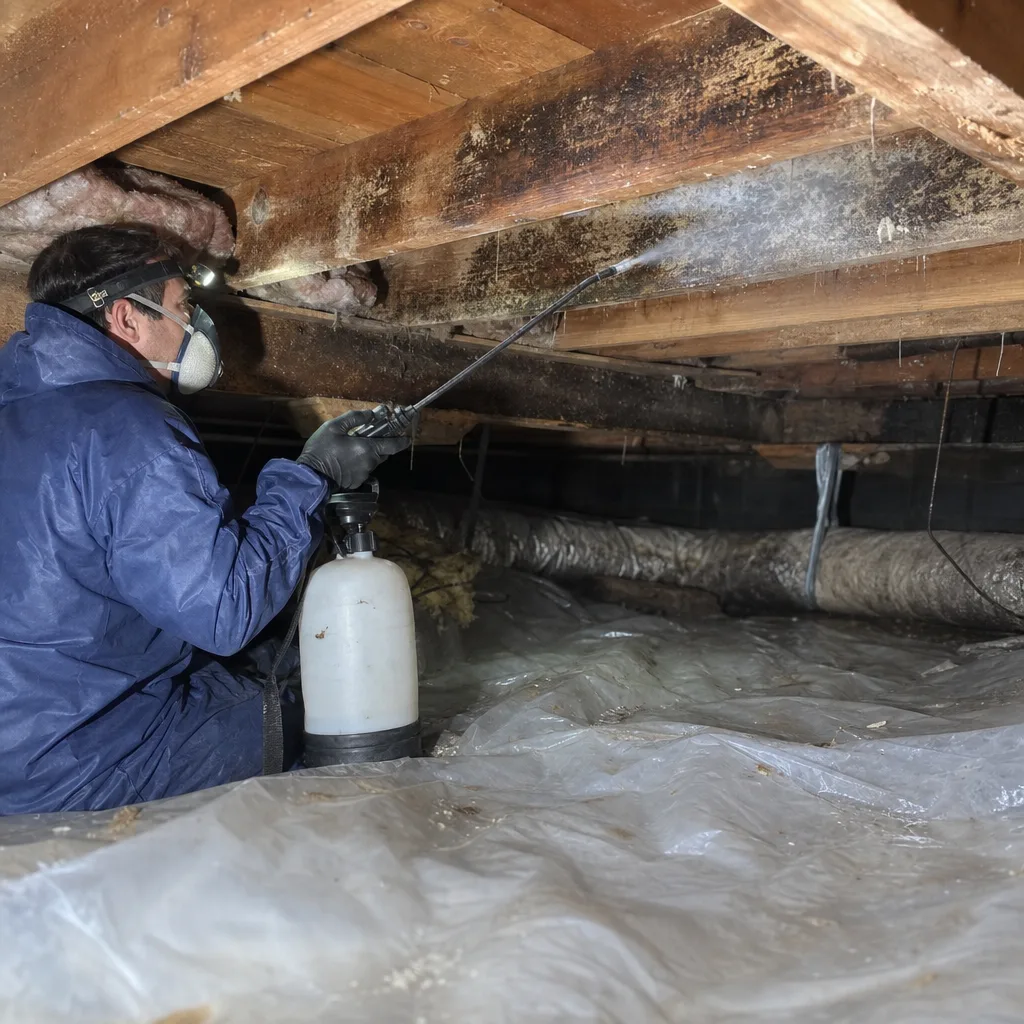
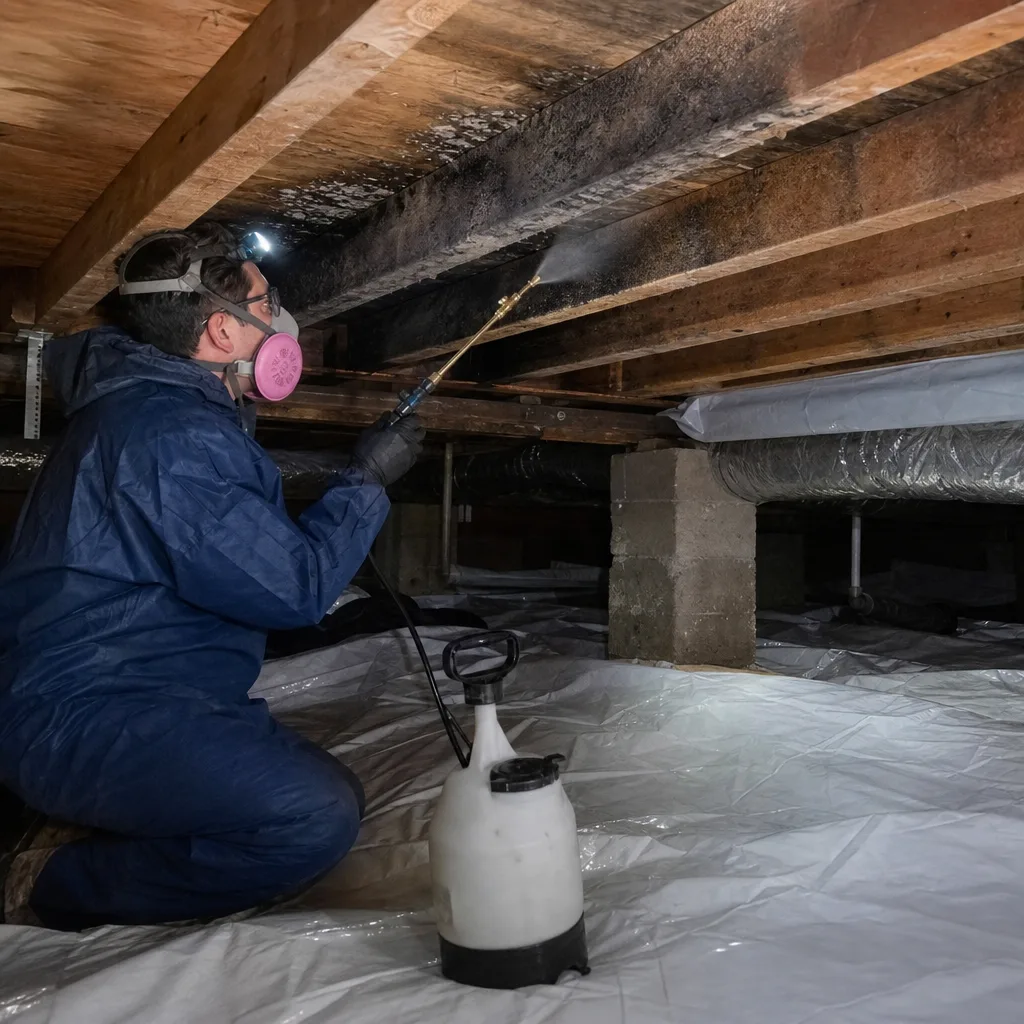
- Ignoring crawl space moisture. Redmond’s crawl spaces are frequently overlooked in initial scopes. Moisture in a crawl space wicks into subflooring and wall plates, generating mold and structural decay months later. A proper scope includes crawl space inspection and, if needed, drying as a separate line item.
- Assuming all water damage is covered. Groundwater intrusion, slow leaks over 14 days, and maintenance-related failures are commonly excluded. Our inspections identify the water source and document it for adjuster review, so you know coverage status before work begins.
- Not requesting a Free Second Opinion. If another contractor has provided a written estimate, we review it at no charge. In 2024, our second opinions identified an average of $2,800 in missing scope items or $1,900 in unnecessary charges.
When to Call a Professional
Call immediately when water is actively spreading, when you smell mold or see it covering more than 10 square feet, after any fire regardless of visible damage, or when sewage is present. These situations escalate in Redmond’s climate and pose health risks that homeowner mitigation cannot address safely. Learn the warning signs in our guide to Damage Restoration Warning Signs: A Redmond Homeowner’s Reference Guide.
For water damage, if the affected area exceeds a single room, if water has reached wall cavities or a second floor, or if the source is unknown, professional extraction and drying are necessary to prevent structural damage and mold. For mold, DIY removal on porous materials like drywall almost always spreads spores; containment and negative air pressure are required. See our DIY vs Professional Damage Restoration: The Redmond Homeowner’s Decision Guide for help deciding when to call a pro.
DryMark Restoration Redmond offers free estimates in Redmond. Our live phone line is answered 24 hours a day, 7 days a week - no voicemail, no next-business-day callback while water is still moving. Call (425) 689-8468 for a written scope before any work begins.
Frequently Asked Questions
A typical residential water damage restoration in Redmond costs $3,200-$8,500 for structural drying, with costs varying by affected square footage, flooring type, and whether crawl spaces or wall cavities are involved. Jobs requiring contents pack-out, hardwood floor specialty drying, or extensive reconstruction can exceed this range. Call (425) 689-8468 for a written estimate specific to your situation - estimates are free.
Most standard homeowners policies cover sudden and accidental water damage from sources like burst pipes or appliance failures, but exclude gradual leaks, groundwater intrusion, and maintenance-related failures. Coverage also depends on documentation quality: claims with written scopes, moisture logs, and photo records are paid at significantly higher rates. We document to insurance standards on every job and coordinate directly with your adjuster.
Our emergency line is answered live 24 hours a day, 7 days a week, and we dispatch for active water damage within the hour for Redmond addresses. Mold, fire, and reconstruction assessments are typically scheduled within 24 hours. Speed matters for water damage: every hour of delay increases the affected area and the final restoration cost.
Surface mold on non-porous materials like tile or glass can sometimes be cleaned with appropriate PPE and antimicrobial solution, but mold on porous materials - drywall, insulation, carpet, wood framing - requires professional remediation with containment barriers and negative air machines to prevent spore dispersal. In Redmond’s humid climate, incomplete removal almost guarantees recurrence. We offer free mold assessments to determine the appropriate scope.
We do. Our documentation - written scope, daily drying logs, photo records, and equipment specifications - is formatted for direct adjuster submission. We participate in three-way calls, respond to documentation requests, and provide supplemental scopes when hidden damage is discovered. This service is included; we do not charge extra for adjuster coordination.
The promise covers any deficiency in work we performed: incomplete drying, reconstruction defects, or mold recurrence in treated areas. If you believe work was deficient, call (425) 689-8468. We inspect within 48 hours. Verified deficiencies are corrected at no charge. The promise is a signed guarantee under The Haven Standard, not a verbal assurance, and it is transferable if you sell your home within the coverage period.
The Bottom Line
Restoration costs in Redmond are knowable before work begins, but only with a contractor who prices from Xactimate’s King County tables and documents to insurance standards. The gap between job cost and out-of-pocket cost is driven by documentation quality, not damage severity. Two identical homes can differ by thousands based on whether their contractor provided a written scope, maintained a drying log, and photographed every visit. At DryMark Restoration Redmond, these are not premium services. They are the baseline of how we work, defined in The Haven Standard, practiced on 12,000+ homes since 2011, and guaranteed for 365 days after completion.
Written by Alicia Brennan, Owner at DryMark Restoration Redmond, serving Redmond since 2011.