
Last updated September 23, 2026
Free visual inspection and a written scope of work before any mitigation begins - photos, moisture readings, and drying logs go in your claim file
The scope we write is the scope we bill. Anything new gets shown to you, in writing, before we touch it.

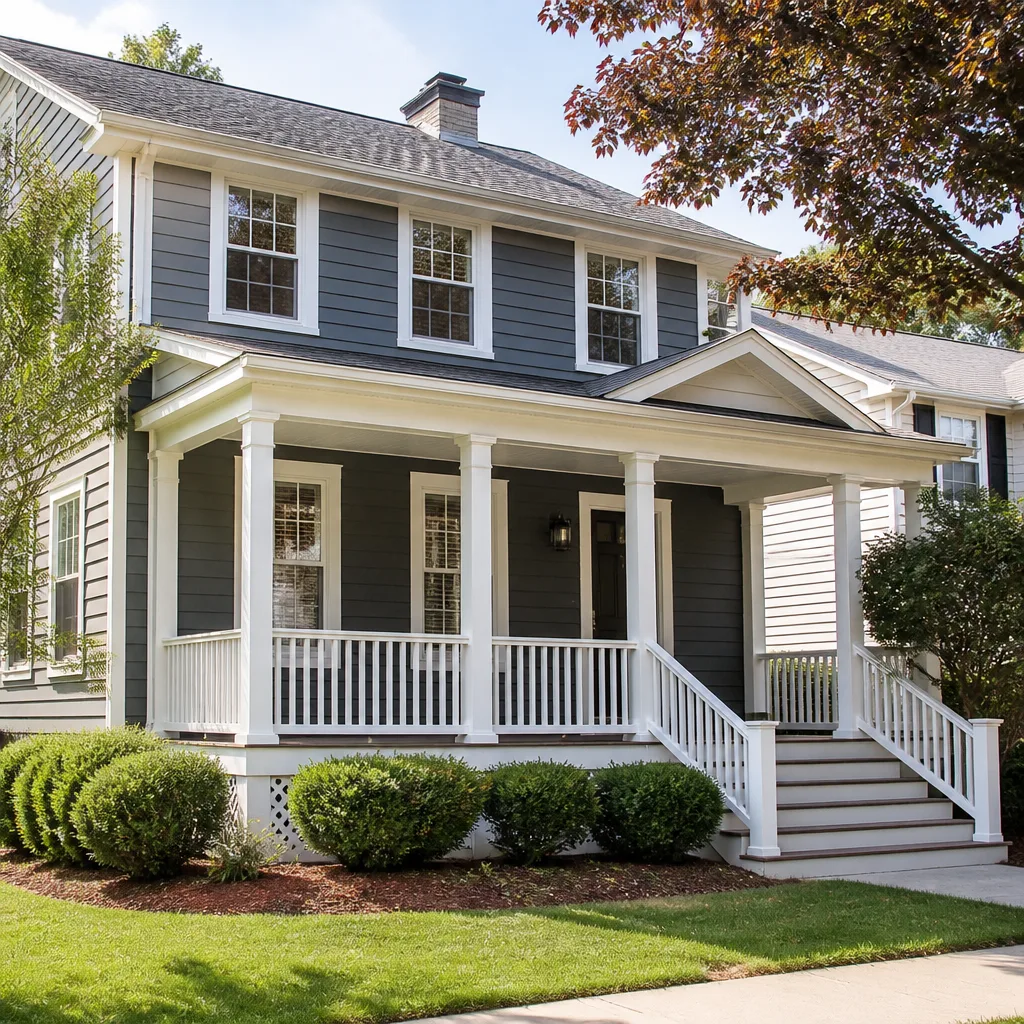
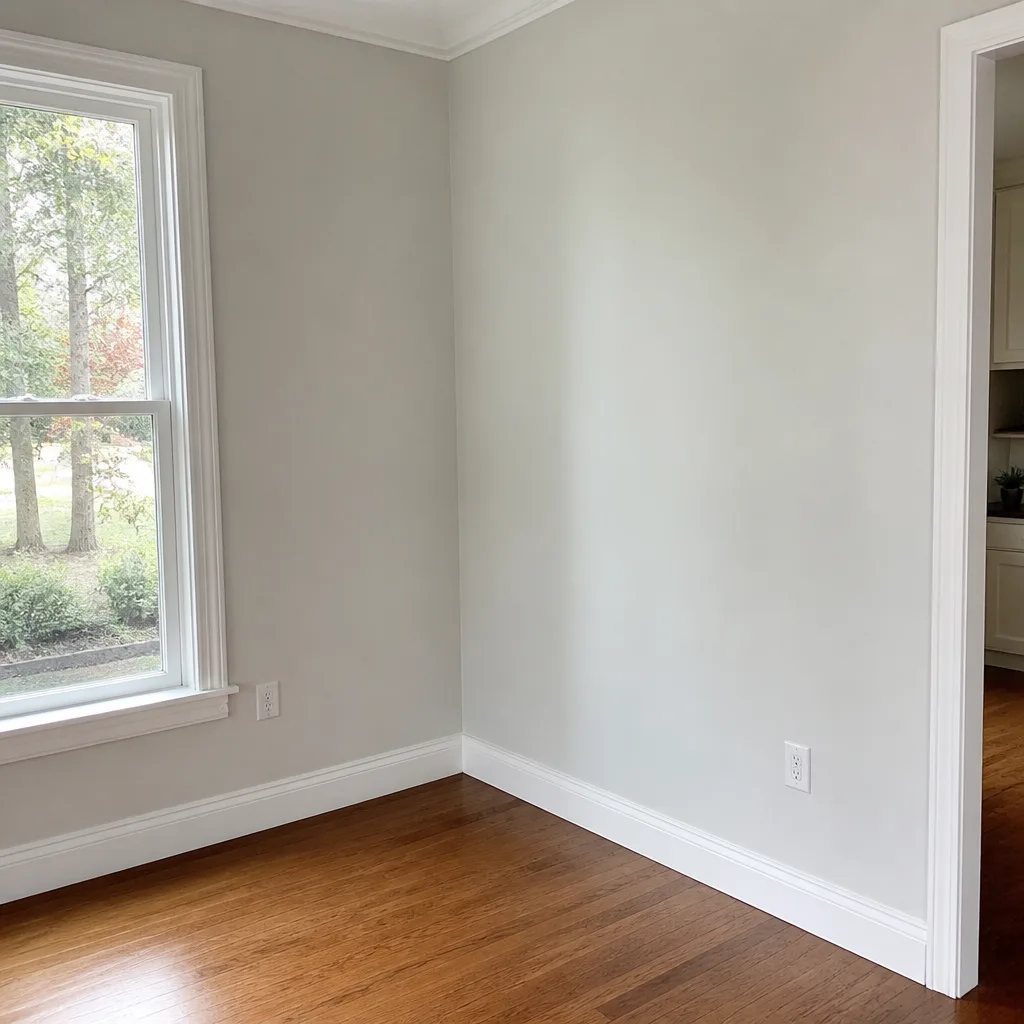
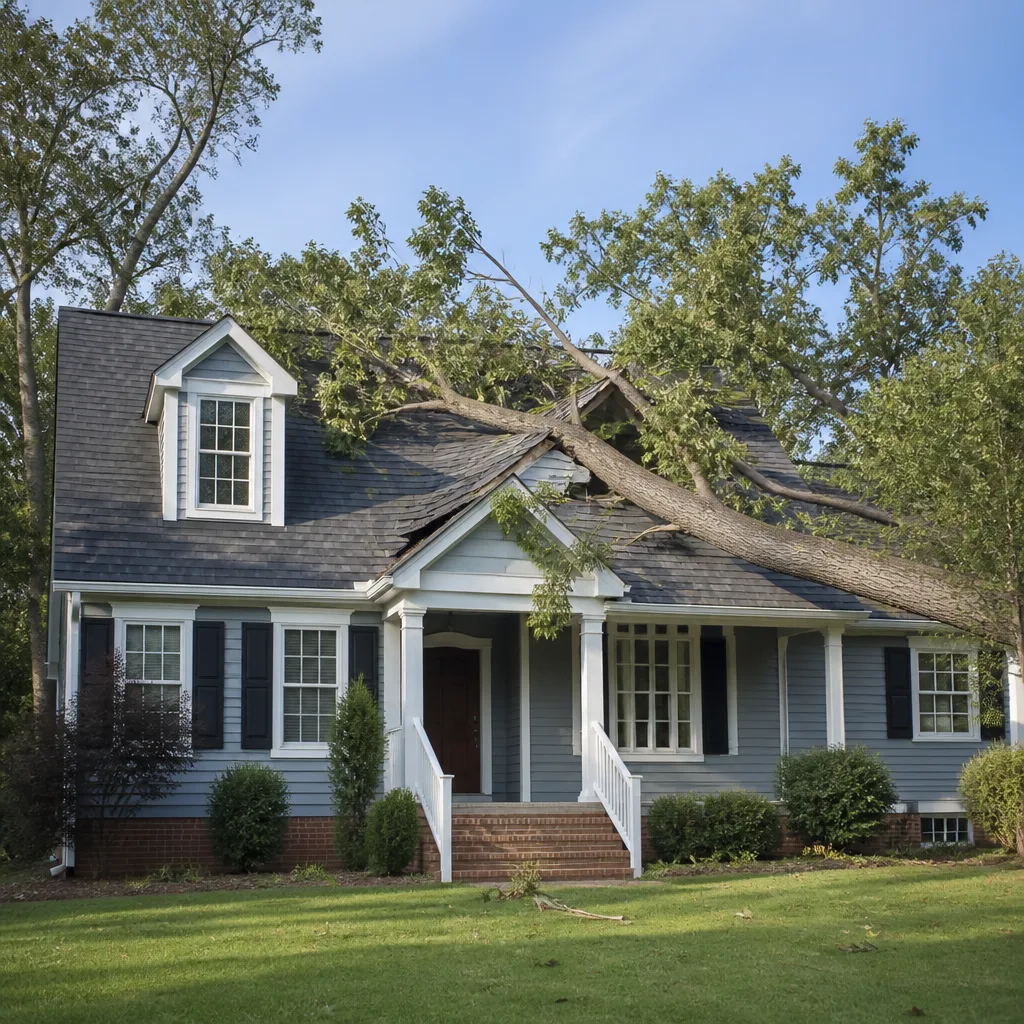
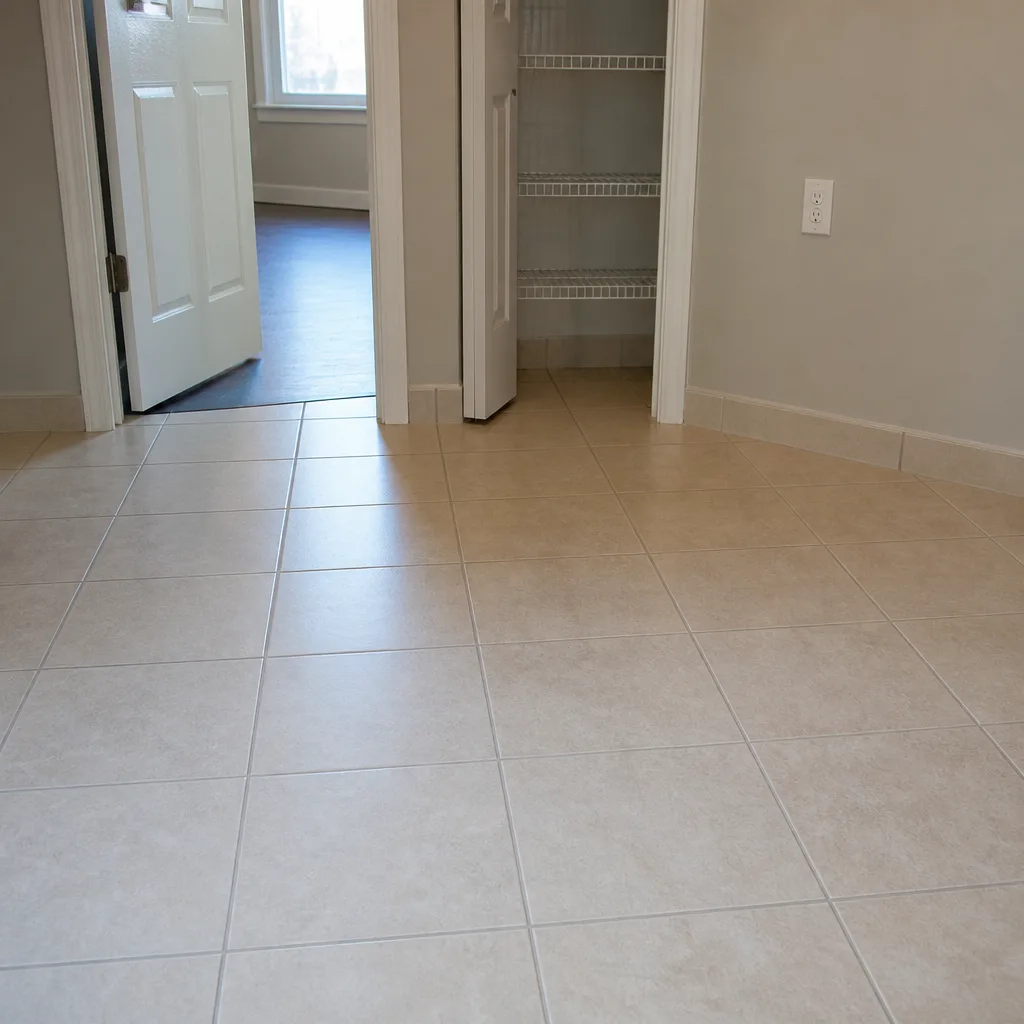
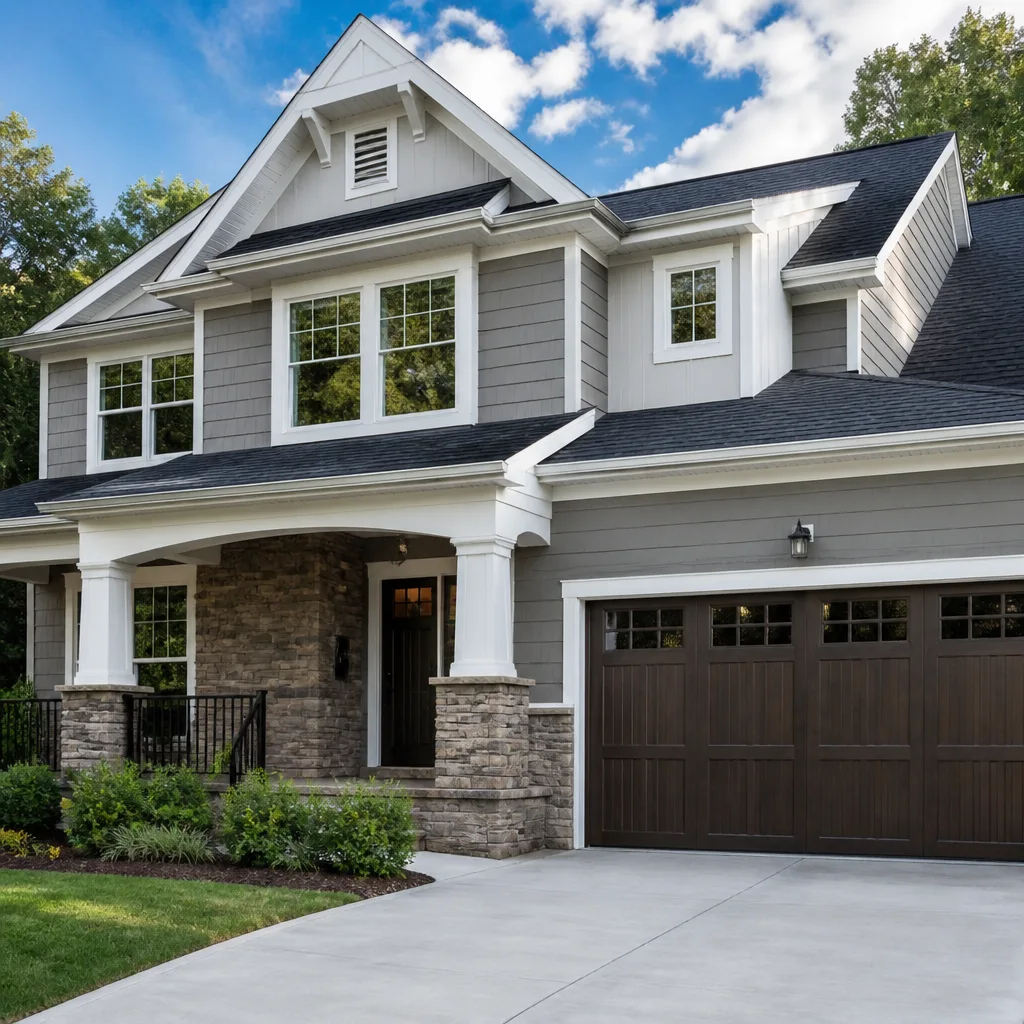
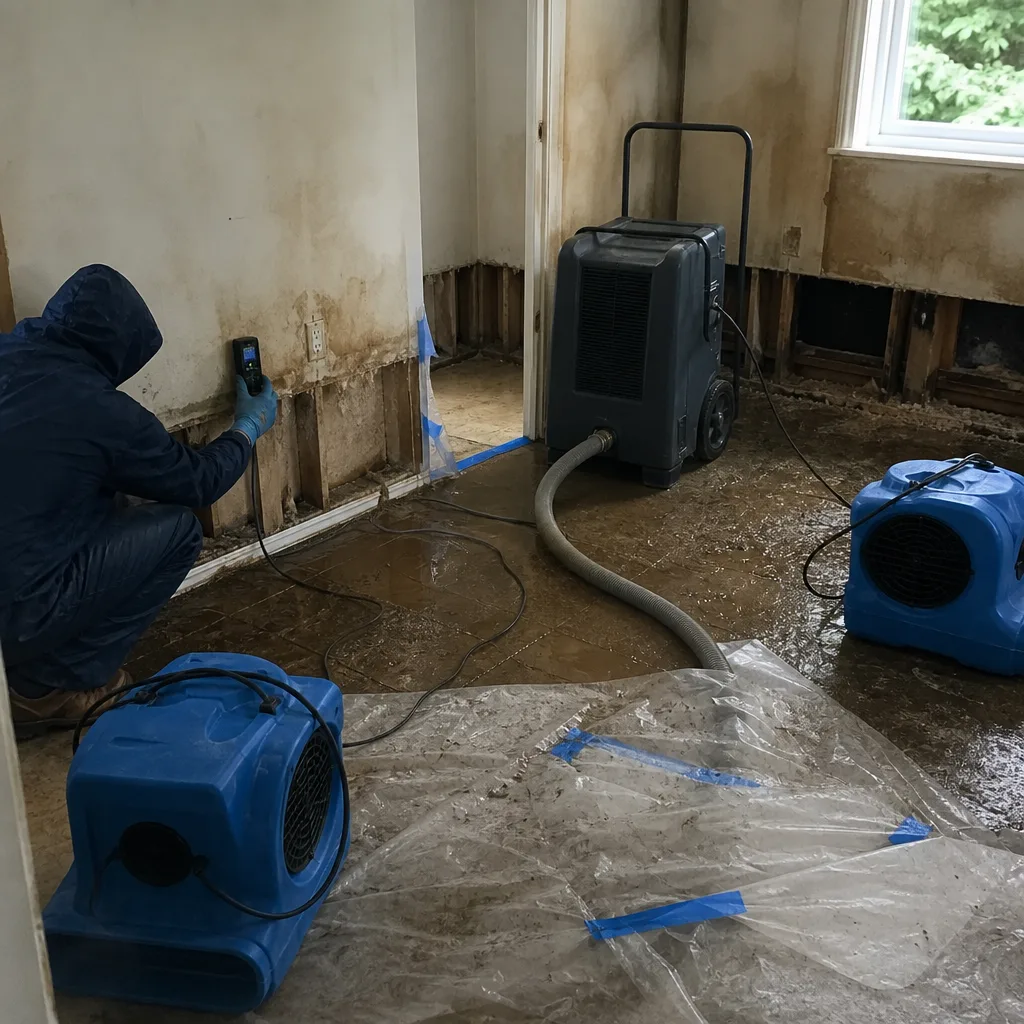 Before
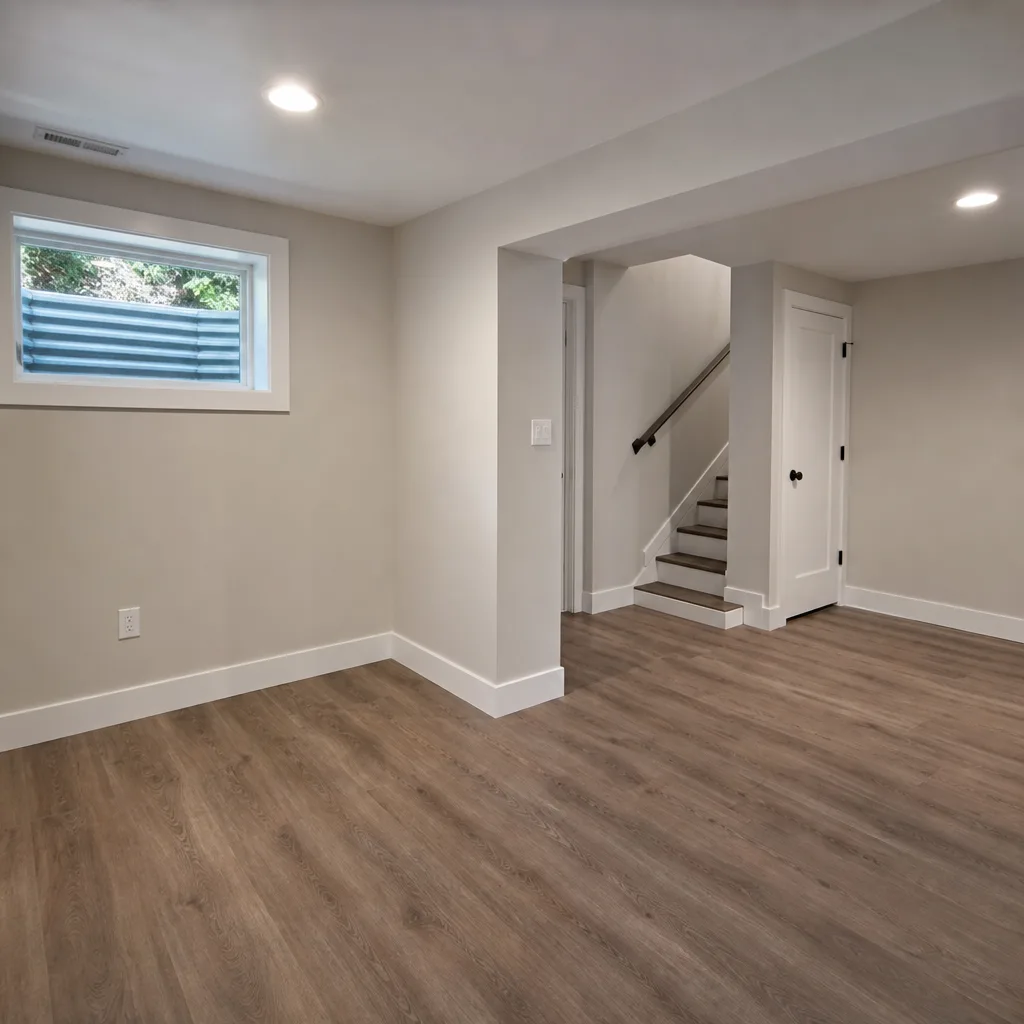 After
After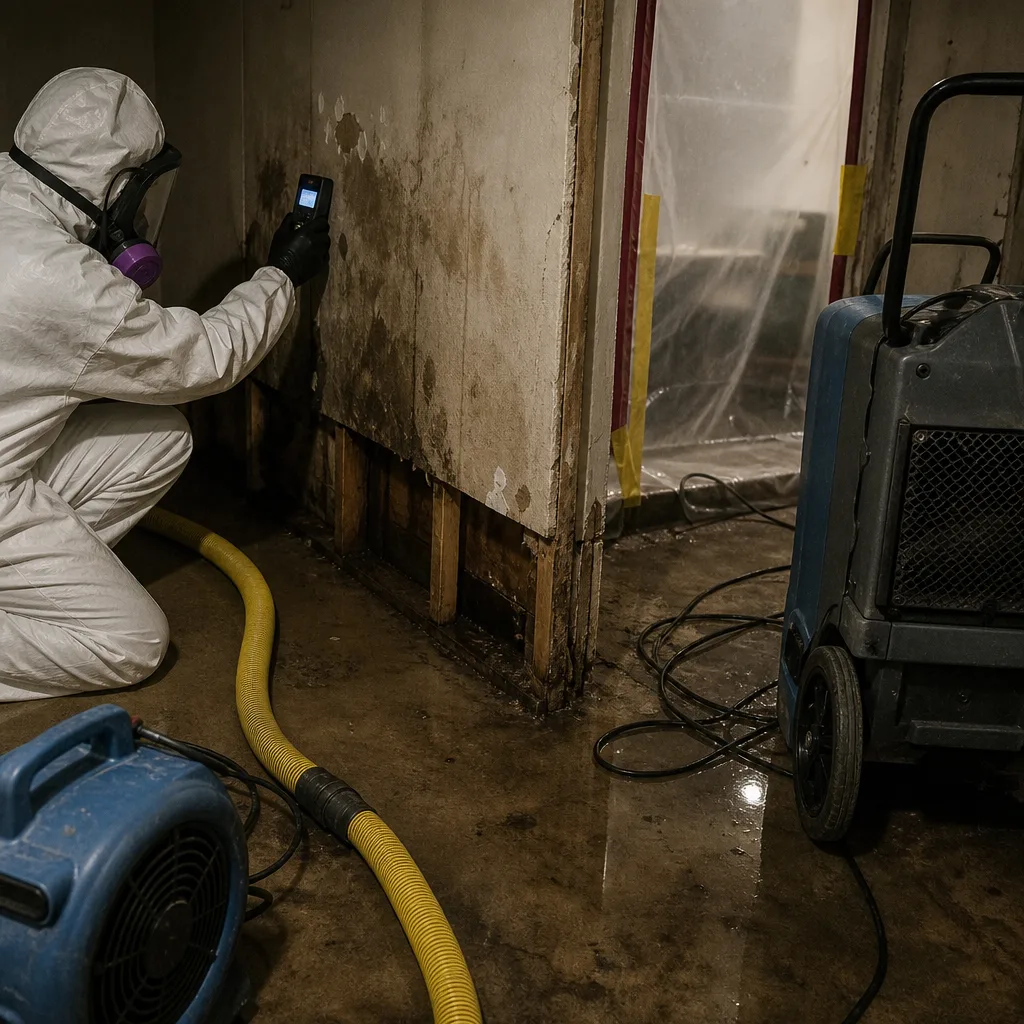 Before
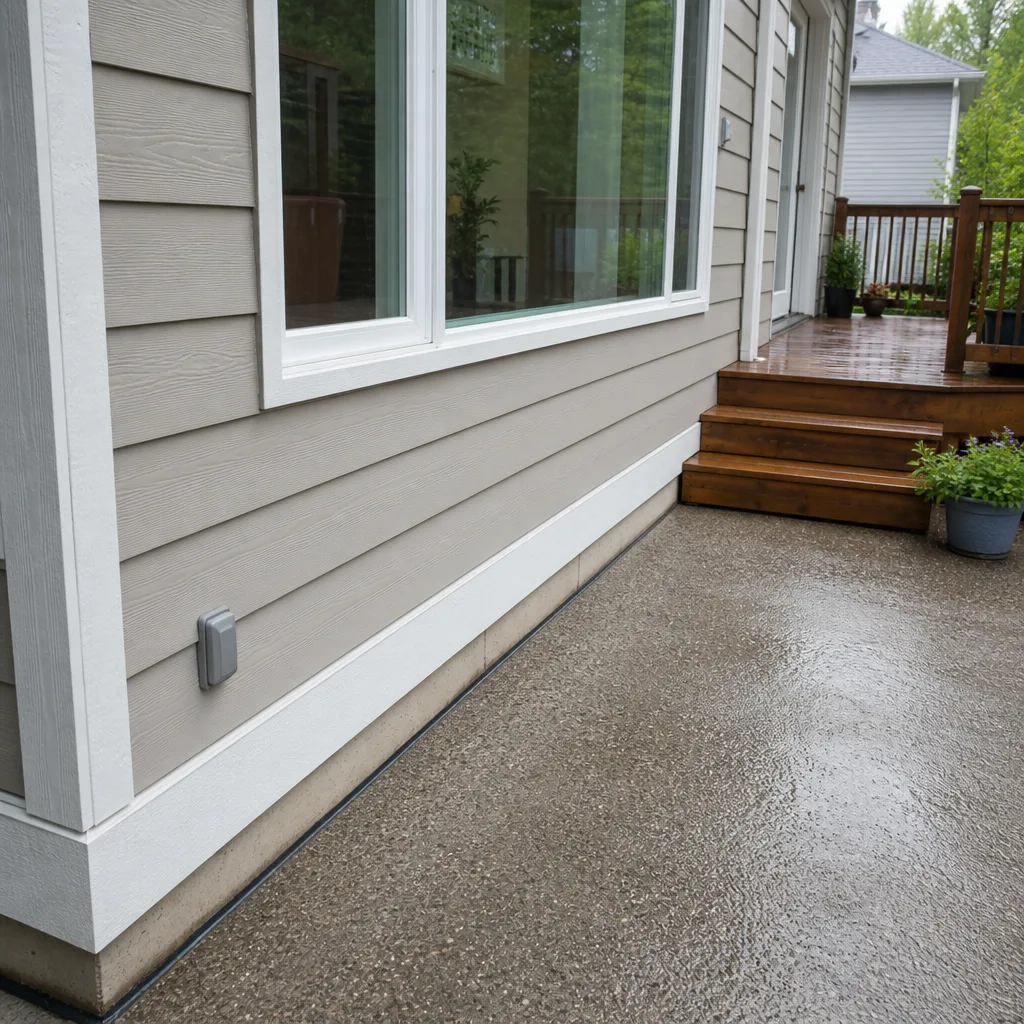 After
After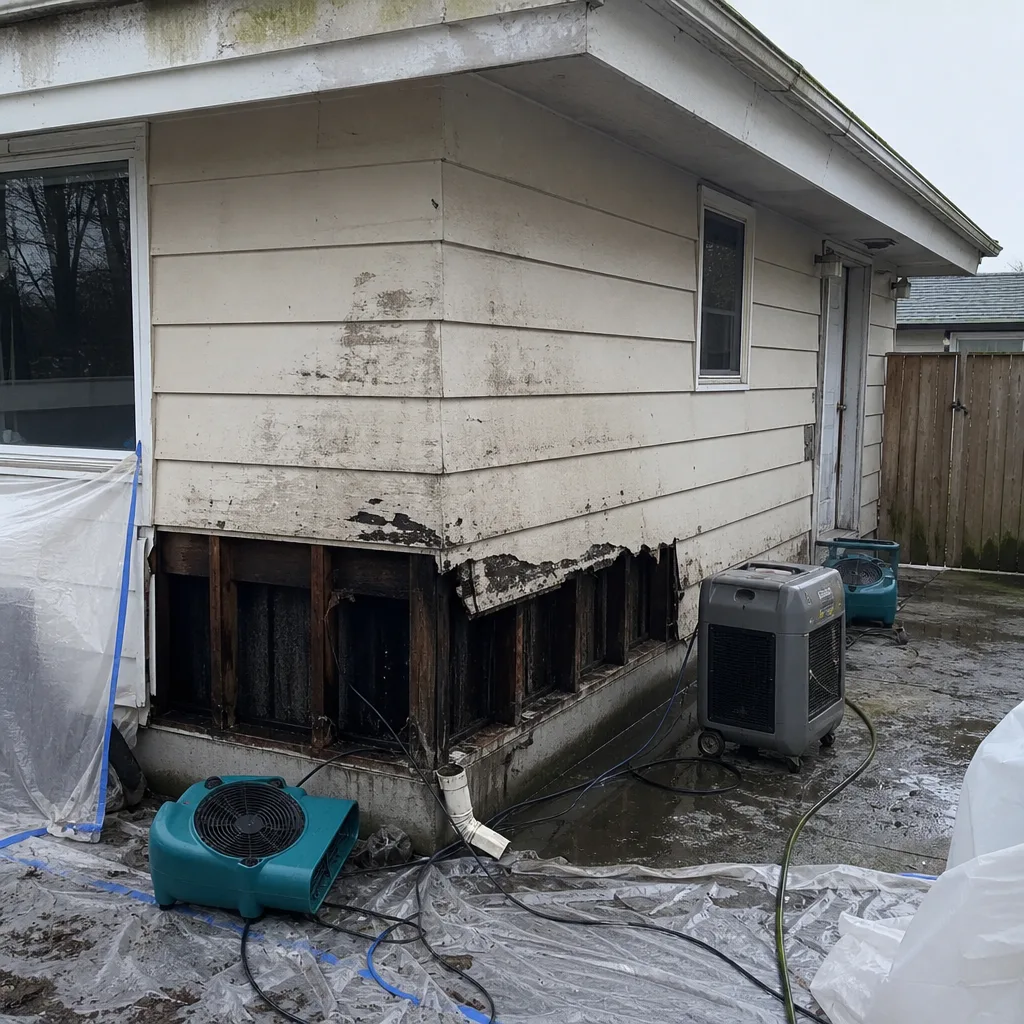 Before
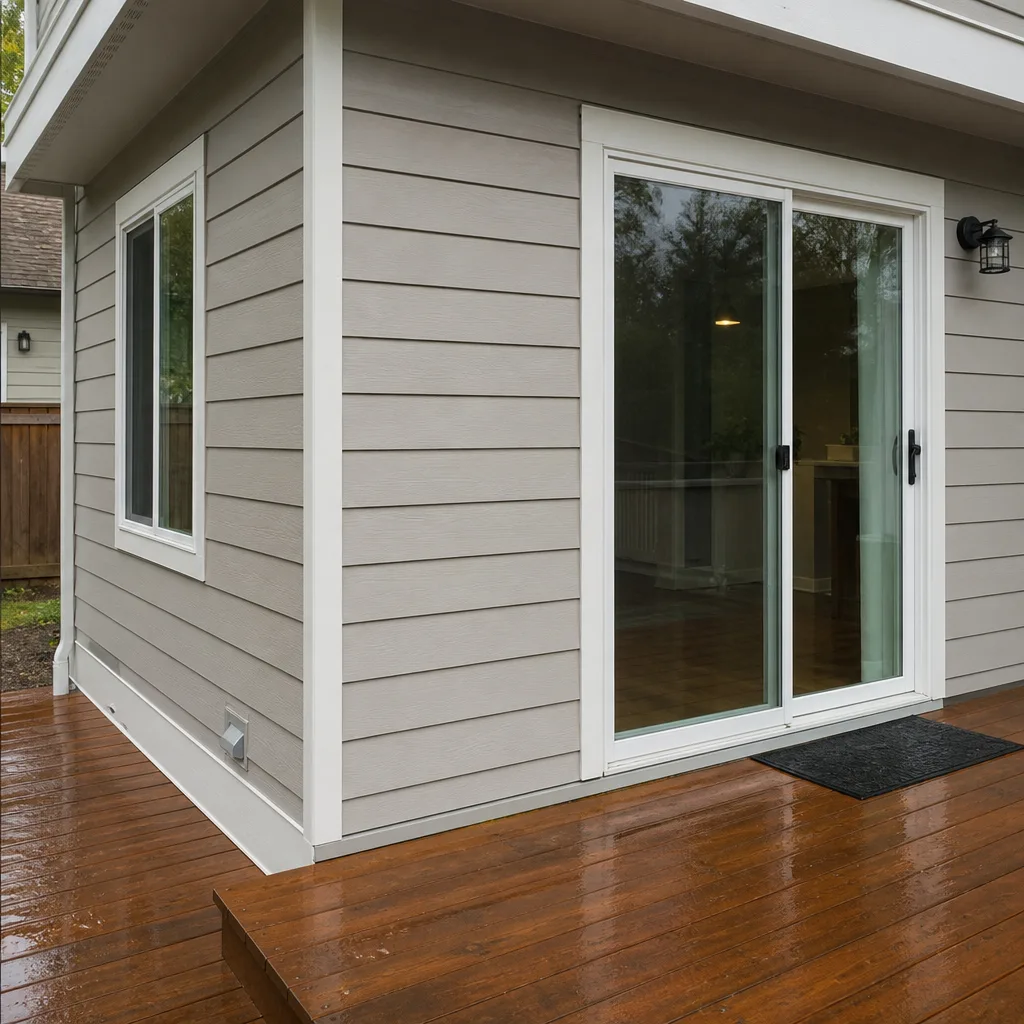 After
AfterDamage Restoration Permits, Codes & Inspections in WA: What You Need to Know
An unpermitted structural repair after water damage does not become a code violation when you sell - it becomes one the day the work is done without a permit. In Redmond, we’ve seen homeowners discover $40,000 in unpermitted mold remediation and structural drying work only when the buyer’s title search turns up an open permit from a contractor who disappeared three years ago. This guide explains exactly when Washington State law requires permits for restoration work, what happens when contractors skip them, and how to protect your property value before the next disaster or the next sale.
Quick Answer
In Washington State, restoration work requires a building permit whenever it involves structural repairs, electrical or HVAC modifications, or alterations to load-bearing walls, plumbing systems, or egress paths. In Redmond, the building department requires permits for most water damage restoration that goes beyond surface drying, and unpermitted work can become a title encumbrance that blocks sale or refinancing until resolved.
Table of Contents
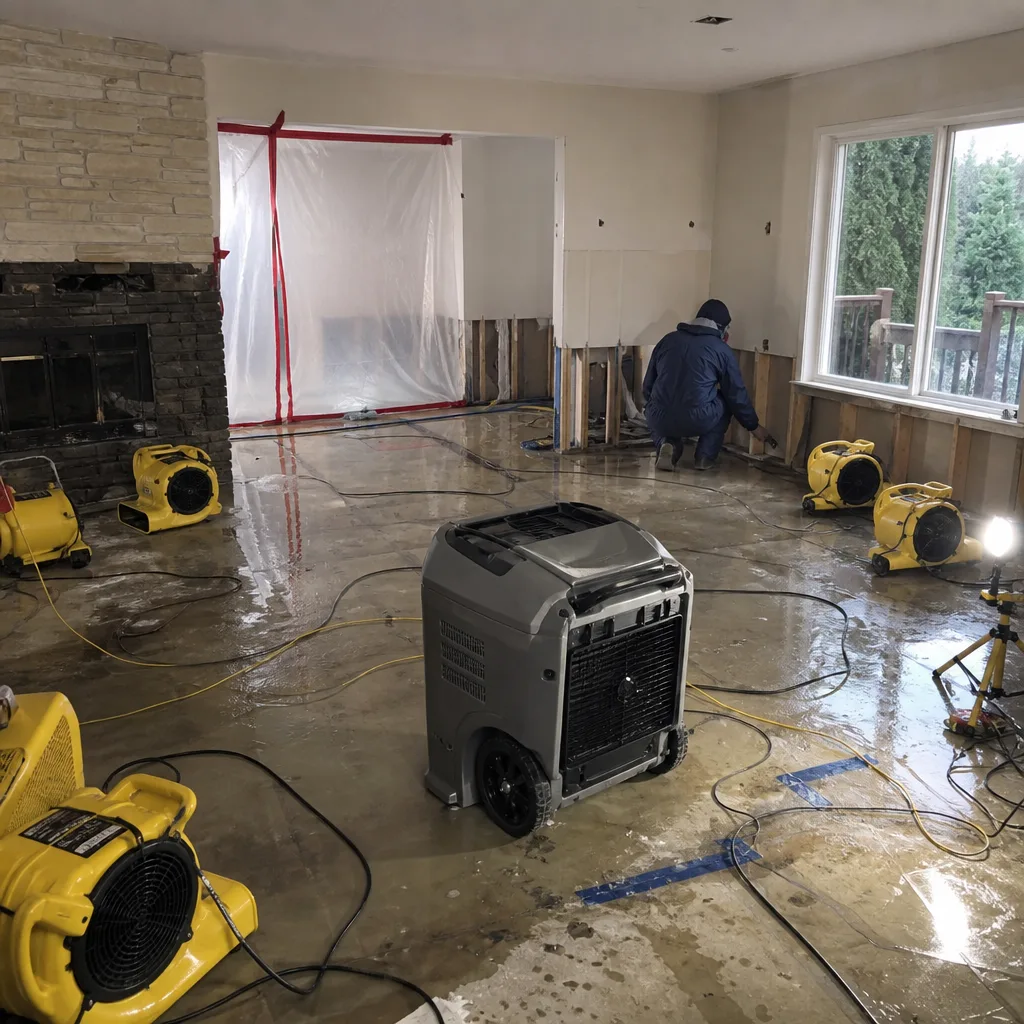
- When Are Permits Required for Restoration Work in Washington?
- How Redmond’s Building Department Handles Post-Disaster Permits
- Pulling a Permit vs. Closing It: Why the Difference Matters
- How Unpermitted Restoration Work Affects Future Insurance Claims
- What to Do If a Previous Owner Left Unpermitted Restoration Work
- What Documentation Accelerates Your Inspection Queue
- Common Mistakes to Avoid
- When to Call a Professional
- Frequently Asked Questions
- The Bottom Line
 Before
 After
AfterWhen Are Permits Required for Restoration Work in Washington?
Washington State’s building permit framework rests on Chapter 19.27 RCW, the State Building Code Act, which delegates enforcement to local jurisdictions while maintaining minimum statewide thresholds. For restoration work, the critical trigger is not the cause of damage but the scope of repair. Any work that “constructs, enlarges, alters, repairs, moves, demolishes, or changes the occupancy of a building or structure” requires a permit under RCW 19.27.031, with specific exemptions for minor repairs that do not affect structural integrity, electrical systems, or plumbing.
Here’s where restoration contractors routinely mislead homeowners: they classify extensive work as “emergency stabilization” or “contents drying” to avoid permit delays. The distinction matters because permit-exempt work is narrowly defined. In practice, the following restoration activities require permits in Washington:
- Structural drying that involves removing and replacing drywall, plaster, or subfloor beyond 200 square feet in a single room or 10% of the total building area - this triggers the alteration threshold under the International Building Code as adopted by Washington
- Electrical work including outlet replacement in flooded areas, rewiring of damaged circuits, or installation of temporary power for drying equipment that modifies the permanent electrical system
- HVAC modifications such as duct replacement, cleaning that requires duct disassembly, or installation of dehumidification equipment tied into central air handling
- Plumbing repairs beyond fixture replacement, including pipe replacement, valve relocation, or any work on the potable water or sanitary drainage systems
- Load-bearing wall modifications during mold remediation or structural drying, including removal of wet studs or installation of temporary support walls
- Egress path alterations during fire or smoke damage restoration, including door or window replacement that affects emergency exit dimensions
The climate in Redmond intensifies permit complexity. Our wet winters and spring runoff season mean water damage restoration often coincides with active moisture intrusion. Contractors working in February or March may need to install temporary weather protection that itself requires a permit if it remains in place beyond 180 days. We’ve documented cases in the Education Hill and Overlake neighborhoods where contractors installed temporary poly barriers and dehumidification ducting for six months without permits, creating code violations that surfaced during pre-sale inspections.
Washington’s Department of Labor & Industries adds another layer: any contractor performing work that requires a permit must carry the appropriate electrical, plumbing, or specialty contractor license. A general contractor’s registration with L&I does not authorize electrical or plumbing work. We have reviewed competitor estimates in Redmond that proposed “turnkey” water damage restoration including electrical outlet replacement and HVAC duct cleaning under a single general contractor registration - a configuration that cannot legally obtain permits for the electrical or HVAC components.
How Redmond’s Building Department Handles Post-Disaster Permits
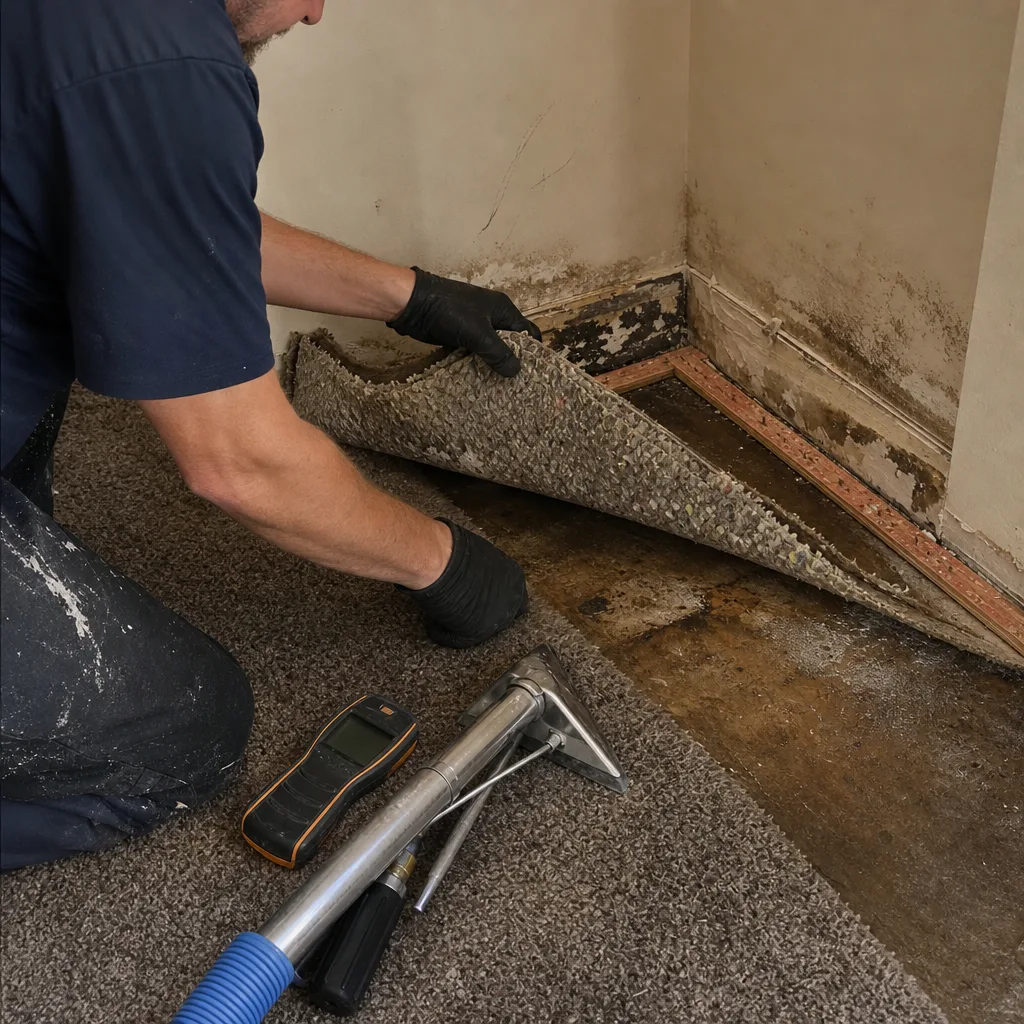
Redmond operates under the King County Consolidated Building Code with city-specific amendments administered by the Redmond Building & Fire Department. For restoration work, the critical procedural detail is that Redmond does not have a separate “emergency repair” permit category that bypasses standard review. What exists is an expedited process for repairs necessary to prevent imminent hazard, but this still requires permit application, fee payment, and inspection - it simply moves to the front of the queue.
The practical timeline looks like this:
- Emergency stabilization (same day): Work necessary to prevent collapse, electrocution, or flooding of adjacent properties may proceed without permit if documented with photos and reported to the building department within 24 hours. This covers boarding windows, shutting off utilities, and extracting standing water. It does not cover demolition of finishes, installation of drying equipment, or any repair work.
- Permit application (1-3 business days): For all work beyond emergency stabilization, the contractor or property owner must submit a permit application with scope description, contractor license numbers, and plans if structural work is involved. Redmond accepts online applications for residential restoration permits under $50,000 in valuation.
- Plan review (3-10 business days): Simple permits for like-for-like replacement of drywall, flooring, or fixtures move quickly. Permits involving structural members, electrical panel work, or HVAC modifications require plan review by city staff. During peak periods (January-March following freeze events or November after windstorms), this can extend to 15 business days.
- Inspection scheduling (1-5 business days): Redmond offers next-day inspection scheduling for permits marked “post-disaster” if called in before 3 PM. The city maintains a separate inspection line for this purpose.
- Final inspection and certificate of completion: All permits must be closed with a passed final inspection. Redmond issues a Certificate of Completion that should be retained with property records indefinitely.
The documentation gap that costs homeowners their claims appears here: many contractors pull permits but never schedule final inspections, leaving permits “open” for years. In Redmond’s Sammamish Valley and Bear Creek areas, we’ve encountered properties with three or four open permits dating to 2019 or 2020, each from a different restoration contractor who completed work, collected payment, and never called for inspection. The homeowner assumed the permit “covered” the work; the city records show incomplete work that must be re-inspected or redone.
Redmond’s specific amendment to the King County code requires that all restoration work in designated floodplain areas (portions of the Sammamish River corridor and certain creek-adjacent properties) obtain a floodplain development permit in addition to the standard building permit. This dual-permit requirement is frequently missed by contractors unfamiliar with Redmond’s GIS mapping system. The floodplain permit adds 10-14 business days to the timeline and requires elevation certificates for any work below the base flood elevation. We’ve reviewed estimates from out-of-area contractors who proposed basement drying and reconstruction in the West Lake Sammamish corridor without accounting for this requirement, exposing homeowners to stop-work orders and $500-per-day penalties under Redmond Municipal Code 15.08.060.
Pulling a Permit vs. Closing It: Why the Difference Matters
A permit that is pulled but not closed is a title encumbrance. This is not a technicality. In Washington, open permits appear in preliminary title reports and must be disclosed in seller’s disclosures under RCW 64.06.020. A buyer’s lender may refuse to fund until open permits are closed. A cash buyer may negotiate price reduction or demand escrow holdbacks. The permit itself does not expire in Washington - King County and its cities, including Redmond, do not have automatic permit expiration for work that has commenced.
The distinction between pulling and closing a permit tracks to three distinct phases of restoration work, and contractors who blur these phases create liability for homeowners:
Phase one: Permit issuance. The permit is approved, fees paid, and a permit card issued. Work may legally commence. The contractor has met the minimum threshold for legitimacy - licensed, insured, and willing to have work inspected. This is where most homeowner verification stops.
Phase two: Progress inspections. For restoration work, this typically includes rough inspection (before drywall covers plumbing or electrical work) and insulation inspection (if exterior walls are opened). Each inspection requires 24-hour notice, the permit card posted at the site, and the original contractor or their designated representative present. If the original contractor abandons the job or goes out of business, another licensed contractor must formally assume the permit - a process requiring original permit holder consent or a $150 permit transfer fee in Redmond.
Phase three: Final inspection and closure. The building inspector verifies that all work matches the approved scope, that required documentation (energy code compliance forms, manufacturer installation instructions for specialty materials) is on file, and that no code violations are visible. A passed final inspection generates a Certificate of Completion, which is the only document that removes the permit from open status.
We’ve documented the cost of open permits in our Redmond work. In 2022, we were called to a home in the Grass Lawn neighborhood where a previous contractor had performed $28,000 in water damage restoration after a dishwasher supply line failed. The contractor pulled a permit, completed drywall and flooring replacement, and disappeared before final inspection. Two years later, the homeowner listed the property. The buyer’s title search revealed the open permit. Redmond’s building department required re-exposure of two walls to verify plumbing and electrical work, then demanded replacement of the flooring because the original contractor had used a product without the required moisture-barrier rating for below-grade installation. Total cost to close the permit: $14,700, none of it covered by insurance because the original claim had closed and the statute of limitations had run.
The Haven Standard, Clause 1 - written price before work begins - exists partly to prevent this scenario. When we provide a written scope, it includes line-item allocation for permit fees, inspection scheduling, and final closeout. The price does not change if inspections reveal additional requirements; that risk sits with us, not the homeowner. Our documentation package delivered at job completion includes the Certificate of Completion, permit closure confirmation from Redmond’s building department, and photo verification of all inspected work.
How Unpermitted Restoration Work Affects Future Insurance Claims
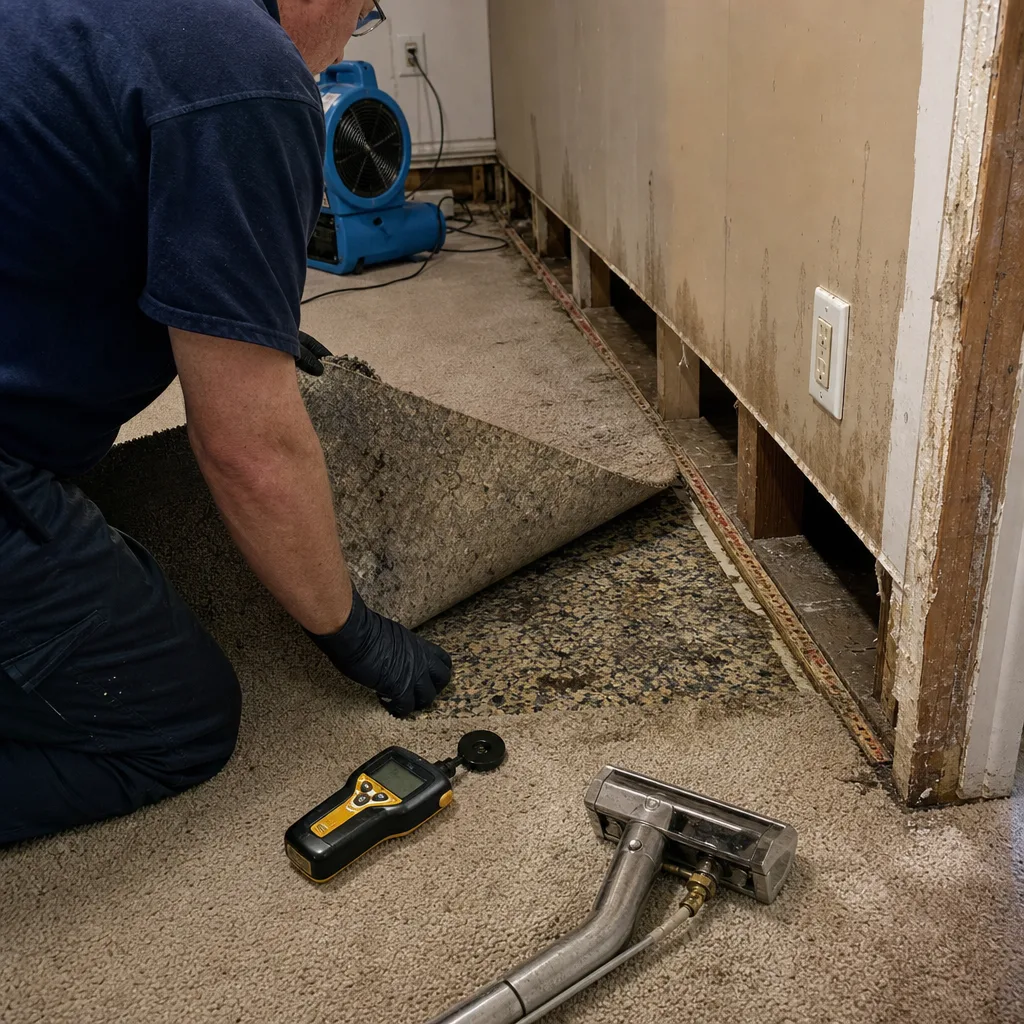
Insurance coverage for subsequent damage can be denied or reduced when prior unpermitted repairs contributed to the loss. This is not insurer retaliation; it is policy language enforcement. Standard homeowners policies in Washington contain provisions excluding loss caused by “faulty, inadequate, or defective repairs” or requiring that repairs be “performed in a workmanlike manner by qualified persons.” Unpermitted work is presumptively defective in claims adjudication because it bypassed the inspection process designed to verify code compliance.
The mechanism works through causation analysis. When a new water damage claim is filed, the insurer’s adjuster reviews the loss history. If prior water damage was repaired without permits, the adjuster investigates whether that repair contributed to the current loss. Common scenarios we encounter in Redmond:
- Mold recurrence in “remediated” areas: Prior mold remediation performed without permits often lacked proper containment, negative air pressure, or post-remediation verification. When mold returns, insurers deny the new claim as continuation of prior unremediated damage, or they cap coverage at the cost of proper initial remediation minus what was already paid.
- Structural failure after water damage repair: Unpermitted structural drying that omitted moisture meters or failed to verify drying to IICRC standards (typically 16% moisture content or lower for wood framing) leaves elevated moisture that weakens structural members. A subsequent plumbing leak causes collapse that the insurer attributes to prior inadequate drying.
- Electrical fire after flood restoration: Unpermitted electrical work in flooded areas, including outlet replacement without ground fault circuit interrupter protection where required by current code, creates fire risk. Insurers deny fire claims when investigation reveals unpermitted electrical work in the ignition area.
- Sewage backup in basement with unpermitted drainage work: Prior restoration that modified drainage without permits, including installation of sump pumps or French drains without proper discharge permits, can cause backups that insurers classify as maintenance issues rather than covered losses.
The documentation that prevents this denial is the permit record itself. When water damage restoration in Redmond is performed under permit, the inspection record creates a presumption of proper work. The Certificate of Completion becomes evidence that repairs met code at the time of inspection. Our daily drying logs, produced with equipment from Dri-Eaz and Phoenix and documented to IICRC standards, provide the moisture readings that prove structural materials were dried properly. The photo record on every visit, included as standard deliverable under The Haven Standard, timestamps each stage of work.
We’ve coordinated directly with adjusters on this documentation. In a 2023 Redmond claim involving a second water loss in a home we had previously restored, the insurer’s initial position was that prior unremediated moisture contributed to new mold growth. We produced the permit closure certificate, final inspection report, and 21 days of drying logs showing progressive moisture reduction to 12% in all affected framing. The claim was paid in full. Without that documentation, the homeowner faced a $34,000 mold remediation bill with no coverage.
What to Do If a Previous Owner Left Unpermitted Restoration Work
Discovery of unpermitted restoration work typically happens in one of three contexts: pre-purchase inspection, refinancing appraisal, or new damage that exposes prior repairs. Each context carries different urgency and different remediation paths.
Pre-purchase discovery: The inspection report notes work that should have required permits but shows no permit record. In Redmond, this is discoverable through the city’s online permit history search before closing. The remediation path depends on whether the work is visible and verifiable:
- Obtain the property’s complete permit history from Redmond Building & Fire Department. This includes permits pulled by address, not just by current owner name. Request records back to 1990, when Redmond digitized permit records.
- Engage a restoration contractor with code-compliance expertise to inspect visible work and identify what requires permitting. This is not a standard home inspection; it requires trade-specific knowledge of drying standards, electrical code cycles, and material approvals.
- Obtain repair estimates for permit-compliant rework of unpermitted items. In Redmond, this typically ranges from $3,000-$8,000 for minor drywall and flooring replacement with proper permits, to $25,000-$60,000 for structural, electrical, or HVAC work requiring extensive re-exposure.
- Negotiate with seller for price reduction, escrow holdback, or completion of permit compliance before closing. We provide written estimates for this purpose under our Free Second Opinion policy - bring any contractor’s quote and we will review it at no charge.
- If closing proceeds with unpermitted work unresolved, obtain written acknowledgment from seller in the disclosure documents and budget for future permit compliance. Do not assume the issue ages away; open permits do not expire in Washington.
Post-purchase discovery: The work was not identified before closing, or the homeowner performed unpermitted work themselves without understanding requirements. The remediation path is more constrained because negotiation leverage is gone, but the steps are similar. Critical difference: homeowner-performed work without required contractor licensing may need to be entirely redone by licensed contractors to obtain permits, as Redmond does not issue homeowner permits for electrical, plumbing, or HVAC work in most zones. Before attempting DIY repairs, consult DIY vs Professional Damage Restoration: The Redmond Homeowner’s Decision Guide.
New damage exposing prior work: A current water, fire, or mold event reveals that prior restoration was incomplete or improper. This is the most expensive discovery context because the new damage and the prior inadequate repair must both be addressed, and insurance coverage for the new damage may be contested. We encountered this in a 2024 Redmond claim where a leaking shower pan revealed that prior “mold remediation” had simply painted over visible mold without removal or moisture source repair. The new claim involved $47,000 in proper remediation, of which the insurer initially covered only $12,000 as “maintenance” for the long-standing moisture condition. Our documentation of the prior work’s inadequacy - no containment, no negative air, no post-remediation verification - supported the homeowner’s appeal, which eventually recovered $38,000.
The Haven Standard’s 365-Day Done Right Promise addresses this prospectively: if we perform work and a permit issue arises, we make it right. This is a written warranty, not verbal assurance, and it applies to permit closure specifically. We’ve reopened permits from other contractors’ abandoned jobs, completed required inspections, and absorbed the cost when our initial scope was incomplete - because the warranty’s purpose is to transfer risk from homeowner to contractor.
What Documentation Accelerates Your Inspection Queue
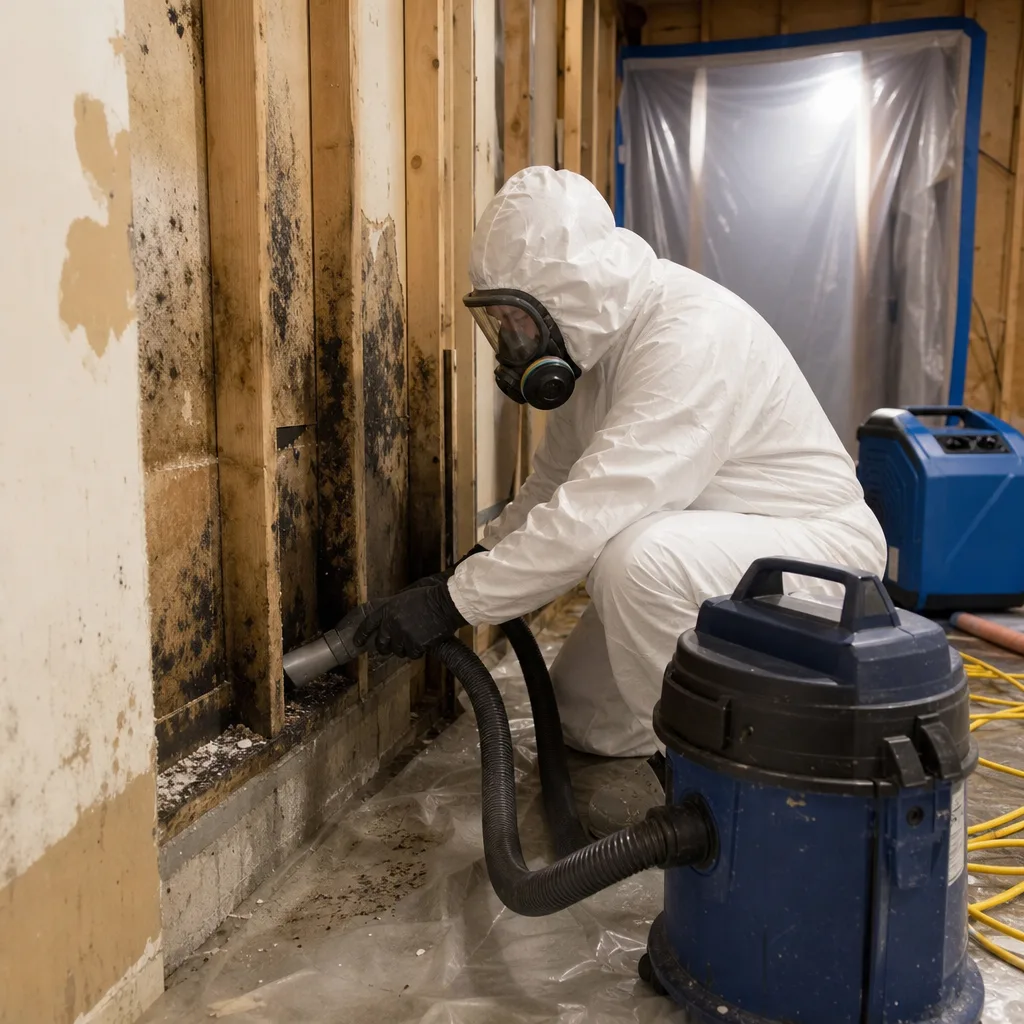
Redmond’s building department, like most in King County, operates with finite inspection staff and prioritizes based on documented hazard level and completeness of submission. Post-disaster permit applications that arrive with complete documentation move faster than those requiring multiple rounds of information request. The specific documents that accelerate processing:
- Insurance claim number and adjuster contact - not required for permit issuance, but flagged by Redmond staff as “insured loss” which receives scheduling priority over discretionary remodeling
- Moisture mapping report from initial assessment, showing affected areas in square footage and material classification. We produce these with thermal imaging and penetrating moisture meters, documenting readings to IICRC S500 standards
- Written scope of work with line-item material specifications - including manufacturer, model, and installation standard for each replacement material. Generic descriptions (“replace drywall”) trigger plan review requests; specific descriptions (“5/8″ Type X gypsum board, USG Sheetrock Brand, installed per GA-216”) do not
- Contractor license verification - L&I license numbers for all trades involved, with current status confirmed. Redmond verifies these electronically, but providing the verification printout prevents delays from system outages
- Photo documentation of pre-work conditions - timestamped, geotagged images showing the damage before any stabilization work. These establish the emergency basis for expedited handling and protect against scope disputes
- Floodplain determination - for properties in or near the Sammamish River corridor, a FEMA floodplain map printout or Redmond GIS query confirming floodplain status. If in floodplain, include the separate floodplain development permit application to prevent parallel processing delays
Our standard documentation package, produced on every job, includes all of these elements. The photo record on every visit - included as standard, never an upsell - provides the timestamped evidence that supports both permit acceleration and insurance claim payment. When we coordinate directly with adjusters, we provide this package in the format their claim systems require, which typically accelerates both permit and claim processing simultaneously.
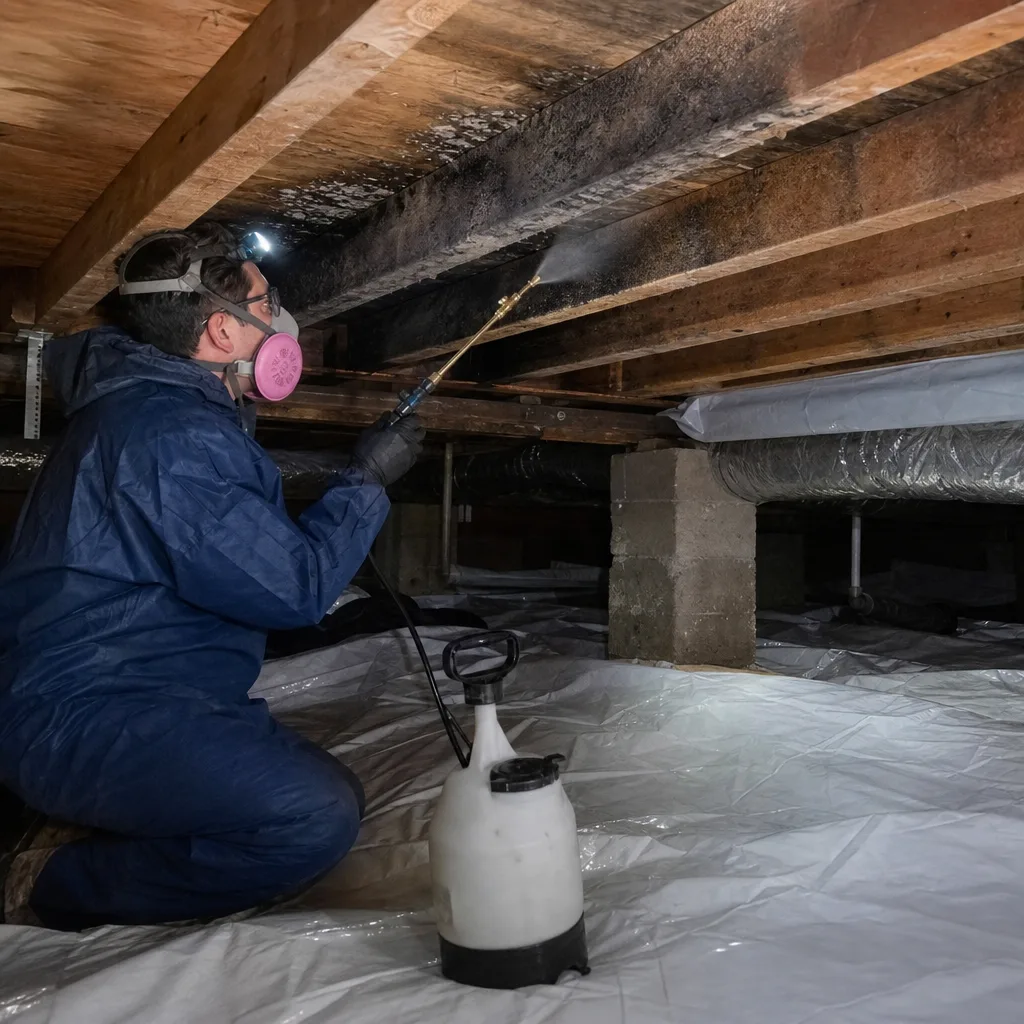
For mold remediation in Redmond, documentation requirements are more extensive. Washington does not have statewide mold remediation licensing, but Redmond requires post-remediation verification by an independent third party for mold projects exceeding 100 square feet of visible growth or involving HVAC contamination. This verification must include air sampling with laboratory analysis and a written clearance statement. We coordinate this as part of our scope, with results included in the final documentation package. Contractors who skip this step leave homeowners with uncloseable permits and unverifiable remediation.
Common Mistakes to Avoid
- Accepting a contractor’s verbal assurance that permits “aren’t needed for emergency work.” Emergency stabilization - extracting water, boarding windows, shutting off utilities - does not require permits. Everything after that does, in most cases. Get the determination in writing from Redmond Building & Fire Department, not from the contractor.
- Assuming a pulled permit means closed permit. Verify permit status through Redmond’s online portal 30 days after work completion. If status shows “open” or “final inspection required,” demand the contractor schedule inspection or assume the permit yourself.
- Neglecting floodplain requirements in Sammamish Valley, Education Hill, or Bear Creek properties. Redmond’s GIS system clearly identifies floodplain boundaries, but contractors from outside the area often miss this. A standard building permit without floodplain clearance will be revoked when discovered.
- Accepting restoration work without written material specifications. “Replace flooring” is not a scope; “install 12mm laminate with 2mm attached underlayment, moisture barrier rated for below-grade per ASTM E96, transitions at all doorways” is. Vague scopes trigger inspection failures and permit delays.
- Failing to document pre-existing conditions before stabilization. Photos taken after extraction but before demolition establish the emergency basis for expedited handling. Without them, Redmond may classify work as discretionary remodeling with standard timelines.
- Ignoring open permits from previous owners. These appear in title searches and must be disclosed. The cost to close them increases with time as code cycles advance and materials become unavailable for like-for-like replacement verification.
- Using unlicensed contractors for permit-required trades. A general contractor cannot perform electrical or plumbing work under their registration. In Redmond, inspectors will reject work performed by improperly licensed contractors, requiring complete redo regardless of quality.
When to Call a Professional
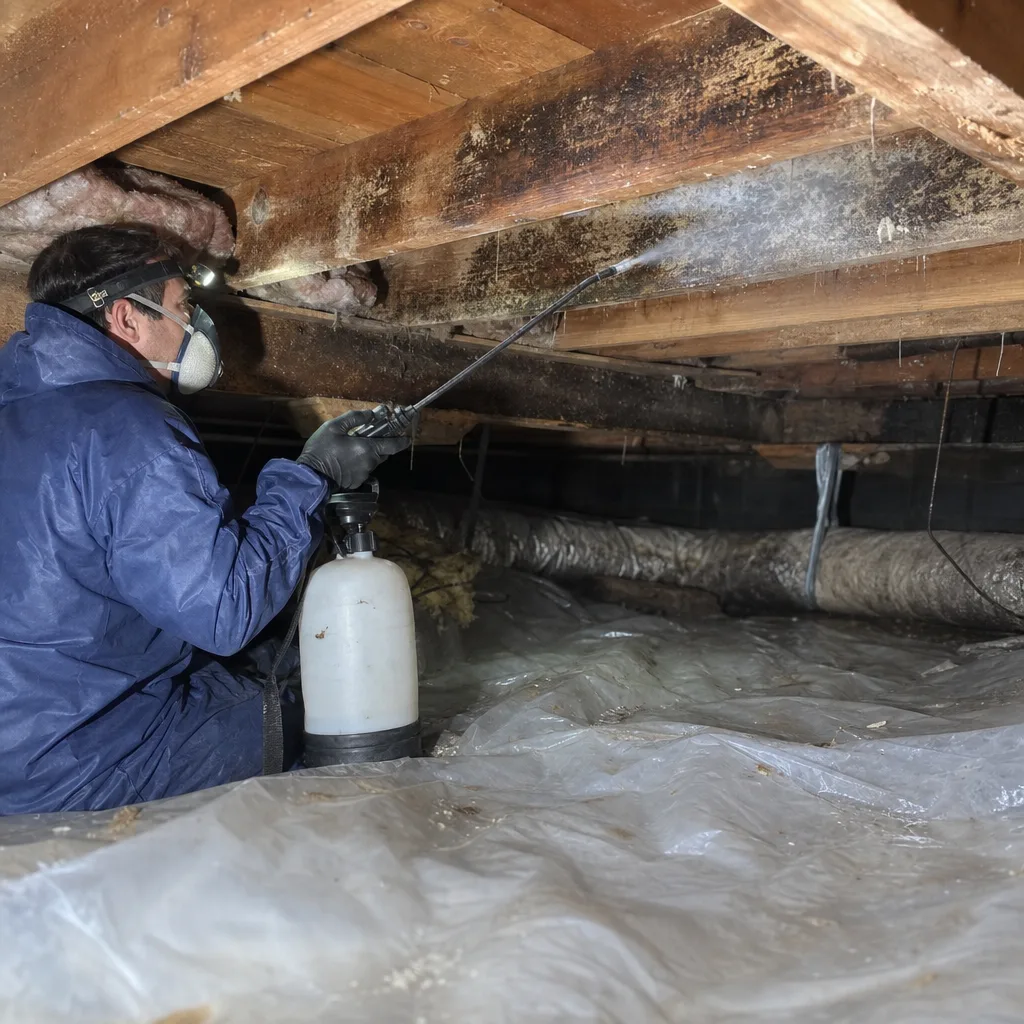
Call a restoration professional with permit expertise when your damage involves structural materials, electrical or HVAC systems, or exceeds surface-level drying; when you’re purchasing a property with prior water, fire, or mold damage and no permit records; or when you’ve discovered open permits from previous work that must be closed before sale or refinancing. DryMark Restoration Redmond offers free estimates in Redmond - call (425) 689-8468. We provide written scopes that include permit requirements and fees, coordinate directly with Redmond’s building department, and deliver closed permits with Certificates of Completion as standard documentation. Our Free Second Opinion service reviews any competitor’s written estimate at no charge, with specific attention to permit compliance gaps that could cost you at closing or on the next claim.
Frequently Asked Questions
Surface drying with portable equipment like air movers and dehumidifiers does not require a permit, but removal of drywall, flooring, or insulation to access wet cavities does trigger permit requirements once the affected area exceeds 200 square feet in one room or 10% of the building area. In Redmond, most water damage restoration beyond initial extraction requires at least a minor alteration permit. Call (425) 689-8468 for a free assessment of your specific situation - estimates are free.
Redmond’s permit fees are based on project valuation, with a minimum of $150 for residential alteration permits and additional fees for electrical, plumbing, or mechanical permits if separate trades are involved. A typical water damage restoration with drywall, flooring, and electrical outlet replacement runs $350-$600 in permit fees. We include permit costs in our written scope under Haven Standard, Clause 1, with no additions once work begins. Call (425) 689-8468 for an exact quote on your project.
Homeowners can pull permits for their own property in Redmond, but cannot perform electrical, plumbing, or HVAC work without the appropriate L&I license. For restoration work involving these trades, a licensed contractor must pull the permit and be listed as the responsible party. If you pull the permit yourself, you assume liability for code compliance and inspection scheduling. We recommend having your restoration contractor handle permitting as part of their scope.
An open permit is a title encumbrance that must be disclosed under Washington’s seller disclosure law. Buyers’ lenders typically require permit closure before funding. In Redmond’s competitive market, buyers may walk away or negotiate substantial price reductions. The cost to close an old permit often exceeds the original permit fee because code cycles have advanced and materials may no longer be available for like-for-like verification. If you discover open permits, contact us for a Free Second Opinion on closure costs - call (425) 689-8468.
Standard homeowners policies in Washington typically cover “reasonable costs” to repair covered damage, which includes permit fees necessary to perform compliant repairs. However, insurers may dispute permit fees for work that exceeds the scope of covered damage or for code upgrade requirements if you lack ordinance or law coverage. We document permit necessity in our written scope and coordinate directly with adjusters to include these costs in claim payments. Photo documentation of pre-loss conditions supports this allocation.
Check Redmond’s online permit portal using your property address, not the permit number, to see all permits associated with your property. Status should show “Final Approved” or “Completed” with a final inspection date. If status shows “Open,” “Issued,” or “Expired,” the permit is not closed. Request the Certificate of Completion from your contractor - this is the only document that confirms closure. We provide this document, along with permit closure confirmation from the building department, in every job’s final documentation package under The Haven Standard.
The Bottom Line
Permits for restoration work in Washington are not bureaucratic obstacles; they are the documentation that transforms emergency repairs into verifiable, insurable, sellable property improvements. Unpermitted work creates liability that compounds over time - through denied claims, failed inspections, and negotiated sales. In Redmond, the building department’s specific requirements around floodplain properties, post-disaster timelines, and trade-specific licensing create additional compliance layers that out-of-area contractors frequently miss. The protection is straightforward: demand written scopes that include permit requirements, verify permit status independently, and retain documentation of closure. The cost of compliance is modest; the cost of non-compliance is measured in stalled sales, denied claims, and rework that should have been unnecessary.
Written by Alicia Brennan, Owner at DryMark Restoration Redmond, serving Redmond since 2011.