
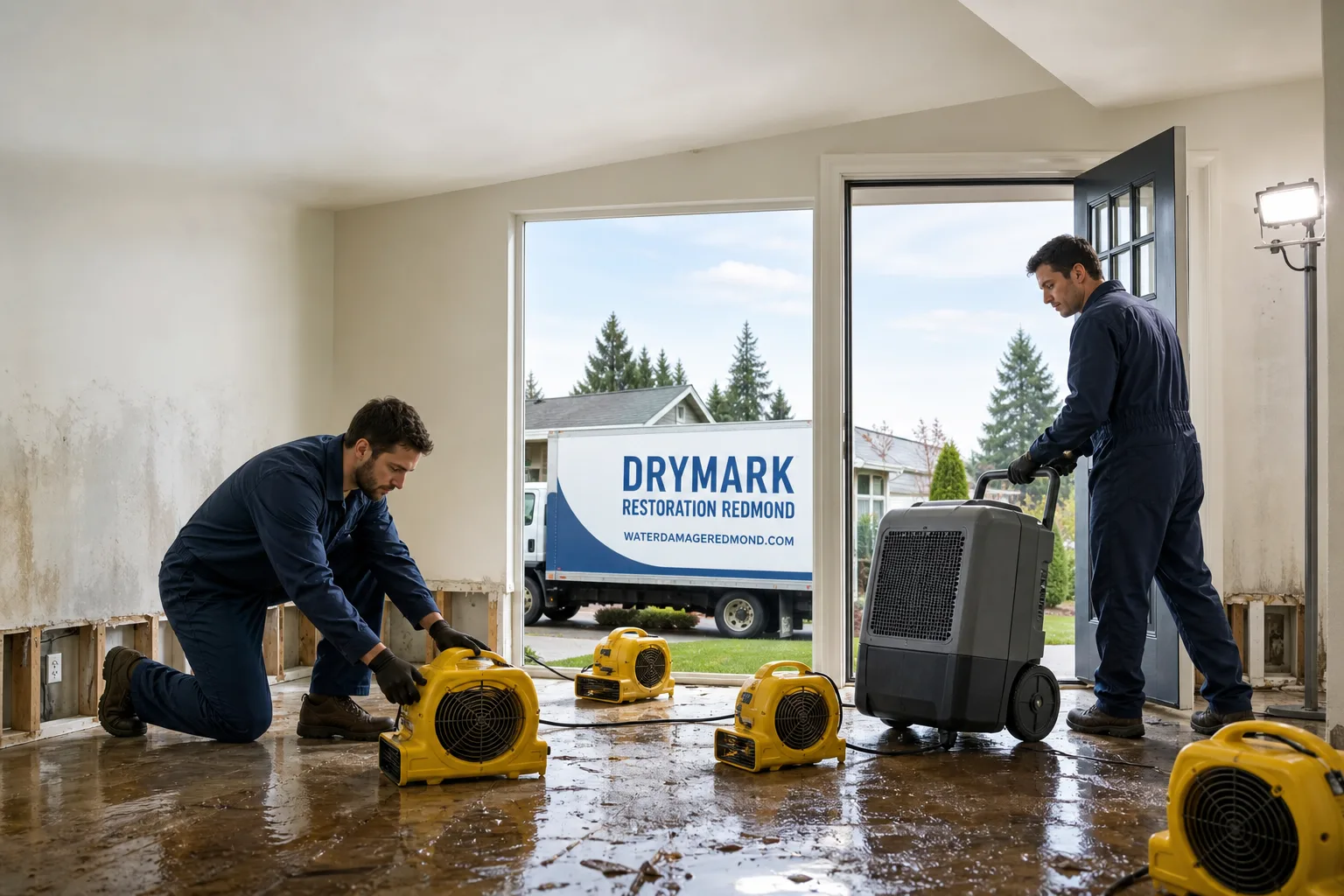
Free visual inspection and a written scope of work before any mitigation begins - photos, moisture readings, and drying logs go in your claim file
The scope we write is the scope we bill. Anything new gets shown to you, in writing, before we touch it.
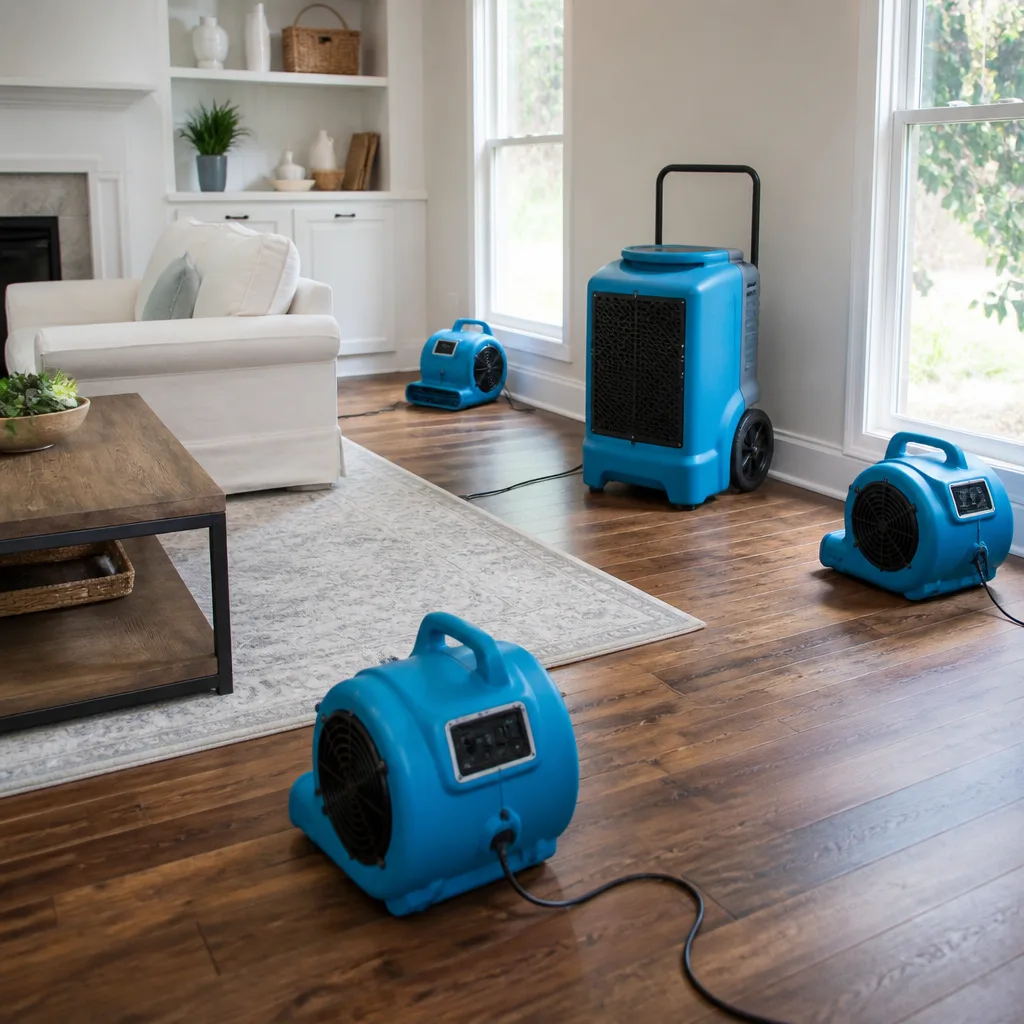
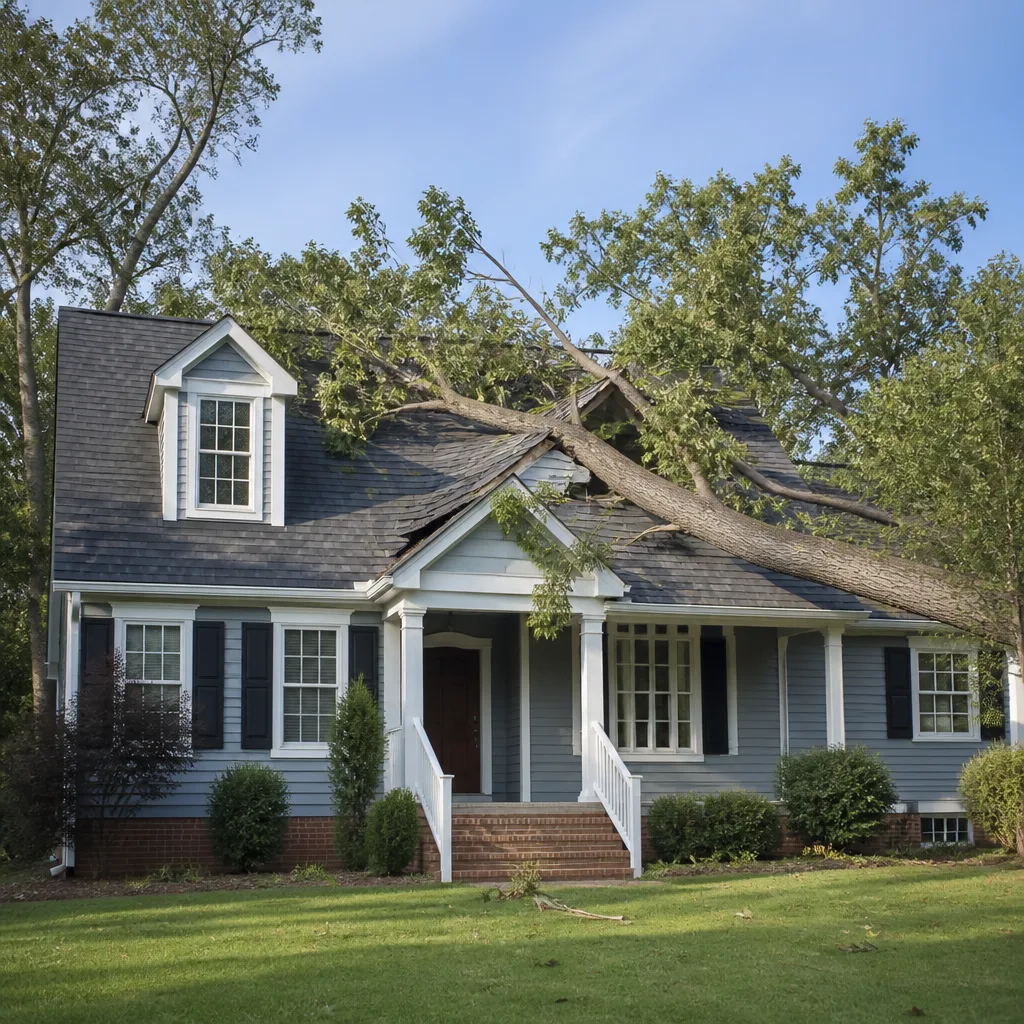
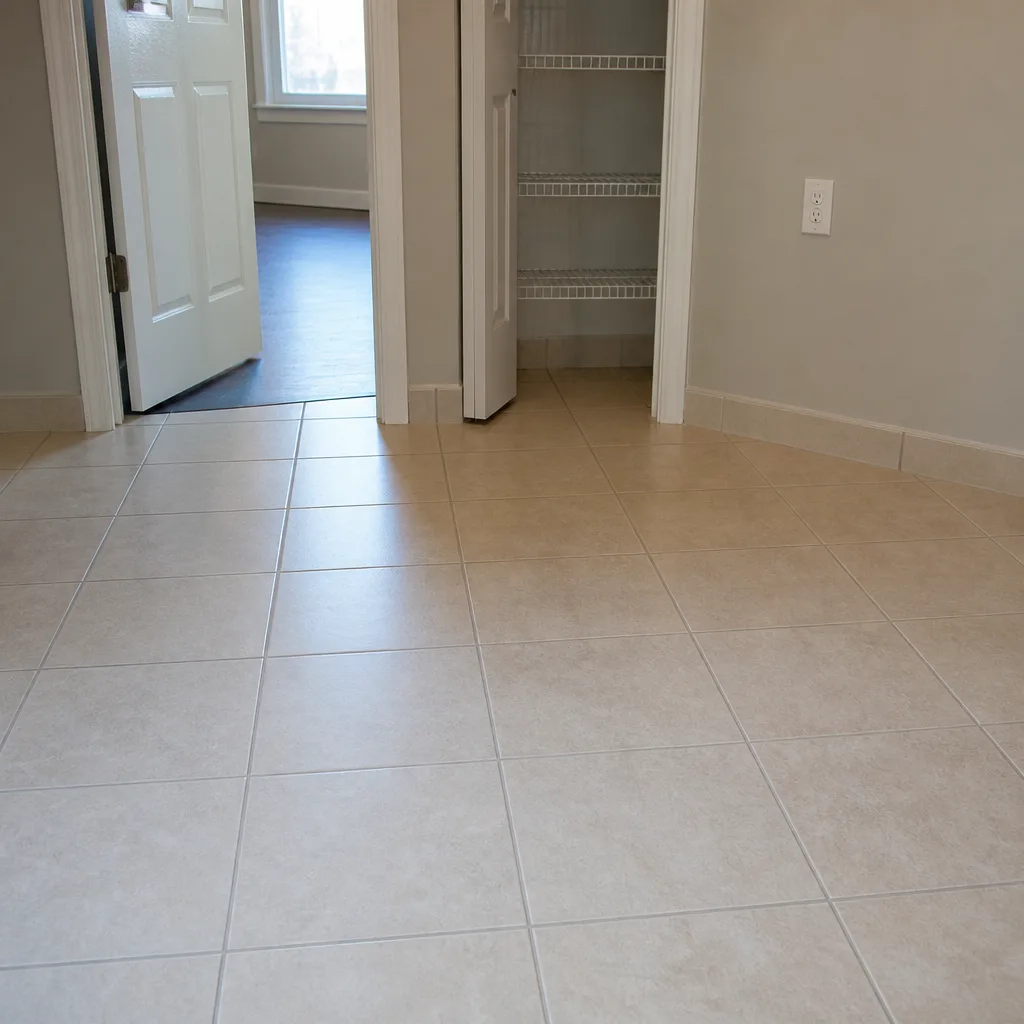
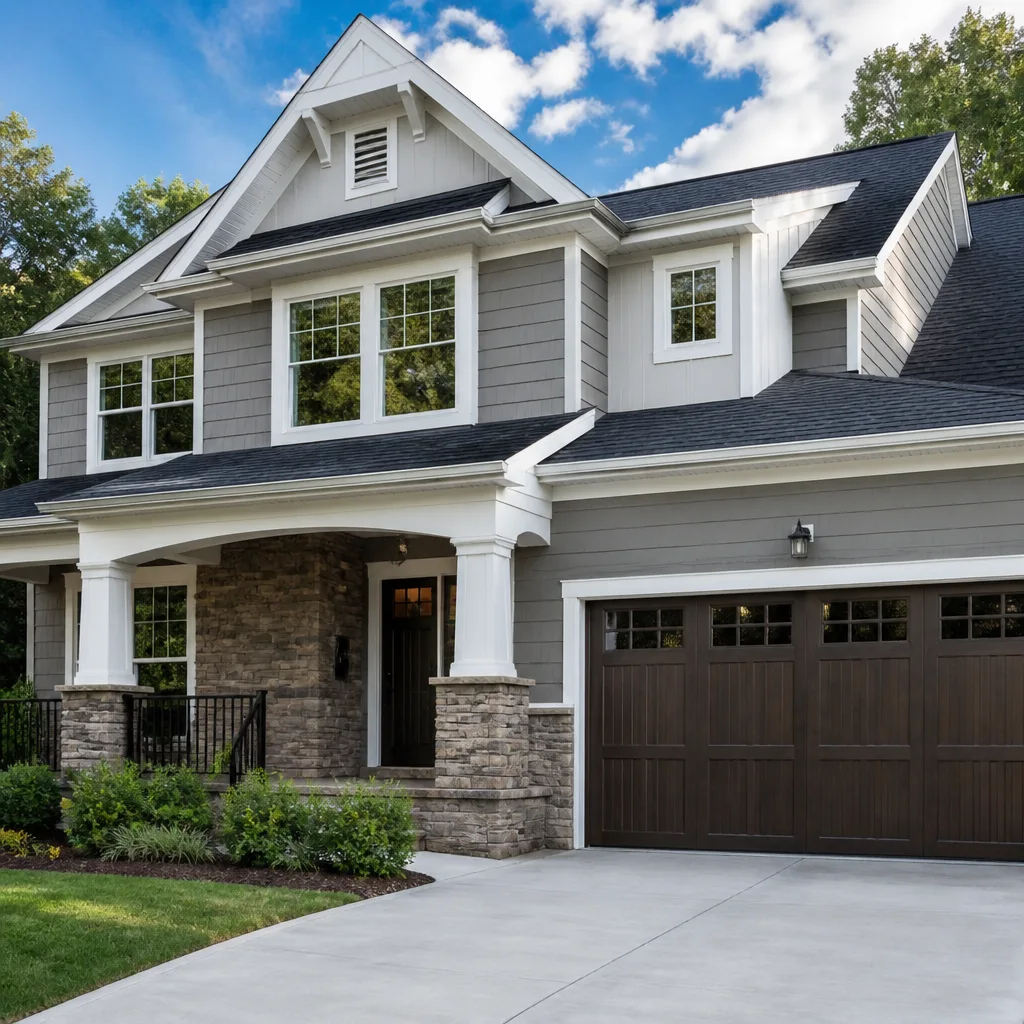
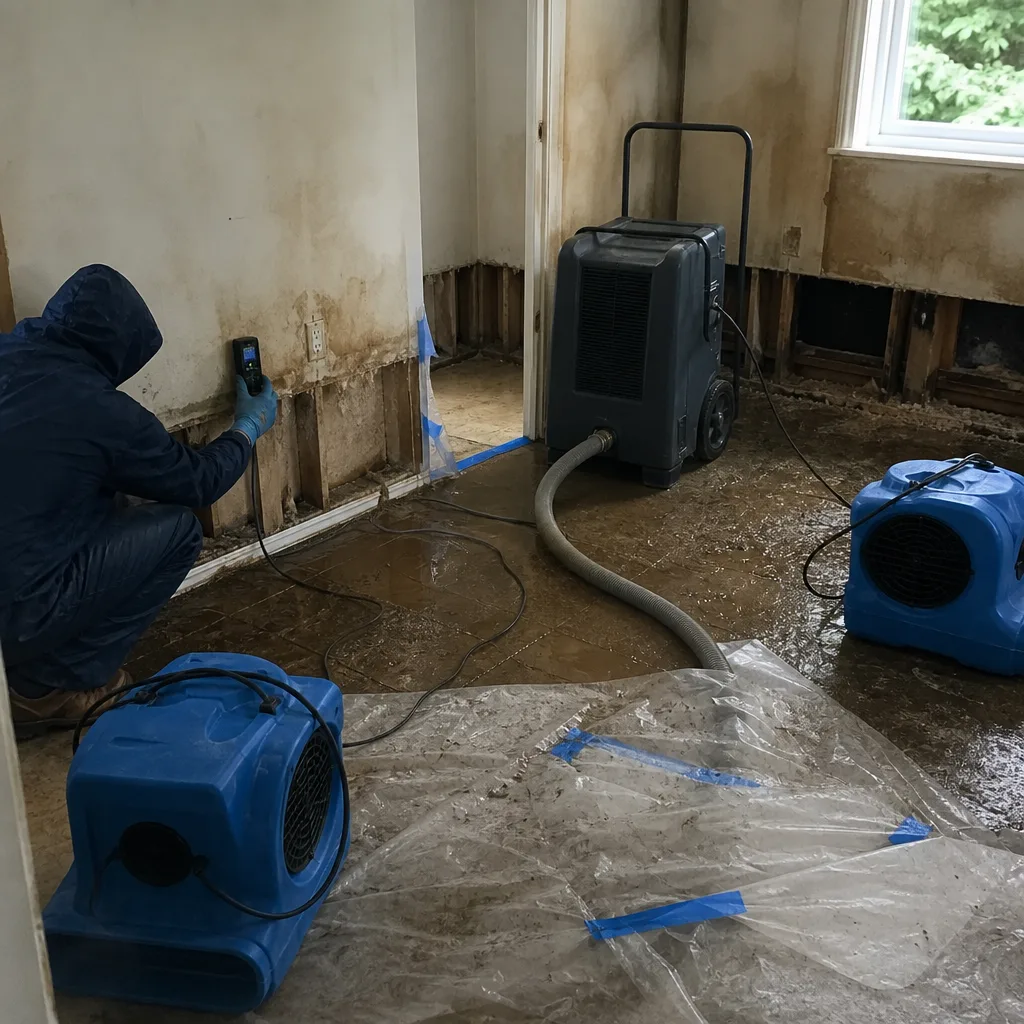 Before
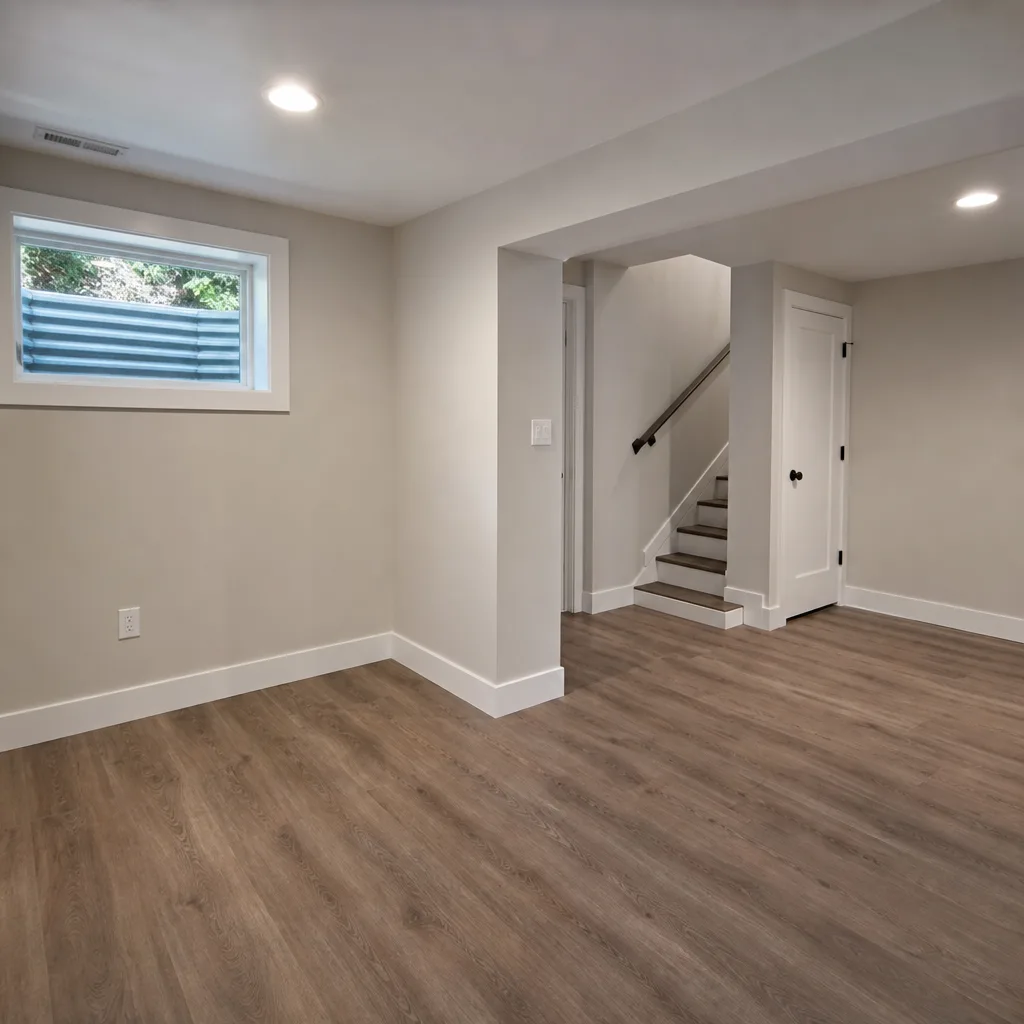 After
After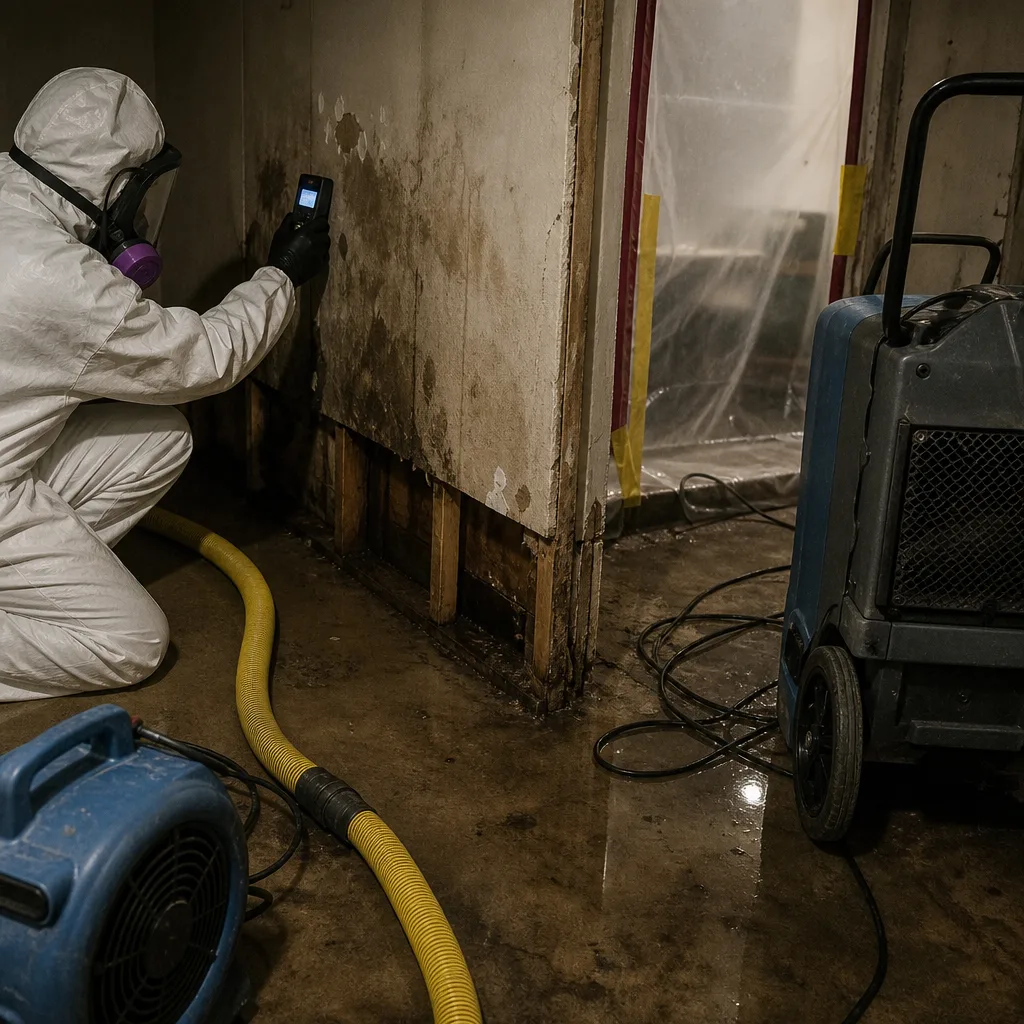 Before
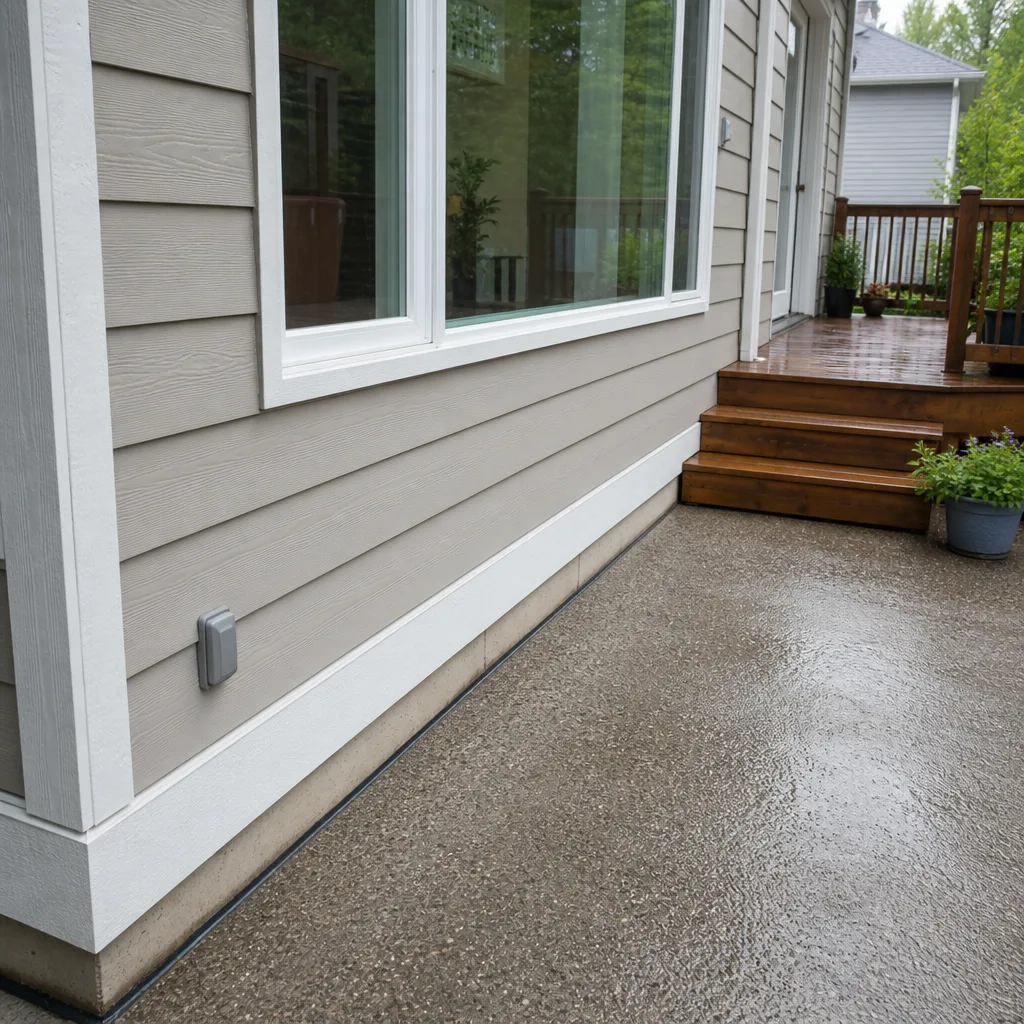 After
After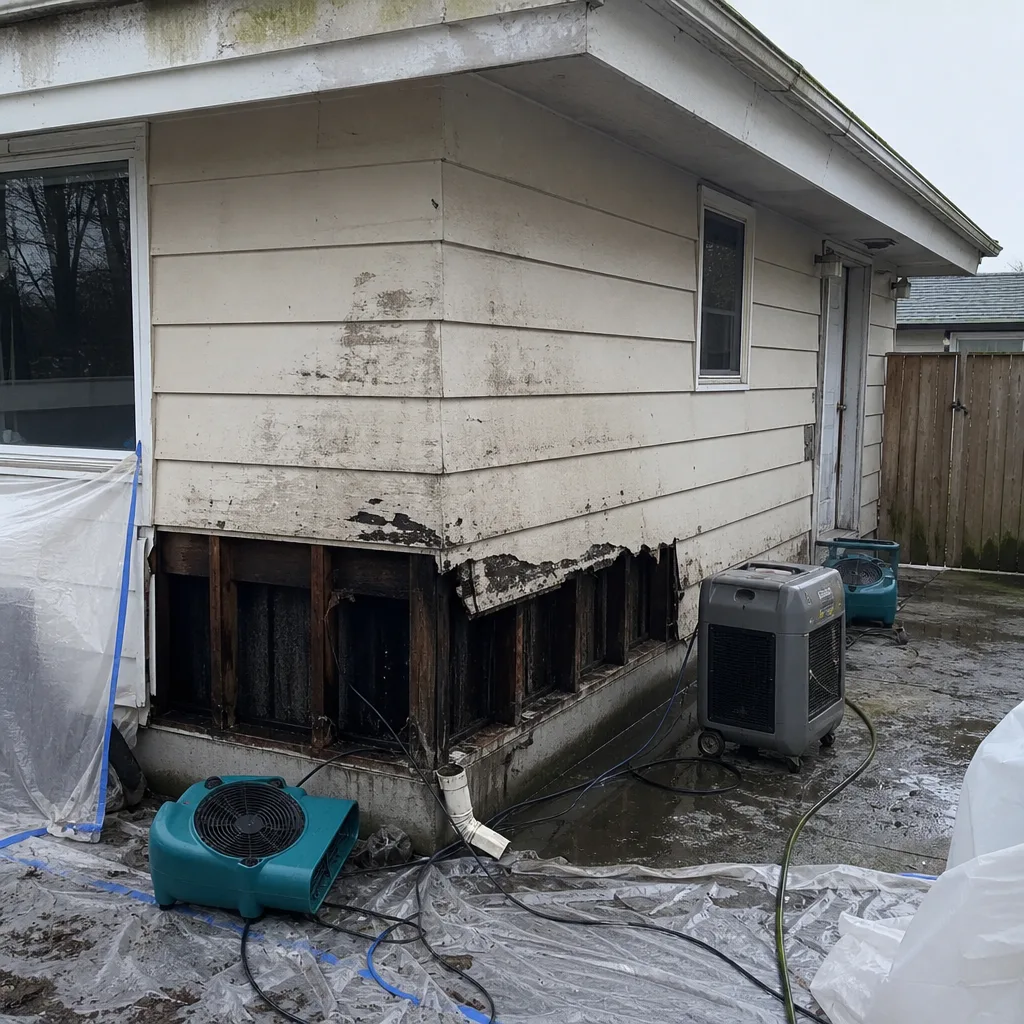 Before
 After
AfterFast, Reliable Mold Remediation Across Manchester
Mold remediation in Manchester typically costs $1,800-$4,500 for contained crawl space or wall-cavity jobs, and $5,500-$12,000 when structural rot in rim joists or subfloor framing requires full reconstruction. Most Manchester inspections are scheduled within 24 hours, with containment setup following the same day for active growth. Call (425) 689-8468 for a written estimate before any work begins.
We know Manchester’s waterfront cottages along Yukon Harbor Road and the steep lots climbing from Beach Drive - the ones with pier-and-beam foundations, minimal subfloor ventilation, and wall cavities that stay damp from Puget Sound marine air even when no pipe has leaked. Our crews serve Manchester from our Seattle office, and we’ve learned that mold here rarely starts from a single event. The chronic condensation in these former summer cabins means remediation without moisture mapping and drying logs almost guarantees the colony returns. That’s why our Mold Remediation team documents every reading.
Why DryMark Restoration Redmond Is Manchester’s Preferred Mold Remediation Company
We’ve restored more than 12,000 homes since 2011, and enough of them have been in Manchester that we keep Dri-Eaz dehumidifiers and Injectidry cavity-drying systems loaded for marine-climate jobs. Homeowners here check reviews before they call - we get it. Our three-star reviews get read too, and they consistently cite the same thing: the crew showed the photo record, explained the moisture log, and stuck to the written price.
Response time to Manchester runs longer than to mainland Kitsap markets. We’re upfront about that. The geographic isolation at the end of the peninsula means our dispatch coordinates crew routing through Port Orchard or ferry-dependent corridors. What we don’t do is leave you with voicemail while water moves through your wall cavities. A live person answers every call, 24 hours a day, 7 days a week.
Alicia Brennan built this company around a documentation gap she saw as a claims adjuster - the gap that costs homeowners their insurance settlements. Every Manchester job gets a written price before work starts (Haven Standard, Clause 1), a photo record on every visit, and a 365-Day Done Right Promise backed by The Haven Standard. Not a verbal assurance. A signed guarantee.
Our Mold Remediation Services in Manchester
Mold Inspection & Testing
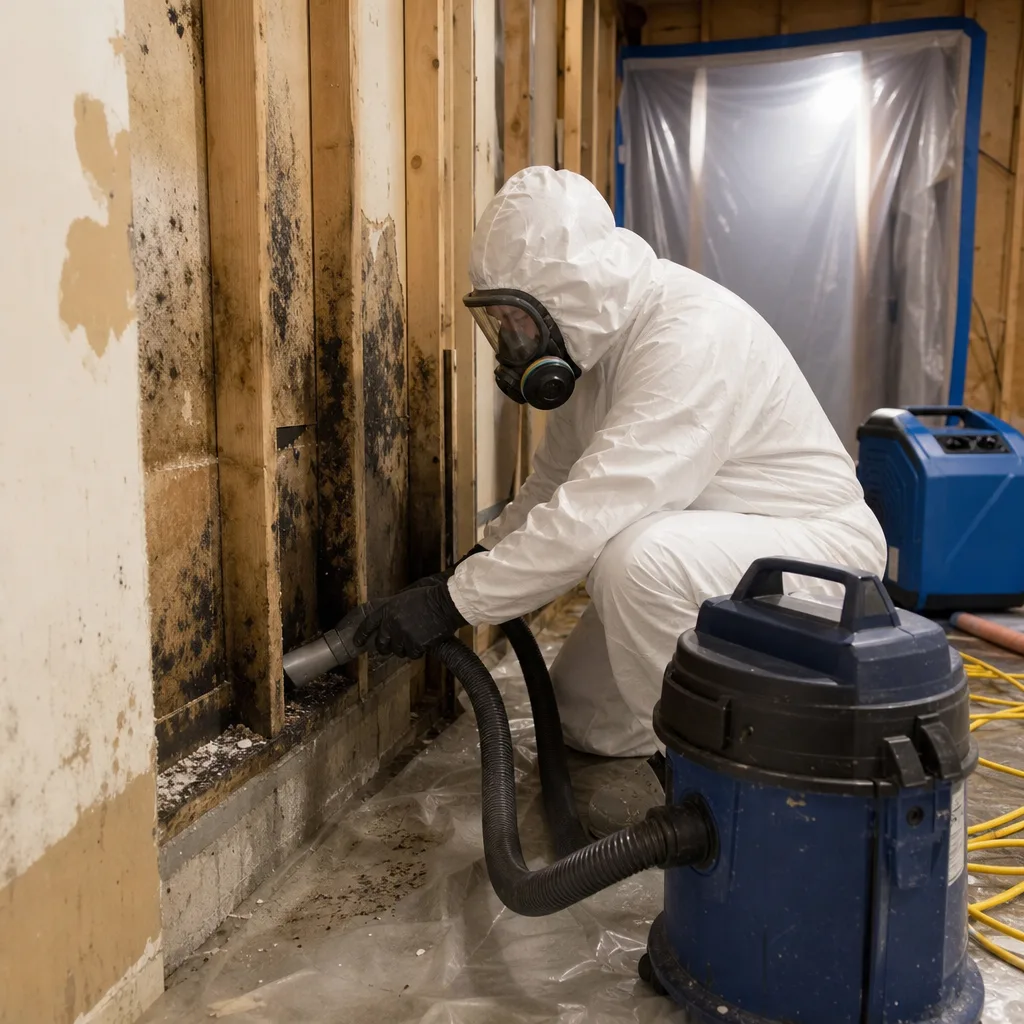
Manchester inspections start with moisture mapping, not guesswork. We use thermal imaging and penetrating moisture meters to find where Puget Sound marine air has condensed inside wall cavities - particularly on north-facing elevations and in crawl spaces beneath pier-and-beam cottages. Air and surface sampling follows when visible growth is present or when occupants report musty odors without an obvious source. Typical inspection cost in Manchester: $350-$650. You’ll receive a written scope with photo documentation, moisture readings by location, and a clear distinction between Category 1, 2, or 3 water conditions.
Mold Removal
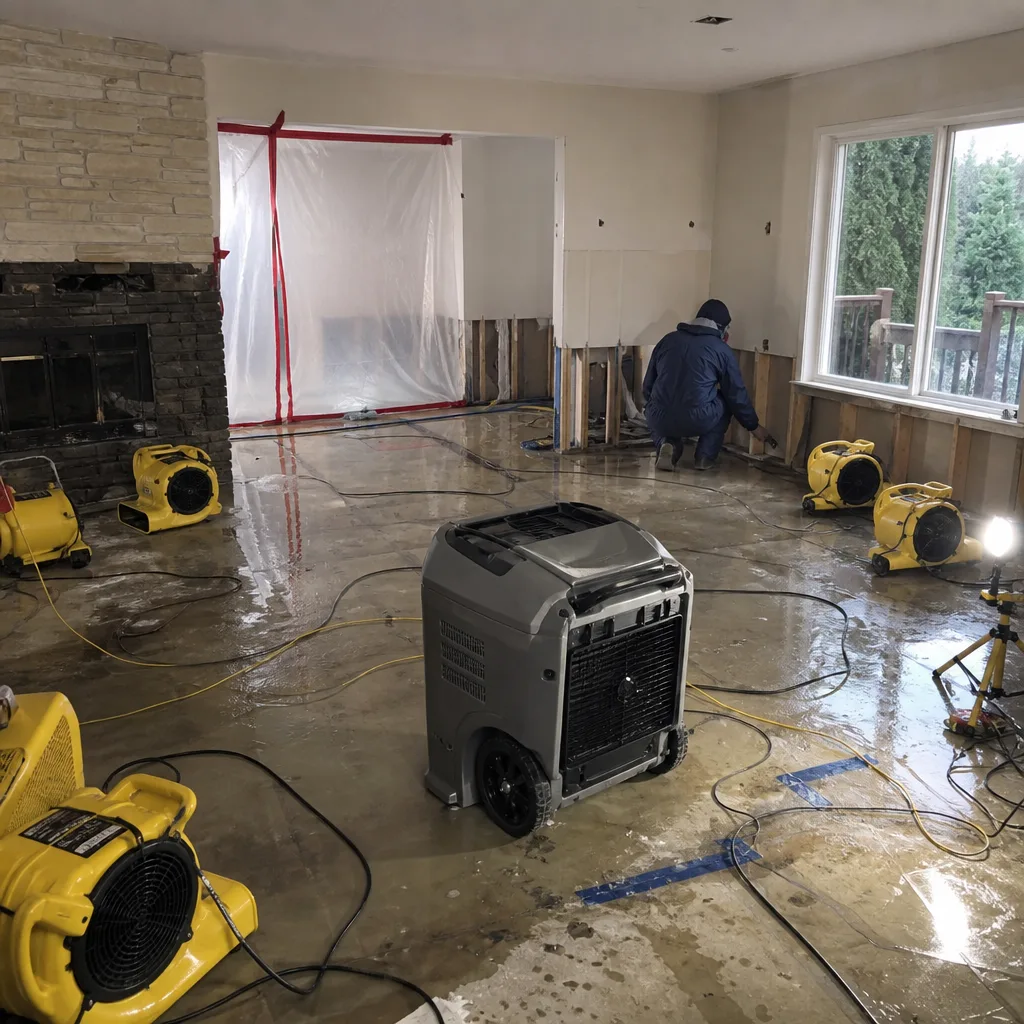
Removal in Manchester often means more than drywall demolition. The colony you smell in the living room may have originated in the crawl space, where unvented rim joists wick salt-laden marine moisture year-round. Our crews establish containment with HEPA-negative air pressure, remove contaminated materials per IICRC S520 standards, and treat remaining structural members with antimicrobial agents. We don’t remove drywall before identifying water category - Category 1 materials can often be dried in place, saving the homeowner unnecessary reconstruction cost.
Black Mold Remediation
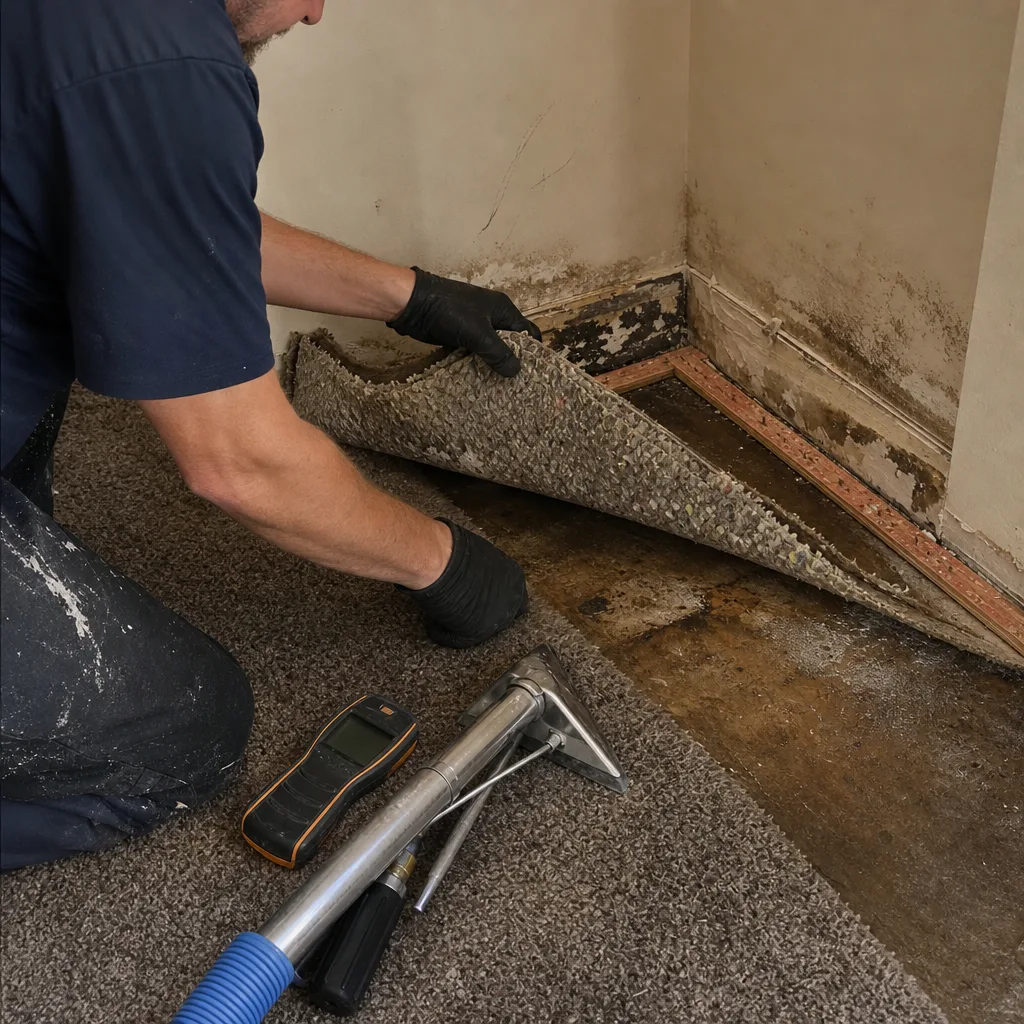
Stachybotrys and other toxigenic species thrive in Manchester’s chronically damp wall cavities, particularly where aging cedar shingle siding has degraded and allows bulk water intrusion during fall windstorms. Black mold remediation here requires full containment, personal protective equipment rated for mycotoxin exposure, and disposal as regulated waste. The critical step most competitors skip: confirming the moisture source is eliminated through daily drying logs, not visual inspection alone. A wall that looks dry can still harbor 18% wood moisture content - well above the 16% threshold where mold reactivates.
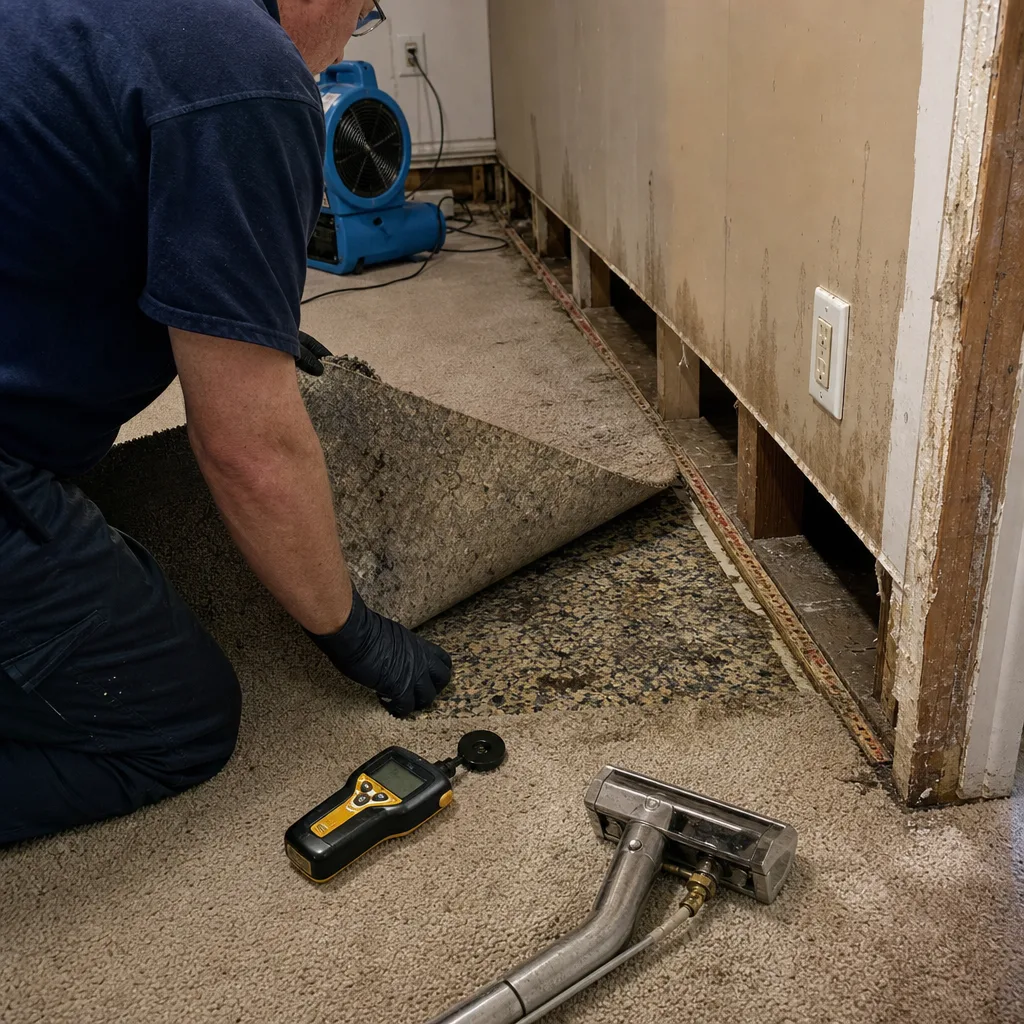
Air Quality Restoration
After remediation, Manchester homes need more than a wipedown. We deploy HEPA air scrubbers and calculate air changes per hour based on room volume, then verify results with post-remediation air sampling. The goal isn’t just odor removal - it’s documenting that airborne spore counts have returned to background levels, a deliverable that matters when you’re filing an insurance claim or selling a waterfront property with disclosure obligations.
Crawl Space Treatment
This is where Manchester diverges from every nearby market. The pier-and-beam waterfront cottages off Yukon Harbor Road and Beach Drive have crawl spaces that were never designed for year-round habitation - no vapor barrier, no cross-ventilation, and rim joists that sit within inches of seasonally damp soil. Our crawl space treatment includes subfloor moisture mapping, rim joist antimicrobial application, and installation of mechanical dehumidification where the existing structure can’t achieve adequate passive ventilation. We treat what you can’t see, because in Manchester, that’s where the problem started.
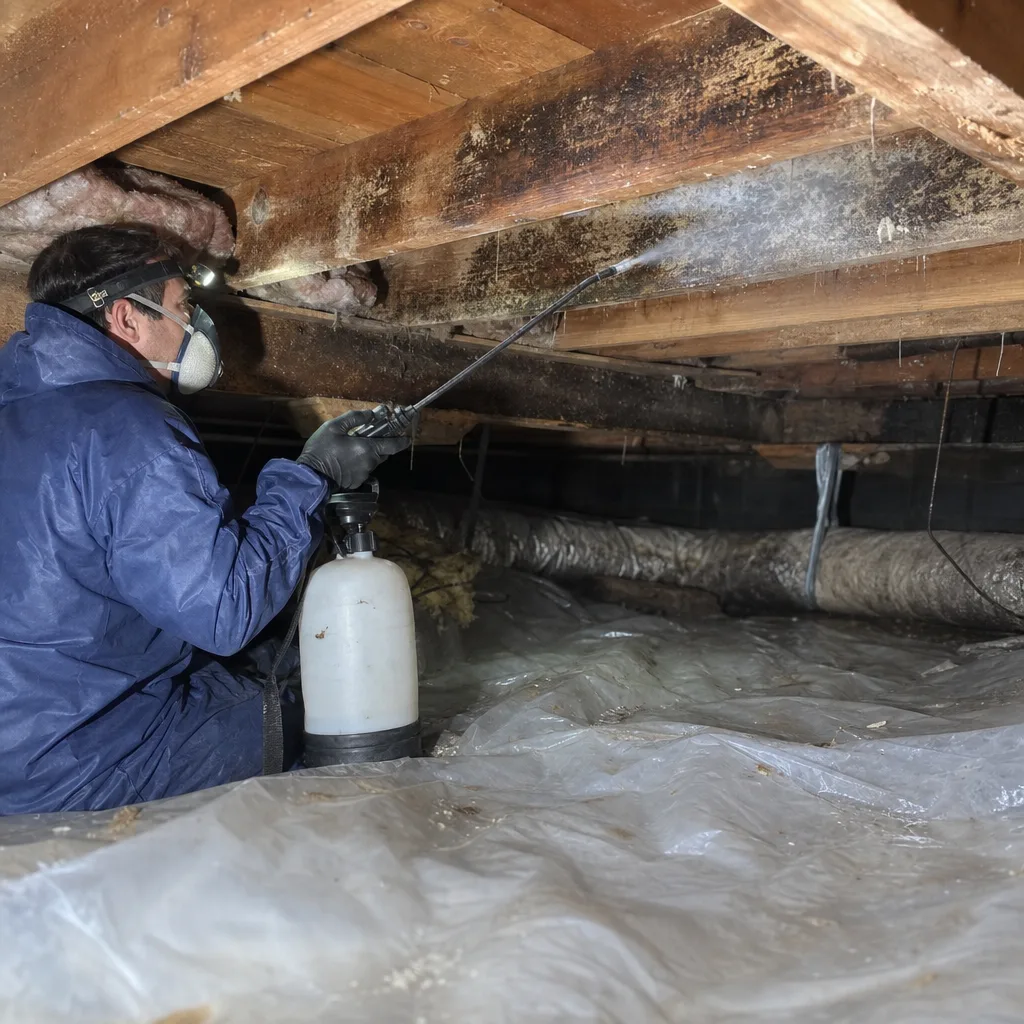
Moisture & Humidity Control
Long-term mold prevention in Manchester requires managing the marine-air load, not just fixing the last leak. We install and monitor Dri-Eaz and Phoenix dehumidification systems sized to the cubic footage and air infiltration rate of these older structures, then provide psychrometric data - temperature, relative humidity, and vapor pressure differential - in plain language you can use for your insurance file or your own records. Vapor pressure differential is simply the force that drives moisture through building materials; when it’s too high, walls breathe in damp air even with no visible leak.
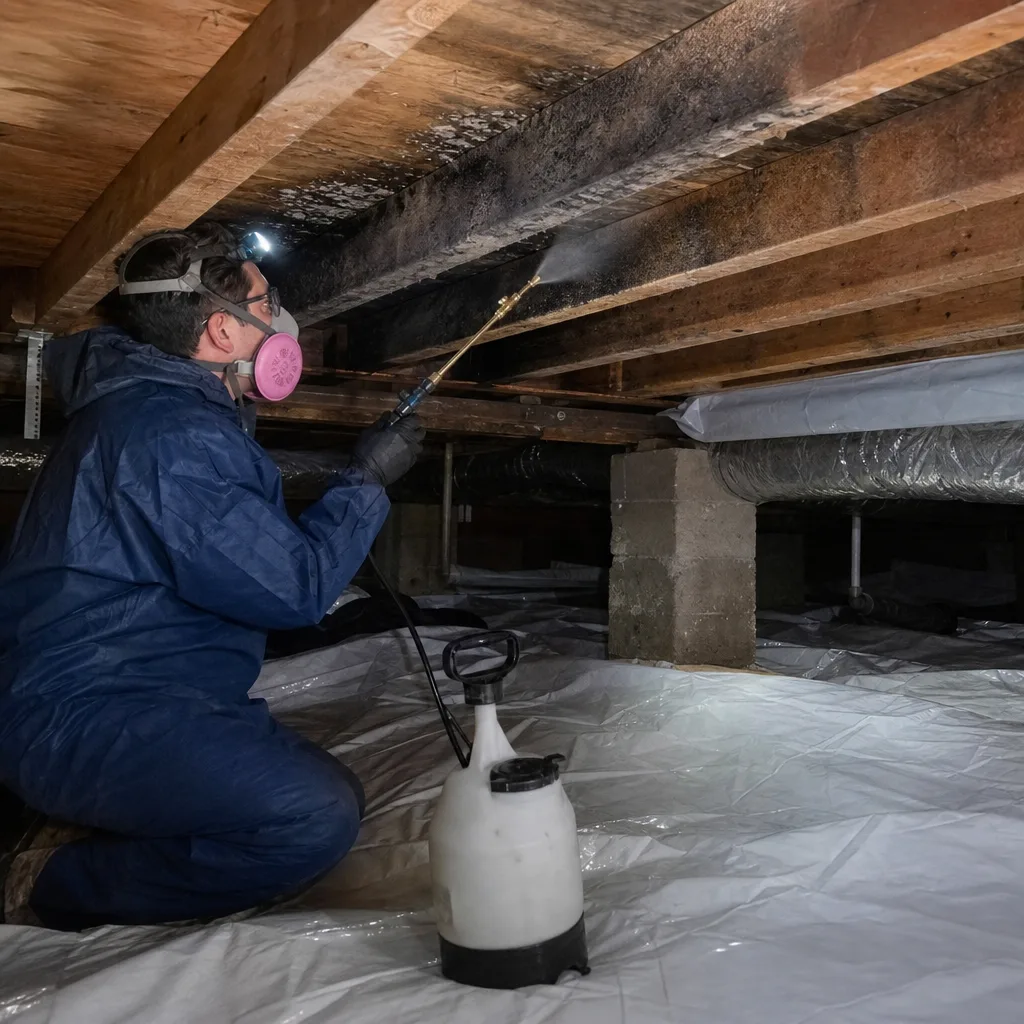
What happens when you call
- 1
A real person answersNo phone trees - you reach a local pro.
- 2
You get an upfront price rangeHonest numbers before anyone is dispatched.
- 3
A background-checked tech heads outLicensed & insured, dispatched right away.
- 4
You approve before work beginsNothing starts until you say go.
 Before
 After
AfterTrusted Brands We Service in Manchester
Our equipment inventory reflects what Manchester’s marine climate demands: Dri-Eaz and Phoenix dehumidifiers for high-grain conditions, Injectidry systems for cavity drying without destructive demolition, and XPOWER and B-Air air movers for rapid evaporation in enclosed crawl spaces. We stock HEPA filtration and antimicrobial application supplies locally rather than waiting on the long haul through Port Orchard, which means containment goes up faster when a windstorm has breached your roof and every hour of delay lets mold colonize another section of subfloor.
Common Mold Remediation Problems We See in Manchester Homes
- Assuming a single leak is the cause. In Manchester’s marine-air environment, wall cavities stay perpetually damp from condensation alone. Mold returns unless moisture mapping and daily drying logs confirm the assembly has reached pre-loss equilibrium - not just “looks dry.”
- Skipping crawl space and rim joist treatment. The visible mold is above grade, so the contractor treats drywall and calls it done. Six months later, the colony reappears because the pier-and-beam foundation was never addressed. We map below the subfloor on every Manchester job.
- Treating storm damage as cosmetic roof repair. A tarp stops the rain, but without containment and structural drying, category 2 water wicks through unvented rim joists and breeds mold within 48 hours. In Manchester, the supply-line delay makes same-day containment disproportionately critical.
- Removing materials before identifying water category. Category 1 water from a clean source can often be dried. Category 3 requires removal. The difference saves thousands in unnecessary reconstruction - but only if someone tests before swinging the hammer.
Pricing for Mold Remediation in Manchester, WA
Mold inspection and testing in Manchester runs $350-$650. Contained crawl space or single-wall remediation: $1,800-$4,500. Jobs requiring rim joist or subfloor reconstruction after rot: $5,500-$12,000. Whole-structure treatment for extensive colonization in older waterfront cottages: $15,000-$28,000.
What moves you up or down within these ranges: square footage of affected area, whether materials can be dried or must be removed (Category 1 vs. Category 3), accessibility of crawl spaces on steep Manchester lots, and whether structural repairs are needed after remediation. Every job gets a written price before work begins - Haven Standard, Clause 1. No exceptions. We also provide a Free Second Opinion on any competitor’s written estimate.
Call (425) 689-8468. Estimates are free, and the price you receive is the price you pay.
We Also Serve Cities Near Manchester
Our crews travel throughout the central Puget Sound region for mold remediation, including Manchester, Bainbridge Island, Seattle, Mercer Island, and Bellevue. Response times and routing vary by ferry schedules and bridge access; we’ll tell you honestly what to expect when you call.
Serving Manchester, WA - Our Local Coverage Area
We’re based in the Manchester area and know this community well. Use the map below to see our service coverage - if you’re nearby, we can almost certainly help.
FAQs - Mold Remediation in Manchester
Mold colonization begins 24 to 48 hours after moisture intrusion in Manchester’s uninsulated wall cavities, which stay warm enough from interior heating to accelerate spore germination even in winter. The lack of vapor barriers means water wicks laterally through sheathing rather than draining, so the affected area spreads faster than in conventionally built homes. Call (425) 689-8468 for same-day containment setup - our written estimate comes before any equipment is deployed.
Salt-laden marine air keeps wood moisture content elevated year-round, and pier-and-beam construction puts rim joists in direct contact with damp crawl space air. By the time mold is visible inside, the structural members below have often been compromised for months or years. Our moisture mapping with penetrating meters finds this before demolition starts, so your written scope includes the full repair - no surprises once work begins.
Yes. These crawl spaces were built for seasonal use with no vapor barrier and minimal ventilation, so we treat them as the primary moisture source rather than an afterthought. Our protocol includes subfloor moisture mapping, rim joist antimicrobial treatment, and mechanical dehumidification where passive ventilation can’t achieve drying goals. The documentation goes to your insurance file as standard, not as an upsell.
Water category and contamination level, measured at the source and documented with photo evidence. Category 1 - clean water from a supply line - can usually be dried in place with Dri-Eaz dehumidification and air movers. Category 2 or 3, or any material saturated for more than 48 hours in Manchester’s humid conditions, typically requires removal per IICRC standards. We test before we decide, and we put the determination in writing before work starts.
Manchester’s geographic isolation means restoration supply depots are a long haul through Port Orchard or a ferry crossing away. If a crew arrives without containment materials pre-loaded, the delay while sourcing supplies lets secondary water damage progress to full structural loss. We dispatch with containment and drying equipment already staged, because the first 24 hours determines whether this stays a remediation job or becomes a reconstruction.
Written by Alicia Brennan, Owner at Back to Dry Restoration, serving Manchester since 2011 under The Haven Standard.