
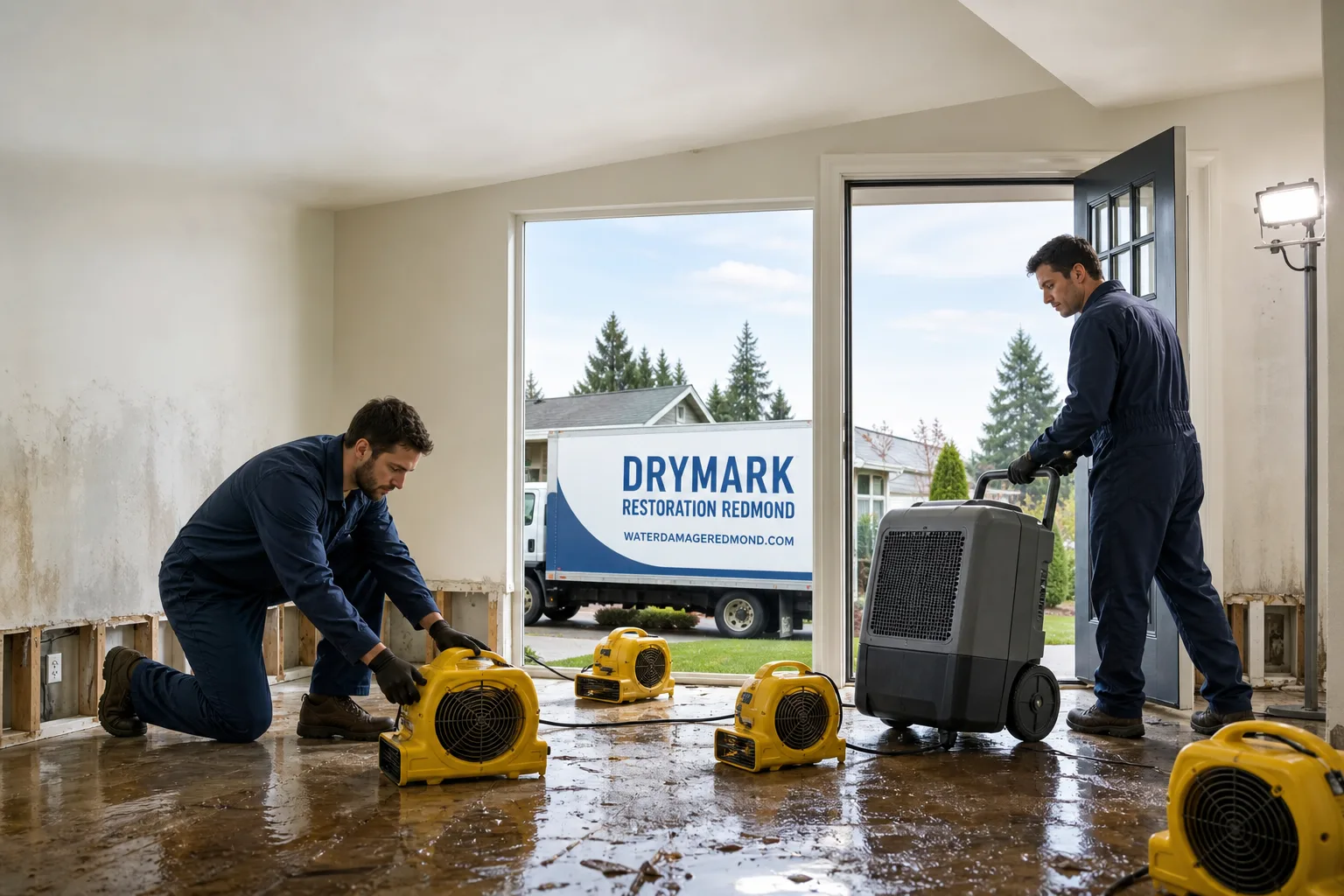
Free visual inspection and a written scope of work before any mitigation begins - photos, moisture readings, and drying logs go in your claim file
The scope we write is the scope we bill. Anything new gets shown to you, in writing, before we touch it.
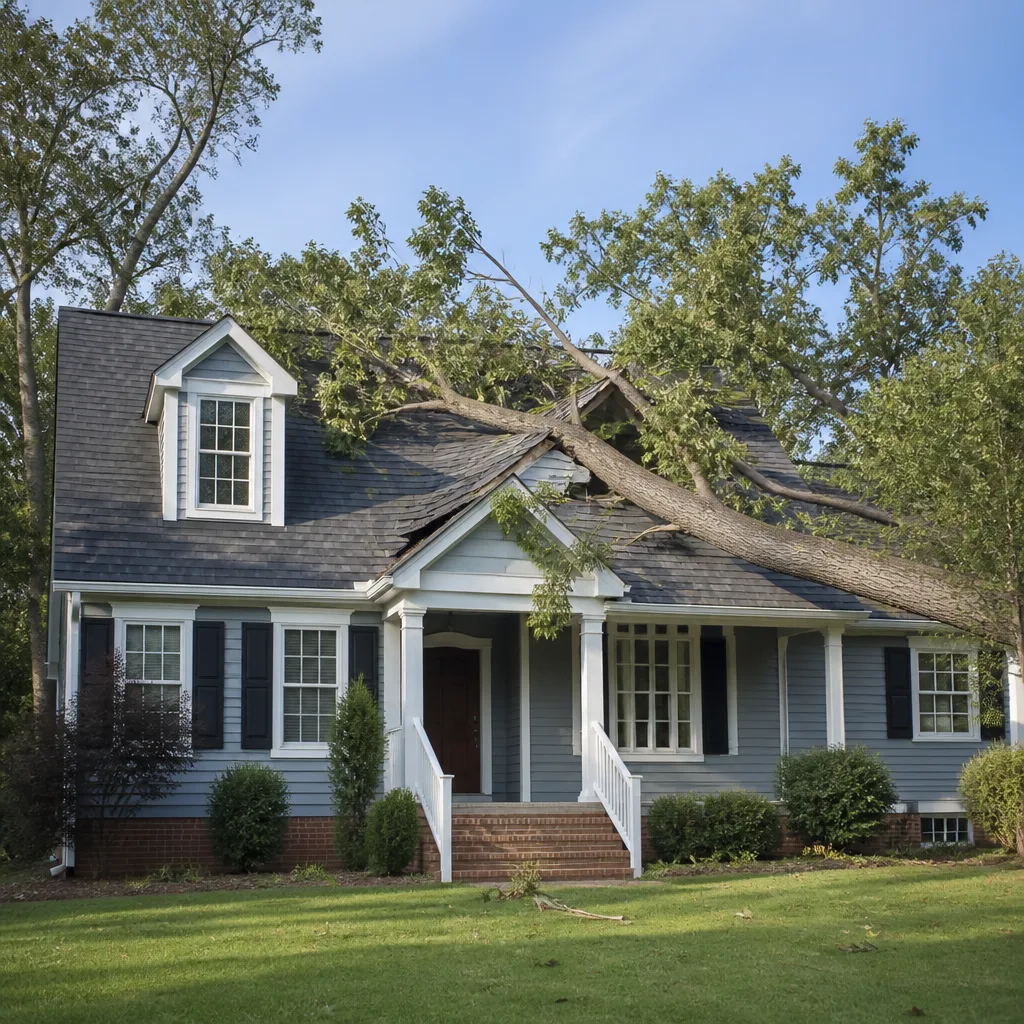
 Before
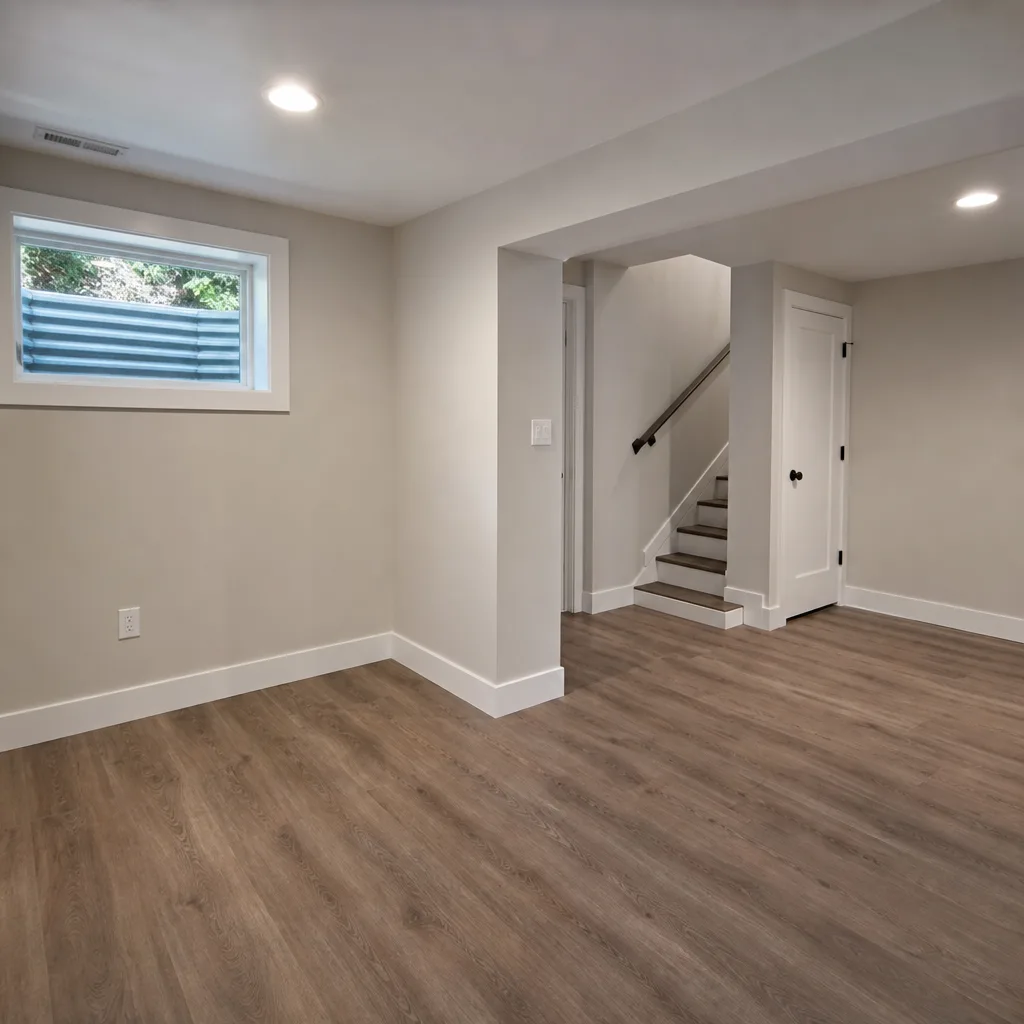 After
After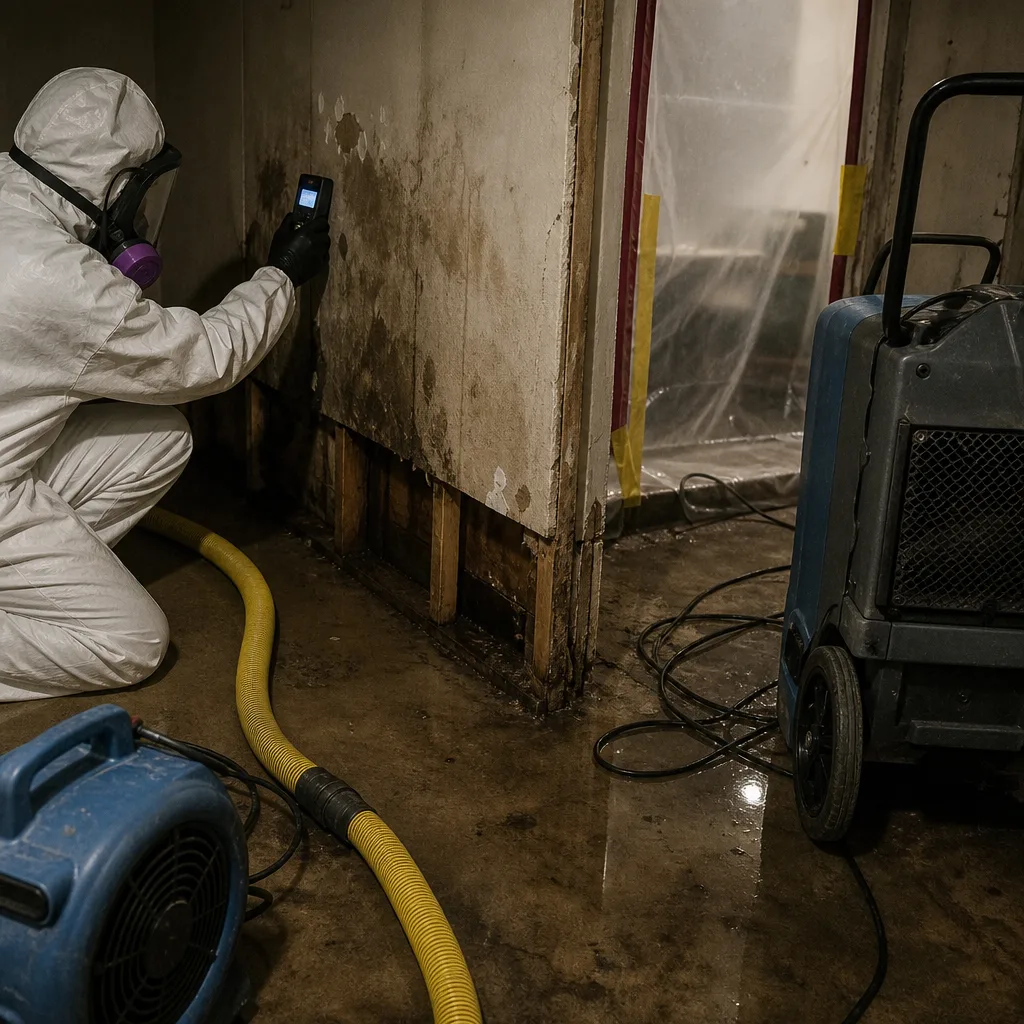 Before
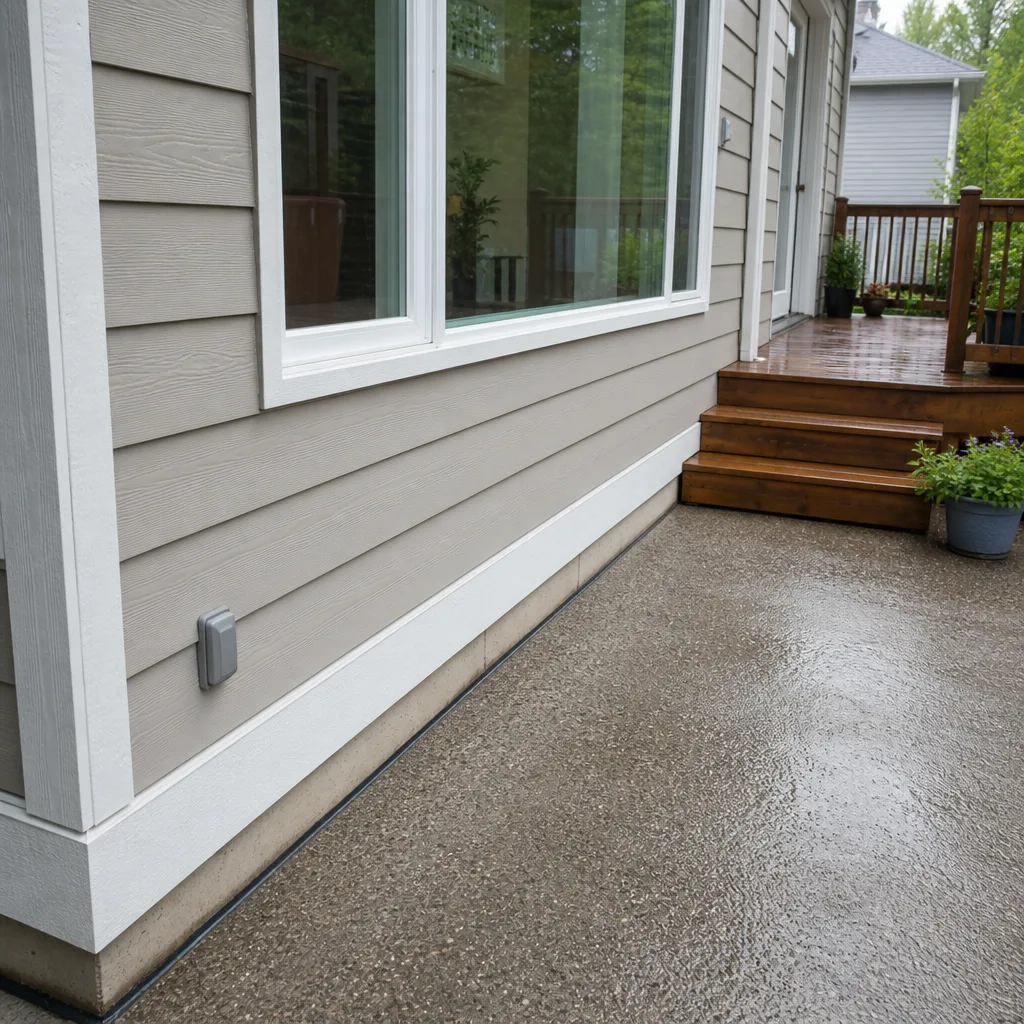 After
After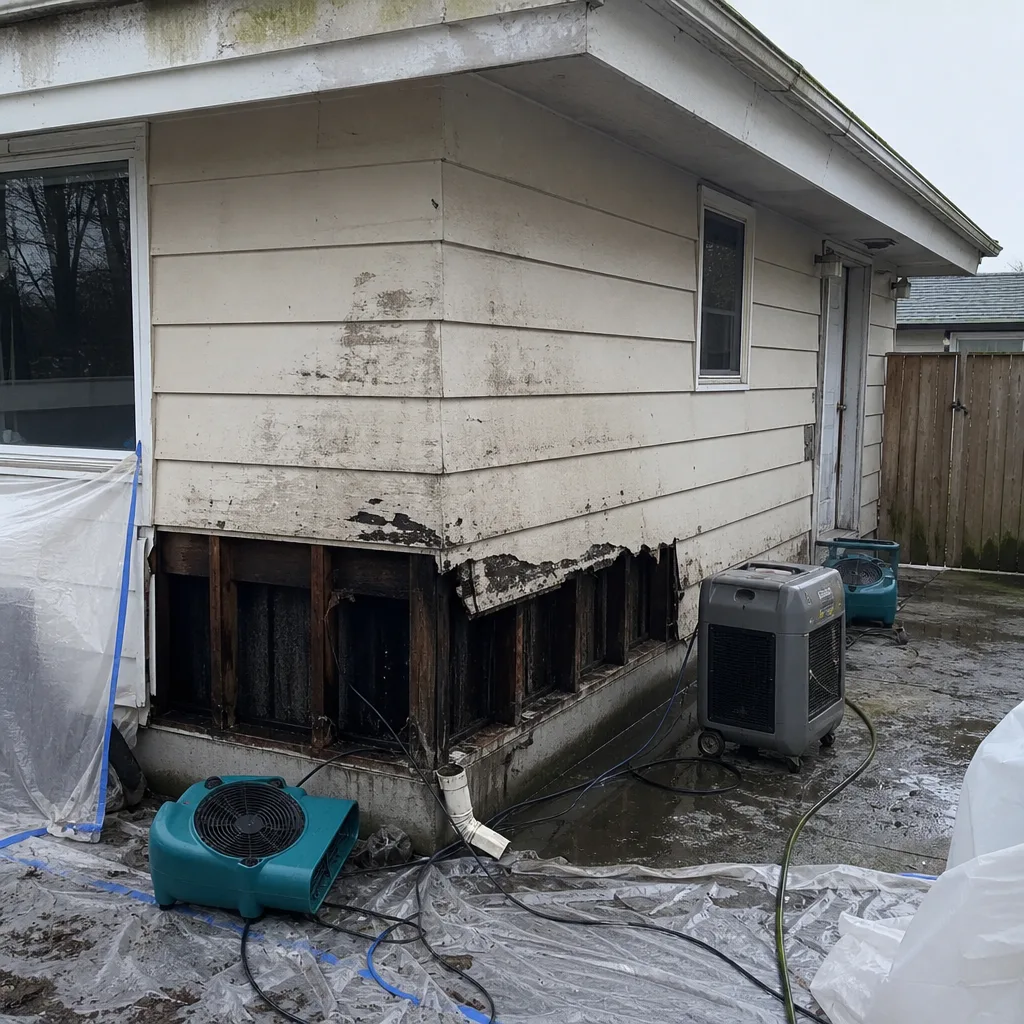 Before
 After
AfterFast, Reliable Mold Remediation Across Monroe
Mold remediation in Monroe typically runs $1,800-$6,500 depending on contamination extent, with crawl space projects averaging $2,800-$4,200 and whole-structure treatments reaching the upper range. We’re DryMark Restoration Redmond, and our crews serve Monroe from our Seattle office, usually arriving within 45-60 minutes for active emergencies. If you’re smelling mustiness in a vented crawl space off Old Owen Road or spotting discoloration after the last Skykomish rise, call (425) 689-8468 - estimates are free, and we deliver a written price before anyone starts work, every time, under The Haven Standard, Clause 1.
Why DryMark Restoration Redmond Is Monroe’s Preferred Mold Remediation Company
We’ve restored more than 12,000 homes since 2011, many of them right here in Monroe’s flood-prone valley. Our owner, Alicia Brennan, founded this company as a former claims adjuster who watched homeowners lose legitimate mold claims over missing documentation - daily drying logs, photo records, written scopes. That won’t happen on our jobs.
Monroe customers find us because we’ve handled the specific nightmare this town delivers: river water in a crawl space, silt-packed insulation, and an adjuster who needs Category 3 blackwater protocol documentation to approve the invoice. Our technicians are background-checked, uniformed, and licensed, with license numbers provided on request. A live person answers every call, 24 hours a day, 7 days a week - no voicemail while your subfloor is wicking moisture.
We document to IICRC, RIA, and IFA standards. Every visit produces a photo record. Every job carries our 365-Day Done Right Promise under The Haven Standard. And if another contractor already gave you a written estimate, we’ll review it free - Haven Standard, Second Opinion Clause.
Our Mold Remediation Services in Monroe
Mold Inspection & Testing
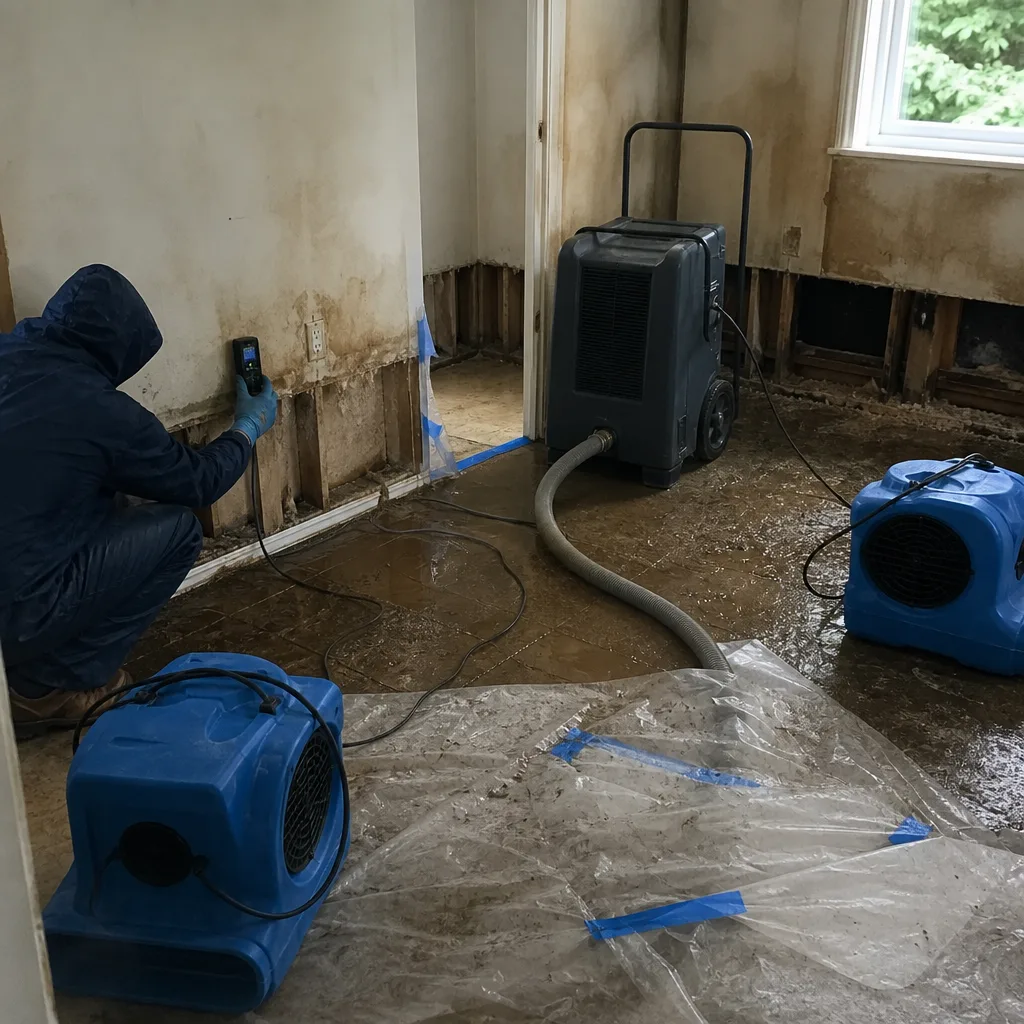
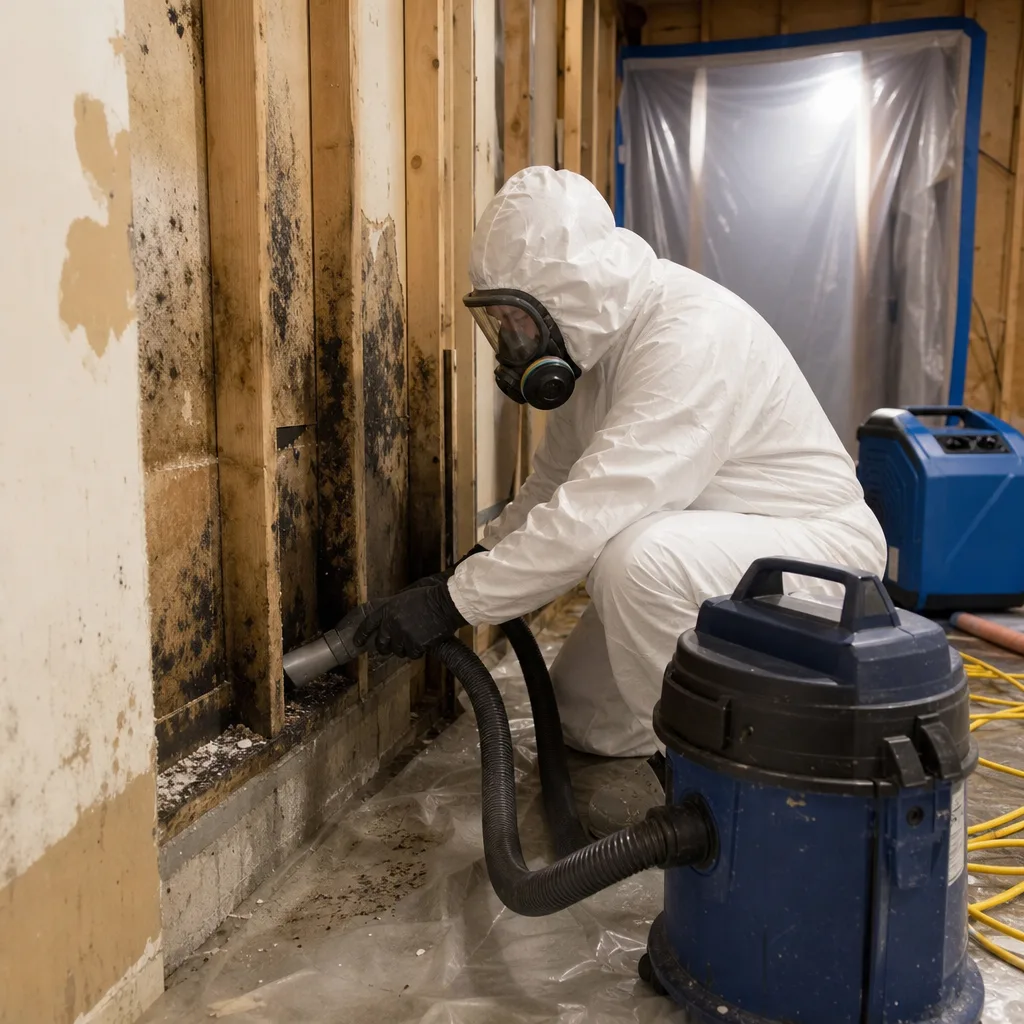
Monroe’s older housing stock hides problems. A 1950s ranch on Maple Street can read normal on a surface check while the rim joists behind the vapor barrier carry active colonization. We use moisture meters, boroscopes, and air sampling to find what visual inspections miss. Our written scope identifies affected square footage, material classification, and the psychrometric data - temperature, relative humidity, vapor pressure differential - that determines whether your structure is actually dry or just superficially so. You’ll get that scope before work begins, with a price attached, per Haven Standard, Clause 1.
Black Mold Remediation
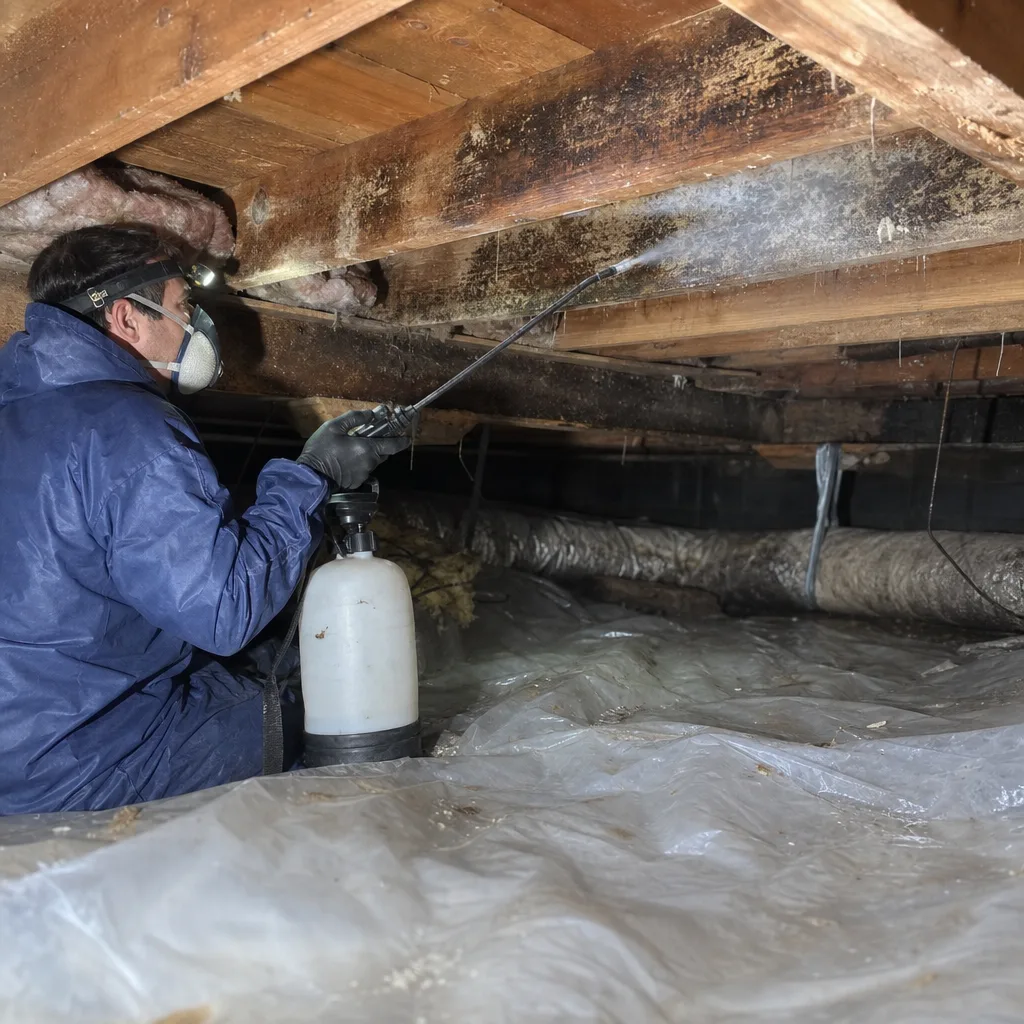
Stachybotrys and other toxigenic species thrive in Monroe’s saturated crawl spaces after Skykomish flooding. Black mold remediation here isn’t a surface wipe - it’s containment, negative air pressure with HEPA filtration, antimicrobial treatment, and verified clearance sampling. We treat Monroe’s post-flood blackwater intrusions as Category 3 from the start, not a downgradeable Category 1 or 2. That documentation choice protects your health and your NFIP claim.
Crawl Space Treatment
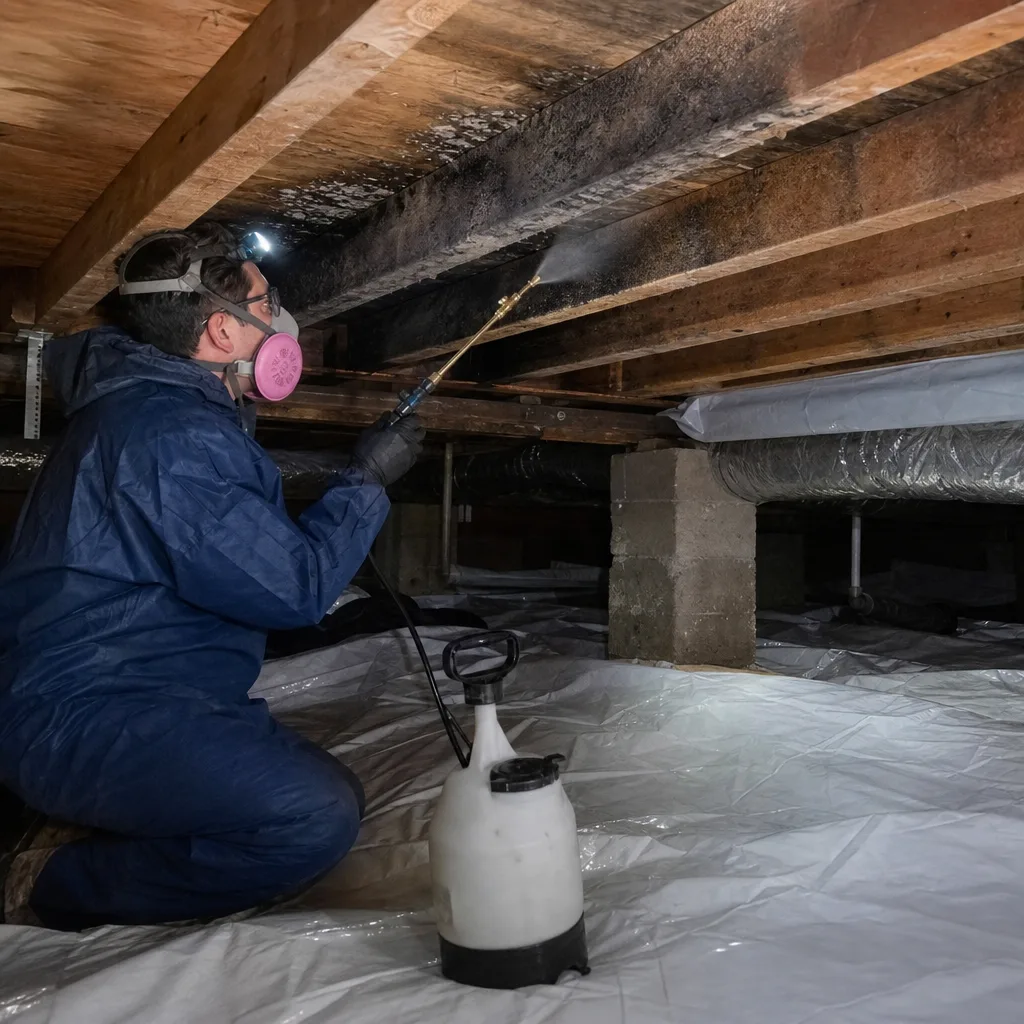
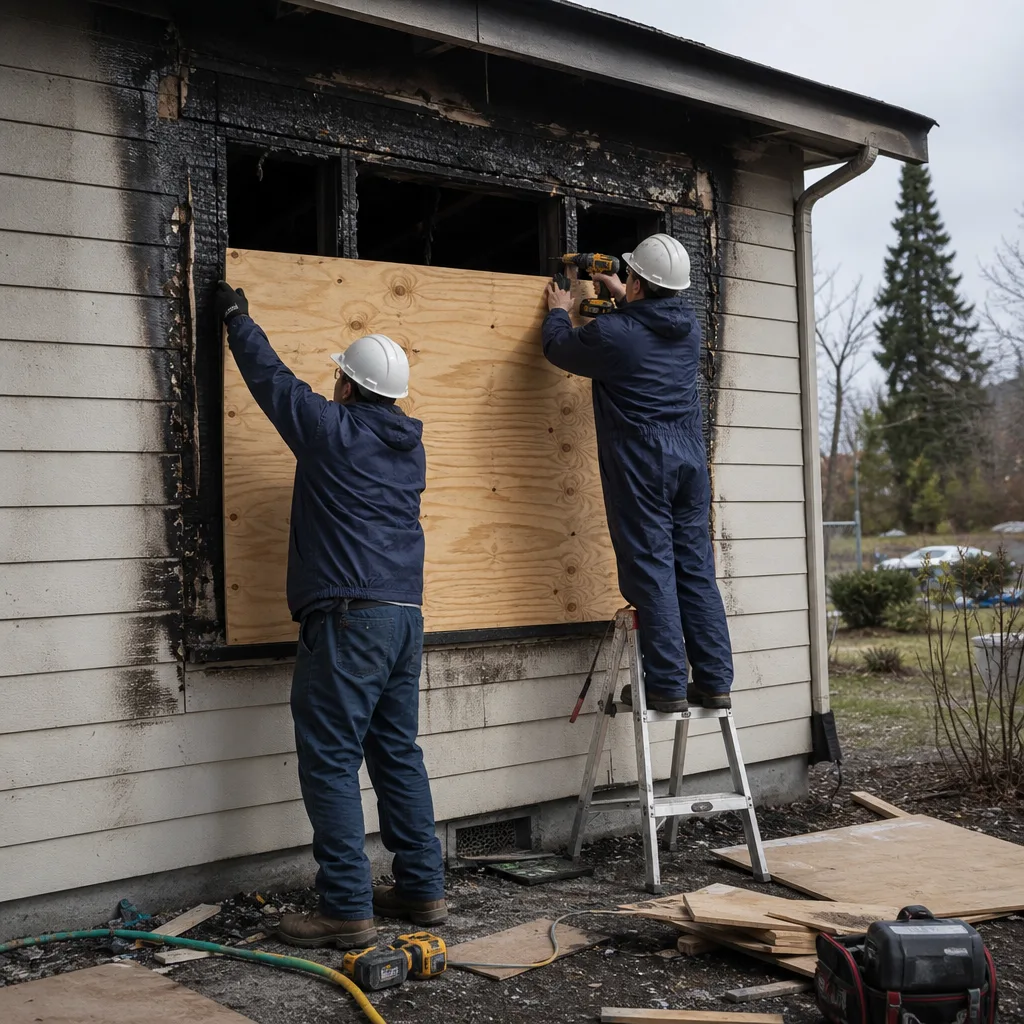
This is where Monroe’s housing stock hurts most. Vented crawl spaces from the 1950s through 1970s - common in neighborhoods like Florence Acres and along the Old Snohomish-Monroe Road corridor - were built for a drier climate. When the water table rises after fall rains or spring snowmelt, ground moisture wicks directly into framing and subfloor assemblies. We extract standing water, remove contaminated insulation, apply antimicrobial treatment, and install temporary or permanent moisture barriers. Our drying logs track every point until readings confirm pre-loss conditions.
Moisture & Humidity Control
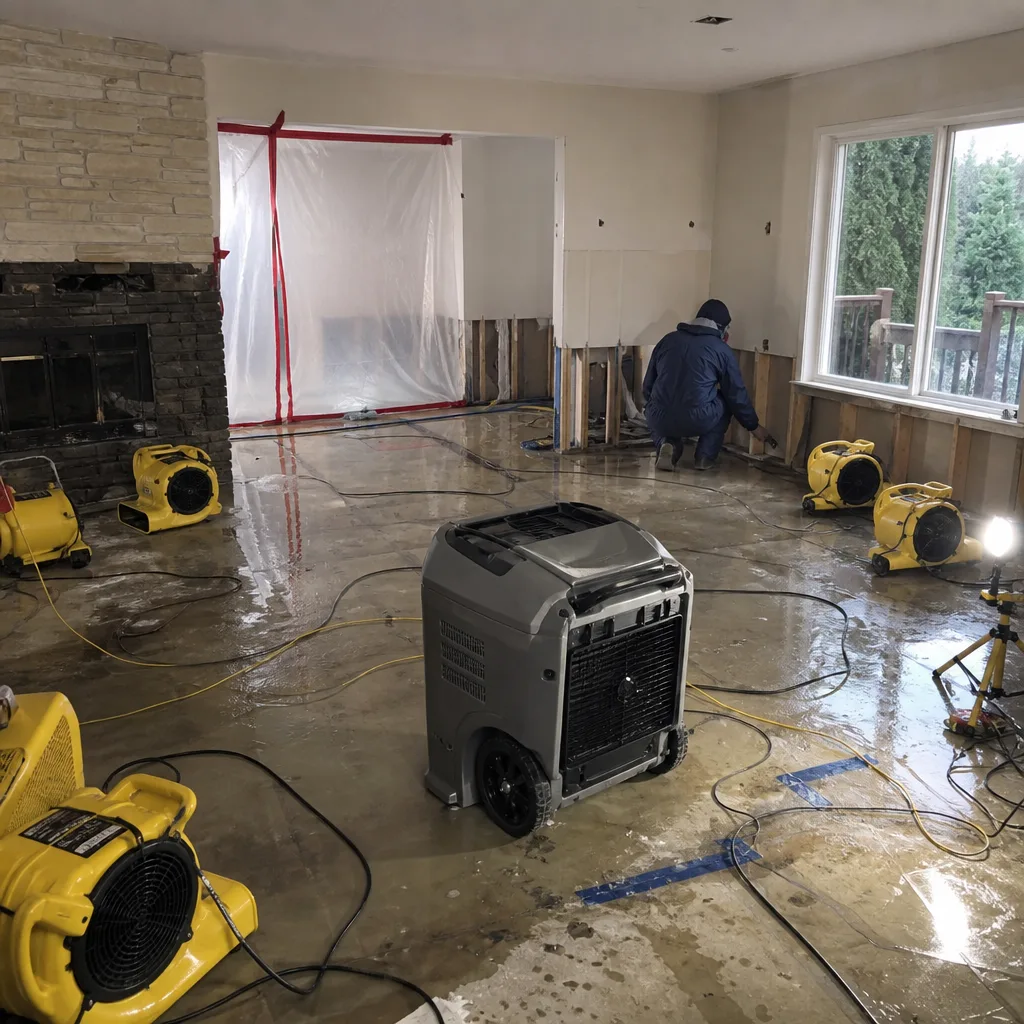
Monroe receives 55-60 inches of annual rainfall, measurably more than Everett or Bellevue, because the Skykomish valley funnels Pacific moisture off the Cascades. Without humidity control, remediated spaces re-colonize within a season. We size dehumidification by cubic footage and target specific humidity ratios, not guesswork. For Monroe’s persistent dampness, we often recommend permanent solutions after the emergency phase - always priced in writing first.
Air Quality Restoration
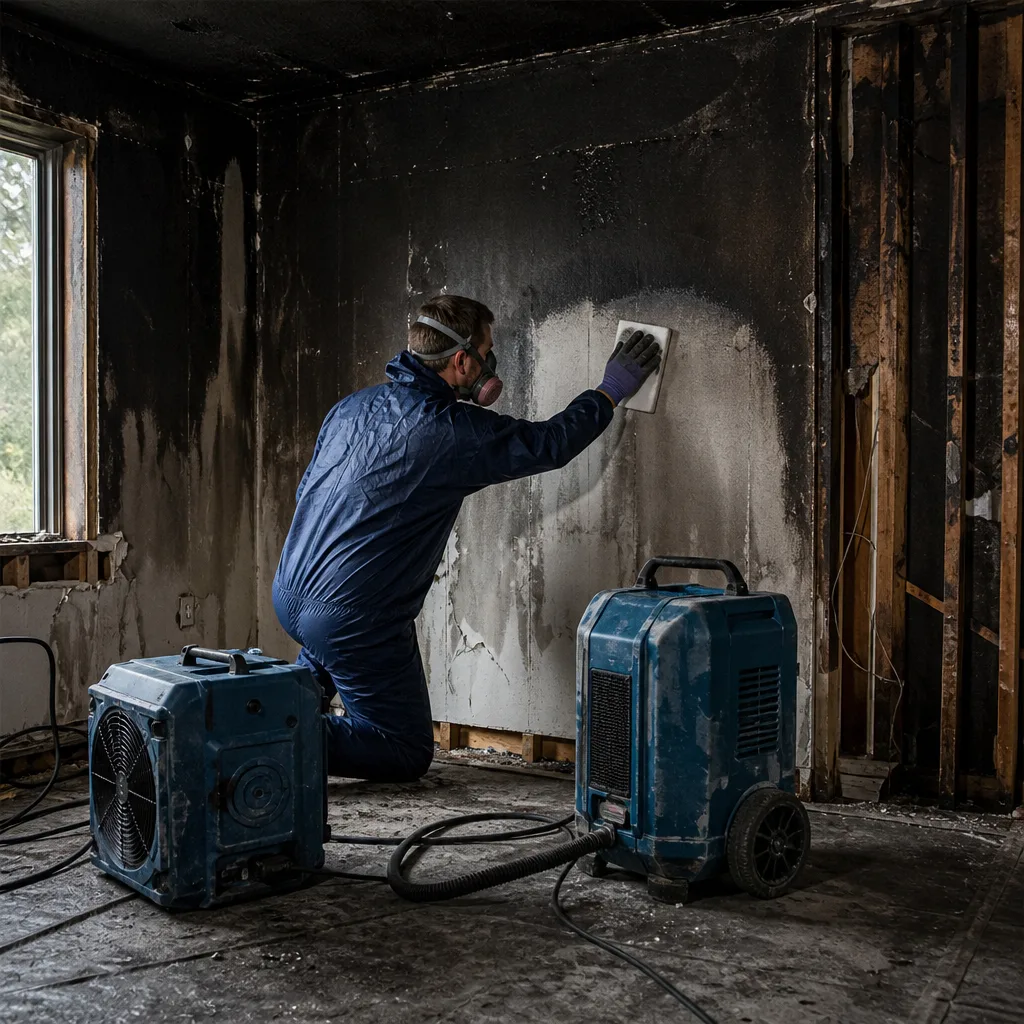
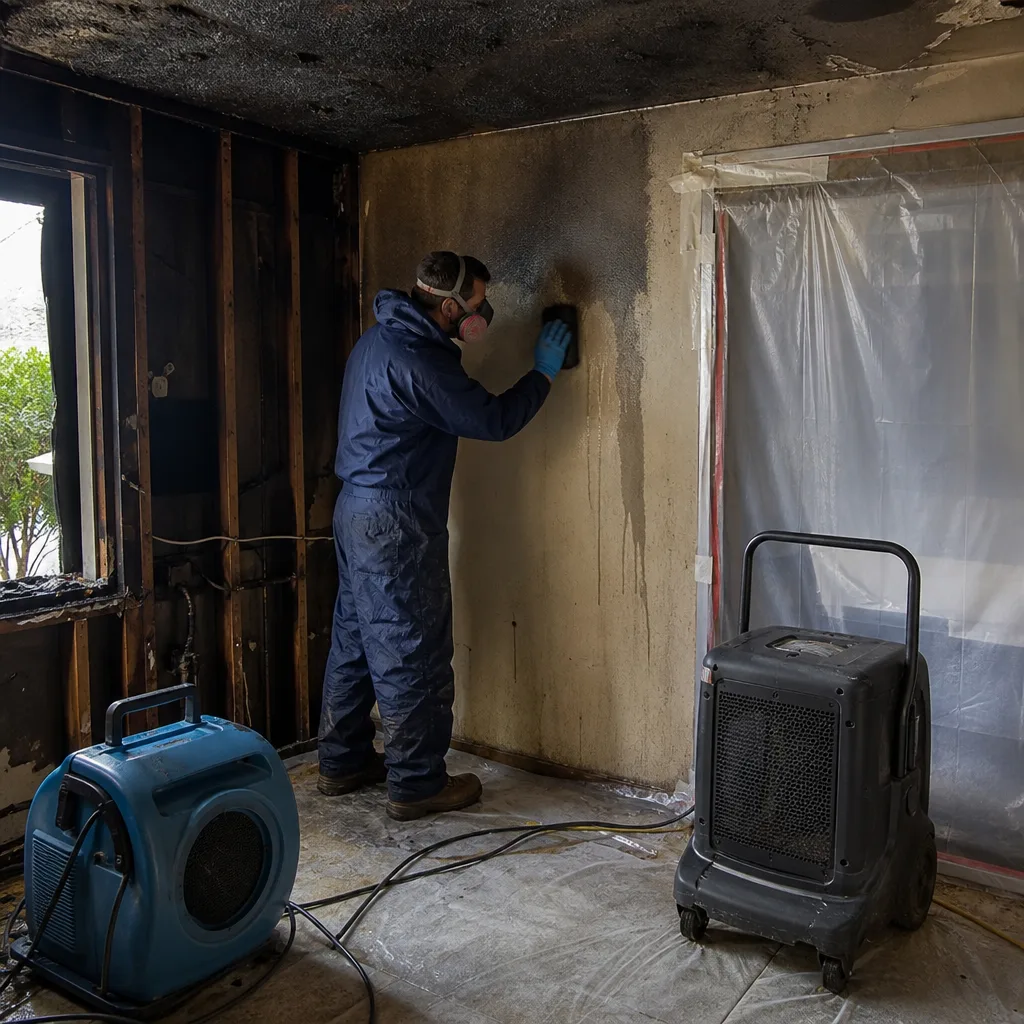
Post-remediation air testing verifies that spore counts dropped to acceptable levels. We collect samples from affected zones and outdoor controls, then compare against industry benchmarks. For Monroe homes with forced-air systems that ran during contamination, we inspect ductwork for cross-contamination. Documentation goes to your adjuster if needed.
What happens when you call
- 1
A real person answersNo phone trees - you reach a local pro.
- 2
You get an upfront price rangeHonest numbers before anyone is dispatched.
- 3
A background-checked tech heads outLicensed & insured, dispatched right away.
- 4
You approve before work beginsNothing starts until you say go.
BeforeAfterTrusted Equipment & Standards We Deploy in Monroe
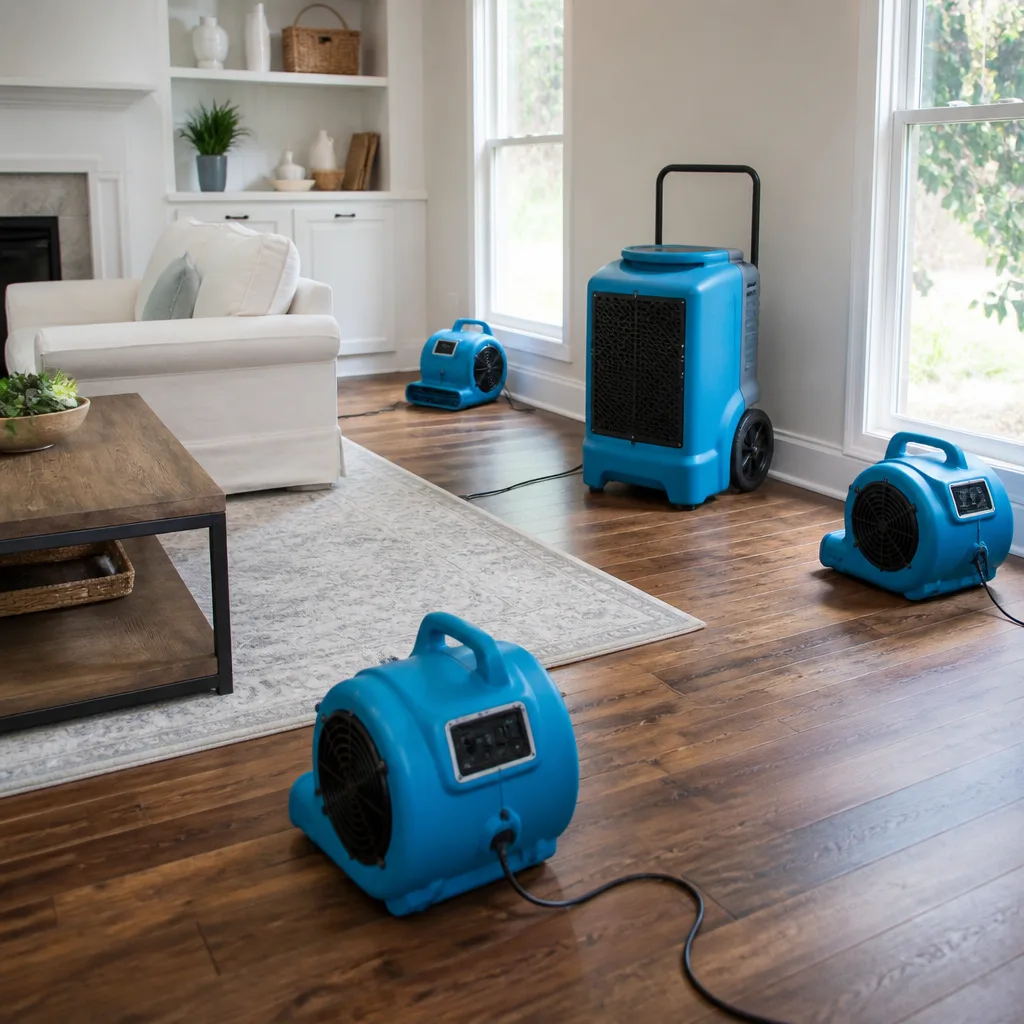
Our equipment comes from Dri-Eaz, Phoenix, and Injectidry - names that matter when an adjuster asks whether drying was performed to standard. Injectidry’s panel systems let us dry hardwood flooring and wall cavities without demolition when structurally appropriate. We document all psychrometric data to IICRC S520 mold remediation standards and RIA guidelines, producing the daily moisture logs that turn restoration invoices into payable claims. For Monroe’s riverine flood events, this documentation is not optional - it’s what separates an approved NFIP claim from a denial.
Common Mold Remediation Problems We See in Monroe Homes
- Delayed detection in vented crawl spaces. Homeowners in Monroe’s older neighborhoods often mistake musty odors for seasonal dampness. By the time they call, rim joists and subfloor assemblies are colonized. We find this constantly in pre-1980 ranch homes near the valley floor - the kind with foundation vents that were supposed to prevent exactly this problem.
- Misclassified water damage from river flooding. General contractors unfamiliar with Monroe’s riverine dynamics sometimes treat Skykomish floodwater as clean Category 1 or gray Category 2. It’s not. That water carries agricultural runoff, silt, and soil bacteria. Skipping antimicrobial treatment and proper containment guarantees mold rebound within weeks.
- Out-of-area contractors with inadequate equipment. Monroe’s two annual surge periods - heavy fall rains and spring snowmelt - can overwhelm local capacity. Some property owners hire contractors from drier climates who lack moisture mapping equipment calibrated for Washington’s wet environment. We’ve been called in after such jobs to find framing still above 20% moisture content, mold actively spreading behind “finished” repairs.
- Missing NFIP documentation. Monroe properties in active FEMA flood zones need specific protocol documentation for National Flood Insurance Program claims. Contractors who don’t regularly handle riverine flooding often produce scopes that adjusters reject for insufficient Category 3 classification or missing photo sequences.
Pricing for Mold Remediation in Monroe, WA
Mold inspection and testing in Monroe typically runs $350-$650 for residential properties, with air and surface sampling included. Contained crawl space remediation averages $2,800-$4,200. Whole-structure black mold remediation with full containment and air scrubbing ranges $4,500-$6,500. Factors that move the needle: affected square footage, whether the contamination reached HVAC systems, and whether Category 3 blackwater protocol applies - common after Skykomish flooding in Monroe’s lower neighborhoods.
We don’t do “call for pricing.” Haven Standard, Clause 1 requires a written price before work starts, every time, with no scope-creep additions once our crew is inside your home. That written scope includes line-item breakdowns, material classifications, and estimated duration. Bring a competitor’s written estimate and we’ll review it free - Second Opinion Clause.
| Service | Typical Range in Monroe |
|---|---|
| Mold Inspection & Testing | $350 - $650 |
| Crawl Space Remediation | $2,800 - $4,200 |
| Black Mold Remediation (contained) | $4,500 - $6,500 |
| Air Quality Restoration / Clearance | $400 - $800 |
| Moisture Control System Installation | $1,200 - $3,500 |
Call (425) 689-8468 for your written estimate - there’s no charge for the assessment.
We Also Serve Cities Near Monroe
Our Mold Remediation crews respond throughout Snohomish and King counties, including Monroe, Bothell, Redmond, Lynnwood, and Sammamish. Dispatch and scheduling are coordinated from our Seattle office. Each city gets the same documentation standard: written price first, photo record on every visit, 365-Day Done Right Promise.
Serving Monroe, WA - Our Local Coverage Area
We’re based in the Monroe area and know this community well. Use the map below to see our service coverage - if you’re nearby, we can almost certainly help.
FAQs - Mold Remediation in Monroe
Monroe’s riverine flooding makes most post-flood mold work Category 3 blackwater, not the clean-water pipe breaks common in inland Snohomish County. That means full antimicrobial treatment, stricter containment, and NFIP-specific documentation that flat-terrain suburbs rarely require. Our crews monitor the USGS Skykomish River gauge at Monroe and pre-position equipment when flood stage approaches. If you’re in a FEMA flood zone, your remediation scope must be documented for National Flood Insurance Program standards - something we handle routinely. Call (425) 689-8468 and we’ll review your property’s specific requirements.
Vented crawl spaces in Monroe’s 1950s-1970s housing stock were designed for a drier climate and lower water table. When the Skykomish rises, ground moisture wicks directly into untreated framing and subfloor assemblies through those foundation vents. The valley’s 55-60 inches of annual rainfall keeps ambient humidity high enough that wet wood never fully dries without mechanical intervention. We’ve found rim joists at 28% moisture content in Florence Acres crawl spaces weeks after homeowners thought the space had “aired out.” Professional drying with documented moisture logs is the only reliable fix. Call (425) 689-8468 for a crawl space assessment.
Yes. We document every Monroe flood-zone job to NFIP claim standards, including Category 3 water classification, photo-sequenced damage records, and written scopes that adjusters can process without revision requests. Alicia Brennan built this company around the documentation gap that costs homeowners their claims. Our daily drying logs and moisture readings turn restoration invoices into payable claims. If your property has a repetitive loss history, we know the additional documentation requirements. Call (425) 689-8468 - estimates are free, and the written scope arrives before any work starts.
During active flooding, response time depends on road conditions and concurrent call volume, but our live dispatch coordinates triage from the first alert. We prioritize active water intrusion and occupied structures, especially in lower-lying neighborhoods like Florence Acres where the gauge hits flood stage first. For non-emergency mold concerns, we typically schedule within 24-48 hours. The fastest way to secure a slot during surge periods is to call (425) 689-8468 as soon as you notice musty odors, visible growth, or post-flood dampness - documentation starts at that first visit.
We deploy professional-grade drying systems from Dri-Eaz, Phoenix, and Injectidry, sized to Monroe’s persistent humidity. Injectidry panel systems dry hardwood and wall cavities with minimal demolition. HEPA air scrubbers maintain negative pressure in containment zones. All equipment is documented to IICRC, RIA, and IFA standards, with daily psychrometric readings - temperature, relative humidity, and vapor pressure differential - that prove the structure returned to pre-loss condition. That documentation is your insurance claim’s best protection. Call (425) 689-8468 to see the equipment list for your specific job.
Monroe’s position at the confluence of the Skykomish and Snoqualmie rivers creates mold conditions unlike anywhere else in Snohomish County. River water carries silt and agricultural runoff into crawl spaces, making post-flood remediation a Category 3 blackwater process requiring NFIP documentation and specialized containment. When the USGS gauge nears flood stage, we triage simultaneous calls from Florence Acres and other valley-floor neighborhoods - a pattern flat-terrain suburbs rarely see. After a fall Skykomish flood event, we responded to a 1960s ranch in Florence Acres where river water had inundated the vented crawl space for three days. Our techs found wicking moisture in the rim joists and subfloor, set up containment with HEPA air scrubbers and Injectidry panels, and applied antimicrobial treatment after extracting the Category 3 water. Moisture readings confirmed the framing returned to pre-loss condition within a week, and we documented the entire scope of work for the homeowner’s NFIP claim.
Call (425) 689-8468 for your free written estimate. Every job gets a documented photo record, daily moisture logs, and our 365-Day Done Right Promise under The Haven Standard. No voicemail. No scope creep. Just evidence you can submit to your adjuster with confidence.
Written by Alicia Brennan, Owner at DryMark Restoration Redmond, serving Monroe and the greater Seattle metro since 2011.