
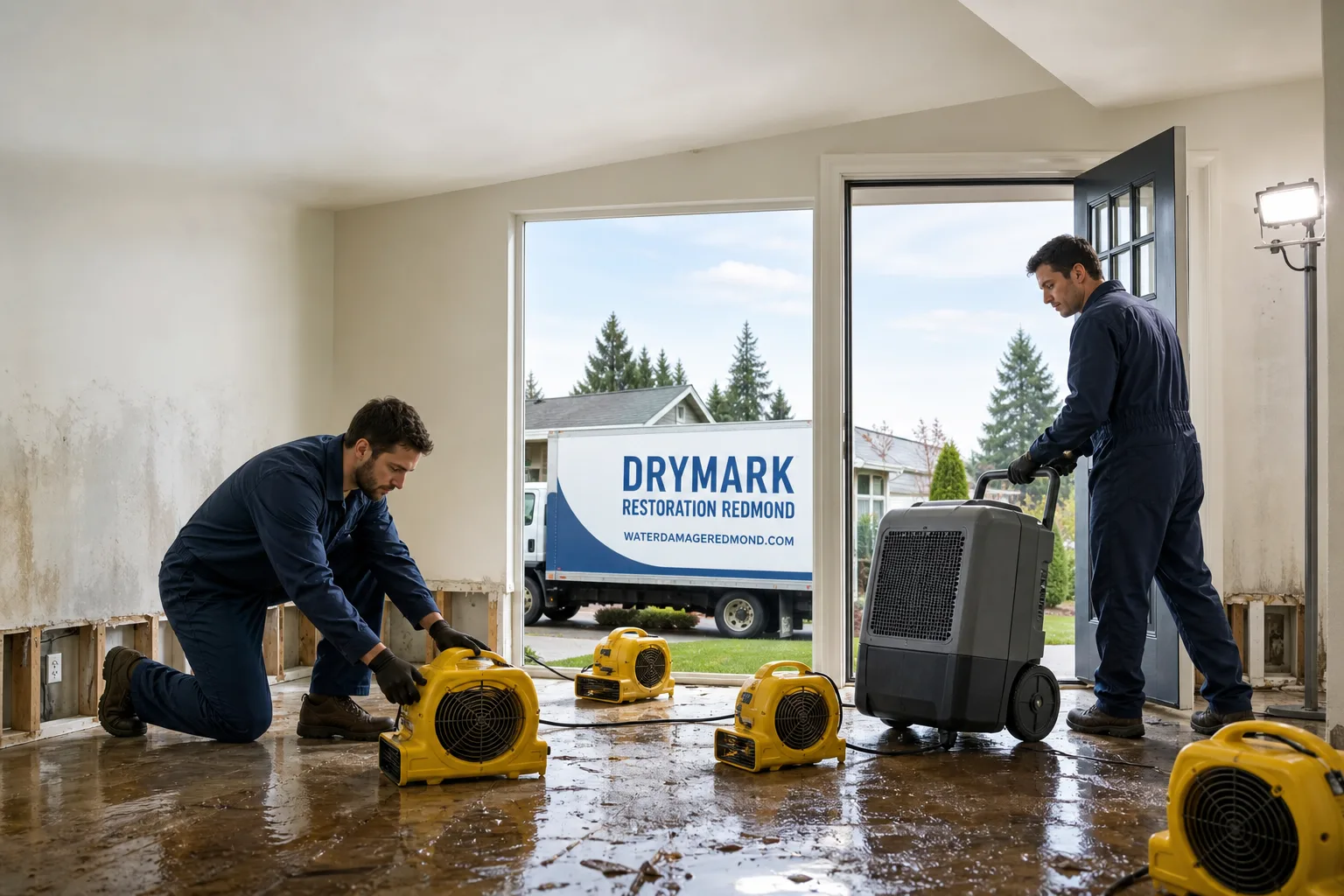
Free visual inspection and a written scope of work before any mitigation begins - photos, moisture readings, and drying logs go in your claim file
The scope we write is the scope we bill. Anything new gets shown to you, in writing, before we touch it.
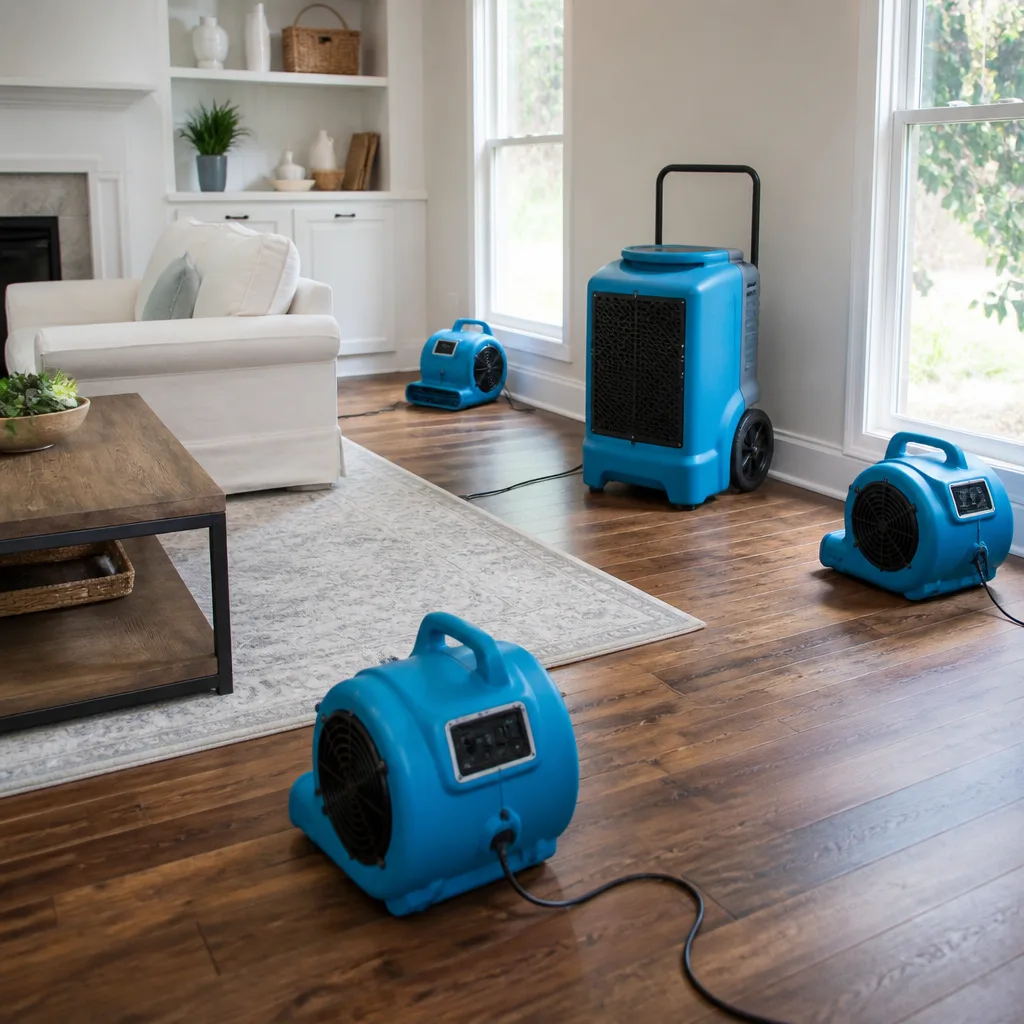
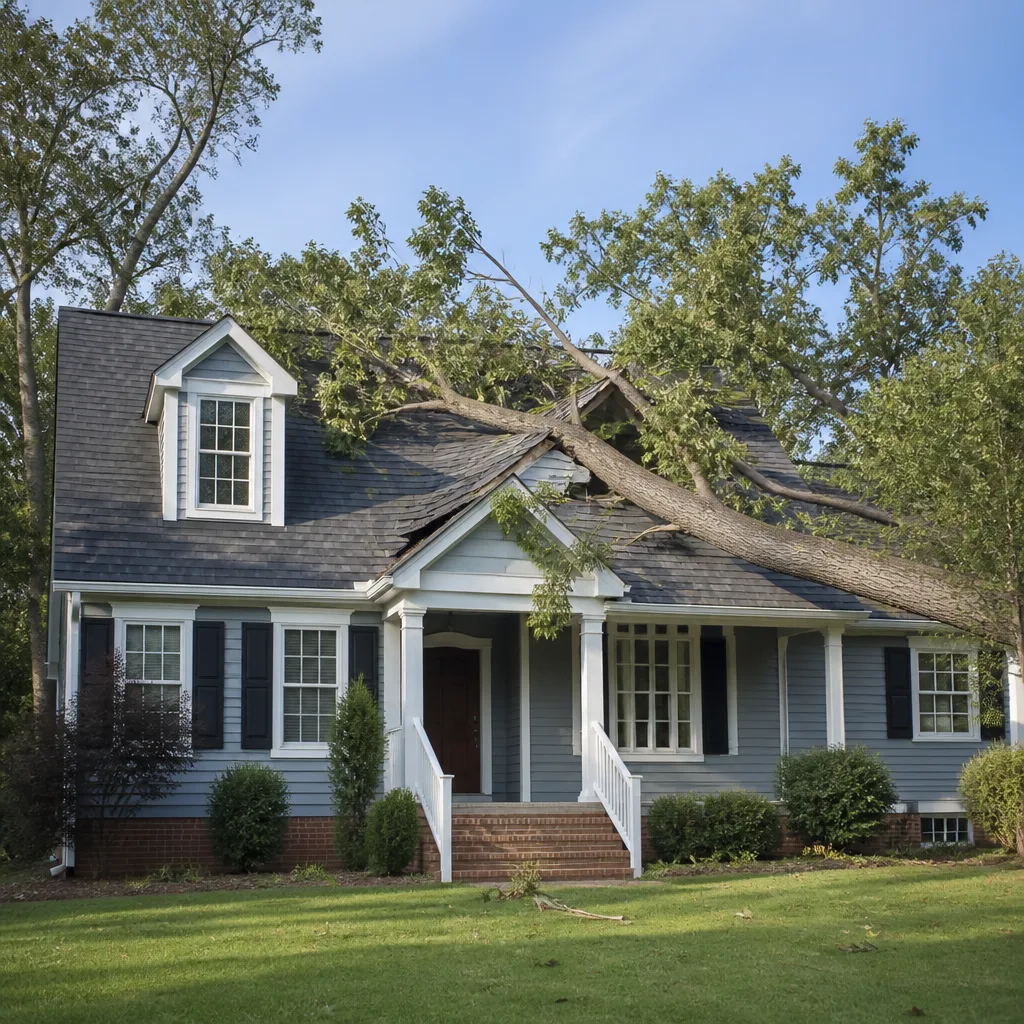
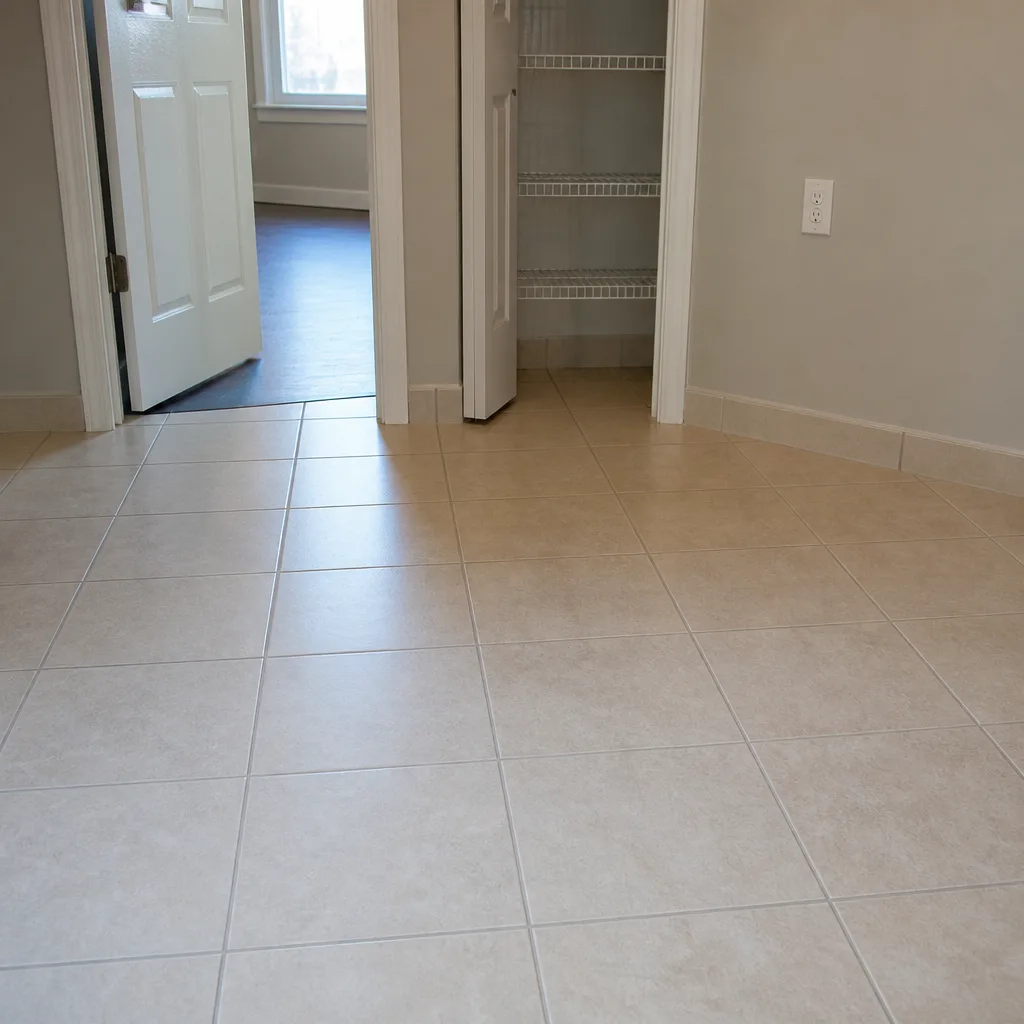
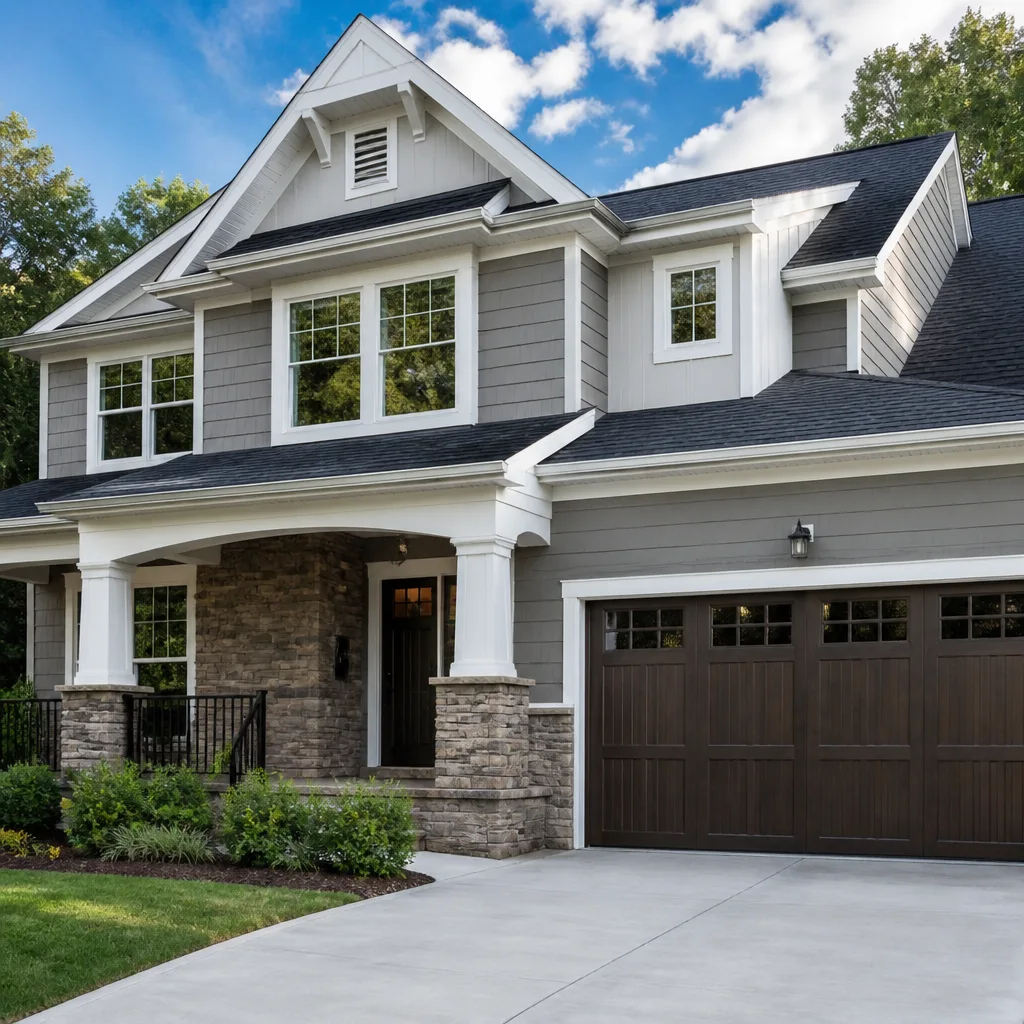
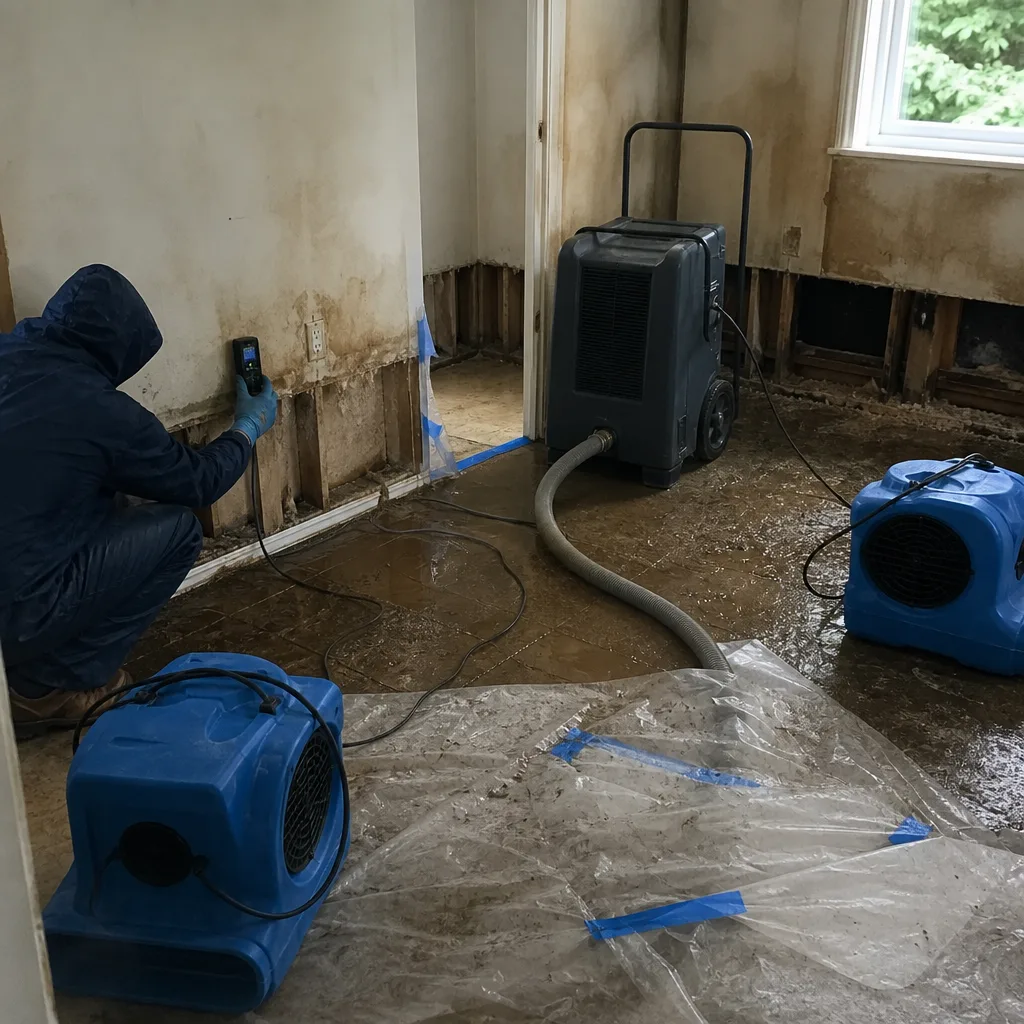 Before
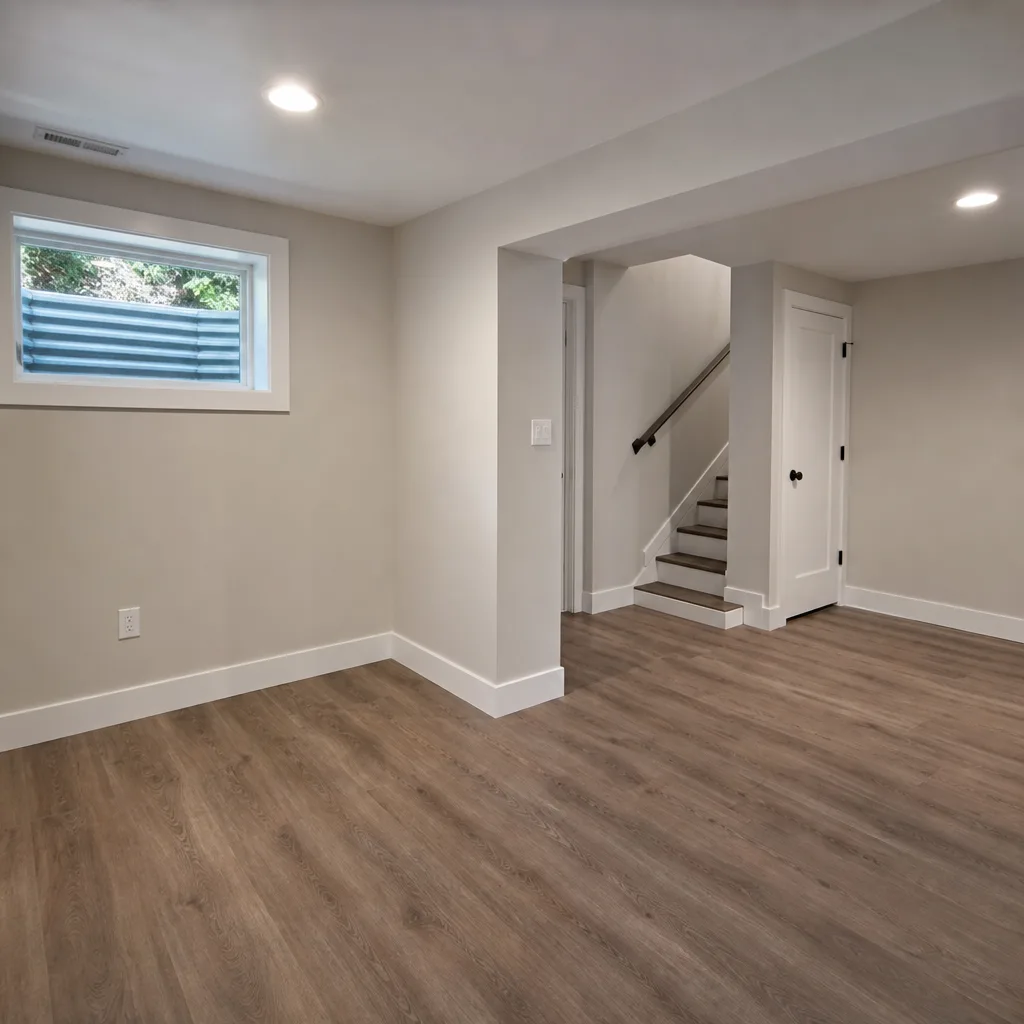 After
After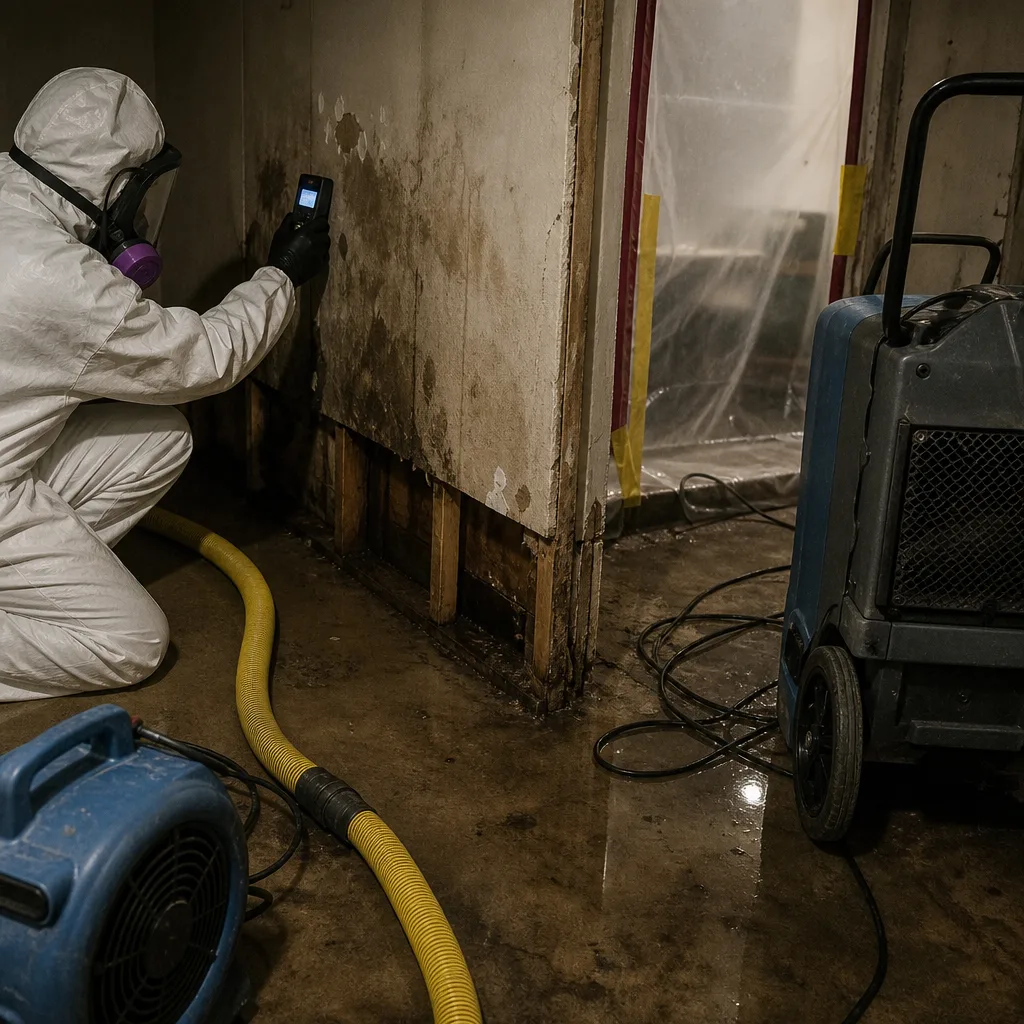 Before
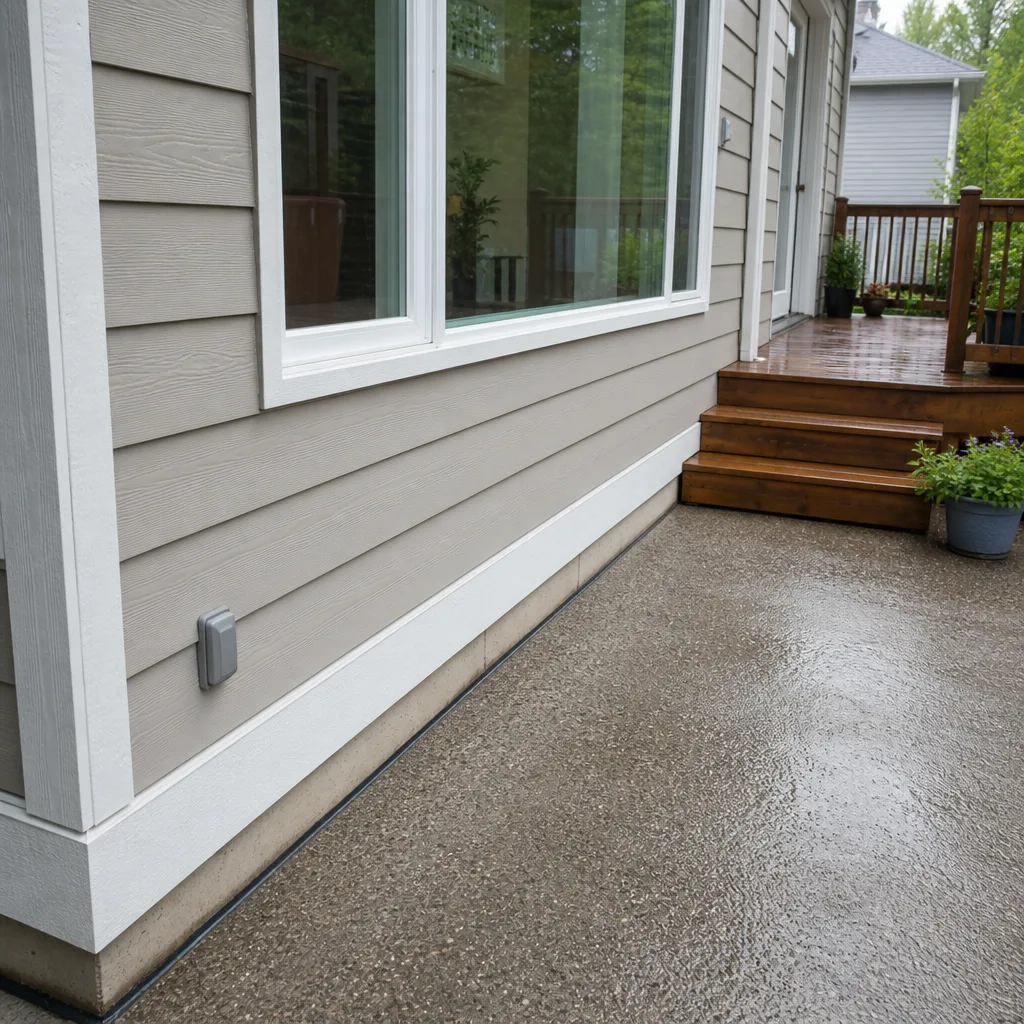 After
After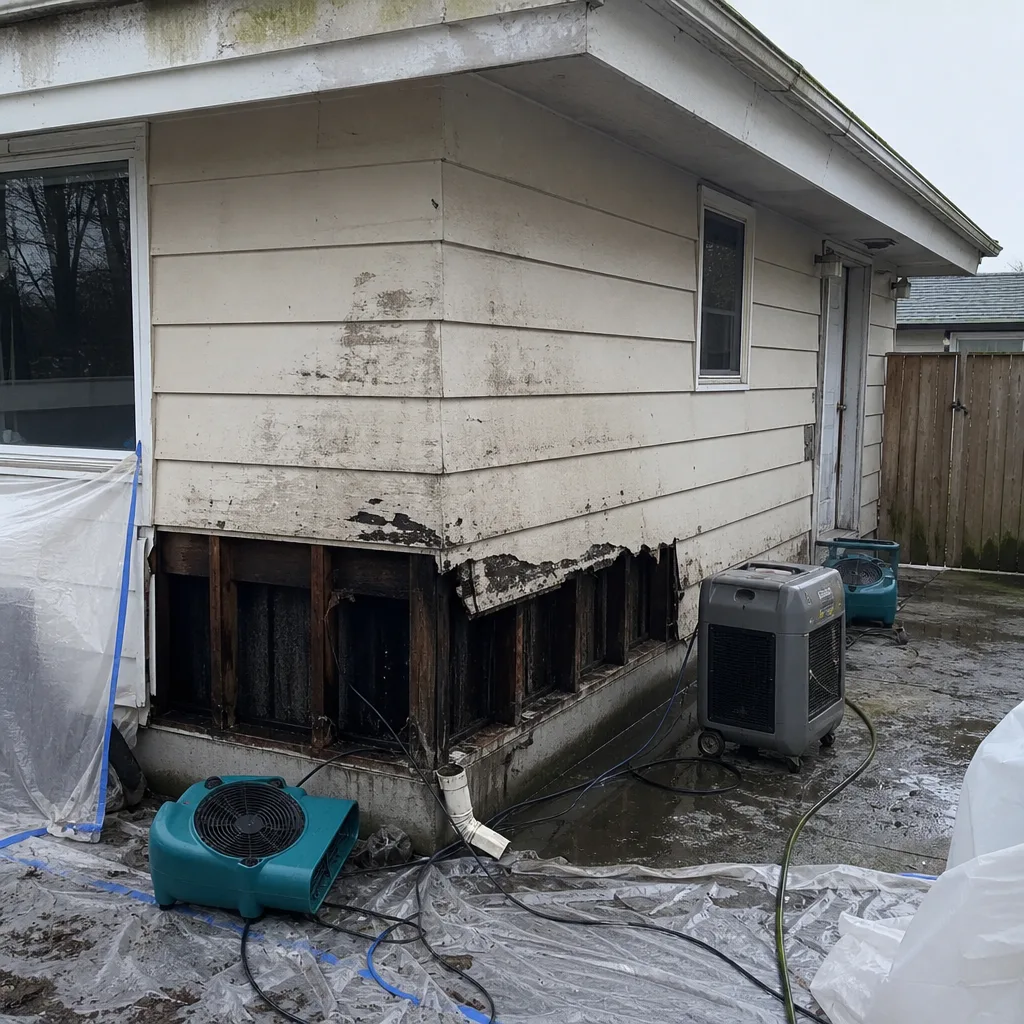 Before
 After
AfterFast, Reliable Water Damage Restoration Across Des Moines
Water damage restoration in Des Moines, WA typically runs $1,800-$6,500 depending on affected square footage and whether the crawl space is involved, with most emergency calls receiving a crew within 60-90 minutes. Our Water Damage Restoration team dispatches from our Seattle office to Des Moines around the clock, and we know the city’s bluff-grade neighborhoods well enough to scope the crawl space first - because here, that’s where the water goes.
Des Moines sits on steep Puget Sound bluffs where almost every house is mid-slope, so the crawl space - not the basement or the roof - is the first thing to flood in an atmospheric-river event, and the defining recurring job here is saturation drying of dirt subfloors and original 1950s polyethylene sheeting that has long since degraded. That moisture pattern is driven by bluff grade and marine humidity, not the flatland storm-drain backups Federal Way or SeaTac crews see. We’ve restored homes from the Marine View Drive corridor to the mid-slope streets above Redondo, and the pattern is consistent: postwar ramblers with unimproved crawl spaces that stay wet from October through April.
Call (425) 689-8468 now. A live person answers, 24 hours a day, 7 days a week. No voicemail trees while water is still moving.
Why DryMark Restoration Redmond Is Des Moines’s Preferred Water Damage Restoration Company
We don’t sell reassurance. We sell documentation: a written price before work begins, a photo record on every visit, and daily moisture logs that turn restoration invoices into payable insurance claims. That’s Haven Standard, Clause 1, and it’s how we’ve operated since Alicia Brennan founded the company in 2011 after years as a claims adjuster watching homeowners lose disputes for lack of paperwork.
Our crews know Des Moines’s housing stock - the 1940s-1970s wood-frame ramblers and split-levels with original cedar siding, hardboard sheathing, and dirt crawl spaces that wick marine moisture straight into wall cavities. We scope the crawl space first on every job, because crews who don’t miss the actual damage.
Response time to Des Moines averages under 90 minutes from call to arrival. We carry Dri-Eaz and Phoenix drying systems on every truck, and we document to IICRC standards - psychrometric data, vapor pressure differentials, and tertiary drying phases - so your adjuster has what they need to approve the claim without a fight.
We’ve restored 12,000+ homes since 2011, every one with a written price before work started. Bring a competitor’s written estimate and we’ll review it free. That’s the Free Second Opinion, standard on every call.
Our Water Damage Restoration Services in Des Moines
Emergency Water Extraction
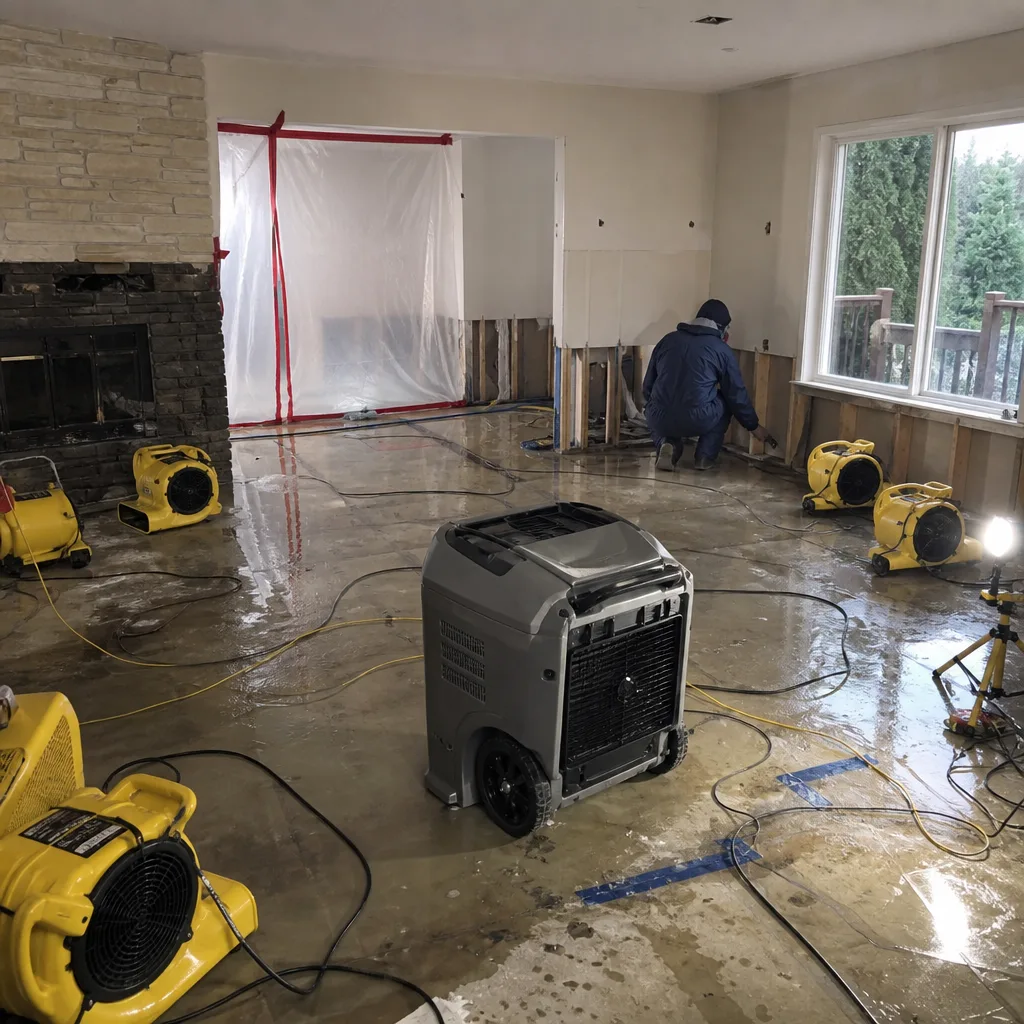
When an atmospheric river hits Des Moines, water doesn’t pool in the yard - it channels down the bluff grade and under the house. Our emergency extraction teams arrive with truck-mounted systems and portable submersibles sized for crawl-space access. We extract standing water from dirt subfloors, pump out saturated insulation, and set containment before humidity spreads to original wood-panel interior walls. Every extraction is photo-documented, with moisture readings logged before we move to drying.
Structural Drying & Dehumidification
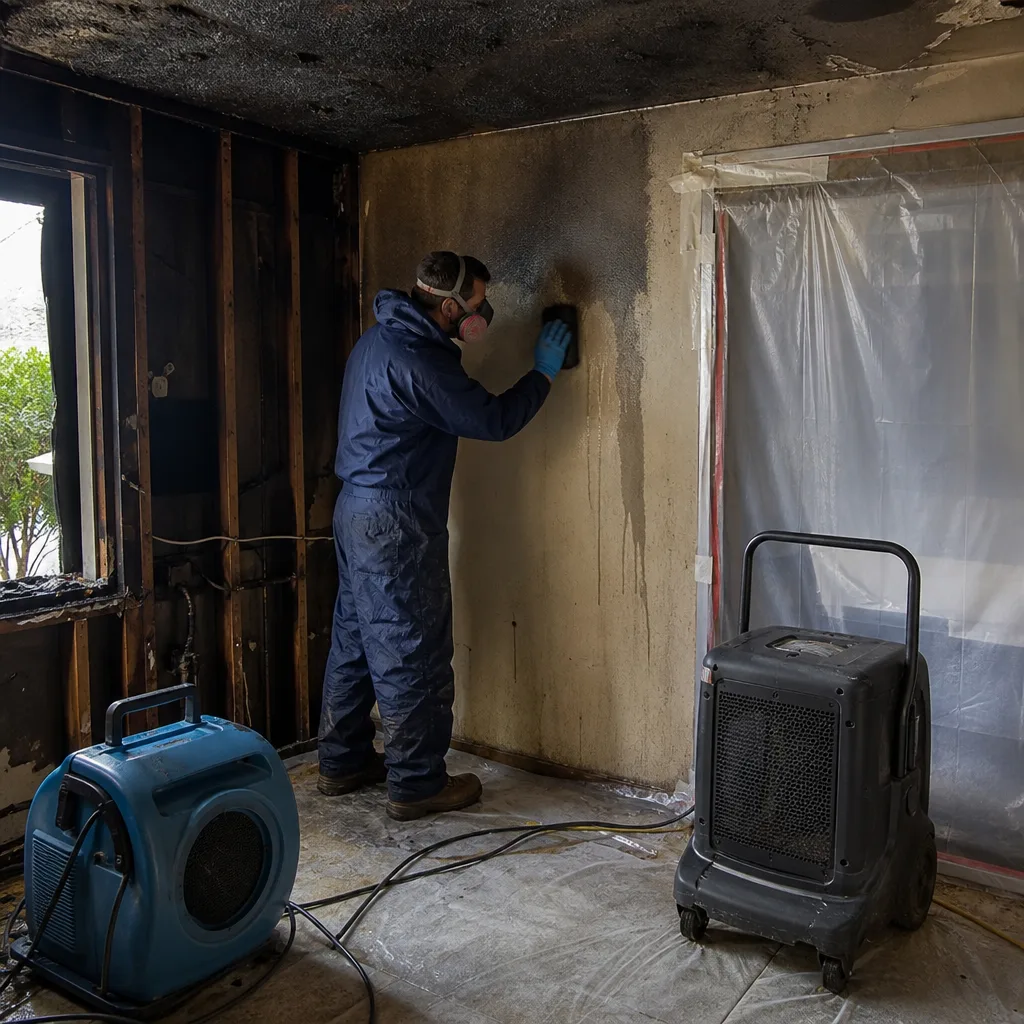
This is the core service in Des Moines. Marine humidity keeps relative humidity elevated even between storms, so drying equipment pulled too early leaves category 2/3 water active in wall cavities. We run Phoenix and Dri-Eaz dehumidifiers with calculated air changes per hour, monitor vapor pressure differentials daily, and don’t pull equipment until the drying logs show pre-loss moisture content - typically 12-16% on Douglas fir subflooring. The Haven Standard requires written moisture logs; you get them.
Flood Cleanup
Des Moines flood cleanup means bluff-drainage flood, not riverine overflow. Surface water follows the grade into crawl spaces, carrying sediment and organic loading that elevates clean water to category 2 within 24-48 hours. We classify the water category on arrival, document it with photos, and adjust the remediation protocol accordingly. Older Des Moines homes with degraded or absent vapor barriers need more aggressive treatment - antimicrobial application, controlled demolition of unsalvageable materials, and extended drying timelines.
Burst Pipe Restoration
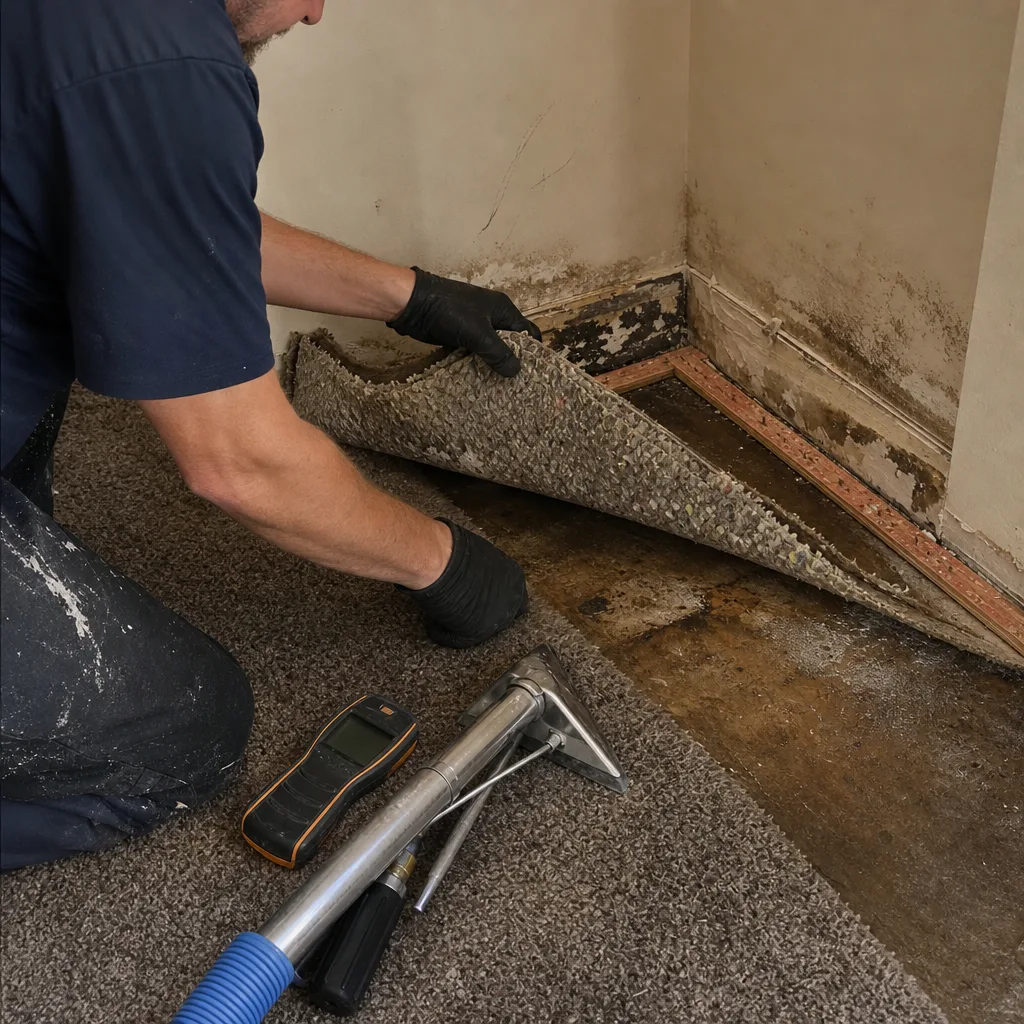
Des Moines’s original copper and galvanized supply lines, plus the freeze-thaw cycles on exposed bluff-grade plumbing, make burst pipes a winter staple. We locate the break, document the water category and migration pattern, extract, dry, and - critically - scope the crawl space for secondary damage that the burst pipe itself didn’t cause but the resulting pressure change may have exacerbated. Every burst pipe job includes a written scope before demolition begins.
Basement Water Removal
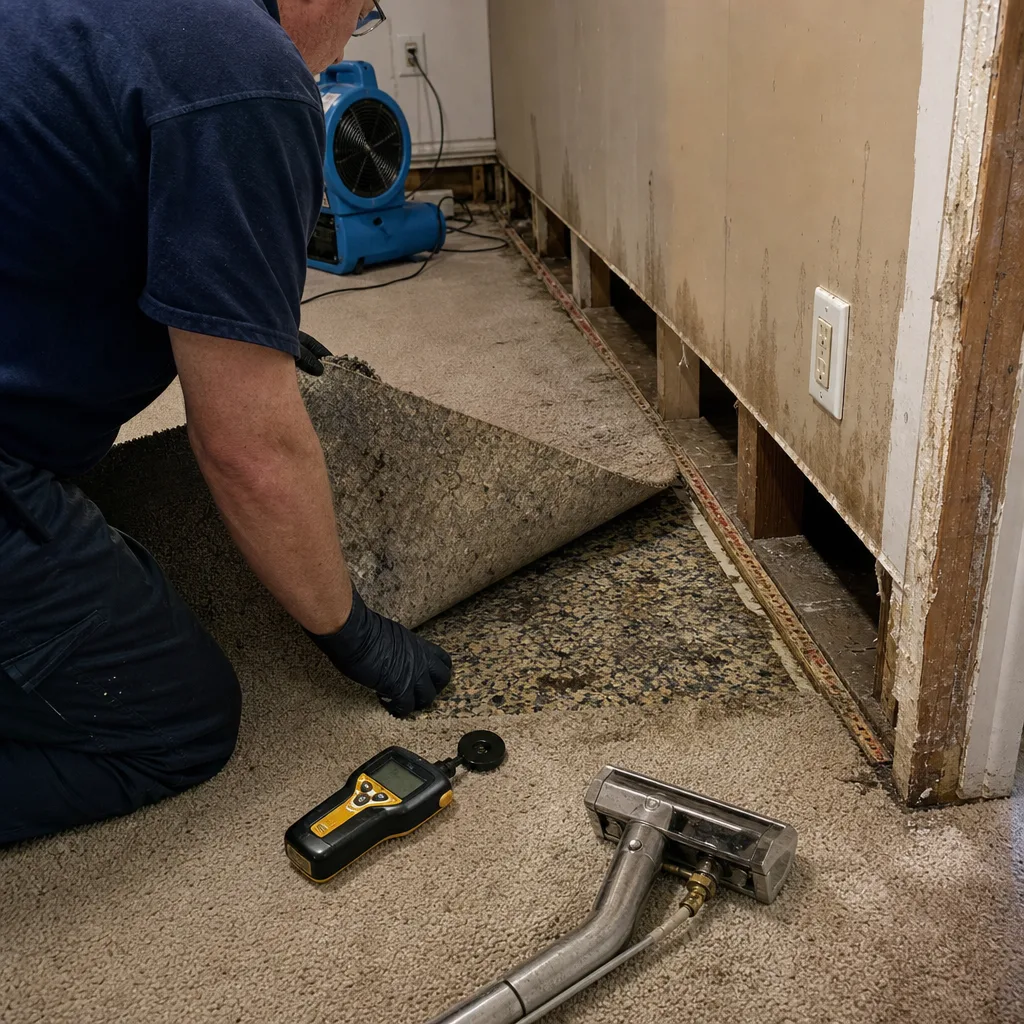
True basements are rare in Des Moines; most “basement” calls are daylight walkouts on split-levels with the same bluff-grade drainage problems as crawl spaces. We treat these as hybrid jobs: extraction at the lower level, then crawl-space drying below. The grade drains surface water directly under the house, and original 1950s polyethylene sheeting (where it exists at all) has long since degraded. We map the full moisture envelope, not just the visible wet spot.
Ceiling & Roof Leak Water Damage
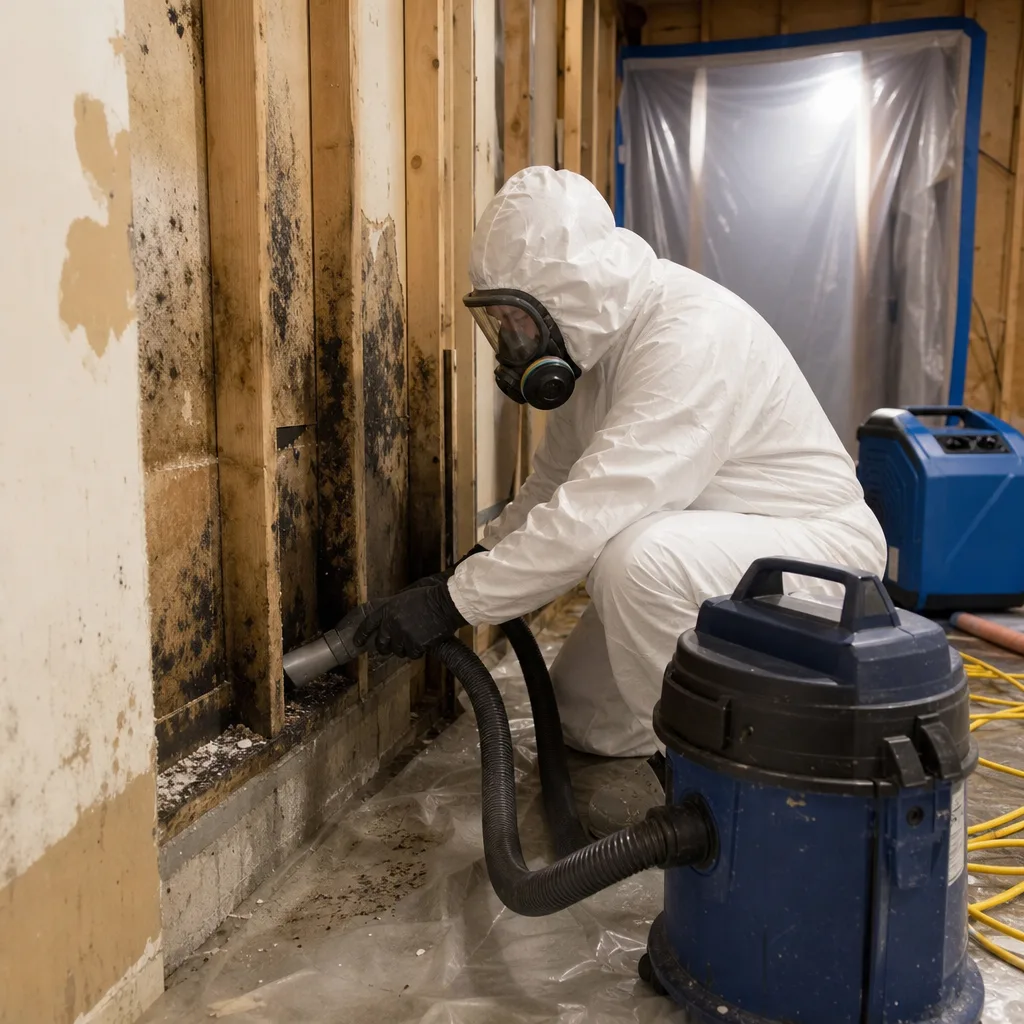
Marine-driven rain wicks through aging cedar and hardboard siding on Des Moines’s postwar homes, then travels rafter bays to ceiling drywall. We trace the migration path with moisture mapping, set drying chambers with Injectidry systems where salvageable, and document the full square footage - because insurers dispute partial-ceiling claims without photo evidence of the hidden spread.
What happens when you call
- 1
A real person answersNo phone trees - you reach a local pro.
- 2
You get an upfront price rangeHonest numbers before anyone is dispatched.
- 3
A background-checked tech heads outLicensed & insured, dispatched right away.
- 4
You approve before work beginsNothing starts until you say go.
 Before
 After
AfterTrusted Equipment & Standards We Deploy in Des Moines
We don’t guess at drying. Every Des Moines job runs professional-grade systems from Dri-Eaz, Phoenix, and XPOWER, selected for the marine-humidity environment and documented to IICRC, RIA, and IFA standards. Psychrometric data - temperature, relative humidity, and vapor pressure - drives equipment placement and runtime, not calendar days. For bluff-grade crawl spaces with limited access, we deploy Injectidry mat systems and specialized cavity-drying attachments that force dry air into wall voids without demolition. All work is documented to IICRC S500 standards for water damage restoration. Parts, attachments, and replacement filters are stocked locally; no waiting on Seattle supply houses while your subfloor stays wet.
Common Water Damage Restoration Problems We See in Des Moines Homes
- Crews dry the visible lower level but leave the unimproved dirt crawl space wet. Mold colonies rebound behind original wood-panel walls within weeks. We scope the crawl space first on every Des Moines job, because the grade drains surface water directly under the house.
- Original or absent vapor barriers are mistaken for functional moisture control. Degraded 1950s polyethylene or bare dirt subfloors stay near saturation from October through April. Structural drying ends before the subfloor reaches pre-loss condition, and the warranty claim follows.
- Marine humidity keeps relative humidity elevated between storms. Drying equipment pulled too early leaves category 2/3 water in wall cavities. Des Moines’s year-round marine layer sustains active mold colonies long after a water event appears “dry.”
- Atmospheric-river events channel bluff runoff into foundations faster than flatland drainage. Postwar ramblers on mid-slope lots see crawl-space saturation that flatland neighbors in Federal Way or SeaTac simply don’t experience. Restoration here demands bluff-and-marine-moisture protocols, not generic suburban drying.
Pricing for Water Damage Restoration in Des Moines, WA
| Service | Typical Range in Des Moines |
|---|---|
| Emergency water extraction (crawl space, up to 800 sq ft) | $1,800 - $3,200 |
| Structural drying & dehumidification (3-5 day protocol) | $2,400 - $4,800 |
| Flood cleanup with category 2/3 classification | $3,500 - $6,500 |
| Burst pipe restoration (extraction + drying + limited drywall) | $2,200 - $5,000 |
| Basement water removal (daylight walkout/split-level) | $2,000 - $4,500 |
| Ceiling leak drying (Injectidry cavity system) | $1,600 - $3,400 |
What moves the price: crawl-space access difficulty, water category (clean vs. gray vs. black), square footage of affected materials, whether demolition is required, and how long water sat before extraction began. Category 3 water in a Des Moines dirt crawl space with degraded vapor barrier costs more than a same-day extraction of clean water from a finished daylight basement. Every job gets a written price before work starts - Haven Standard, Clause 1 - with no scope-creep additions once the crew is inside. Estimates are free. Call (425) 689-8468.
We Also Serve Cities Near Des Moines
Our crews work the full Sound-corridor service area including Des Moines, Redmond, Kirkland, Kingsgate, and Bellevue. Dispatch and scheduling are coordinated from our Seattle office; crews serve Des Moines locally with the same 60-90 minute emergency response.
Serving Des Moines, WA - Our Local Coverage Area
We’re based in the Des Moines area and know this community well. Use the map below to see our service coverage - if you’re nearby, we can almost certainly help.
FAQs - Water Damage Restoration in Des Moines
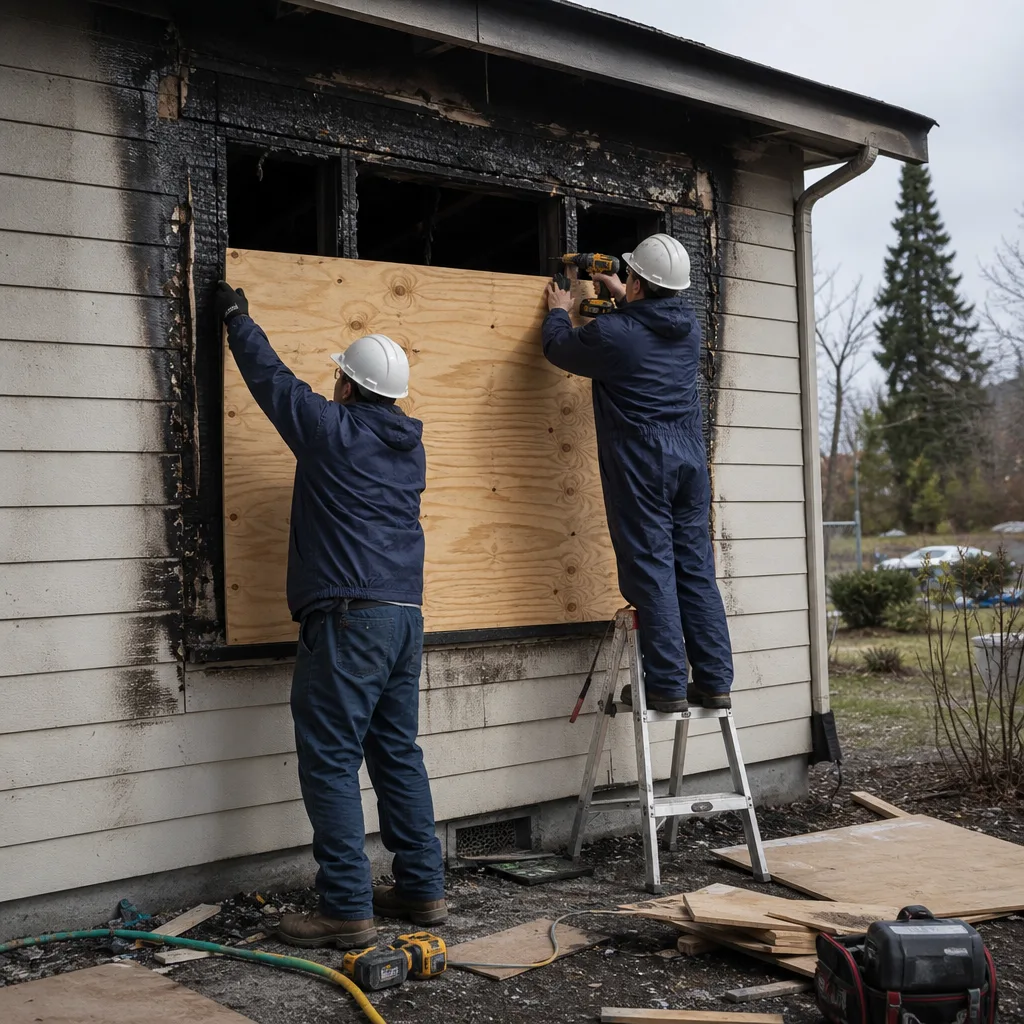
Bluff grade channels every rainfall event directly under your house, and original 1950s polyethylene sheeting has long since degraded, leaving dirt subfloors that stay near saturation from October through April. The year-round marine layer keeps relative humidity elevated even between storms. We address this with extended drying protocols, vapor-barrier replacement where indicated, and moisture logging that proves pre-loss condition before equipment comes out. Call (425) 689-8468 for a crawl-space assessment - estimates are free.
Visible mold growth begins in 48-72 hours under Des Moines’s typical marine-humidity conditions, but hidden colonization in dirt crawl spaces with degraded vapor barriers can start sooner. The defining risk here is crews who dry the visible area while the crawl space stays wet - mold rebounds behind original wood-panel walls within weeks. We scope the crawl space first and log moisture readings daily until pre-loss condition is documented. Call (425) 689-8468 for emergency response.
Yes. Category 1 (clean water) allows more salvage of original materials; category 2 (gray water) requires antimicrobial treatment and often removes degraded insulation or drywall; category 3 (black water) demands controlled demolition of porous materials in unimproved crawl spaces. Many Des Moines postwar homes have never had vapor-barrier upgrades, so category escalation happens faster than in newer construction. We classify on arrival, document with photos, and write the scope before demolition. Call (425) 689-8468 for a written estimate.
Not always. Split-levels in Des Moines often have limited affected areas if the water source is contained to the lower level and crawl space. We evaluate contents on-site, photograph everything, and recommend pack-out only when on-site storage would impede drying or when category 2/3 contamination threatens textiles and furnishings. The Haven Standard requires a written scope before any contents move - you approve the plan first. Call (425) 689-8468 to discuss your specific layout.
Phoenix and Dri-Eaz LGR dehumidifiers for the sustained moisture load, XPOWER air movers for calculated air changes per hour, and Injectidry systems for cavity drying in original wall construction without demolition. We select equipment based on psychrometric readings - temperature, relative humidity, and vapor pressure - not guesswork. Daily moisture logs document the drying curve to IICRC standards. Call (425) 689-8468 for equipment specifics on your job.
We were called to a postwar rambler on the bluff side of Marine View Drive after a November atmospheric river, and our tech scoped the crawl space first - the dirt subfloor was at near-saturation with degraded original polyethylene, and moisture mapping showed wicking up into original wood-panel interior walls. We set containment, ran air movers and two Phoenix dehumidifiers for structural drying, logged moisture readings daily, and finished with antimicrobial treatment once the drying logs came back to pre-loss condition.
Written by Alicia Brennan, Owner at Back to Dry Restoration, serving Des Moines and the Puget Sound corridor since 2011.