
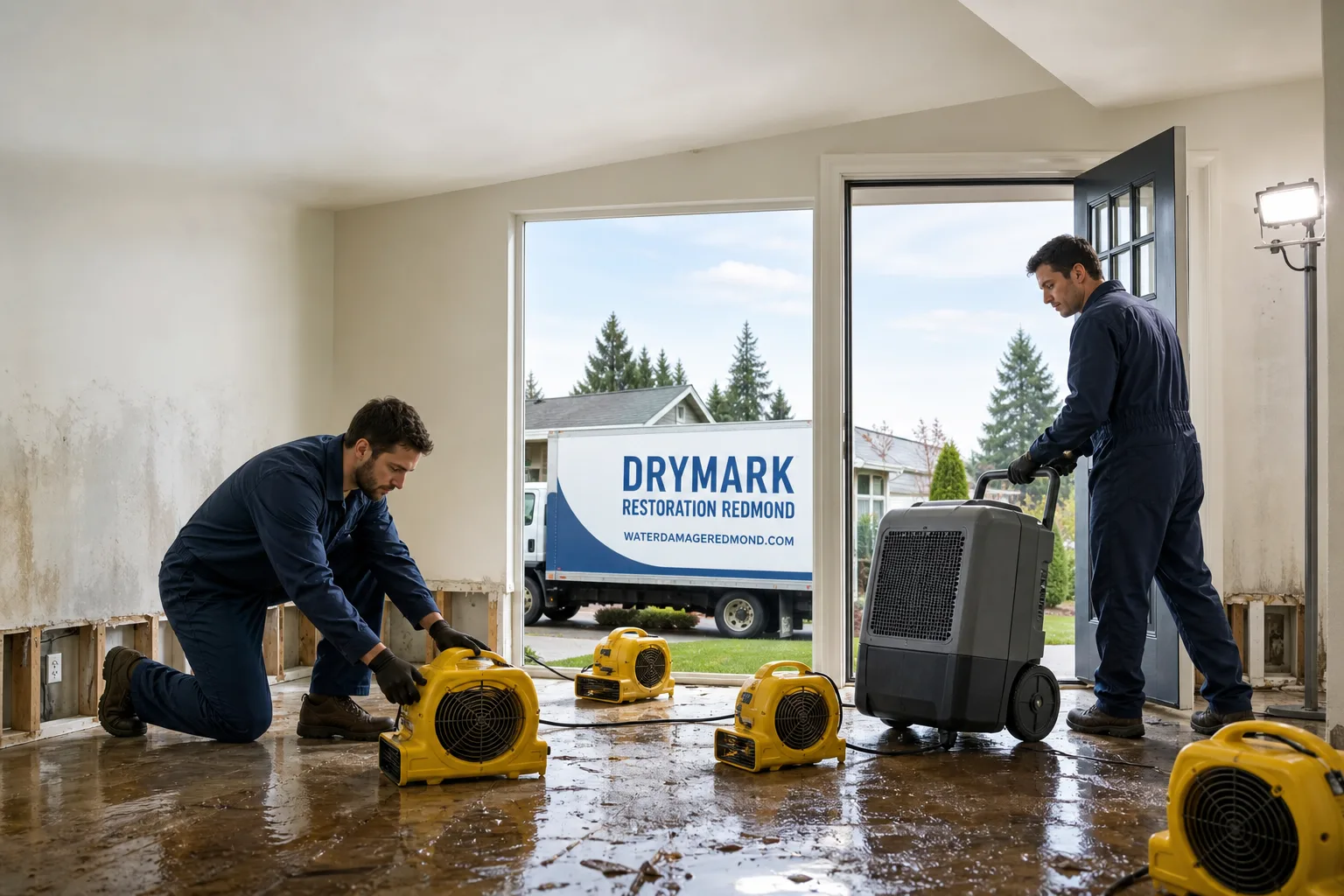
Free visual inspection and a written scope of work before any mitigation begins - photos, moisture readings, and drying logs go in your claim file
The scope we write is the scope we bill. Anything new gets shown to you, in writing, before we touch it.
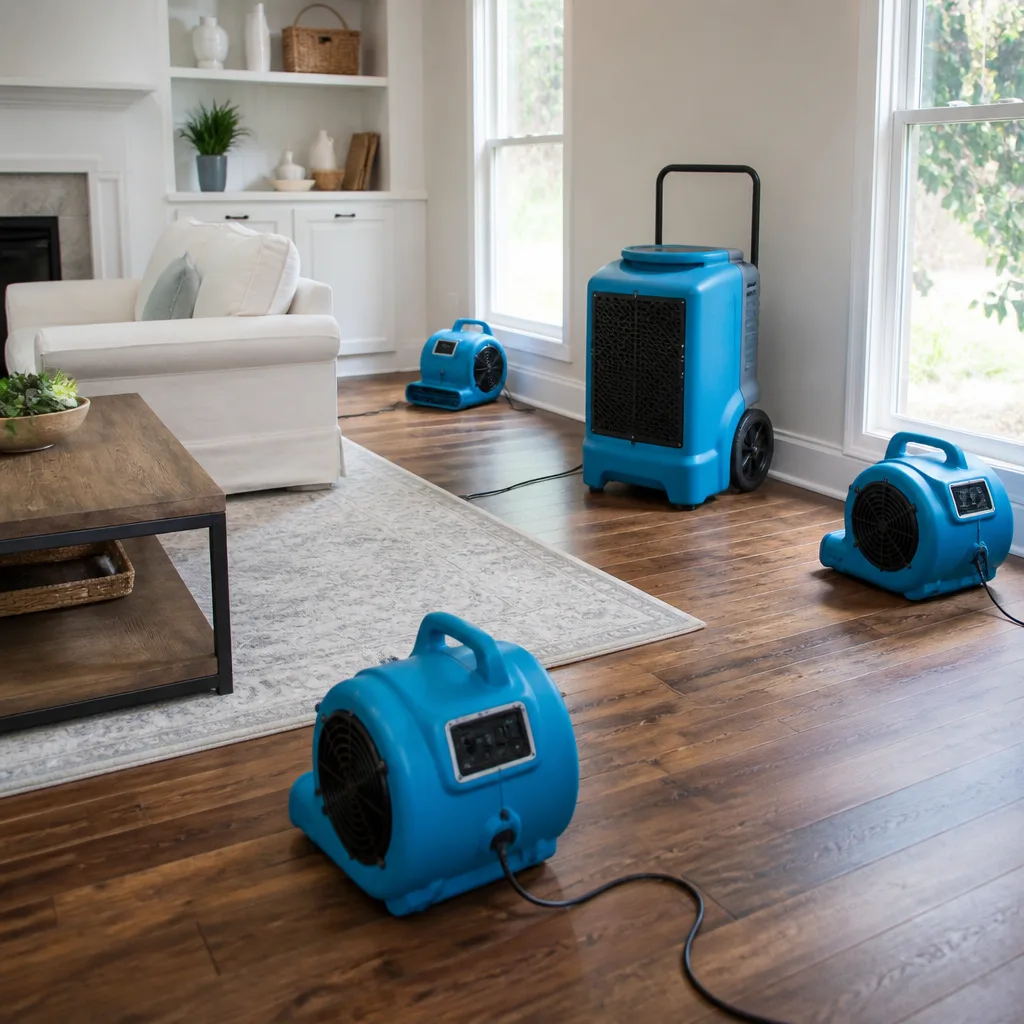
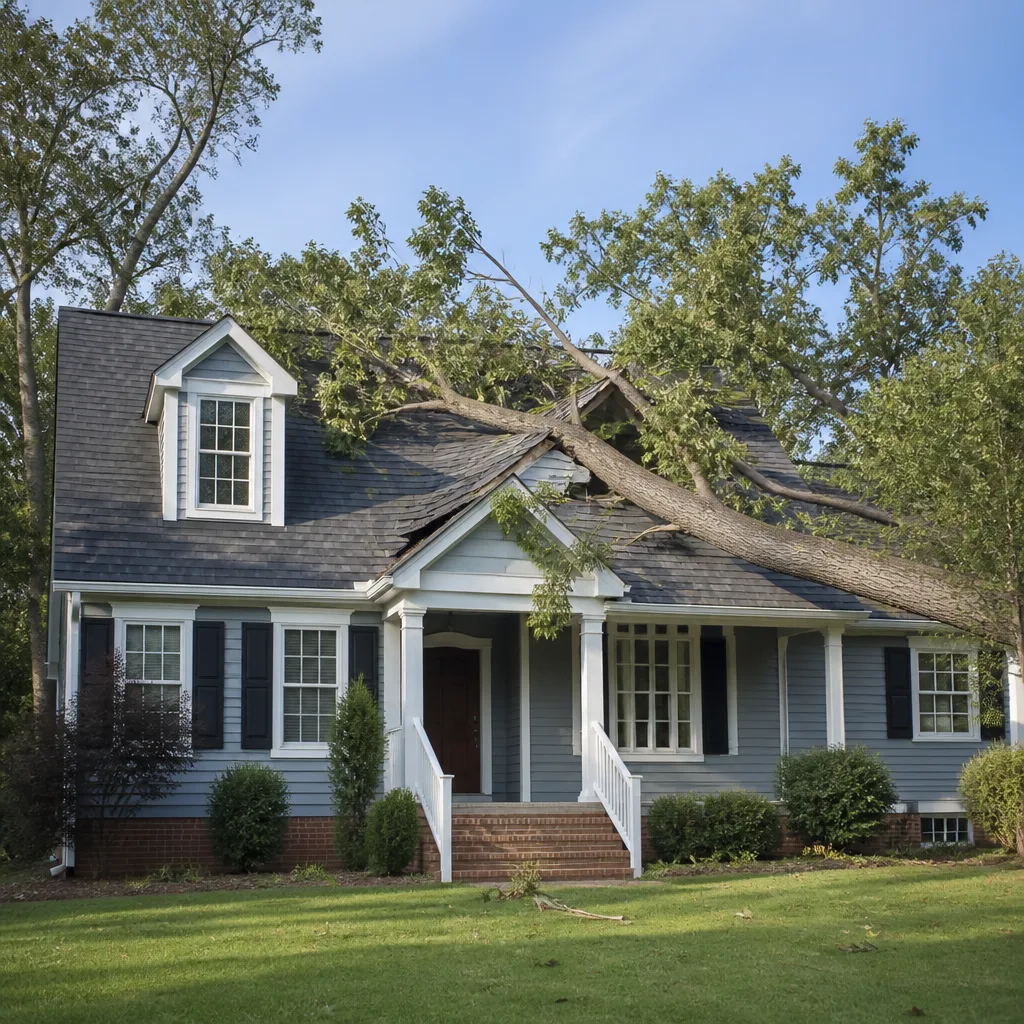
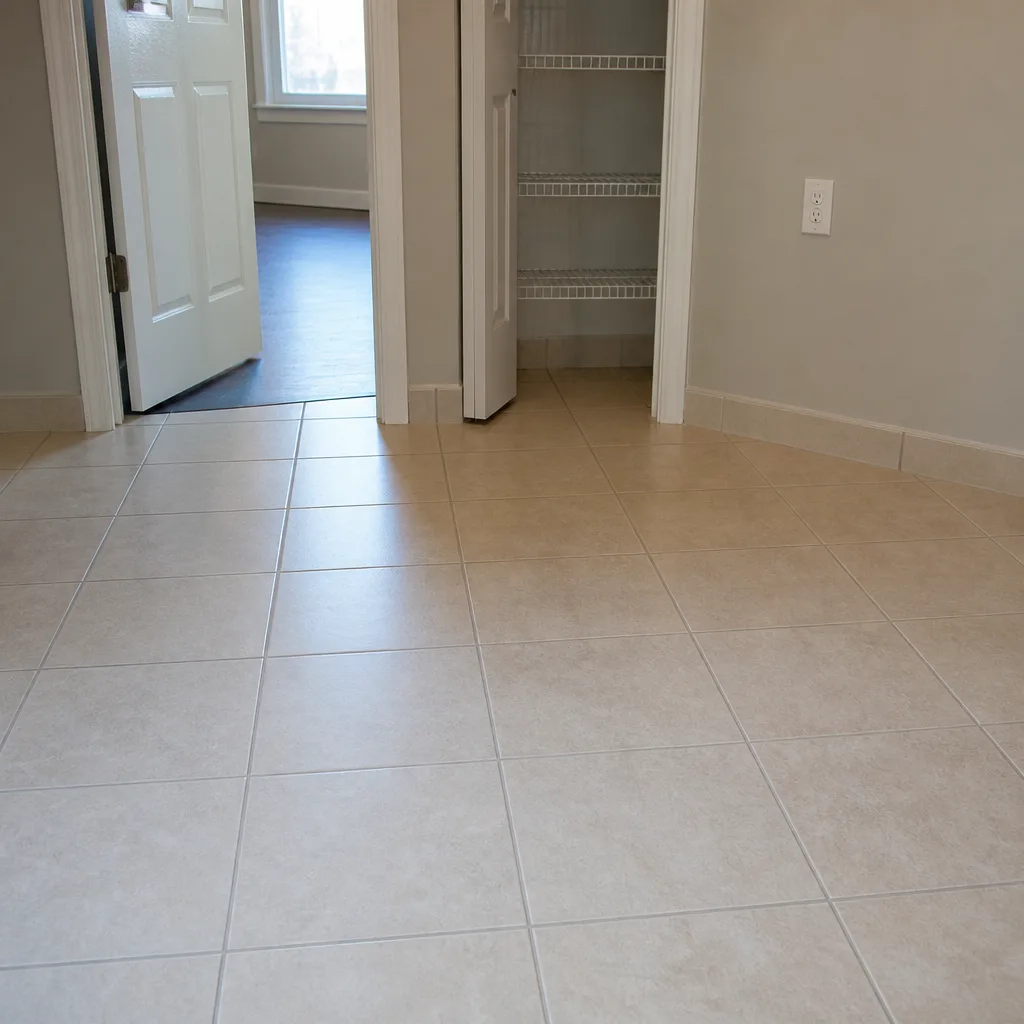
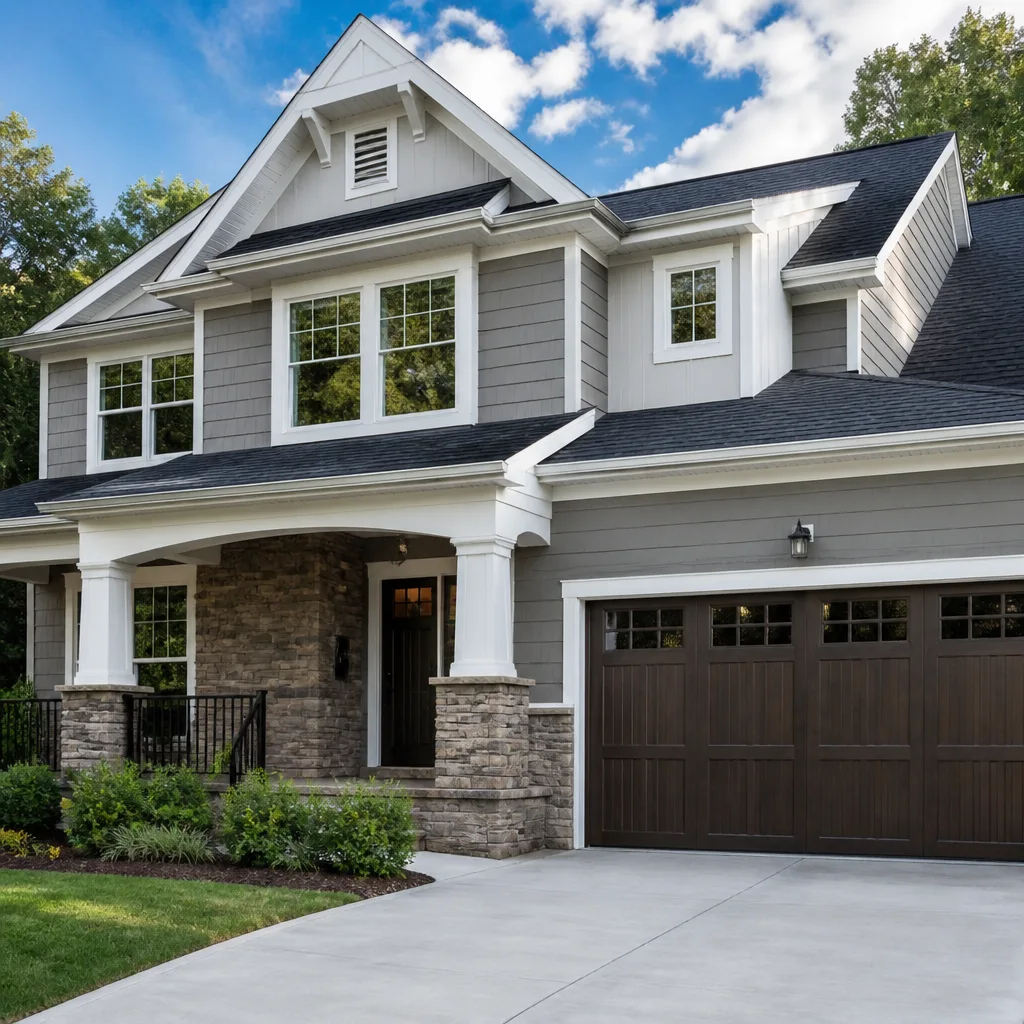
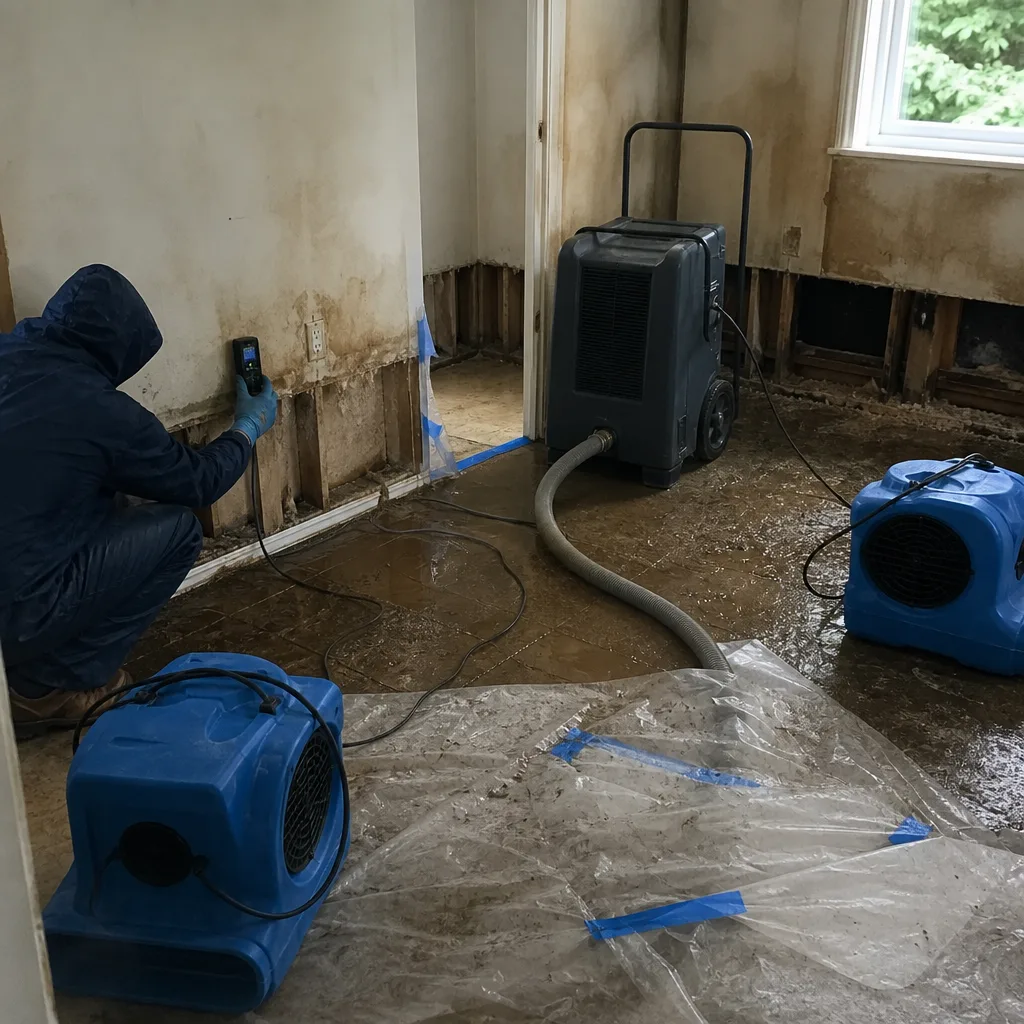 Before
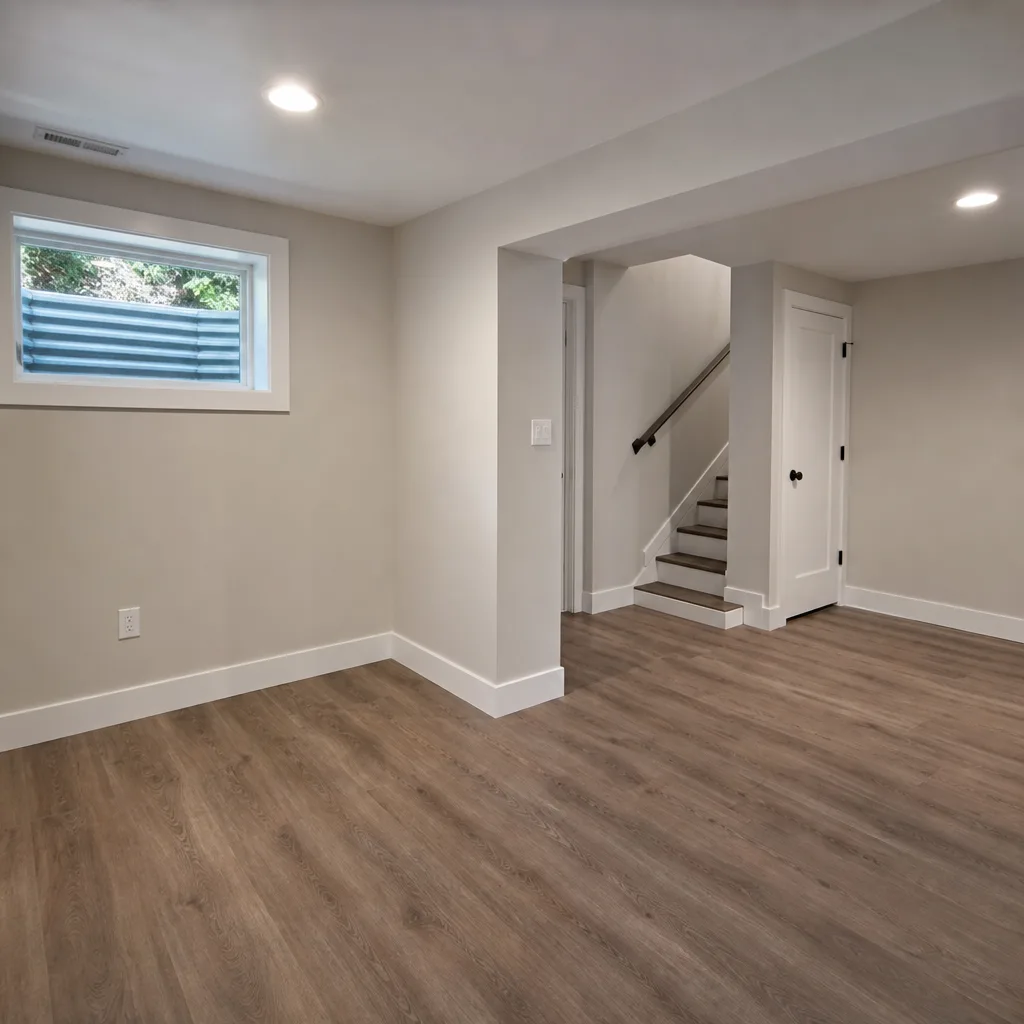 After
After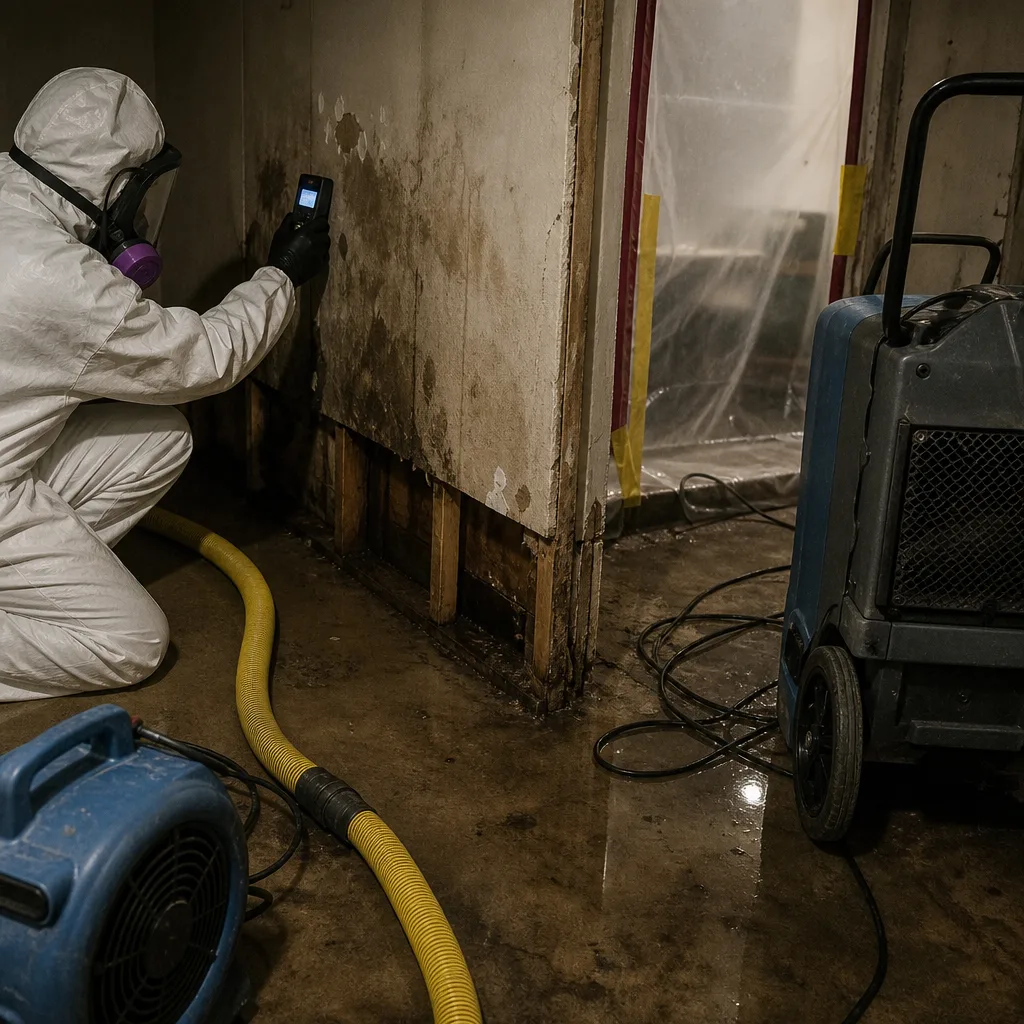 Before
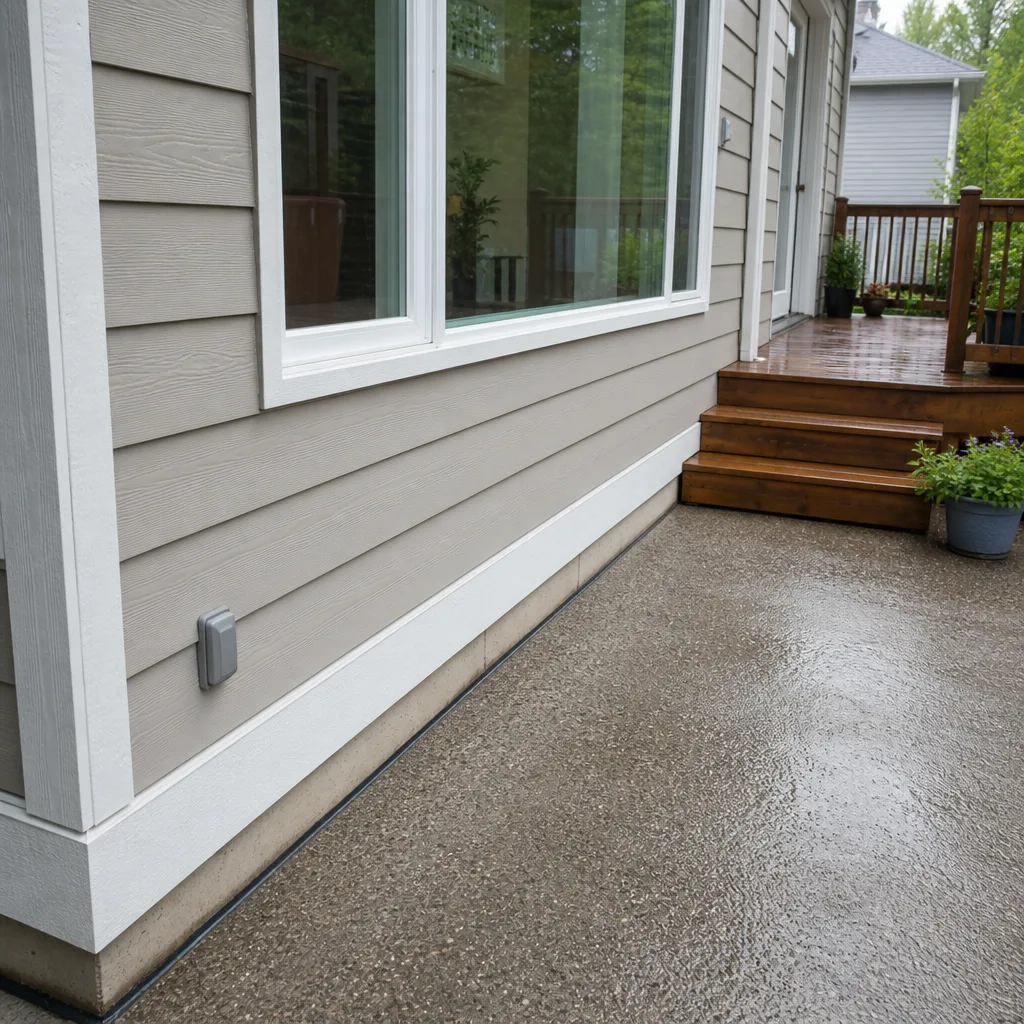 After
After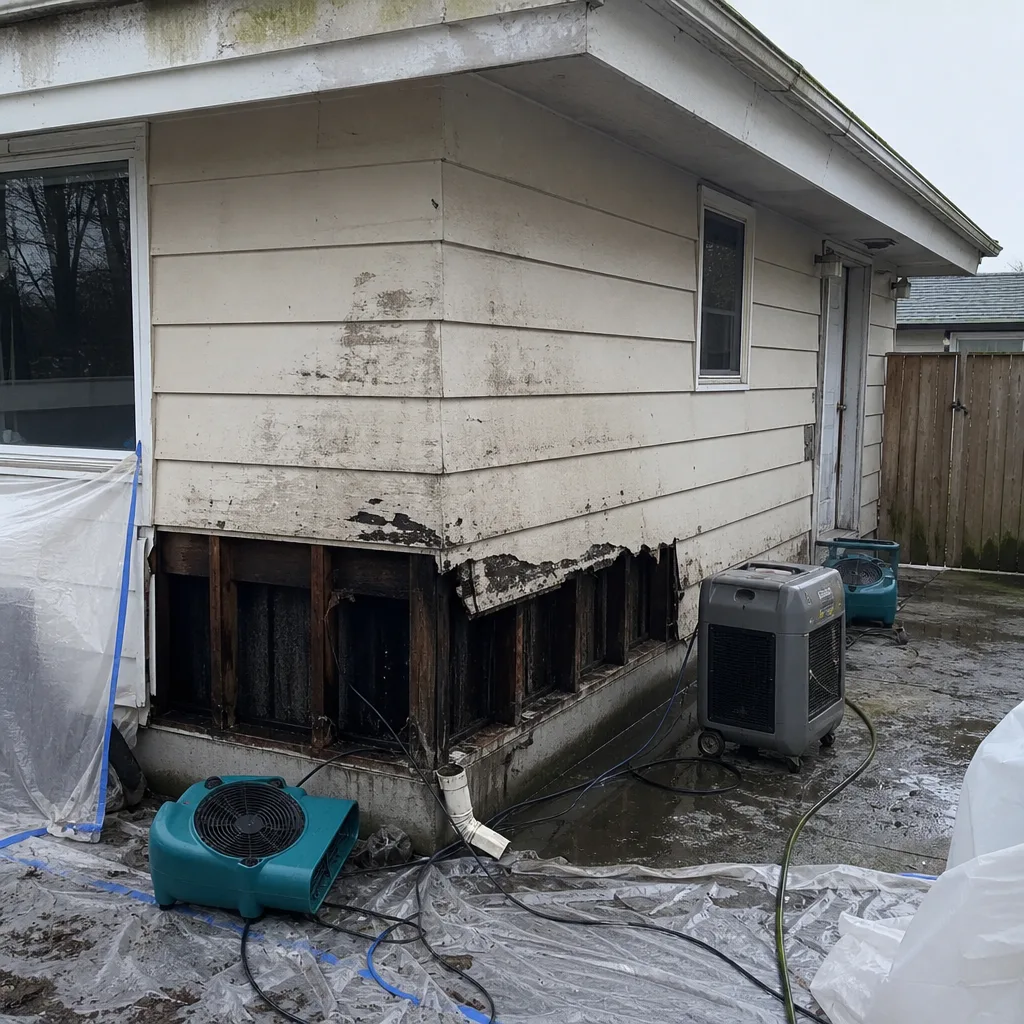 Before
 After
AfterFast, Reliable Fire & Smoke Damage Restoration Across SeaTac
Fire and smoke damage restoration in SeaTac typically costs $3,200-$8,500 for partial-home mitigation and $12,000-$35,000 for full-structure restoration, with emergency board-up and tarping available within 90 minutes of your call. Our crews are dispatched from our Seattle office and carry the specialized equipment needed for SeaTac’s post-WWII housing stock, including the dense ranch and split-level neighborhoods near Angle Lake and along the Des Moines Creek corridor. Call (425) 689-8468 now; a live person answers every emergency line, 24 hours a day, 7 days a week.
We’ve restored fire-damaged homes in SeaTac since 2011, and we’ve learned that this city presents restoration challenges you won’t find in neighboring Burien or Tukwila. The airport noise-contour sound-insulation retrofits that thousands of SeaTac homeowners received from the Port of Seattle, added attic insulation and replacement window assemblies, fundamentally change how moisture behaves inside wall cavities after fire suppression. Our documentation-first approach, built around The Haven Standard, captures every moisture reading and every photo so your insurer pays the claim without dispute.
Why DryMark Restoration Redmond Is SeaTac’s Preferred Fire & Smoke Damage Restoration Company
SeaTac homeowners choose us because we document before we demo. Every job starts with a written price, Haven Standard, Clause 1, delivered before any tool crosses your threshold. Our 12,000+ restored homes since 2011 include dozens of fire and smoke losses in SeaTac’s 98148 and 98158 zip codes, from kitchen grease fires in 1960s split-levels to hotel corridor smoke damage along International Boulevard.
Response time to SeaTac averages under 90 minutes for emergency calls, with crews carrying B-Air and Injectidry equipment sized for the shallow crawl spaces and compact attic volumes common in SeaTac’s post-WWII ranch stock. We know which streets flood in October storms, which blocks sit inside the FAA noise contour, and which contractors have left homeowners with undocumented moisture behind retrofitted drywall. That local knowledge prevents the secondary mold losses that can double your restoration timeline.
Our reviews from SeaTac customers consistently cite two things: the written scope they received before work started, and the photo record we delivered at completion. No surprise charges. No scope creep. The 365-Day Done Right Promise, backed by The Haven Standard, means if we miss something, we return and fix it at our cost.
Our Fire & Smoke Damage Restoration Services in SeaTac
Fire Damage Cleanup
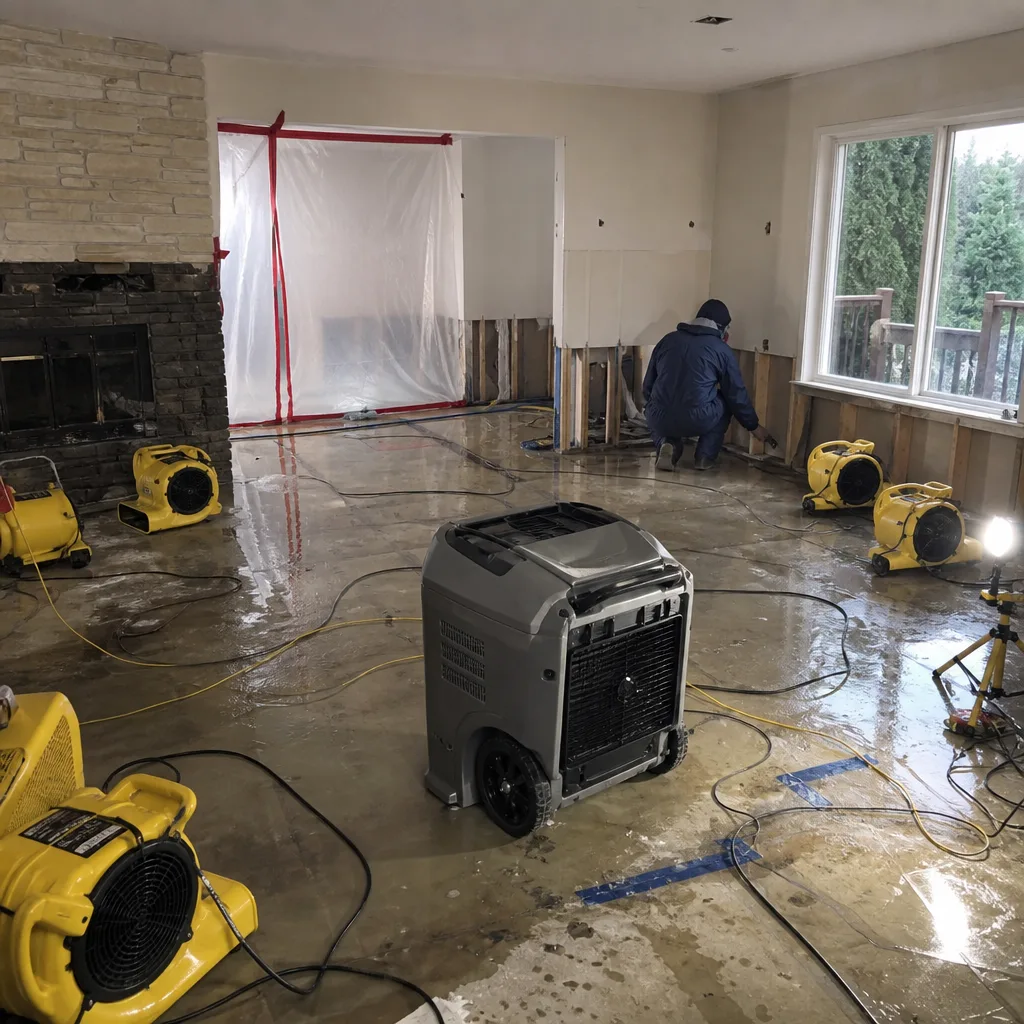
SeaTac’s post-WWII ranch homes and split-levels, concentrated east of the airport near Angle Lake, often contain original or partially updated materials that behave unpredictably in fire. We classify all affected materials by condition and document each classification with photos: salvageable, cleanable, or non-salvageable. Our crew removes charred structural elements, tests remaining framing for structural integrity, and delivers a written scope for reconstruction before any rebuild begins. In the hotel and extended-stay corridor along International Boulevard, we’ve handled large-loss fire cleanup where occupancy turnover pressure meets aging mid-century building stock, a combination that demands precise documentation for commercial insurance carriers.
Smoke & Soot Removal
Smoke damage in SeaTac homes travels farther than flames, especially in the low-ceilinged ranch plans built during the 1950s airport expansion. We use HEPA air scrubbers and contact-vacuum techniques on every surface, then apply solvent-based or water-based cleaning agents matched to the smoke type: wet smoke from smoldering fires, dry smoke from fast-burning wood, or protein residue from kitchen fires. After a kitchen fire in a 1965 split-level near Angle Lake, our crew found that the Port of Seattle sound-insulation package, added attic insulation and replacement window assemblies, had shifted the dew point into the wall cavity, and moisture readings spiked behind the recently updated drywall once suppression water soaked the assembly. We ran moisture mapping, set up containment and air movers, HEPA-scrubbed the smoke residue, and completed antimicrobial treatment on the exposed framing before rebuilding. That level of documentation is what turns a disputed claim into a paid one.
Odor Removal & Deodorization
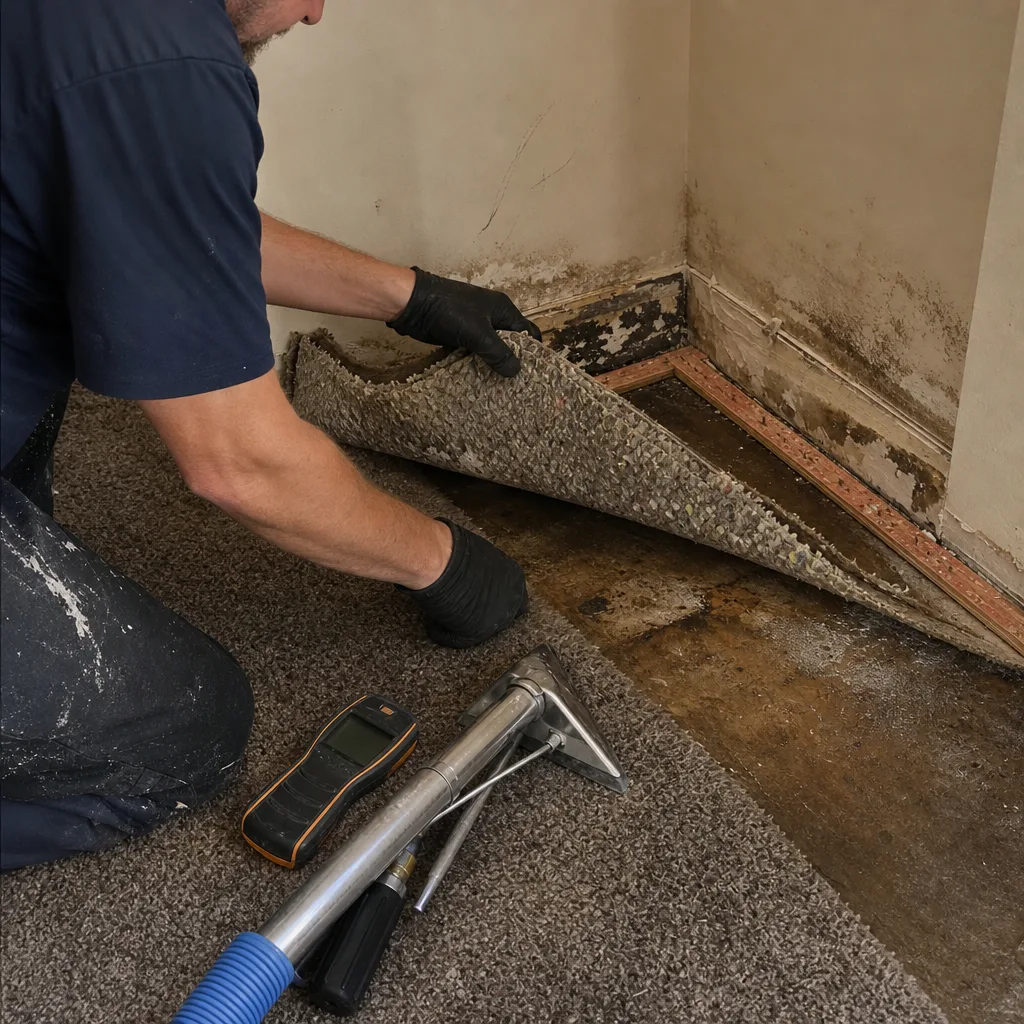
Smoke odor lingers in porous materials: drywall, insulation, carpet pad, and the original wood framing common in SeaTac’s older homes. We deploy thermal fogging and ozone treatment where appropriate, but we never mask odor with fragrance. The real work is source removal, charred material out, followed by sealed-surface encapsulation on structural elements that pass our odor-residue testing. In SeaTac’s noise-contour homes, the added attic insulation from Port of Seattle retrofits can trap odor particles if not properly accessed and treated; we document every cavity we open and every reading we take.
Contents Cleaning & Pack-Out
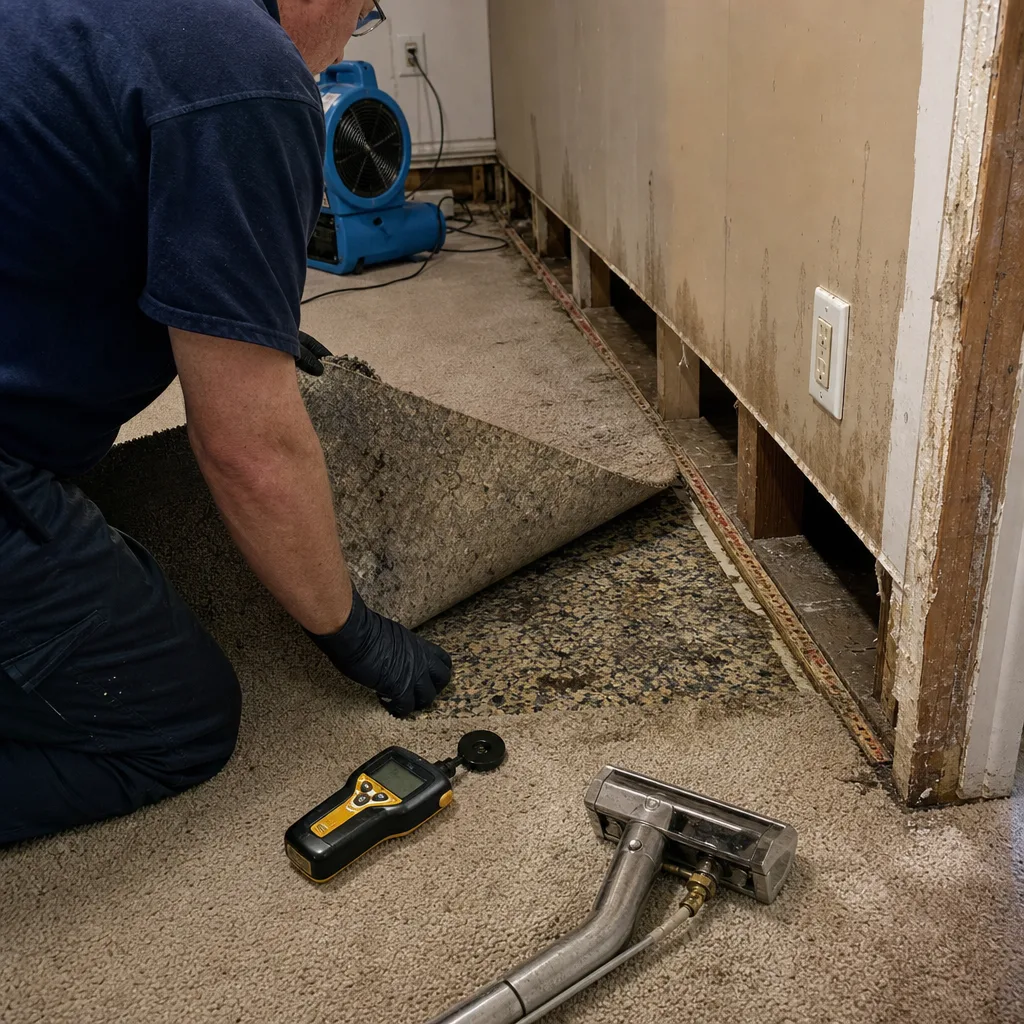
Your belongings receive the same documentation as your structure. We inventory, photograph, and clean salvageable items at our facility using ultrasonic and abrasive blasting techniques matched to material type. Non-salvageable items are documented for your insurance adjuster with replacement-cost research. For SeaTac homeowners in the airport employment corridor who may travel frequently, we coordinate pack-out timing around your schedule and provide digital access to your inventory.
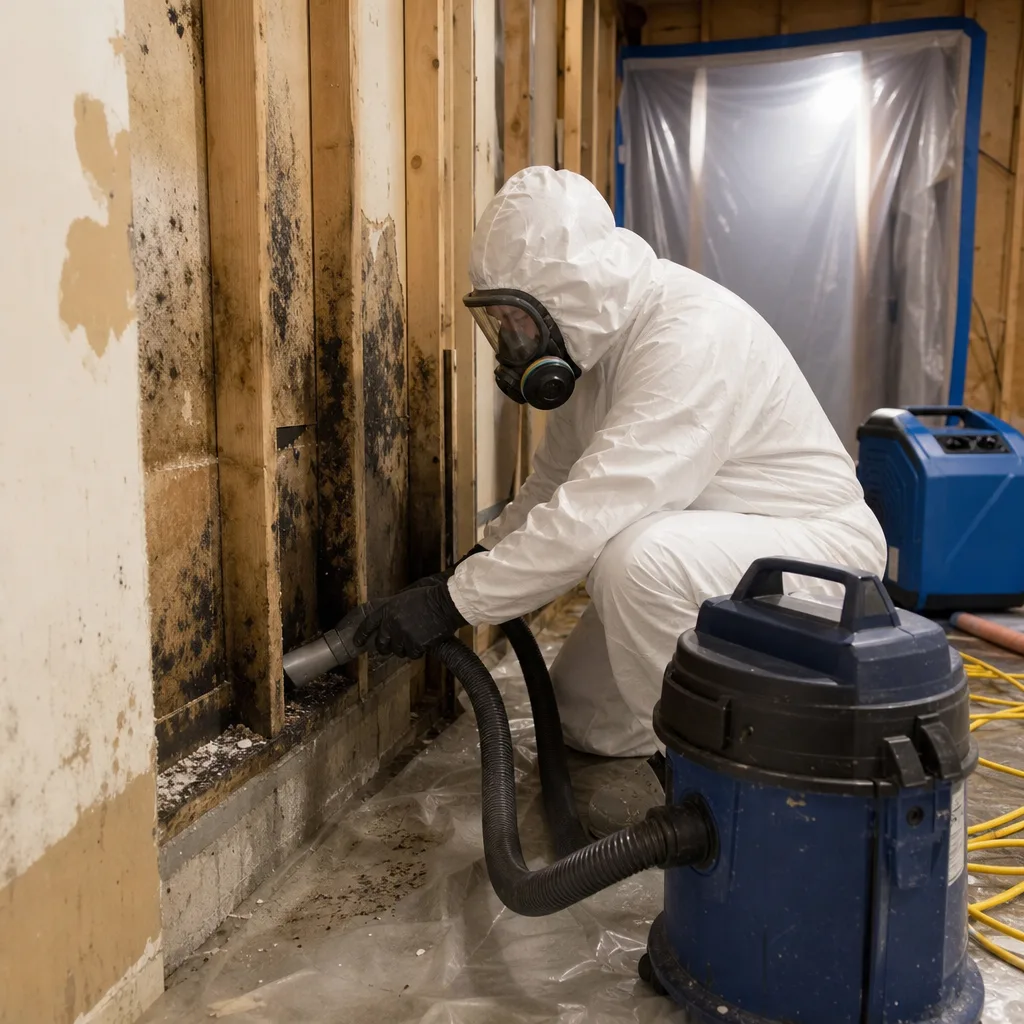
Structural Fire Repair
Rebuilding after fire requires a scope written in trade-specific language, with material specifications and code compliance noted. Our reconstruction team works from the documented mitigation phase, so nothing is guessed. In SeaTac’s 1950s-1970s housing stock, we frequently encounter outdated electrical and plumbing that must be brought to current code during rebuild; we note these requirements in your written price before construction starts, Haven Standard, Clause 1.
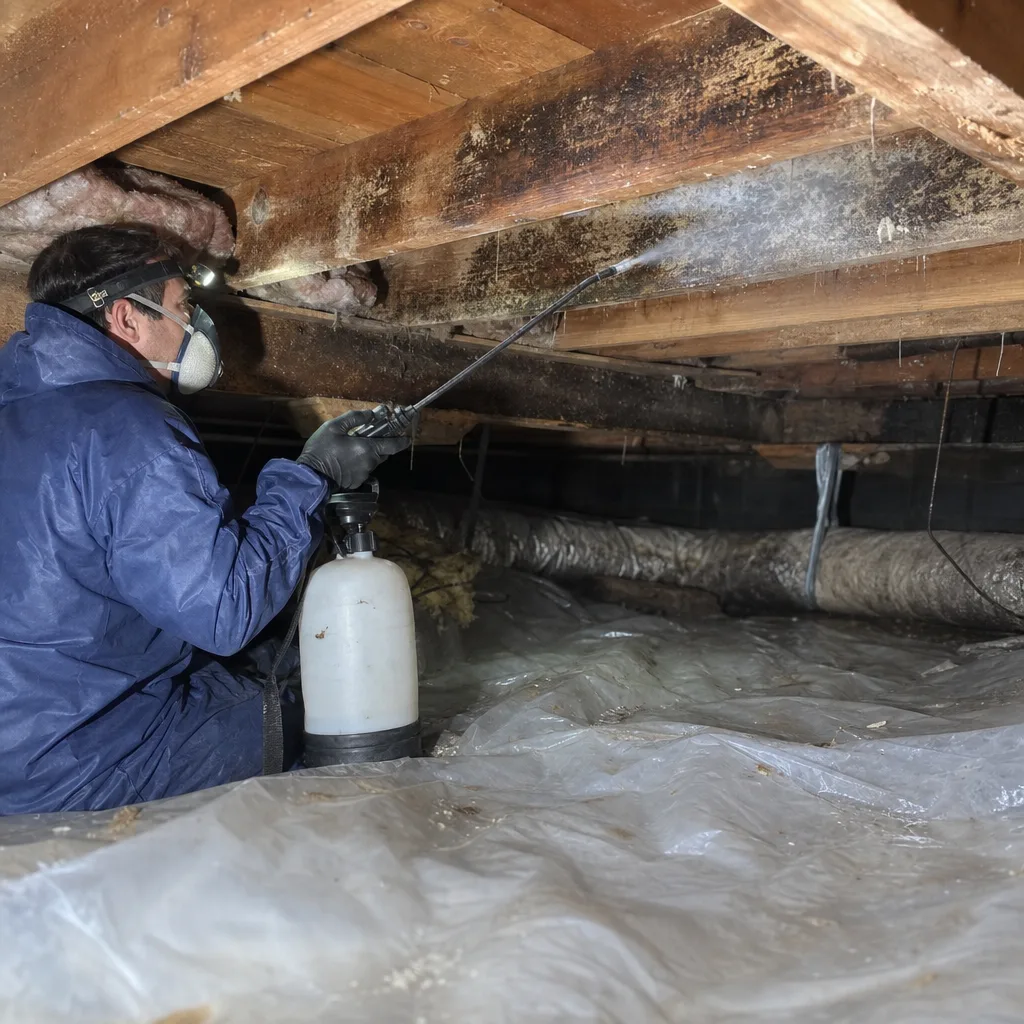
Emergency Board-Up & Tarping
Available 24/7 with our live dispatch. We secure your SeaTac property against weather intrusion and unauthorized entry, then document the condition with photos for your insurance file. Response to the Angle Lake and Des Moines Creek areas typically runs under 90 minutes.
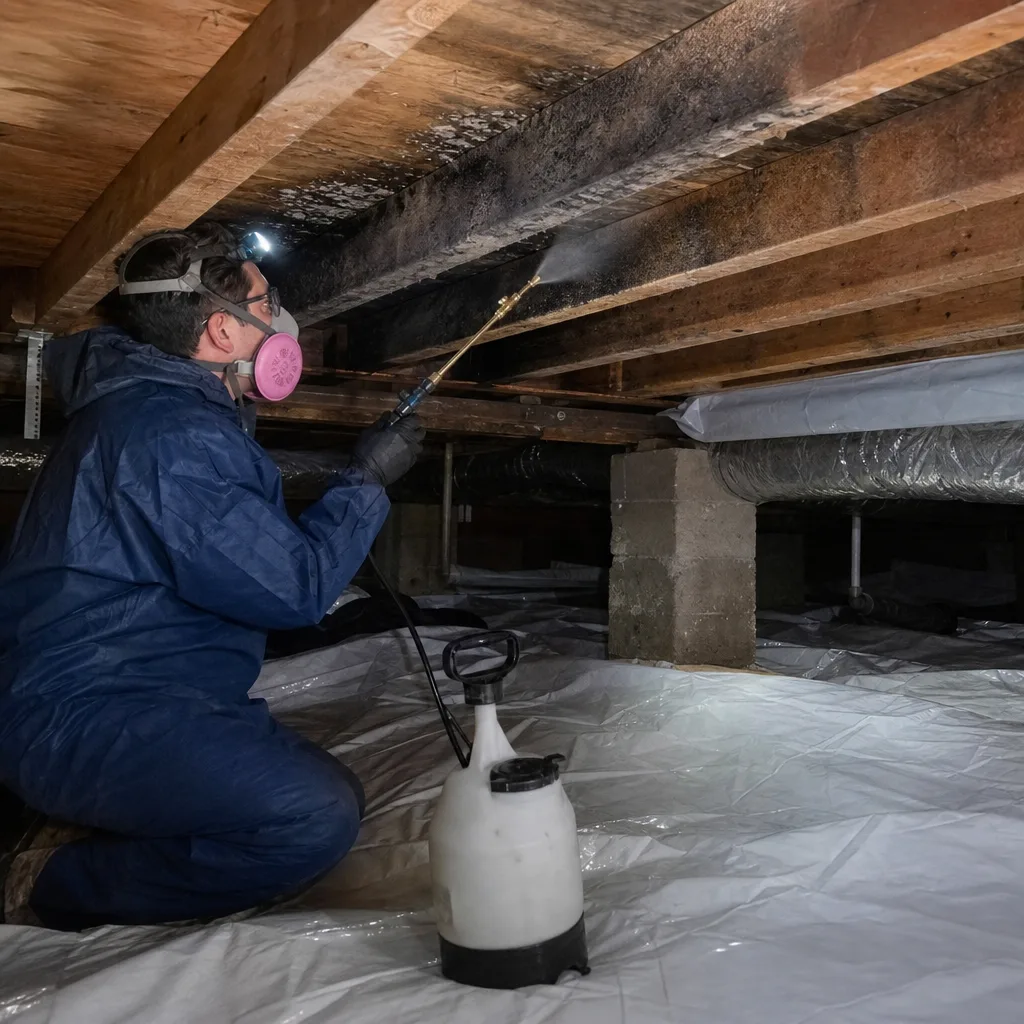
What happens when you call
- 1
A real person answersNo phone trees - you reach a local pro.
- 2
You get an upfront price rangeHonest numbers before anyone is dispatched.
- 3
A background-checked tech heads outLicensed & insured, dispatched right away.
- 4
You approve before work beginsNothing starts until you say go.
 Before
 After
AfterTrusted Brands We Service in SeaTac
Our equipment inventory includes professional-grade drying and air-scrubbing systems from B-Air and Injectidry, documented to IICRC, RIA, and IFA standards. We stock HEPA filtration media, antimicrobial formulations, and specialty cleaning agents sized for the compact spaces and shallow crawl spaces typical of SeaTac’s post-WWII residential stock. No waiting for parts shipments while your home sits wet. Every machine deployed on your job is logged by serial number and runtime, and that log becomes part of your drying documentation.
Common Fire & Smoke Damage Restoration Problems We See in SeaTac Homes
- Contractors misclassifying fire-suppression water. Water mixed with soot and char is Category 3, not Category 1. Some SeaTac contractors dry material that should be removed, risking hidden mold growth in the noise-zone wall assemblies where Port of Seattle insulation retrofits already trap moisture.
- Ignoring sound-insulation retrofit consequences. The added attic insulation and replacement window assemblies in SeaTac’s flight-path homes push the condensation plane inward. After fire suppression, moisture hides behind new drywall where visual inspection misses it. We moisture-map every wall in the affected zone.
- Missing crawl space water retention. SeaTac’s shallow crawl spaces in post-WWII ranch homes often hold fire-suppression water that air movers alone won’t reach. We check every crawl with borescope inspection and subfloor moisture readings before declaring drying complete.
- Inadequate smoke residue documentation. Protein fires from kitchen incidents leave nearly invisible residue that corrodes metal and etches glass over time. We test surfaces with chem-sponges and document findings with photos, so your adjuster understands why thorough cleaning is necessary.
Pricing for Fire & Smoke Damage Restoration in SeaTac, WA
Emergency board-up and tarping in SeaTac runs $450-$1,200 depending on access height and material needed. Smoke and soot removal for a single affected room typically costs $1,800-$3,400. Full-structure fire damage restoration, including contents pack-out, structural drying, odor removal, and rebuild, ranges from $12,000 to $35,000 for SeaTac’s median-sized ranch and split-level homes.
Three factors move your price: square footage affected, materials requiring removal versus cleaning, and whether the Port of Seattle sound-insulation retrofit in your noise-contour home has created hidden moisture zones that extend the mitigation scope. We deliver your written price before any work starts, Haven Standard, Clause 1, with no additions once our crew is inside. Bring a competitor’s written estimate and we’ll review it free, our Free Second Opinion guarantee.
We Also Serve Cities Near SeaTac
Our Fire & Smoke Damage Restoration team responds throughout the metro area, including SeaTac, Redmond, Kirkland, Kingsgate, and Bellevue. Dispatch and scheduling are coordinated from our Seattle office; crews serve SeaTac locally with equipment staged for the city’s specific housing stock and climate conditions.
Serving SeaTac, WA - Our Local Coverage Area
We’re based in the SeaTac area and know this community well. Use the map below to see our service coverage - if you’re nearby, we can almost certainly help.
FAQs - Fire & Smoke Damage Restoration in SeaTac
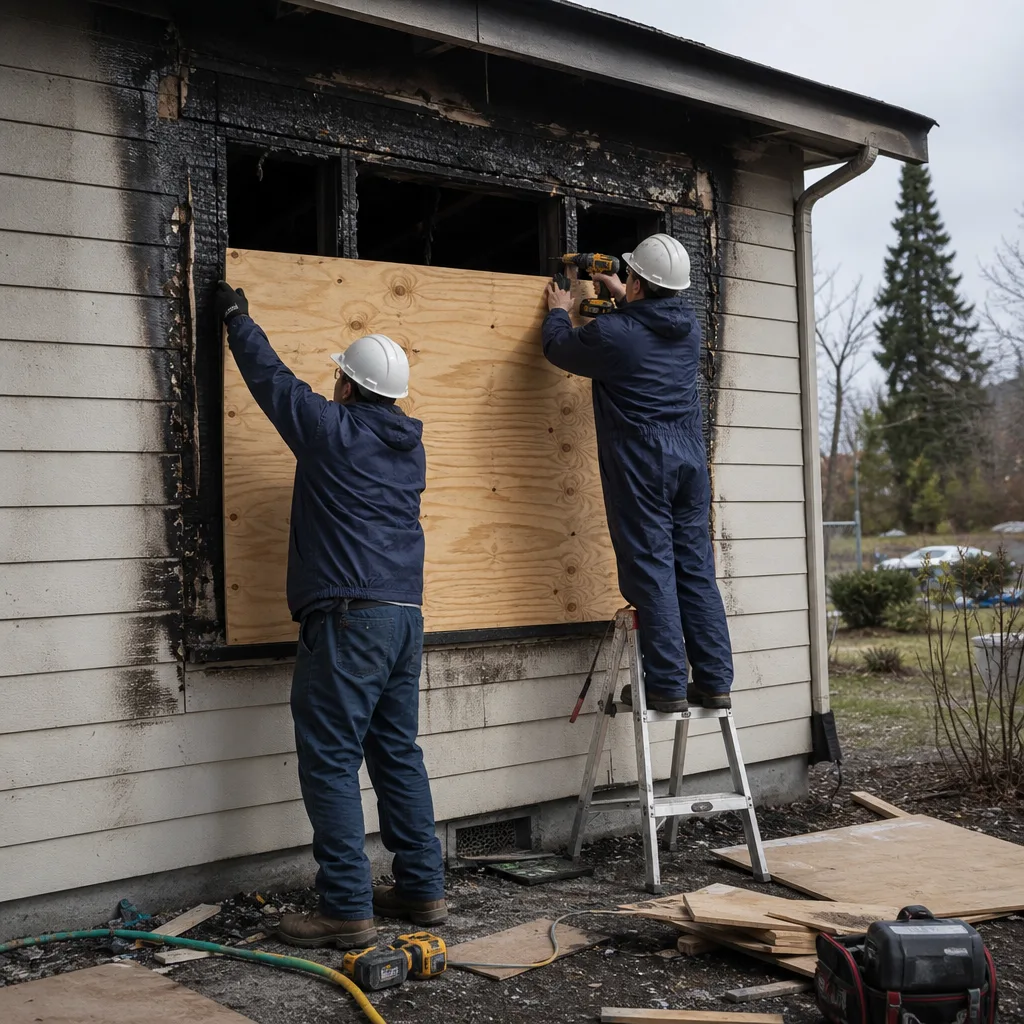
Visible mold colonization can begin within 48-72 hours in SeaTac’s noise-contour homes, faster than in non-retrofit properties. The Port of Seattle insulation packages, added attic insulation and replacement window assemblies, push the condensation plane inward and trap suppression water behind drywall where air circulation is minimal. We moisture-map every affected wall cavity immediately upon arrival and deploy Injectidry cavity-drying systems when readings exceed 16% wood moisture content. Call (425) 689-8468 for emergency dispatch.
The sound-insulation retrofits change where moisture collects and how smoke travels through wall assemblies. Homes near Angle Lake and the Des Moines Creek corridor with added attic insulation and replacement window assemblies require cavity-specific moisture mapping that non-retrofit homes don’t. Our crews are trained to identify retrofit construction and adjust drying protocols accordingly, documented to IICRC standards with photo records on every visit.
Yes. Fire suppression water is part of every fire restoration we perform, and we classify it properly, Category 3 when mixed with soot and char, so your insurer covers complete remediation rather than partial drying. Our written scope addresses both the fire and water components with line-item documentation, and we coordinate directly with your adjuster. The 365-Day Done Right Promise covers our combined fire and water mitigation work.
Yes. Emergency board-up and tarping is available 24/7 with live dispatch, typically arriving within 90 minutes to SeaTac addresses. We secure the structure, document existing damage with photos for your insurance file, and begin moisture mapping and smoke assessment once the property is weather-tight. Your written price for mitigation follows before any demolition or cleaning starts.
Salvageable contents are inventoried, photographed, and transported to our facility for ultrasonic or abrasive cleaning matched to material type. Odor removal requires source elimination, charred material out, followed by HEPA air scrubbing and sealed-surface encapsulation on structural elements. We test every treated surface with chem-sponges and document passing results before returning your cleaned contents. Call (425) 689-8468 to schedule pack-out assessment.
Every fire and smoke restoration job we perform in SeaTac is documented with a photo record on every visit, a written price before work begins, and the 365-Day Done Right Promise backed by The Haven Standard. If your home sits in the airport noise contour, we know the retrofit construction and we know where moisture hides. That knowledge prevents the secondary mold losses that can extend your displacement by weeks.
Call (425) 689-8468 now for a free estimate. A live person answers, 24 hours a day, 7 days a week. Or bring any competitor’s written estimate and we’ll review it at no charge, our Free Second Opinion guarantee.
Written by Alicia Brennan, Owner at DryMark Restoration Redmond, serving SeaTac since 2011.